








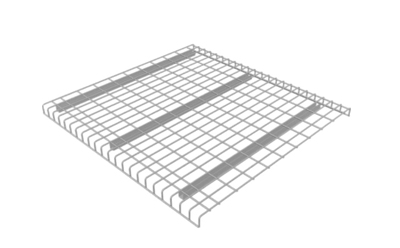
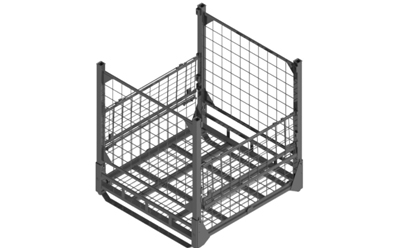
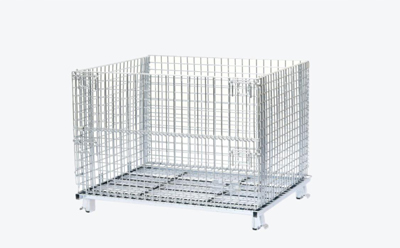















Welded wire products are widely used in residential, commercial, agricultural, construction, and industrial applications because they offer a practical combination of strength, stability, visibility, and easy installation. Compared with woven wire mesh, welded mesh is manufactured by joining horizontal and vertical wires at their intersections, creating a fixed and uniform grid. This structure makes it suitable for applications where dimensional stability and a clean appearance are important.
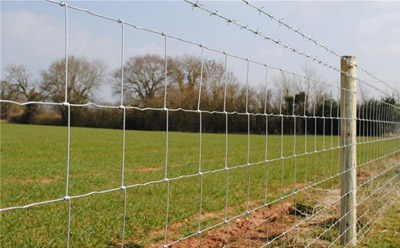
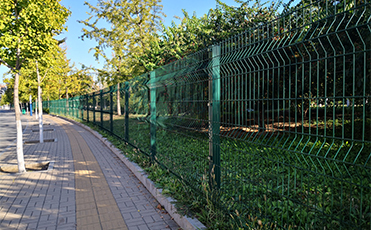
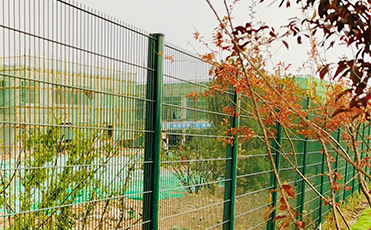
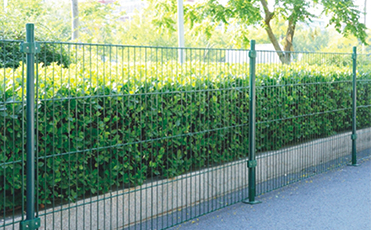
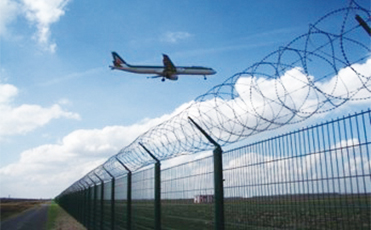
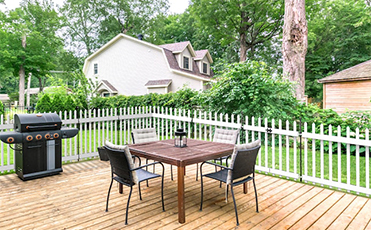
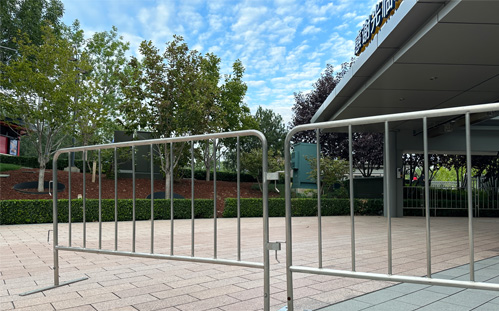
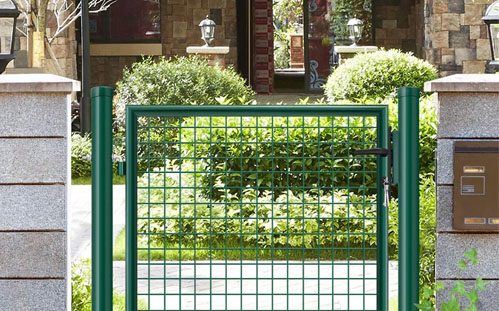
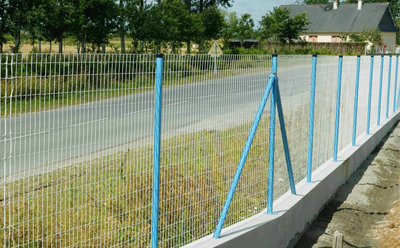
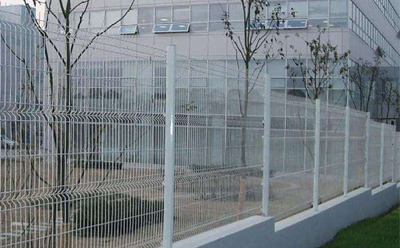
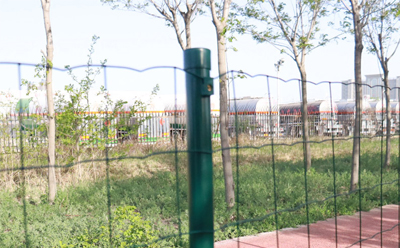
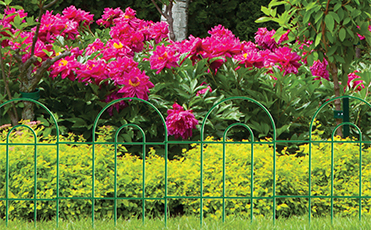
A welded fence is one of the most common applications of this type of mesh. It can be used to create boundaries around gardens, farms, residential properties, commercial facilities, warehouses, and industrial sites. Depending on the wire diameter, mesh opening, panel size, material, and surface treatment, welded fencing can be designed for different levels of security and environmental conditions.
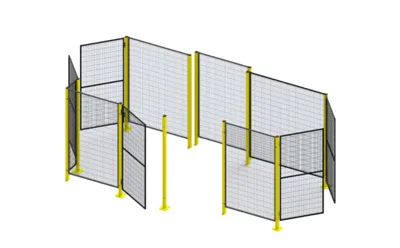
In addition to fencing, welded wire products can be manufactured into cages, baskets, partitions, machine guards, storage systems, and protective barriers. Products such as welded fence mesh, welded wire, and welded wire cloth are available in a variety of specifications to meet different project requirements.
For buyers, distributors, contractors, and manufacturers, understanding the differences between these products is important when selecting the right solution. The following sections explain the main characteristics, applications, and purchasing considerations of welded wire products.

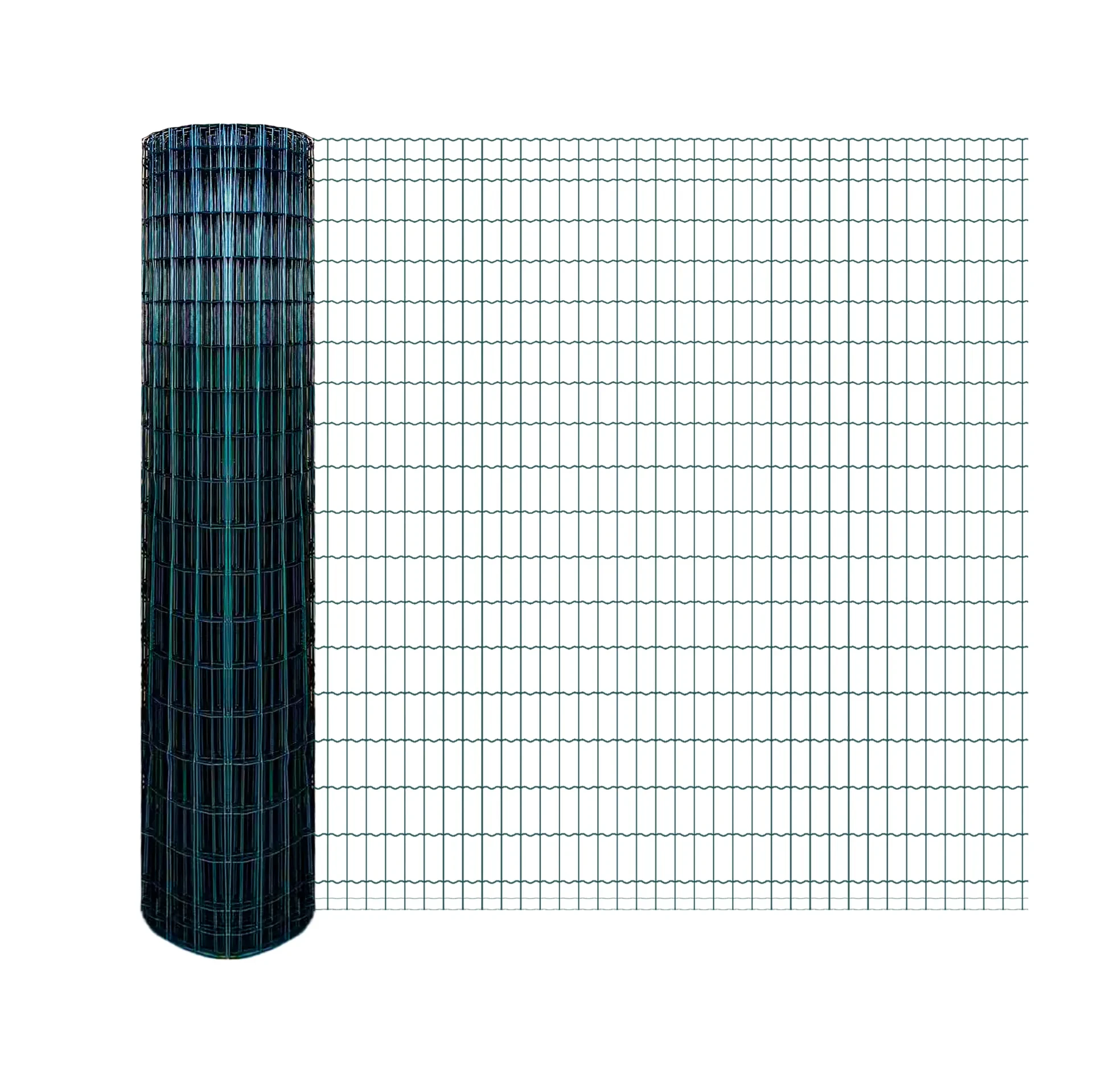
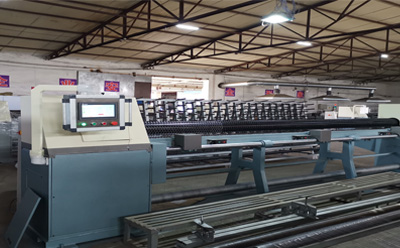
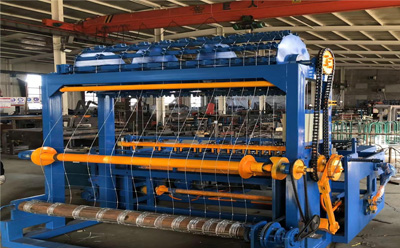
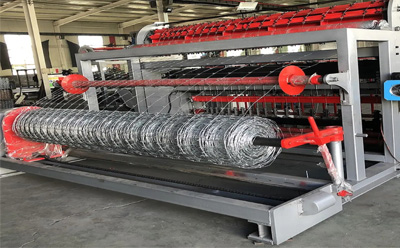
Welded wire mesh is made by arranging metal wires horizontally and vertically and welding them together at each intersection. Resistance welding is commonly used to create strong connections between the wires. The result is a rigid grid with consistent openings and a relatively clean appearance.
This manufacturing method distinguishes welded mesh from woven mesh. In woven mesh, individual wires are woven over and under each other, while welded mesh uses welded intersections to maintain the position of the wires. This fixed structure can make welded products convenient for fencing, cages, partitions, and other applications where a stable shape is required.
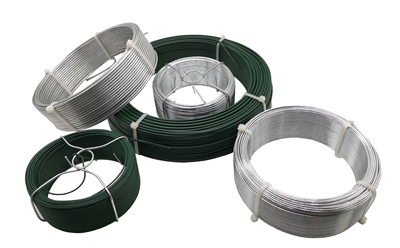
The material used for the wires can vary according to the application. Common options include carbon steel, galvanized steel, and stainless steel. Galvanized wire can provide improved corrosion resistance for outdoor applications, while stainless steel is often selected when corrosion resistance, hygiene, or chemical resistance is especially important.
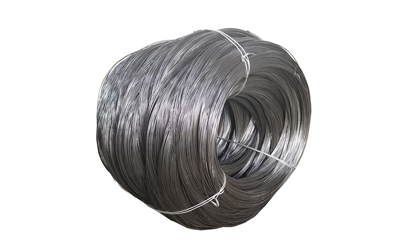
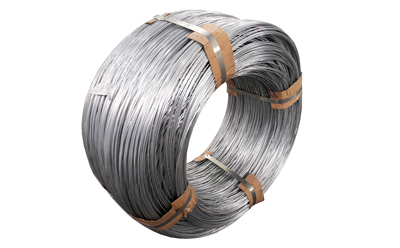
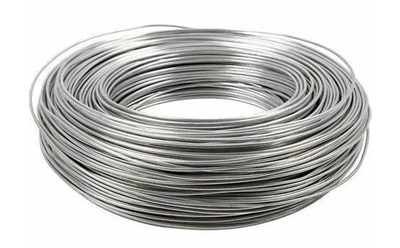
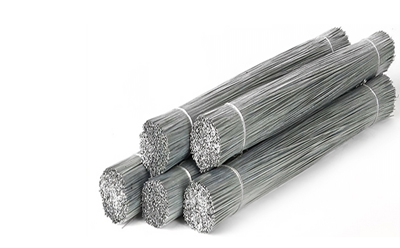
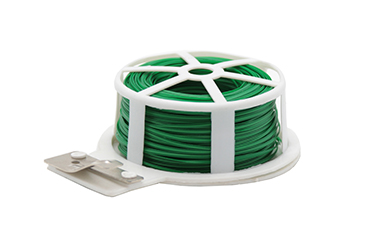
The term welded fencing wire generally refers to the steel wire used to manufacture welded fencing or related mesh products. Wire diameter is one of the most important specifications because it influences the rigidity, weight, and overall strength of the finished mesh.
Mesh opening is another important specification. Smaller openings can provide greater containment and may be appropriate for animal enclosures, security applications, or machine guarding. Larger openings may be suitable where visibility, airflow, and lower material consumption are priorities.
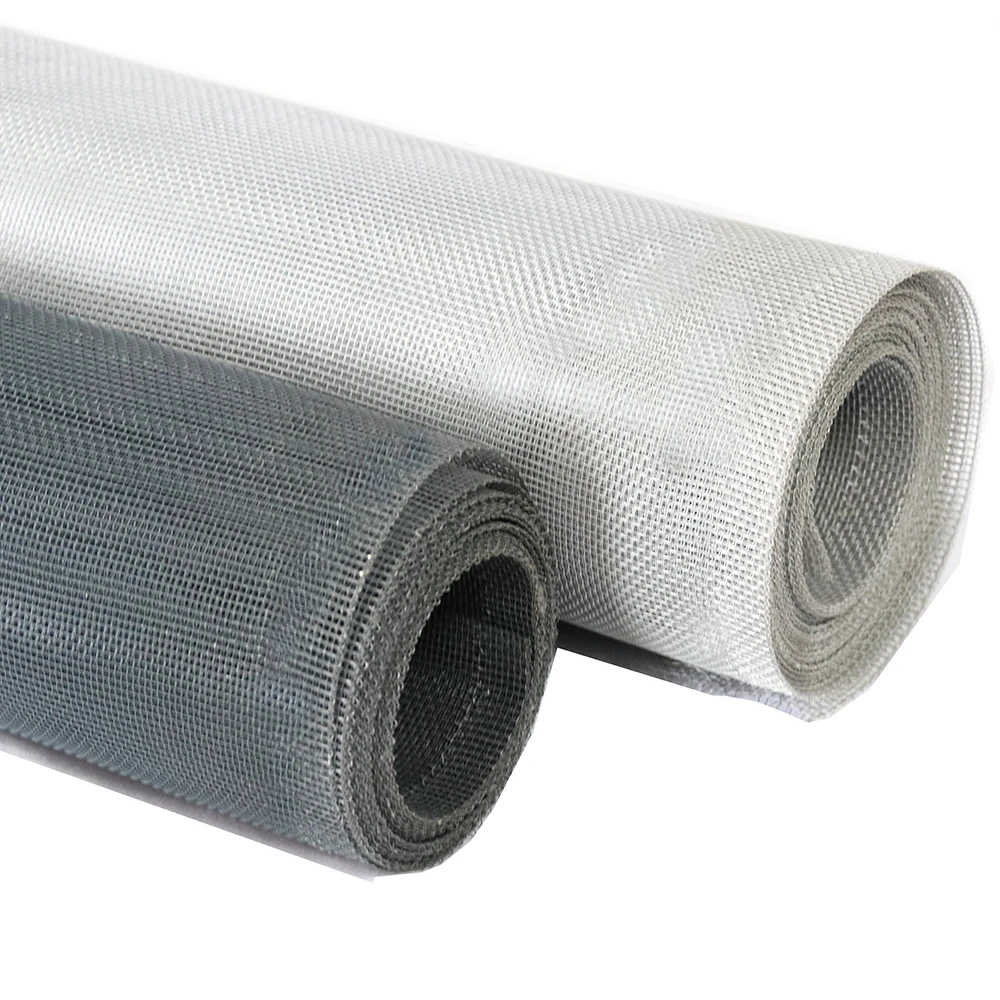
Welded wire cloth is another term commonly associated with welded mesh products. Depending on the industry, wire cloth can be supplied in different materials, wire diameters, opening sizes, rolls, or sheets. Hardware cloth, for example, can be manufactured from woven or welded wires and is available in galvanized, stainless, and bare steel.
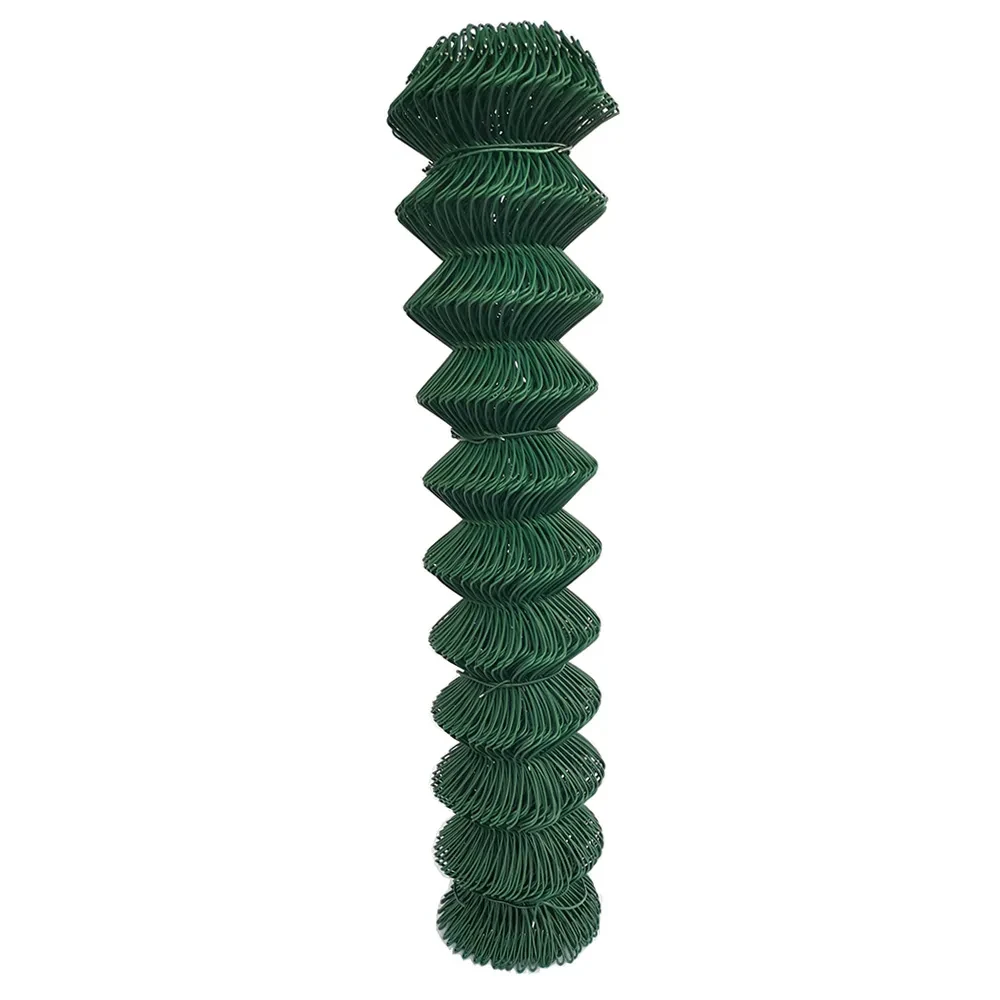
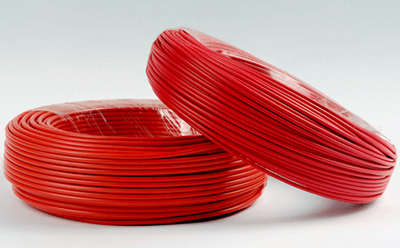
Surface treatment can also affect product performance. Depending on the manufacturer, welded mesh may be supplied as bare steel, galvanized steel, PVC-coated steel, or stainless steel. For outdoor fencing, corrosion protection should be considered carefully because the product may be exposed to rain, humidity, sunlight, and changing temperatures.
The versatility of welded mesh makes it useful across many industries. Manufacturers can produce panels, rolls, cages, screens, partitions, baskets, and other fabricated products from the same basic welded-wire structure.
Fencing and Perimeter Protection
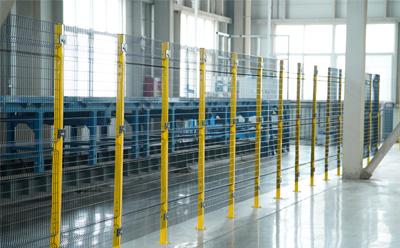
Welded mesh fencing is widely used for property boundaries, gardens, farms, commercial facilities, warehouses, sports areas, and industrial sites. The rigid grid provides a clearly defined boundary while maintaining visibility and airflow.
Compared with solid fencing, welded mesh allows people to see through the fence, making it useful for locations where visual openness is desirable. Security-oriented welded mesh can also use smaller openings to make climbing or passing objects through the fence more difficult.
Animal Enclosures and Cages
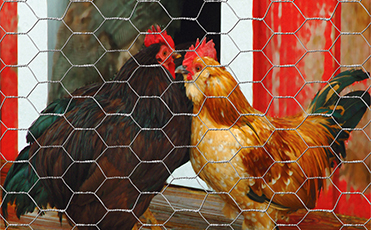
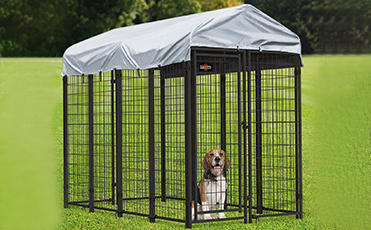
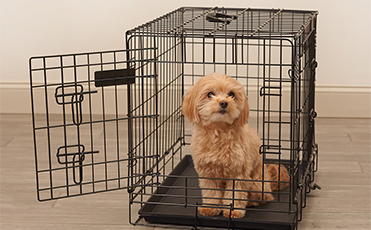
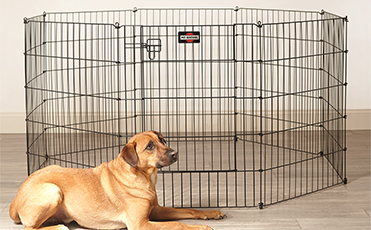
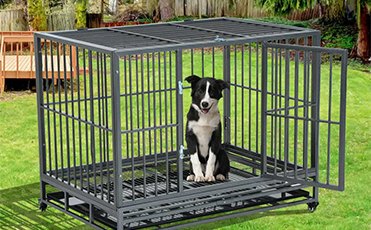
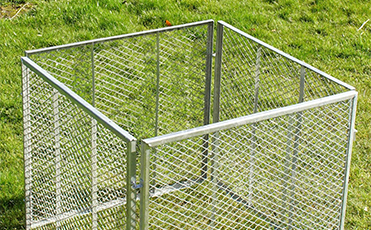
A welded wire cage can be used for poultry, small animals, pets, birds, and other containment applications. The appropriate wire diameter and mesh opening should be selected according to the animal's size and behavior.
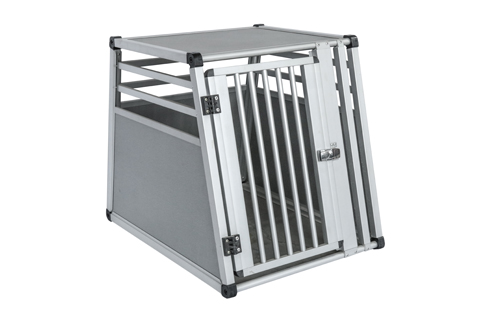
Cage mesh is available in different opening sizes, wire diameters, and surface treatments. Common applications include animal enclosures, aviaries, kennels, machine guarding, and flooring.
For agricultural applications, welded cages can also be designed for storage or temporary containment. The rigid structure helps maintain the shape of the enclosure and can simplify fabrication.
Hardware Cloth and Garden Applications
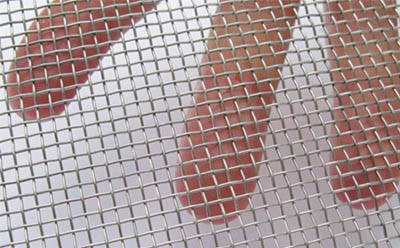
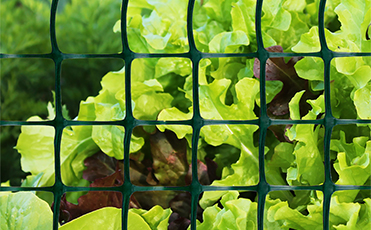
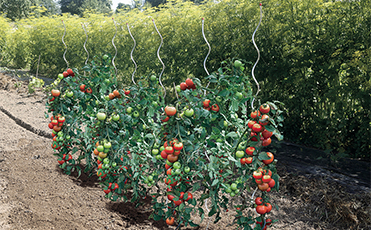
Welded hardware cloth is commonly used for garden protection, pest control, animal containment, tree guards, and other outdoor projects. Hardware cloth can have small square or rectangular openings, making it suitable when users need a more restrictive mesh than standard fencing.
It can also be used to protect plants and gardens from rodents and birds while still allowing air and water to pass through the mesh. Hardware wire cloth is also used for machine guarding and security screening.
Industrial and Commercial Applications
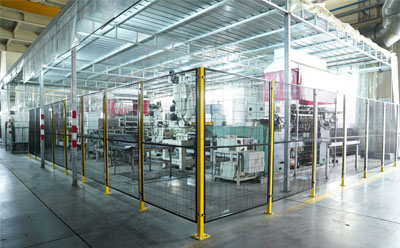
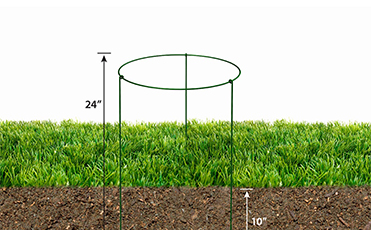
Welded mesh is also used in industrial facilities for machine guards, partitions, storage racks, baskets, screens, and security barriers. The rigid grid can be fabricated into three-dimensional structures or installed as flat panels.
For example, welded wire products can be formed into baskets and containers for industrial material handling. Wire mesh containers can provide visibility of stored products while also supporting stacking, transportation, and organized storage.
Other applications include architectural grilles, screening systems, aggregate screening, water screens, and security structures.
Choosing the right welded wire product requires more than simply selecting a mesh size. Buyers should consider the intended application, wire material, diameter, opening size, dimensions, surface treatment, installation method, and expected environmental conditions.
For general fencing and outdoor projects, galvanized steel is a common option because the zinc coating provides additional corrosion protection. Bare carbon steel may be suitable for applications where additional finishing or indoor use is expected.
Stainless steel is another option when resistance to corrosion, chemicals, or high temperatures is important. Stainless steel wire mesh is used in industries including food processing, pharmaceuticals, chemical processing, and other demanding environments.
Wire diameter should match the strength and rigidity requirements of the application. A thicker wire generally produces a heavier and more rigid mesh, while thinner wire can provide a lighter and easier-to-handle product.
For a residential garden fence, the required specification may be different from a security barrier, machine guard, or heavy-duty animal enclosure. Therefore, buyers should select wire diameter based on actual operating conditions rather than using one specification for every project.
Mesh opening affects containment, visibility, ventilation, weight, and security. Small openings can be useful for small animals, pest control, and protective applications, while larger openings can provide greater visibility and airflow.
Hardware cloth products, for example, are available in a range of square and rectangular openings for different applications.
Outdoor welded mesh should have suitable corrosion protection. Galvanizing and PVC coating are common options, while stainless steel provides inherent corrosion resistance.
For long-term outdoor projects, buyers should consider the local climate and installation environment. Coastal areas, humid locations, and industrial environments may require more corrosion-resistant materials or coatings.
The final product format should match the installation requirements. Welded mesh can be supplied in rolls for applications that require flexible installation over long distances, while rigid panels can be more convenient for fencing, partitions, cages, and machine guards.
Custom fabrication is also available for many welded mesh products. Mesh can be cut, formed, welded, or fabricated into specific dimensions depending on the supplier's capabilities.
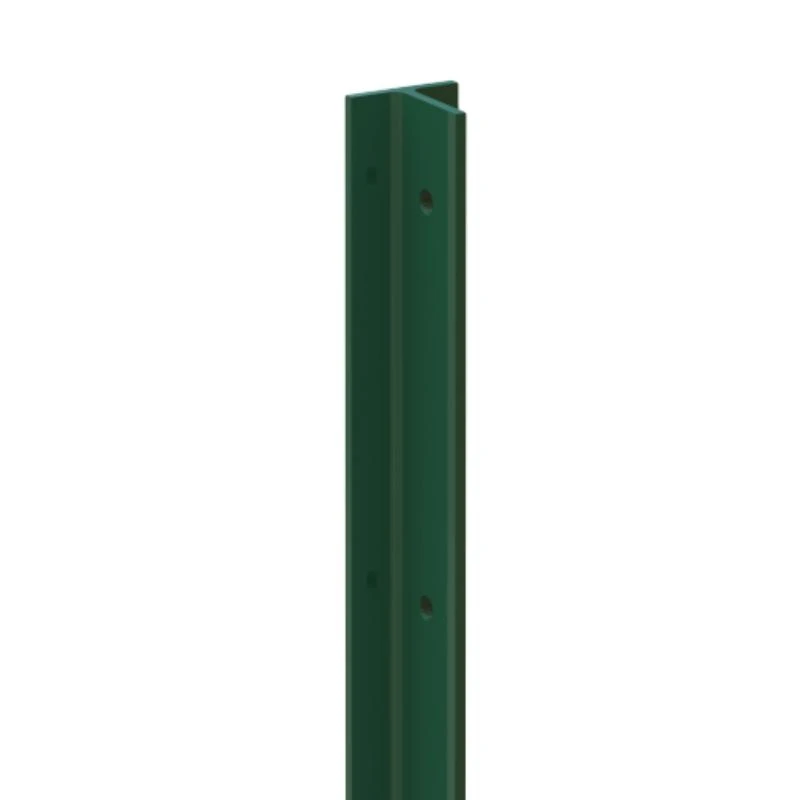
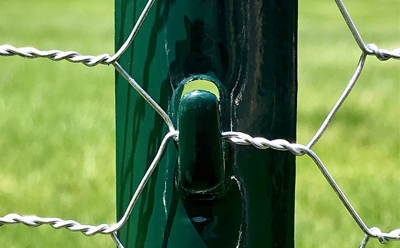
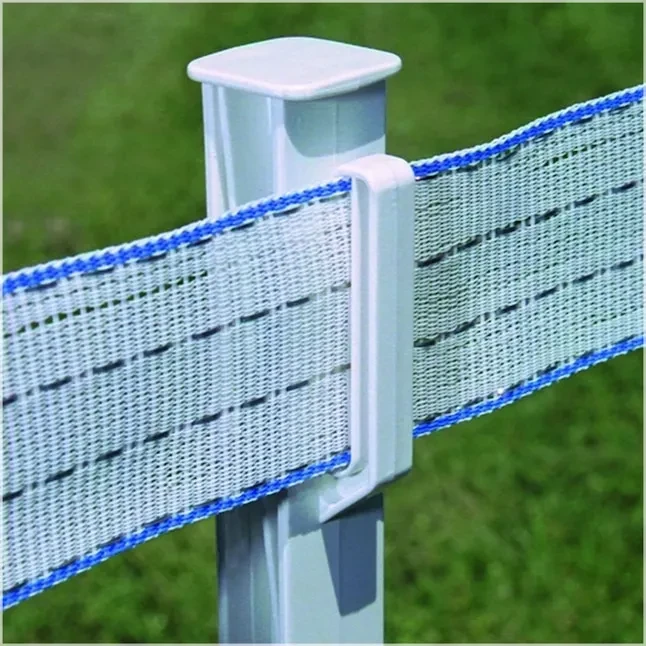
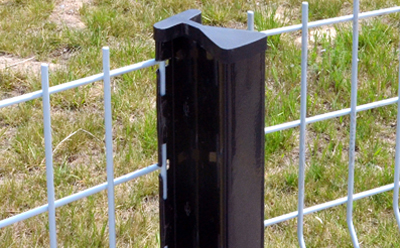
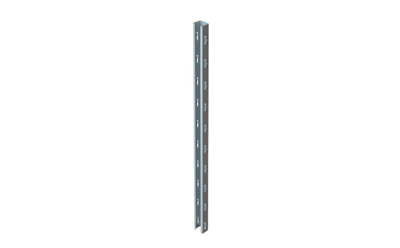
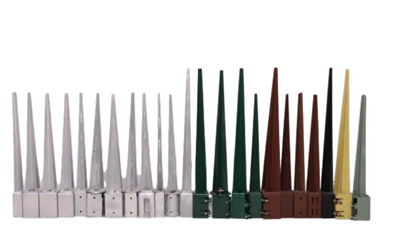
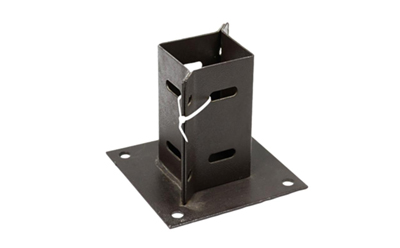
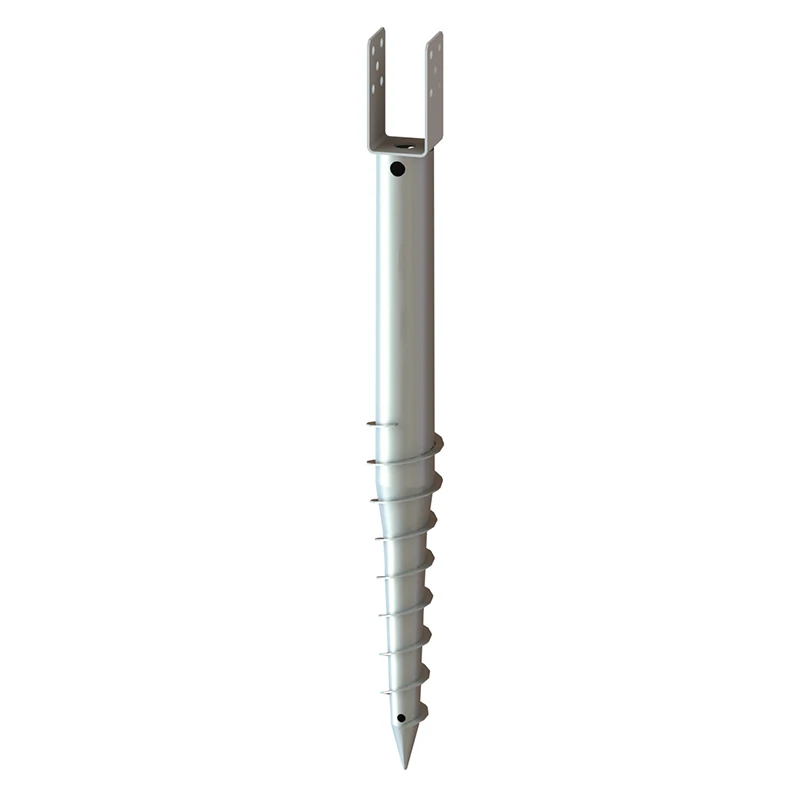
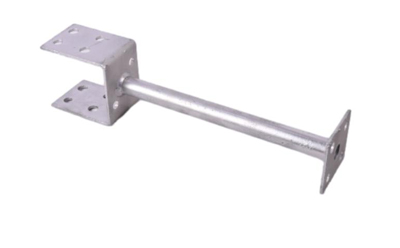
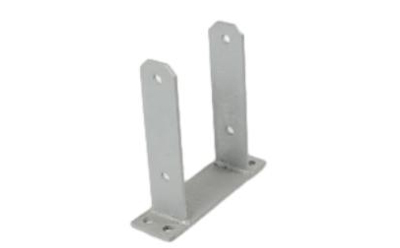
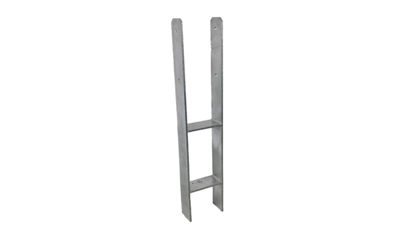
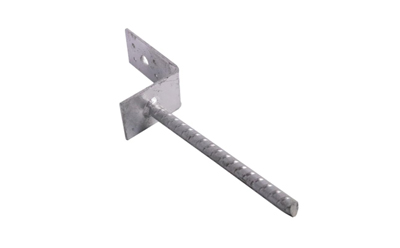
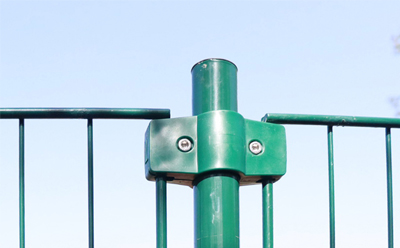
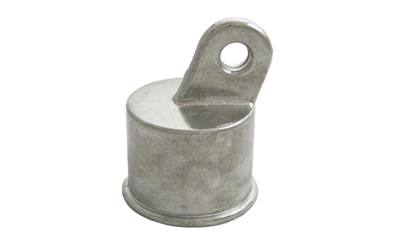
For a complete welded fence, panels need to be matched with suitable posts, brackets, clamps, gates, and other accessories. The connection method should provide sufficient stability for the expected application.
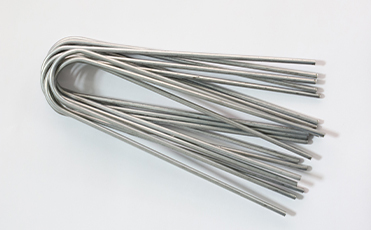
For cages and fabricated structures, edge treatment is also important. Accessories such as U-shaped edging can cover rough cut edges and create a safer and more finished appearance.
Overall, welded wire products offer a flexible solution for fencing, containment, protection, storage, and industrial applications. Whether you need welded fence mesh for a property boundary, welded fencing wire for manufacturing, welded hardware cloth for garden protection, or a welded wire cage for animal containment, the correct specification depends on the application's actual requirements.
When selecting welded wire, welded mesh fencing, or welded wire cloth, buyers should compare material, wire diameter, mesh opening, dimensions, surface treatment, fabrication method, and installation requirements. Choosing the right combination can help create a durable, practical, and cost-effective wire mesh solution for both commercial and industrial projects.



Copyright © 2026 Hebei Minmetals Co., Ltd. All Rights Reserved. Sitemap | Privacy Policy | Menu