

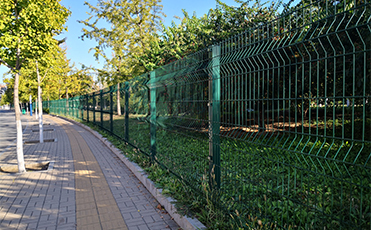
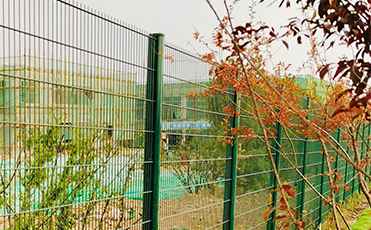
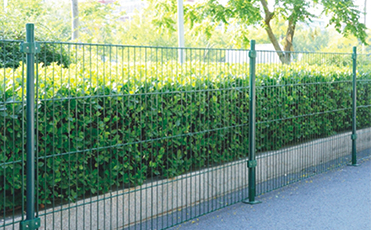
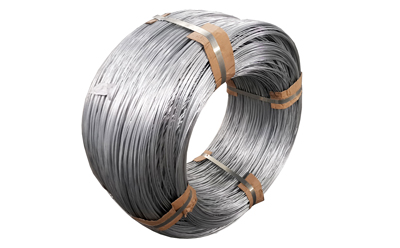
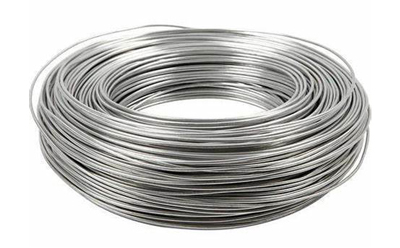
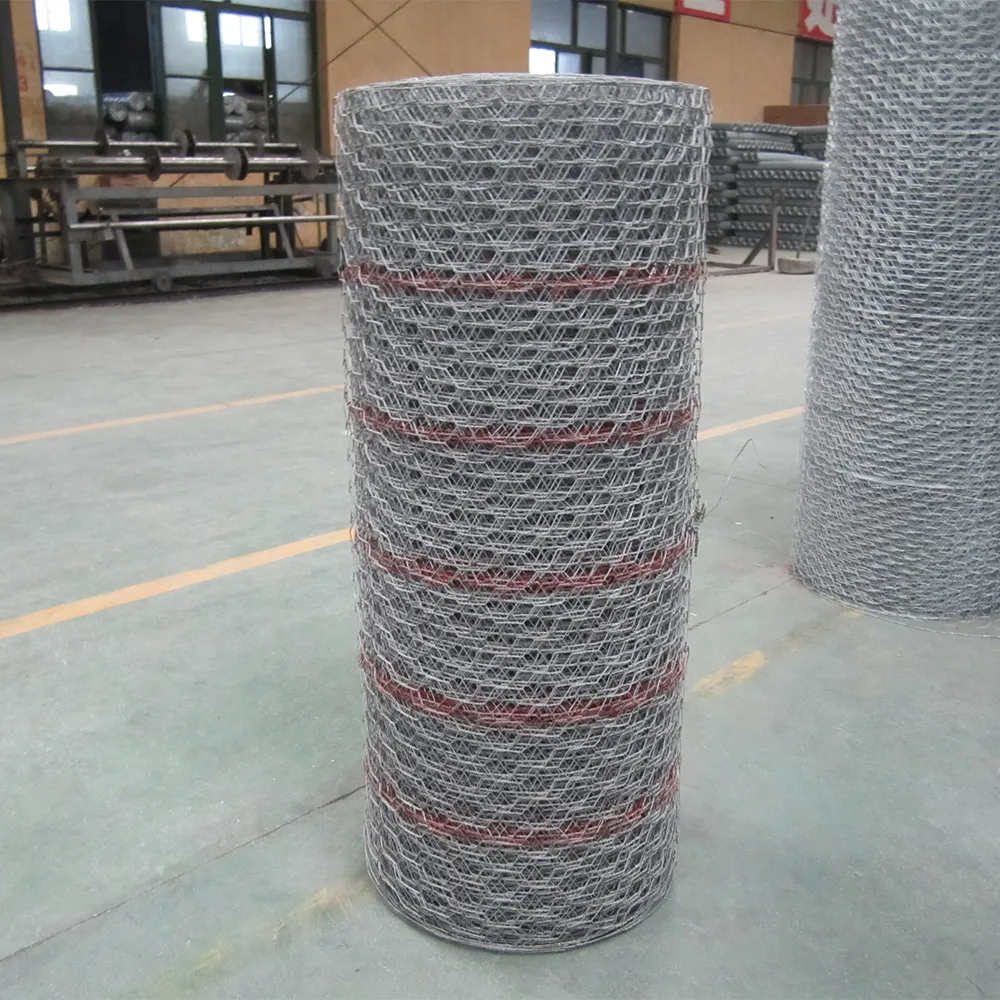













If you’re speccing pastures, orchards, or solar perimeters, the first question is usually cost per linear foot. The smarter question—what lasts. For context, here’s the Bulk Field Fence option many ranch and utility buyers ask me about lately. To be honest, the market has shifted: high‑tensile wire and zinc‑aluminum coatings are nudging out legacy light‑galvanized stock. Fewer callbacks, fewer mid‑life repairs.
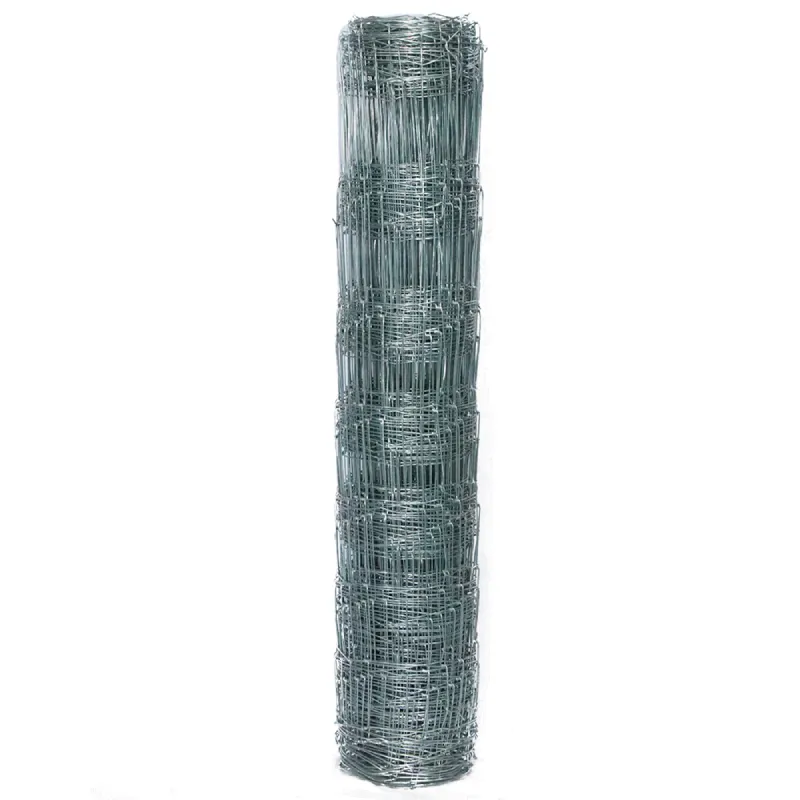
Actually, two trends stand out: fixed‑knot meshes for big animals, and Galfan (zinc‑5% aluminum) coatings for longer service life in coastal or fertilized soils. Buyers also want bulk rolls that install fast with fewer joins. Many customers say they’re done with annual patching; they want 20‑year confidence, not 5.
| Parameter | Spec (≈ / typical) |
|---|---|
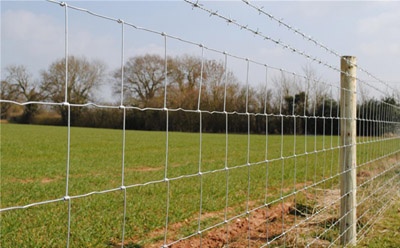
| Knot type | Hinge joint or Fixed‑knot |
| Height | 32–96 in (≈0.8–2.4 m) |
| Horizontal spacing | 3–6 in graduated |
| Top/bottom wire | 10–12.5 ga high‑tensile (≈550–850 MPa) |
| Filler wires | 12.5–14 ga |
| Coating | Galvanized Class 1 / Class 3 or Galfan (Zn‑5%Al) |
| Roll length | 330 ft (≈100 m) common; custom on request |
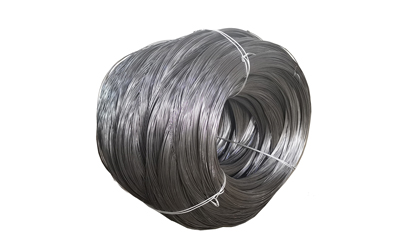
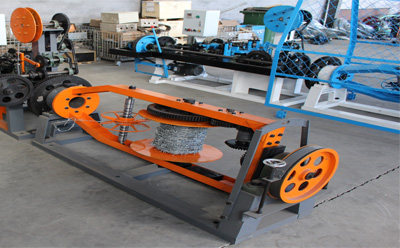
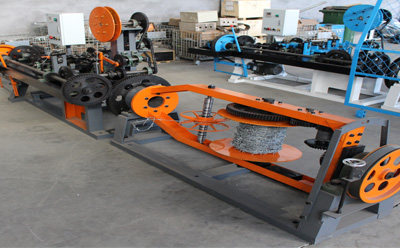
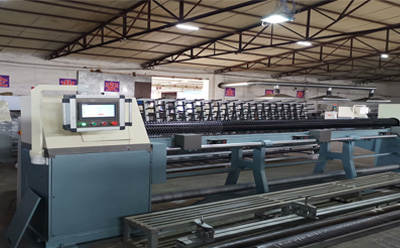
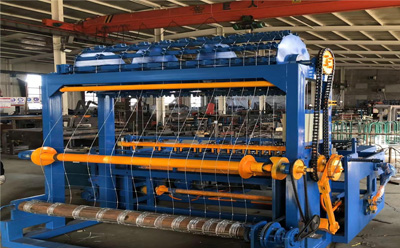
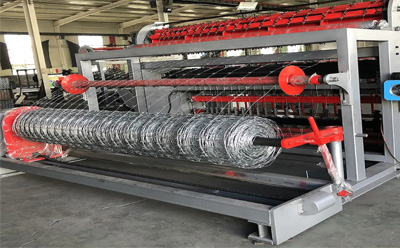
Wire rod becomes drawn high‑tensile wire, then hot‑dip galvanized to ASTM A641 (Class 3 for heavier zinc) or alloy‑coated to ASTM A856 (Galfan). Mesh is formed via hinge‑joint or fixed‑knot machines, followed by tensile, bend, and coating mass checks. Typical lab snapshots (your mileage may vary): salt spray per ASTM B117 > 500 h for Class 3; > 1,000 h for Galfan. Coating mass around 230–305 g/m² (Class 3) and 200–260 g/m² (Galfan), depending on diameter. Service life in moderate inland climates: ≈15–25 years for Class 3, ≈20–30 years for Galfan; coastal or acidic soils reduce that.
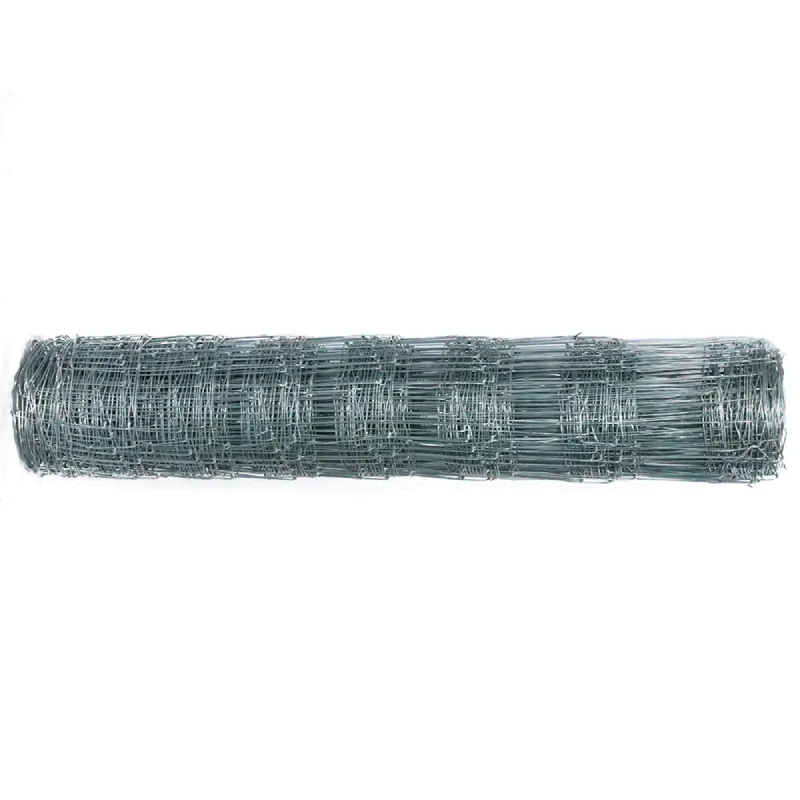
- Ranching and grazing (cattle, sheep, goats; fixed‑knot for elk/deer).
- Orchards and vineyards (grad spacing to deter boar/deer).
- Solar farms and substations (perimeter + wildlife corridors).
- Roadside and railway right‑of‑way, forestry, and conservation plots.
Advantages of Bulk Field Fence? Faster install, fewer joins, and consistent apertures. The fixed‑knot style resists animal pressure better; hinge‑joint is more forgiving on uneven ground. I guess it comes down to terrain and species pressure.
Heights up to 96 in, custom spacing maps, roll lengths, edge crimping, knot selection, wire gauges, and coating (Class 1/3 or Galfan). Private labels, palletized export packs, and QR‑coded rolls are common asks for Bulk Field Fence programs.
| Vendor | Origin | Lead time | Coating | QC/Certs |
|---|---|---|---|---|
| Hebei Metals (Field Fence) | No.337 Xinhua Road, Shijiazhuang, Hebei, China | ≈15–30 days | Class 1/3, Galfan | ISO 9001; ASTM/EN test reports |
| Domestic Mill (US/EU) | Regional | ≈7–21 days | Class 3, some Galfan | ISO 9001; local compliance |
| Trading House | Mixed | ≈20–45 days | Varies | Supplier‑provided |
- Texas ranch, fixed‑knot 48 in, Galfan: reduced calf escapes; zero breakage after a tornado season (anecdotal, but notable).
- EU orchard line, hinge‑joint Class 3: less fruit damage from deer; installers praised the roll tensioning.
- 50‑MW solar site, 72 in mixed mesh: compliance with wildlife corridor guidance and fewer panel intrusions.
Common references: ASTM A641 (galv wire), ASTM A856 (Zn‑Al), EN 10244‑2 (coating classes), ASTM B117 (salt spray). Plants typically run ISO 9001:2015. For agricultural projects, I still look at USDA NRCS Fence 382 to sanity‑check design choices. Test data should include tensile, elongation, coating mass, adhesion, and where applicable, corrosion chamber hours. Keep in mind: real‑world corrosion varies with soil pH, fertilizer, and coastal salts, so any lab figure is directionally helpful—not gospel.
References:



Copyright © 2026 Hebei Minmetals Co., Ltd. All Rights Reserved. Sitemap | Privacy Policy | Menu