























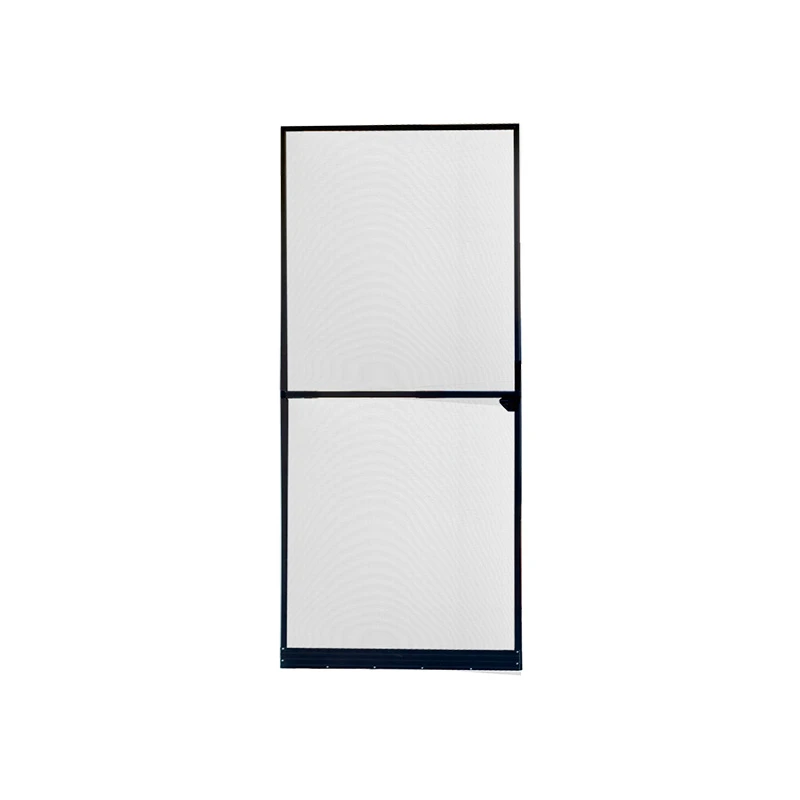
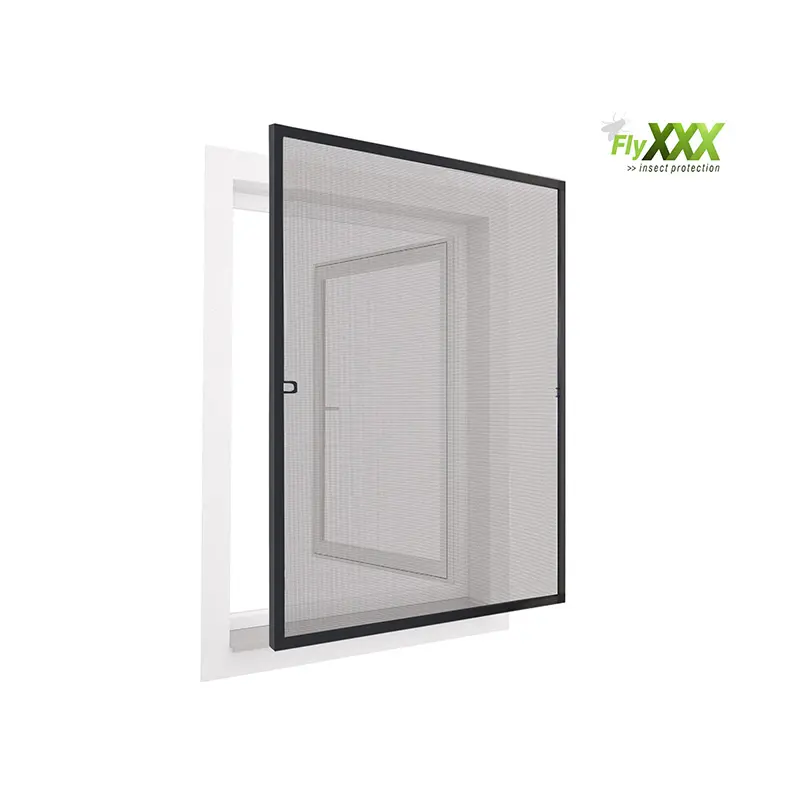
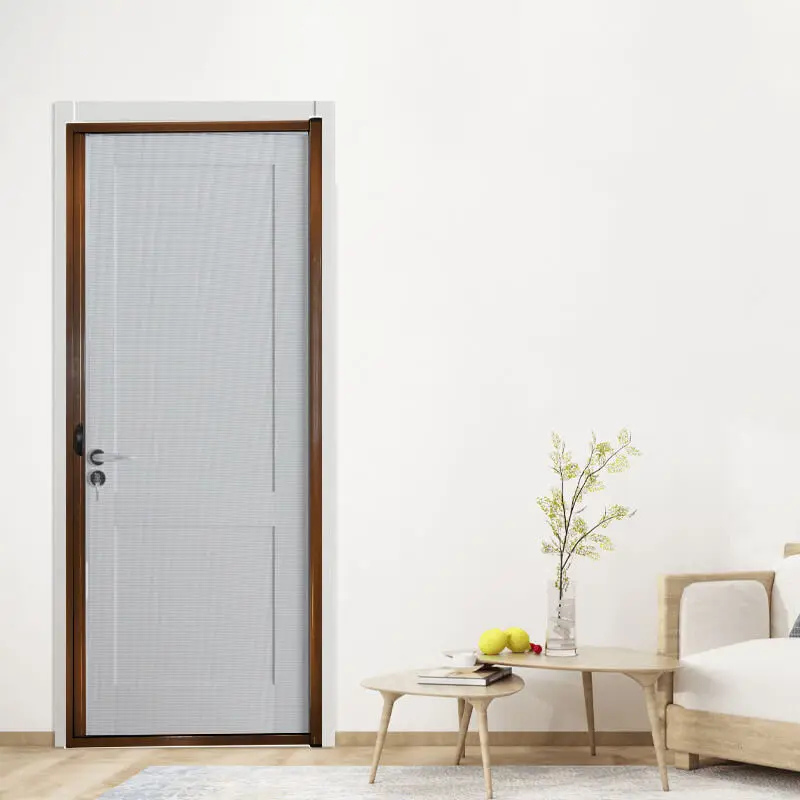
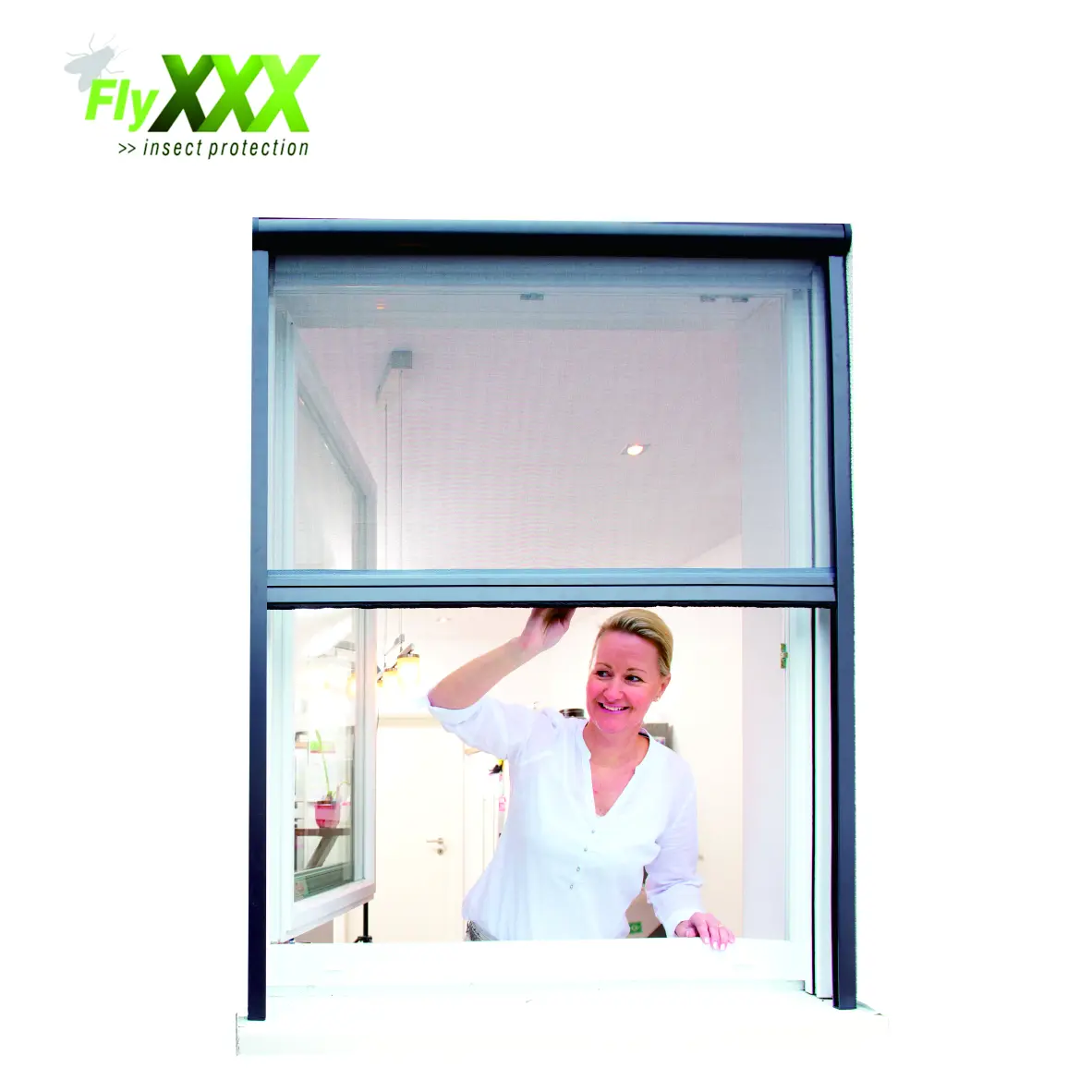



If you spend weekends chasing horizons, you already know why a car window screen can make or break the trip. Bugs out, breeze in. Simple idea, surprisingly technical in practice. I’ve toured a couple of factories in Hebei over the years, and the better RV screens look modest but hide a lot of material science.
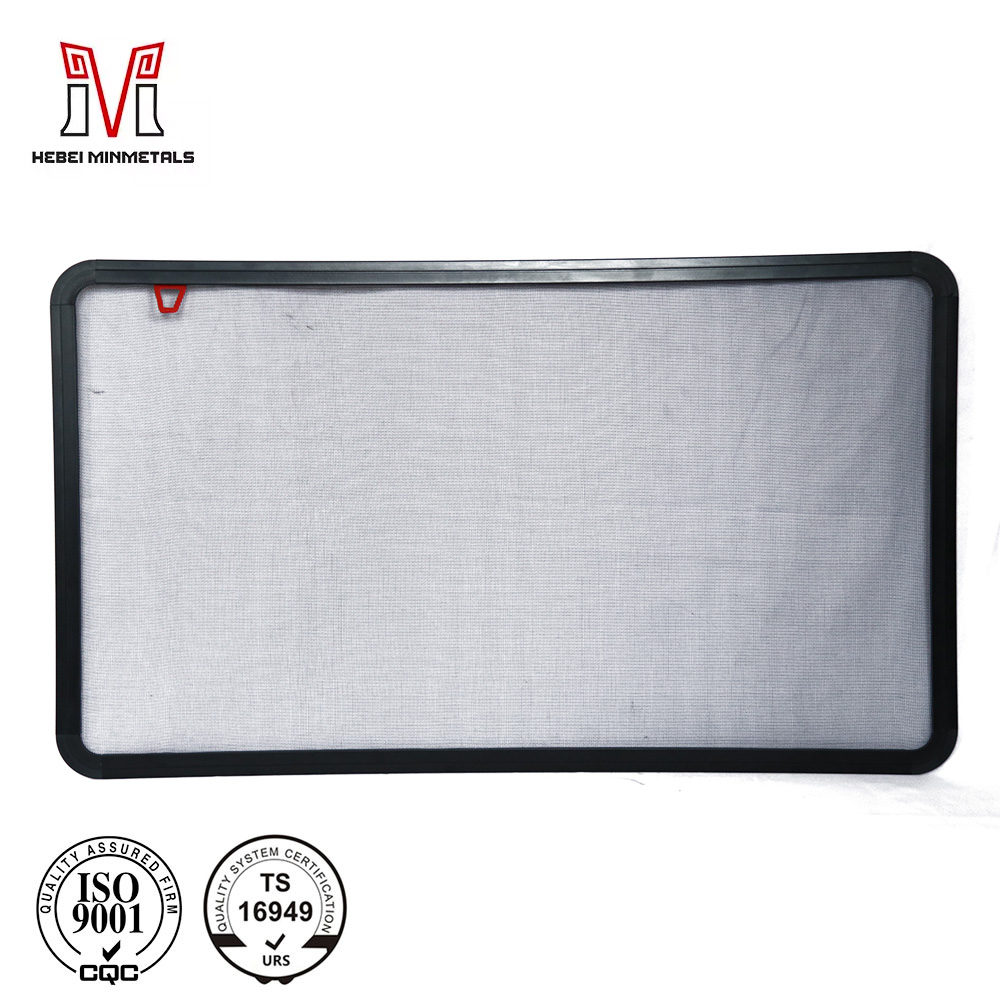
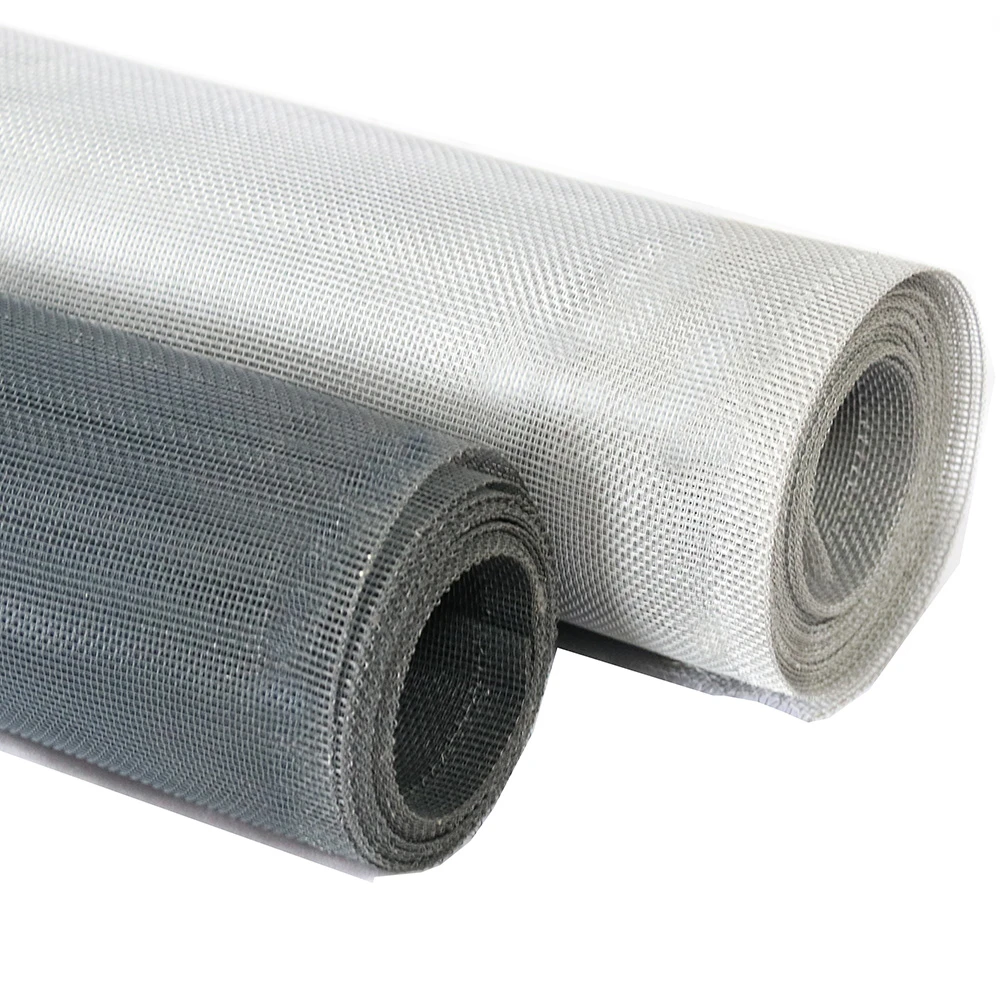
Vanlife isn’t a fad anymore; it’s a supply chain. OEMs want lighter screens with UV-stable coatings, and DIY builders keep asking for magnetic closures and quick-swap frames. Black and charcoal meshes dominate for low glare, while finer “midge” mesh pops up in Nordic markets. In fact, EV and hybrid RV upfits are nudging vendors toward non-metallic frames to reduce rattle and condensation points. Many customers say the latest fiberglass-PVC meshes feel softer yet last longer—if the coating is done right.
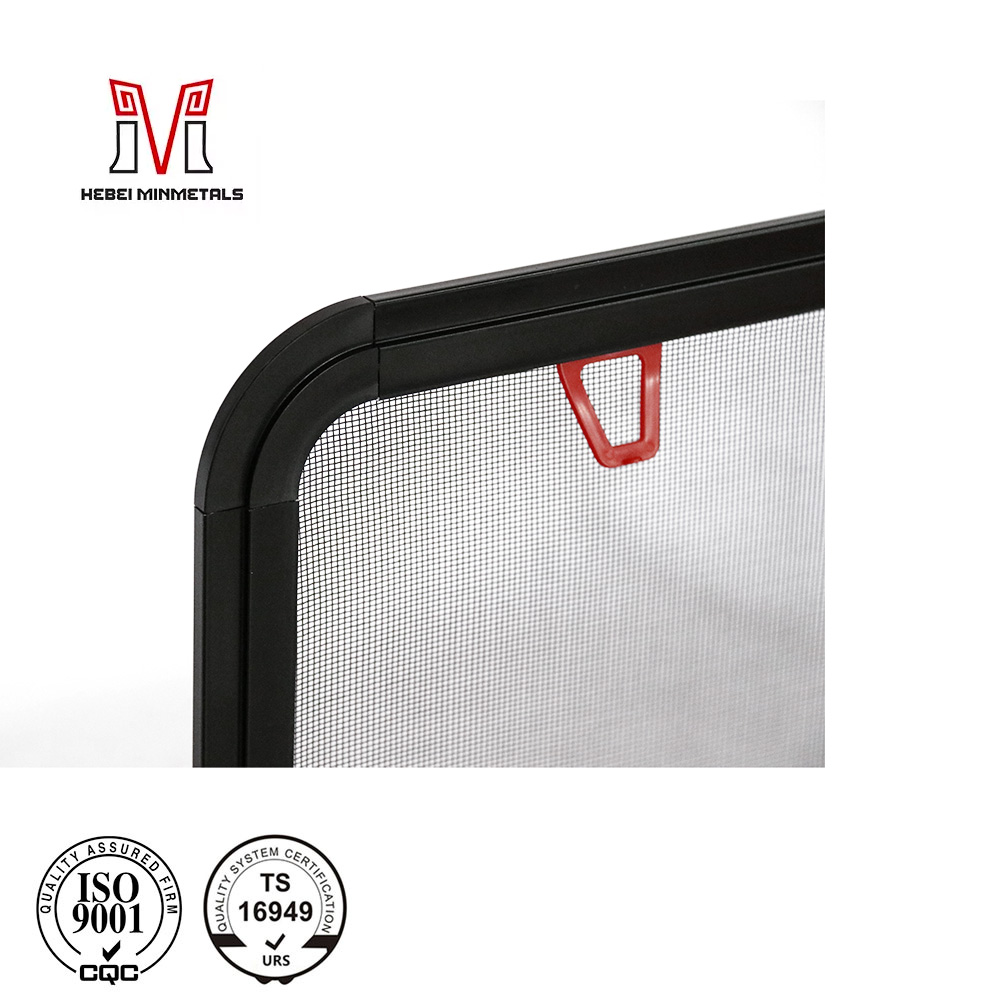
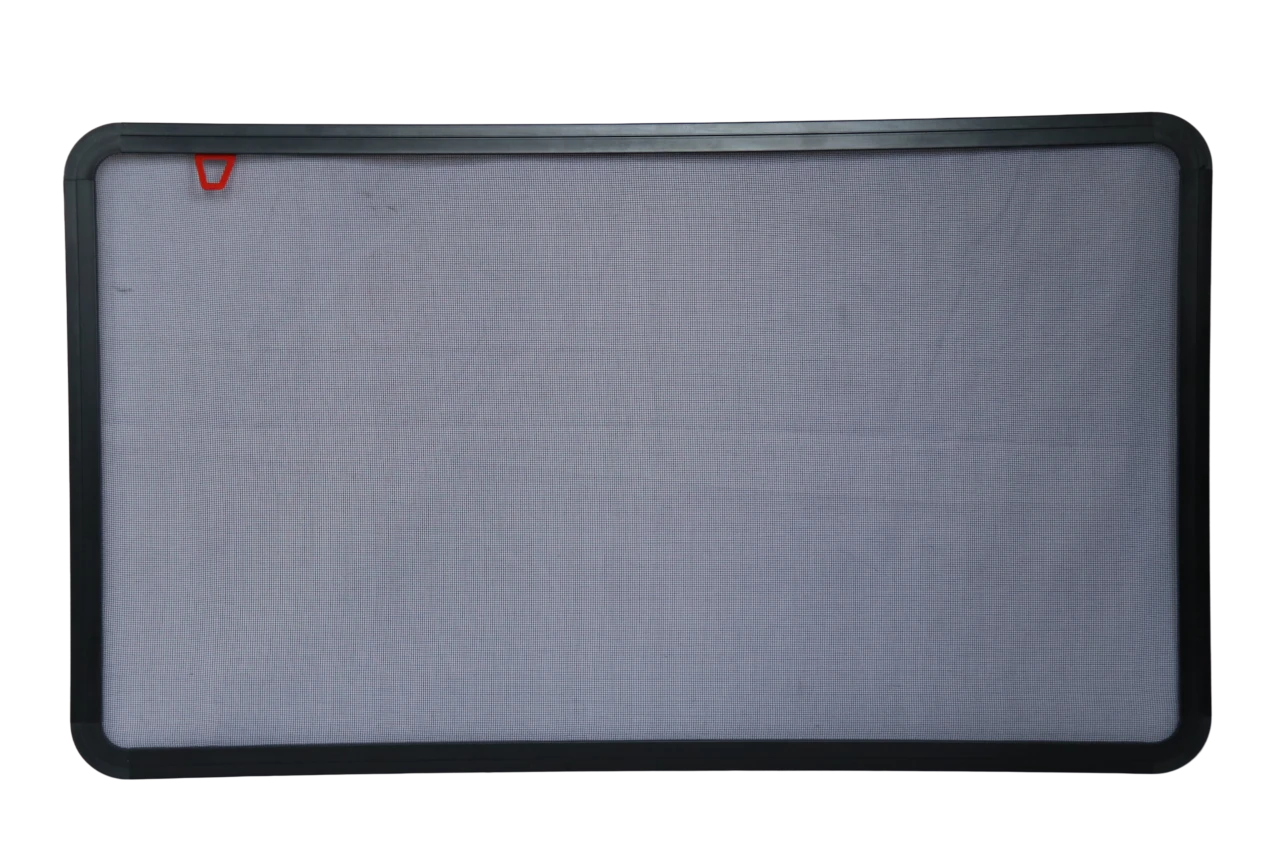
Origin: No.337 Xinhua Road, Shijiazhuang, Hebei, China. I visited that corridor once—busy, industrial, honest. The RV Windows Screen line targets RV side windows, van sliders, and marine cabin hatches. Below is a practical spec set I’d expect from a top-tier car window screen today.
| Parameter | Typical Value (≈ / around / real-world may vary) |
|---|---|
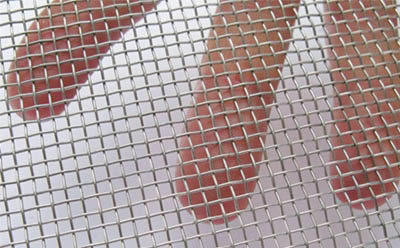
| Mesh count | 18×16 (coastal option: 20×20 fine-mesh) |
| Material | Fiberglass yarn with PVC coating; optional 5052 aluminum screen |
| Wire/Yarn dia | ≈ 0.28–0.30 mm (FG); ≈ 0.23 mm (Al) |
| Open area | ≈ 60–65% |
| UV stability | ASTM G154 / ISO 4892 exposure: ≥ 85% tensile retention @ 500 h |
| Corrosion (Al) | ASTM B117: 240 h salt spray, no red rust observed |
| Frame/closure | Aluminum, uPVC, or TPE magnetic; sliders/hinged |
| Service life | ≈ 3–5 years outdoors; 10k–20k open/close cycles |
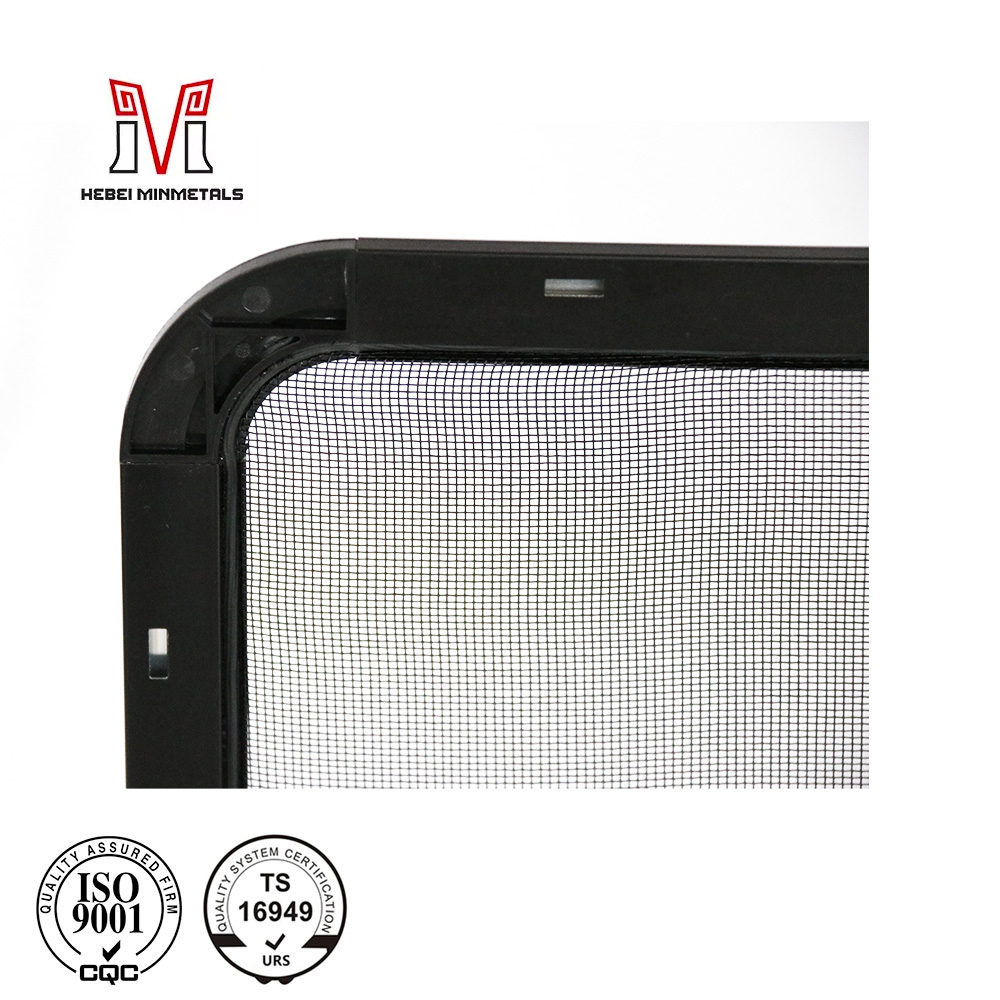
RVs and camper vans, pickup canopies, expedition trailers, marine cabins, off-grid tiny homes—anywhere you want air without the bites. In warm, buggy regions, a finer car window screen (20×20) can be worth it. In dusty deserts, some builders pair screens with snap-on filters for PM control—clever, if a tad fiddly.
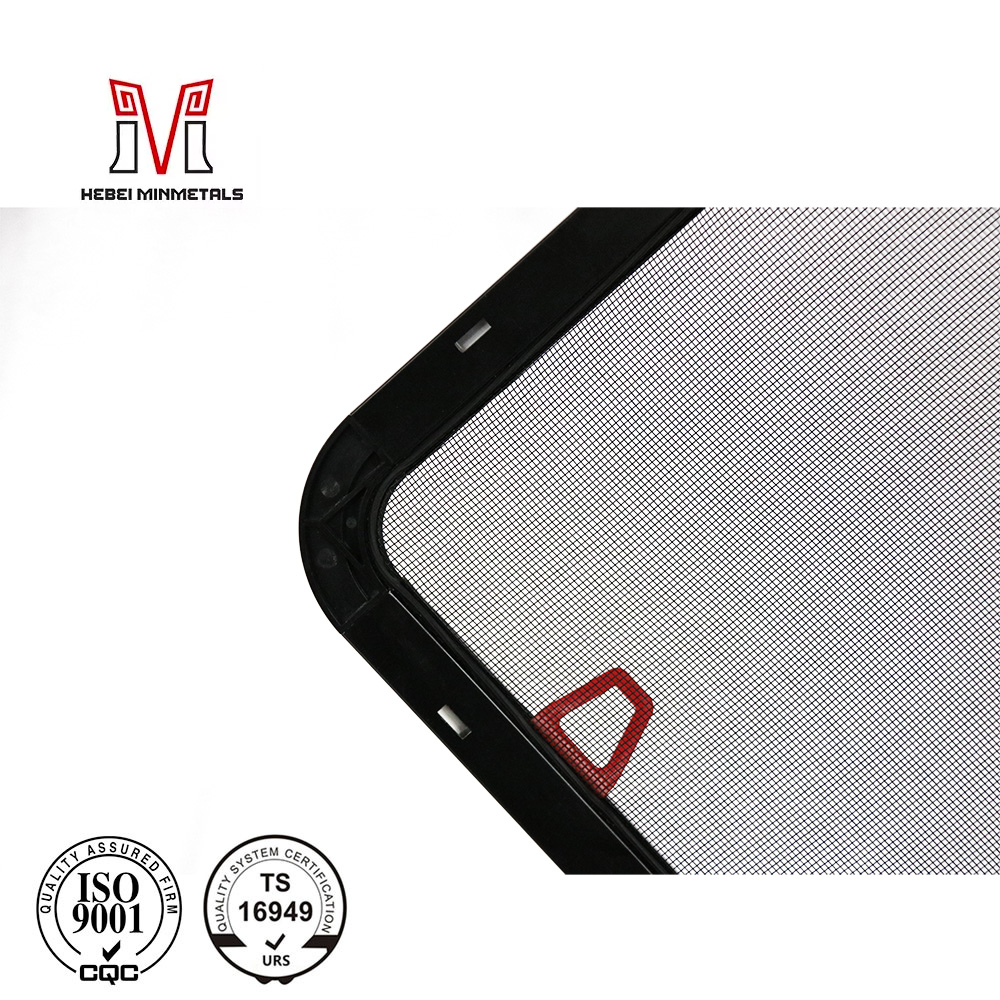
| Vendor | MOQ | Lead Time | Customization | Certs |
|---|---|---|---|---|
| Hebei Metals (RV Windows Screen) | ≈ 100 sets | 15–25 days | Mesh, frame, color, magnets, odd sizes | RoHS, REACH; FMVSS 302 (where applicable) |
| Vendor A (EU) | ≈ 50 sets | 20–30 days | Color, basic sizes | REACH, ISO 9001 |
| Vendor B (US) | ≈ 200 sets | 10–20 days | Premium frames, quick-ship SKUs | RoHS, FMVSS 302 data |
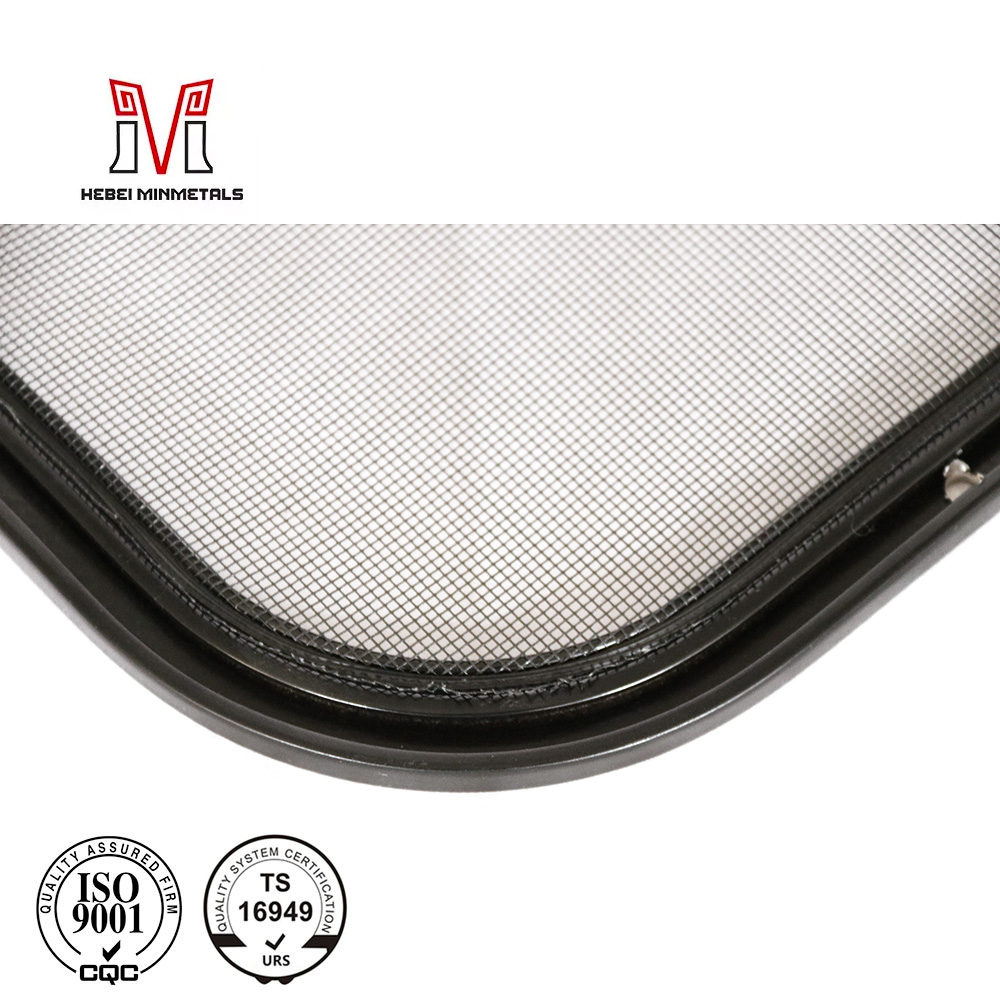
One rental fleet in Arizona logged 10,000+ open/close cycles—no fray, minor fading only. Another customer in Scotland reported far fewer “no-see-um” bites after switching to fine mesh. Honestly, install quality matters; a great car window screen can underperform if the frame isn’t square or the spline is over-tensioned.
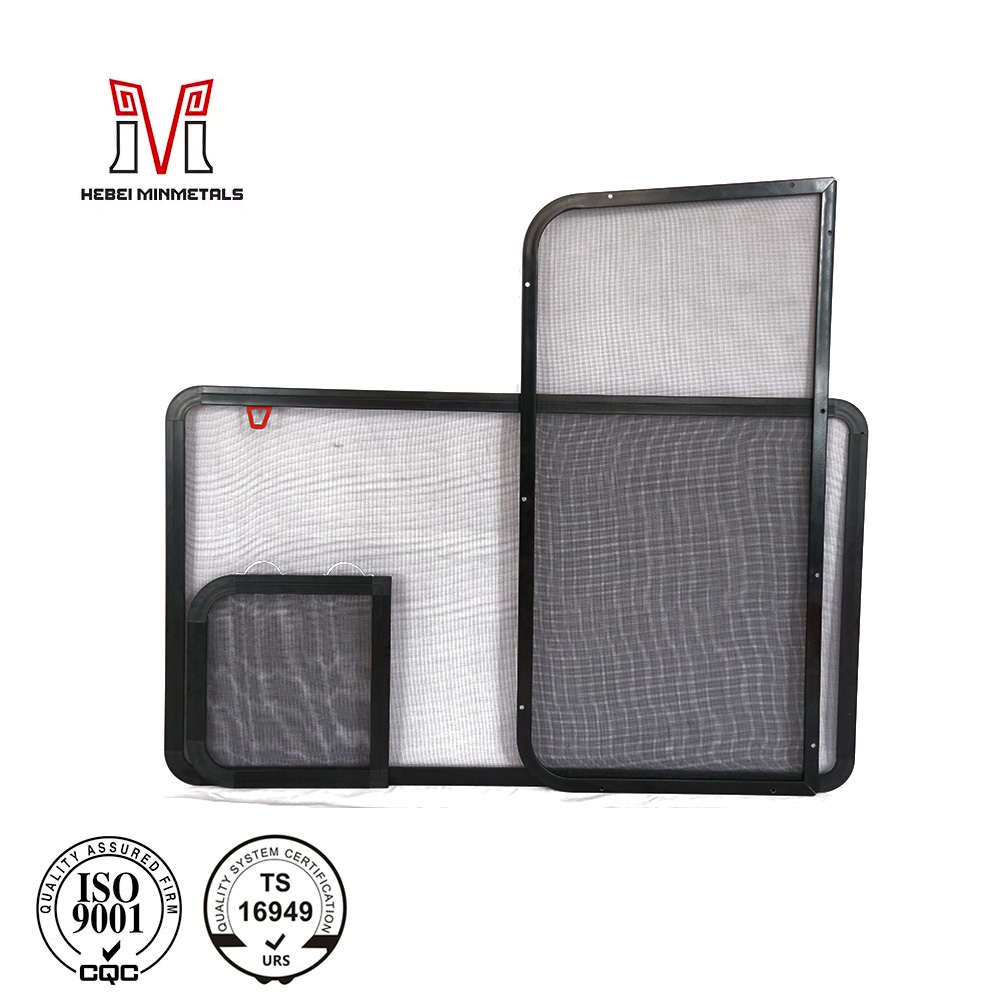
Rinse dust with low-pressure water, mild soap, soft brush. Avoid harsh solvents. For aluminum mesh in coastal vans, a fresh-water rinse after salty trips helps. Expect 3–5 years of service for a frequently used car window screen, more if garaged.



Copyright © 2026 Hebei Minmetals Co., Ltd. All Rights Reserved. Sitemap | Privacy Policy | Menu