















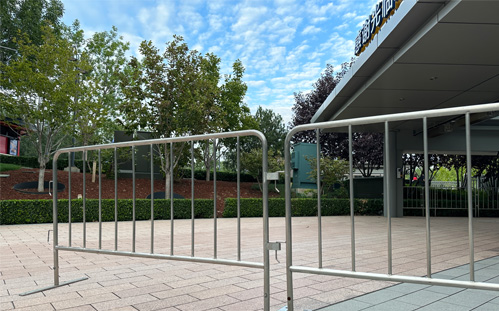

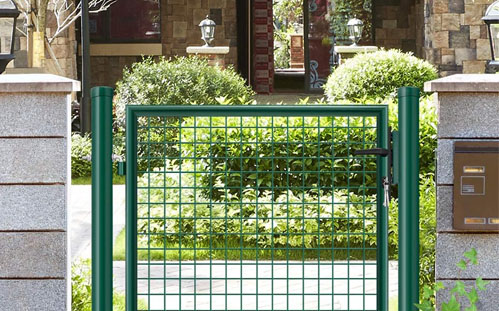
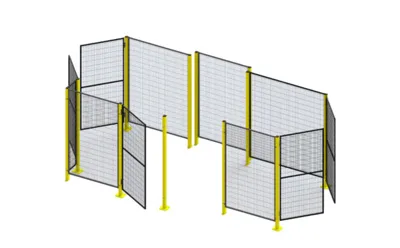
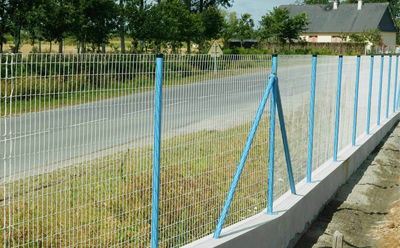
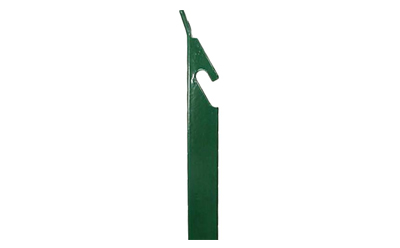
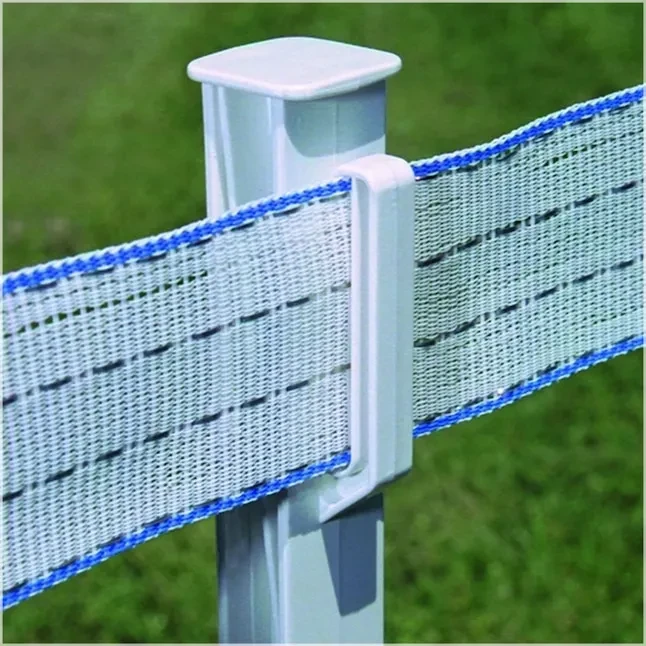
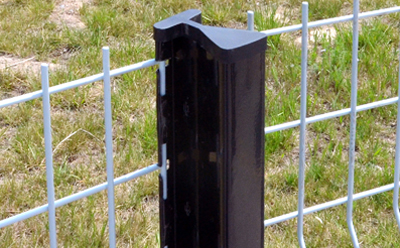
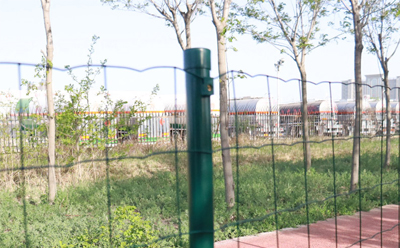
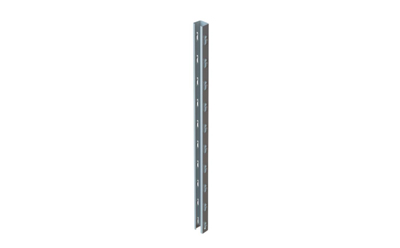
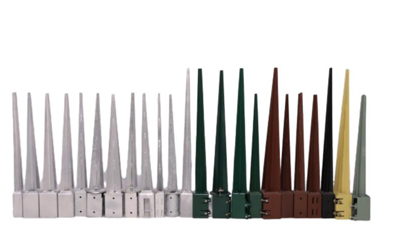
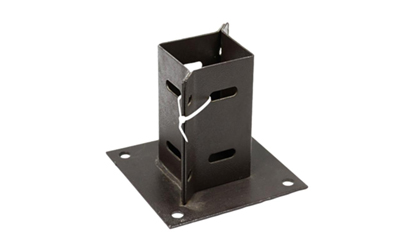
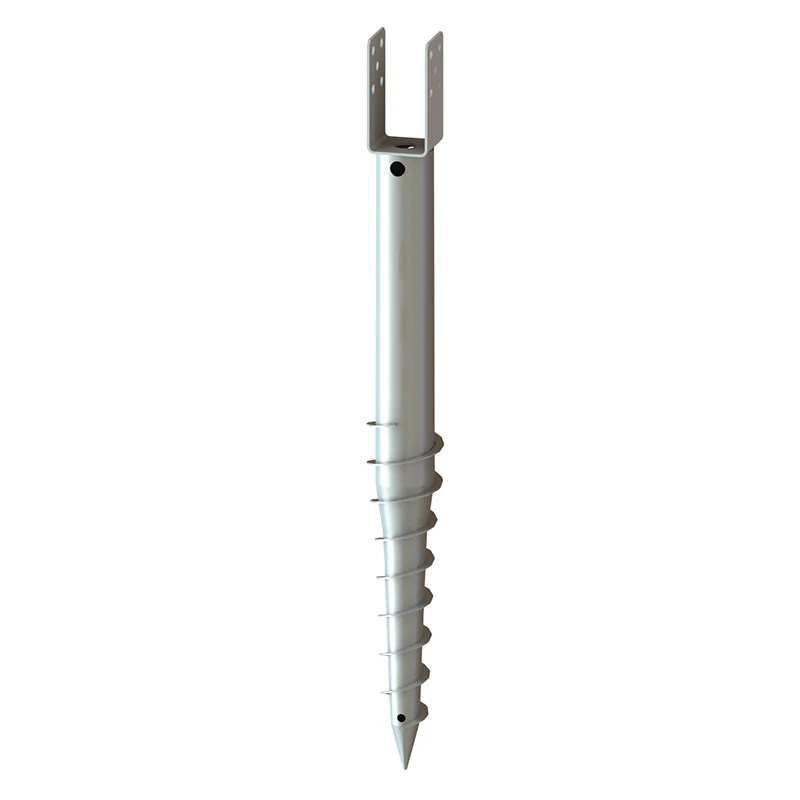
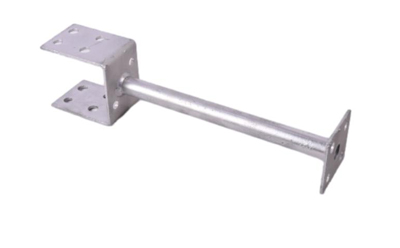
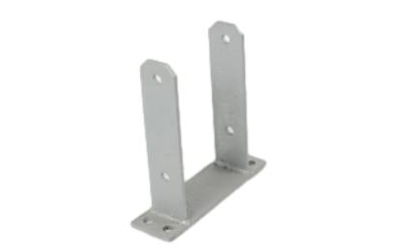
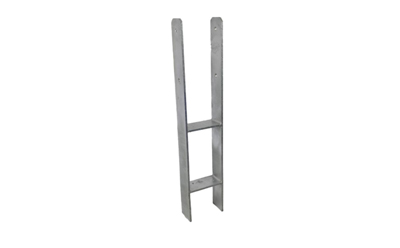
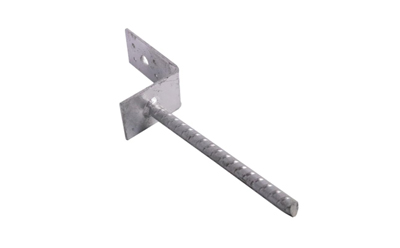
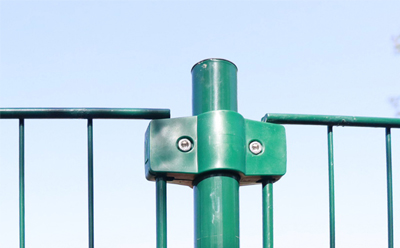
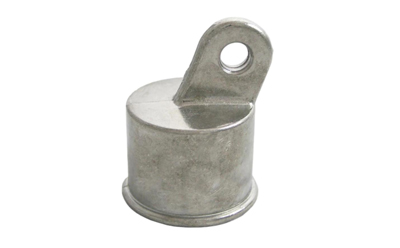
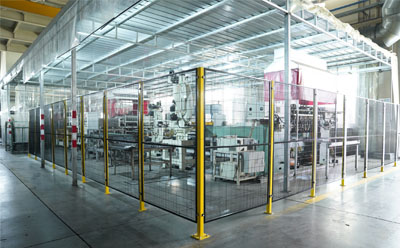
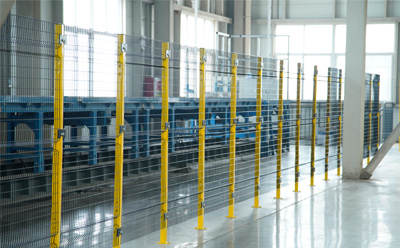














































If you’ve ever marveled at the steady strength of a fence, the sturdy frame of a warehouse, or that industrial-looking lamppost down the street, there’s a decent chance a 4x4 metal post is holding it all in place. Knowing the 4x4 metal post cost is more than just a budgeting exercise — it reveals how economies manage infrastructure, durability, and long-term planning worldwide. From rural farms to bustling urban centers, these metal posts form a backbone that’s as functional as it is economic.
When you think globally, the cost of a 4x4 metal post is a surprisingly telling economic indicator. The annual global steel production, estimated at over 1.8 billion metric tons by the World Steel Association, shows how demand feeds into construction, manufacturing, and even humanitarian projects. But the cost isn’t just about the raw metal: international tariffs, raw material supply chains, and regional labor conditions all play parts in the price tag you see on that iconic post.
This is especially crucial in regions where infrastructure investment is booming — like Southeast Asia or parts of Africa. Planners often weigh “should we spend $50 per post or $100?” because it cascades into everything from everyday safety to large-scale urban development. The challenge? Balancing durability against budget constraints, often under rapidly changing market conditions.
The price of a 4x4 metal post reflects not just materials, but the complex dance of global industries. Understanding these factors helps cut through the noise when planning your next project.
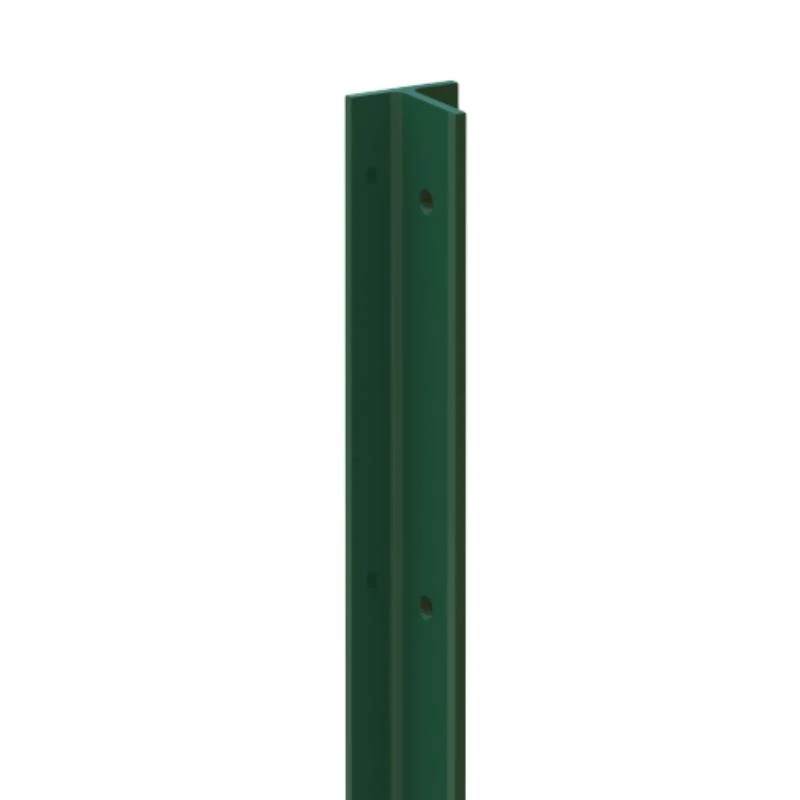
Simply put, the 4x4 metal post cost is the price associated with procuring a metal post that measures roughly 4 inches by 4 inches in cross-section. These posts — often made of steel or galvanized iron — are standard in fencing, structural supports, signage, and more. The "cost" typically includes the raw material, fabrication, surface treatment (like galvanization or powder coating), and shipping.
These posts are a staple in modern industries for their balance of strength, cost-efficiency, and ease of installation. Humanitarian groups also rely on them, especially in disaster zones, for quickly erected shelters or fencing to reestablish boundaries and protect resources.
Steel grades vary, and higher quality or corrosion-resistant coatings naturally nudge costs upward. For coastal projects, galvanizing metal posts adds outdoor durability, which addresses corrosion concerns but increases the upfront expense.
Longer or thicker posts weigh more and require more material, raising the price. It's common to see posts from 6 feet to 12 feet, each step adding cost in a mostly linear fashion.
Depending on where the posts are made, local labor rates and factory automation levels influence pricing. A post fabricated in a highly automated plant might be competitively priced even with higher raw material costs.
Metal posts aren’t light, so getting them from factory to site adds freight and insurance fees. Remote regions often pay premiums, which makes sourcing local materials highly desirable.
Iron ore and steel prices tend to fluctuate with political or economic tides. When demand spikes, raw material cost surges and so does the final 4x4 metal post cost.
| Specification | Typical Range | Unit |
|---|---|---|
| Cross Section | 4 x 4 | inches |
| Length | 6 - 12 | feet |
| Material Grade | ASTM A36, A572 | - |
| Surface Treatment | Galvanized, Powder Coated | - |
| Weight | 15 - 30 | kg per post |
| Typical Cost | $35 - $120 | USD |
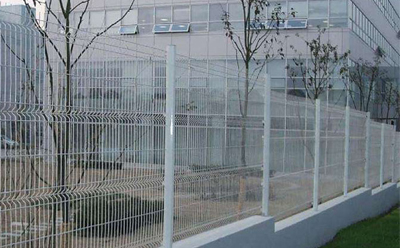
It’s not just farms or suburban homes: the use cases can be surprisingly varied. In East Africa, NGOs use 4x4 metal posts to erect fencing that protects agricultural plots from livestock and wildlife, a simple but crucial protection for livelihoods. In hurricane-prone zones like the Gulf Coast of the U.S., posts are part of resilient architectures to withstand violent storms and flooding. And in industrial hubs, they’re key anchors for safety railings, signage, and temporary barriers during construction.
Even in cold climates like Scandinavia, galvanized 4x4 posts resist rust and endure harsher environments, ensuring long-term investments hold up. The metal post is, frankly, a humble hero in infrastructure — quietly keeping communities safe and functioning.
From charity projects to industrial zones, the versatility and cost of metal posts mean they’re almost everywhere—but each context demands different considerations in price and specs.
Smart coatings that self-heal small scratches, embedded sensors that track structural fatigue, and greener production lines reducing carbon footprint have all turned from sci-fi ideas to near-reality in metal post manufacturing. Some startups are even exploring composite-metal hybrids that may cut weight and cost further.
Meanwhile, digital supply chain tools improve forecasting and inventory management, minimizing waste and unexpected price spikes. It’s oddly exciting, once you look past the raw steel, how much tech is streaming into this seemingly simple product.
High raw material costs, long lead times in offshore manufacturing, and inconsistent quality control remain hurdles. Oddly enough, if you want a certified galvanized post manufactured in certain countries, wait times can stretch beyond what project managers are comfortable with.
Experts suggest diversifying suppliers, investing in more automation, and pushing for transparent pricing models — which together might break the cycle of unpredictability.
Most standard galvanized 4x4 metal posts range from $30 to $70 depending on length and coating. Bulk orders often lower per-unit costs.
Wood or composite posts are alternatives but tend to have shorter lifespans or require more maintenance; metal posts generally offer the best long-term value.
Yes, custom lengths, gauges, and coatings are common, especially for sectors like oil & gas or construction where specs vary drastically.
Especially for remote sites, freight can add 15% to 30% onto the product cost, sometimes making local sourcing preferable.
Manufacturers with transparent pricing and clear certifications are key. Checking platforms like 4x4 metal post cost listings can provide starting points.
| Vendor | Price per Post (USD) | Lead Time | Quality Certification | Surface Treatment Options |
|---|---|---|---|---|
| Hebe Metals | $40 - $60 | 2-3 weeks | ISO 9001, ASTM | Galvanized, Powder Coated |
| SteelWorks Inc. | $55 - $80 | 3-5 weeks | ASTM | Galvanized Only |
| GlobalMetal Supply | $35 - $70 | 4-6 weeks | ISO 14001 | Powder Coated, Custom Colors |
At first glance, a metal post might seem like just a simple piece of steel. But dig a little deeper and you see it’s an intersection of economies, engineering, and real-world necessity. Knowing the 4x4 metal post cost means not only budgeting smartly but understanding supply chains, environmental impact, and how small decisions echo across entire projects and communities.
If you’re planning construction or procurement, I’d suggest starting with transparent, trusted suppliers — and yes, visit 4x4 metal post cost for more detailed info and quotes. It feels like a small part, but it’s the quiet ultimate foundation for so many things.



Copyright © 2026 Hebei Minmetals Co., Ltd. All Rights Reserved. Sitemap | Privacy Policy | Menu