

























In a world increasingly dependent on versatile construction materials, the humble 65x65 post might not grab headlines, yet it quietly supports countless projects — from large industrial warehouses to small fencing jobs. Why does it matter? Understanding the applications and advantages of this structural element connects to broader themes in sustainability, supply chain efficiency, and engineering resilience. Whether you’re a planner in emerging markets or a developer in urban sprawls, truly knowing the capabilities of 65x65 posts can make a subtle but lasting difference.
Steel consumption worldwide has hovered at nearly 2 billion metric tons annually according to the World Steel Association (2023), and within that vast number, standardized steel sections like the 65x65 post hold a critical niche. The ISO standards emphasize consistent dimensions and load capacities to ensure safety and interoperability in international projects. In disaster-prone regions where fast rebuilding is essential, the demand for modular, easy-to-install posts — including 65x65 posts — has surged.
The challenge today? That much-needed speed and reliability often get tangled with cost pressures. How do builders confidently choose structural posts balancing price, durability, and environmental impact? This question often brings the 65x65 post into sharp focus.
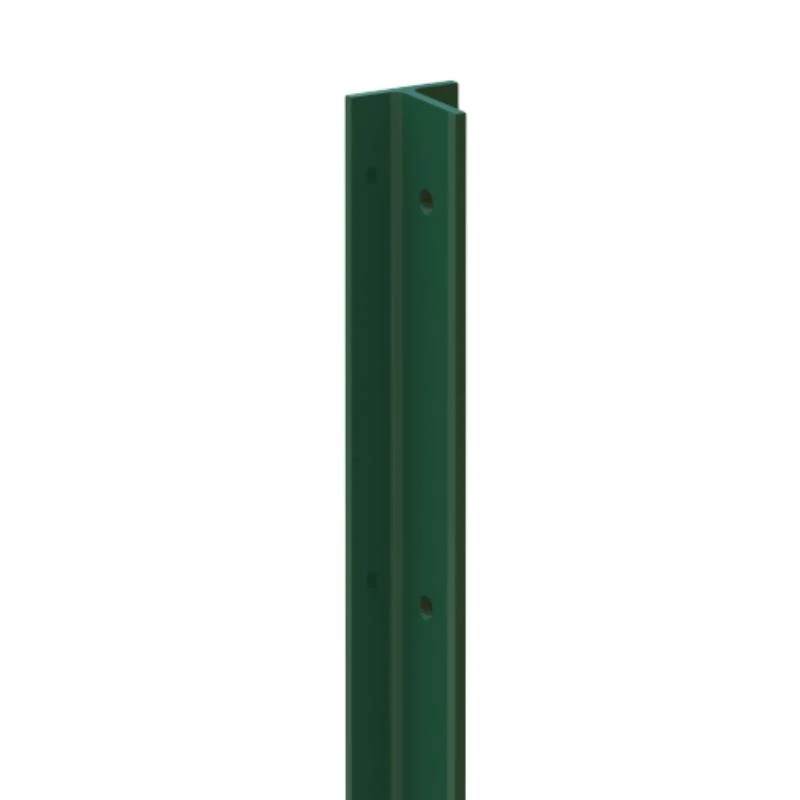
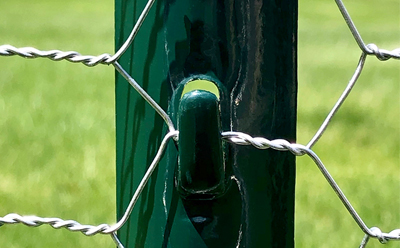
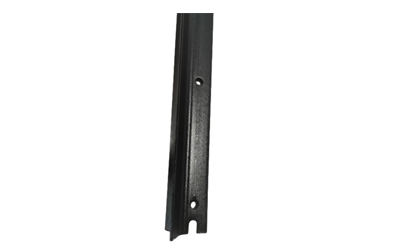
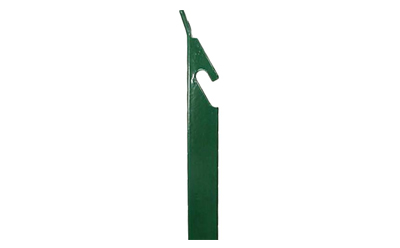
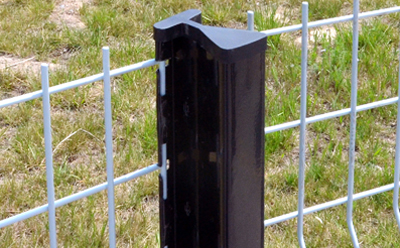
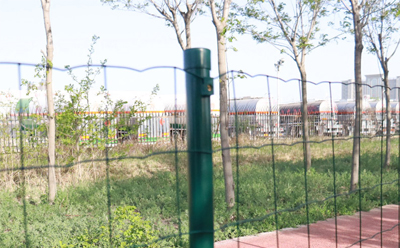
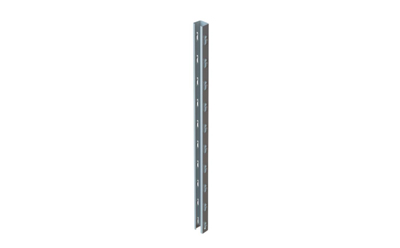
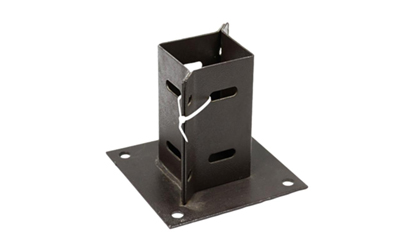
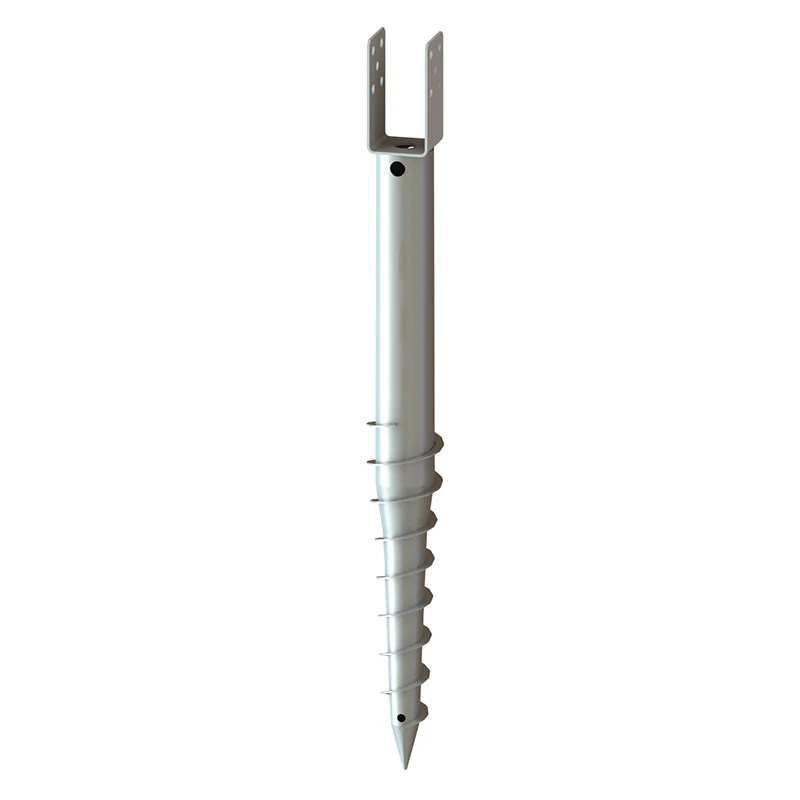
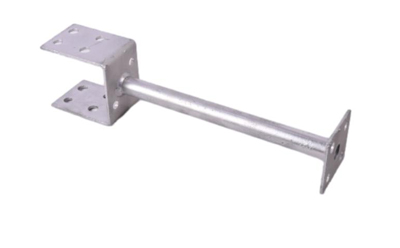
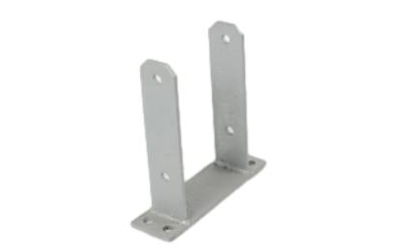
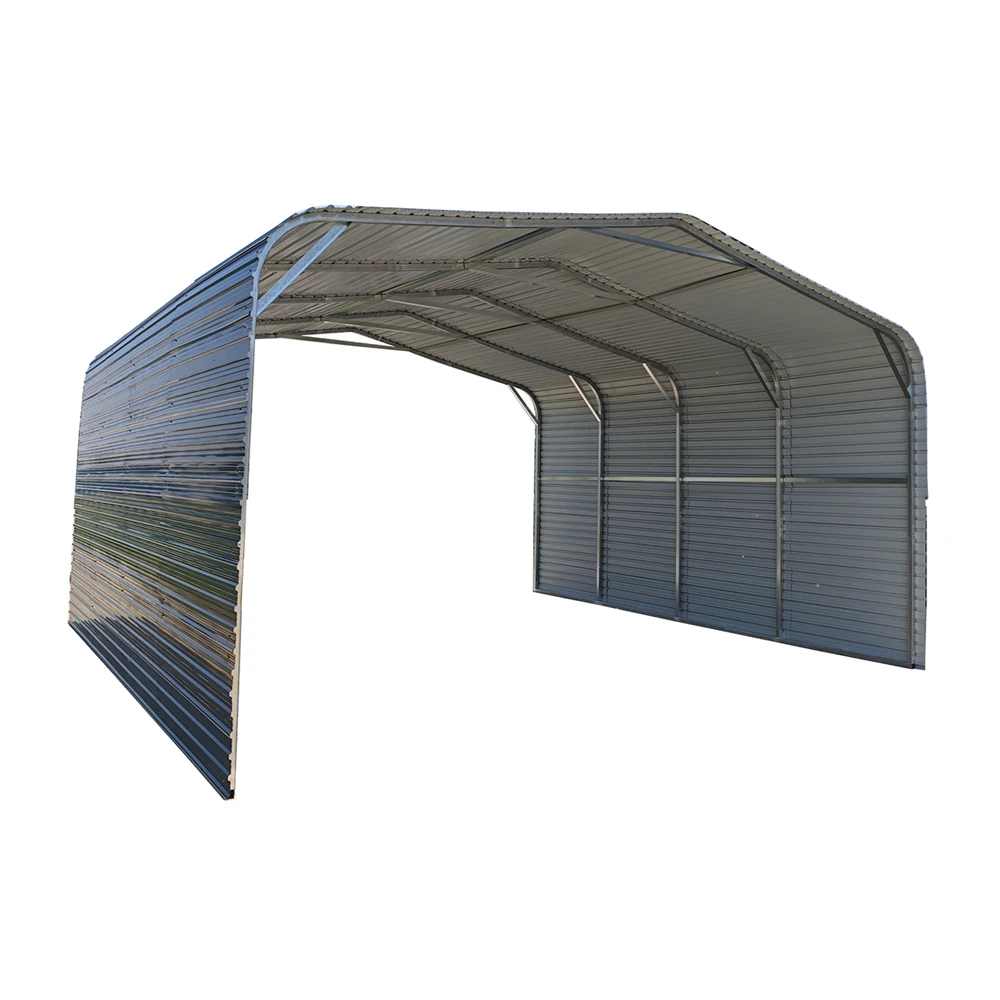
Simply put, a 65x65 post is a steel structural square tube measuring roughly 65 millimeters by 65 millimeters in cross-section. Its hollow nature allows an excellent strength-to-weight ratio, making it a favorite for many framing projects. Often made from mild steel or galvanized steel, this post is designed for versatility — from fencing frames and support columns to frameworks for agricultural or industrial buildings.
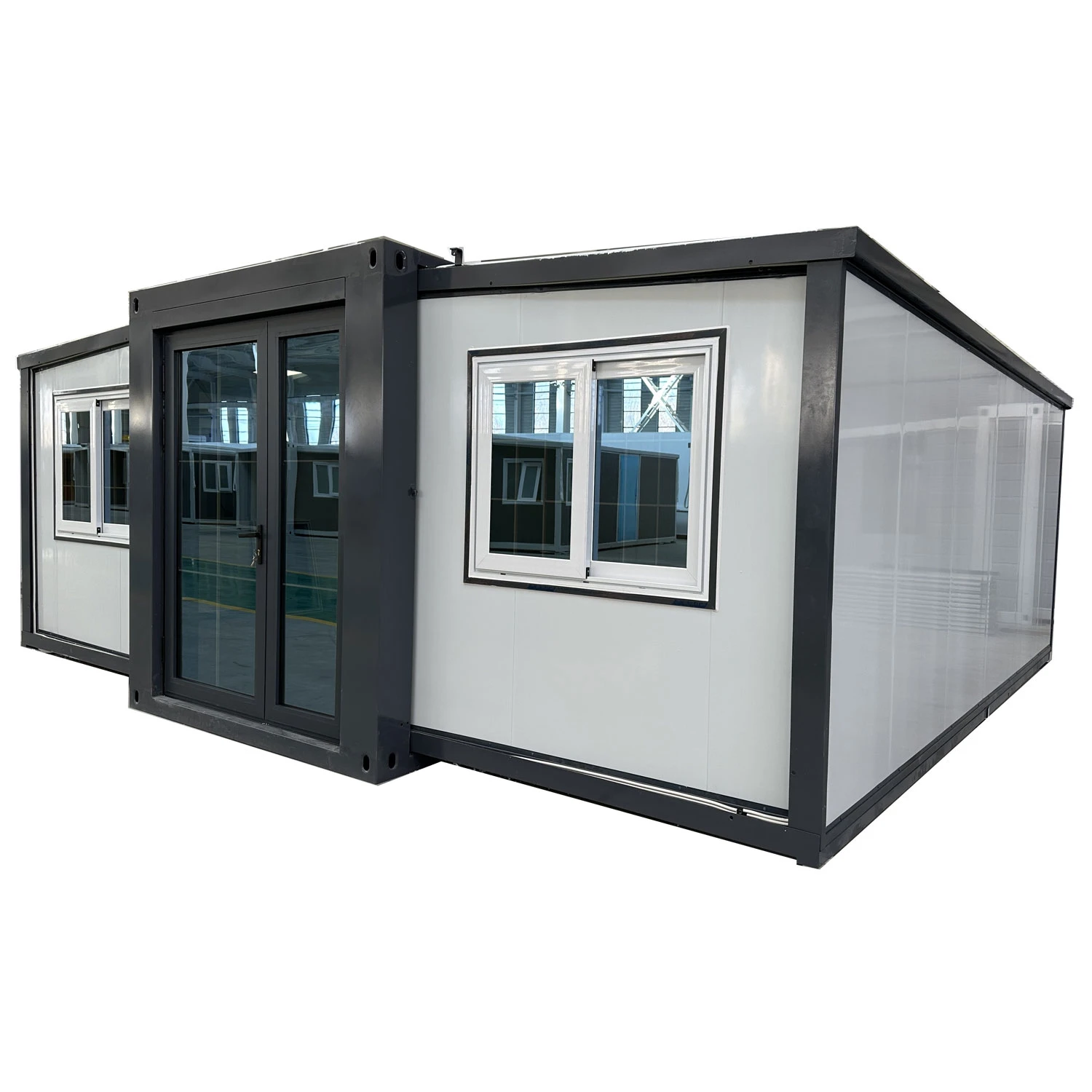
In humanitarian contexts, lightweight but strong posts like the 65x65 variety serve as integral parts of modular shelter kits, designed for quick assembly after emergencies. Its predictable specs help NGOs swiftly procure and deploy materials without the usual sizing headaches.
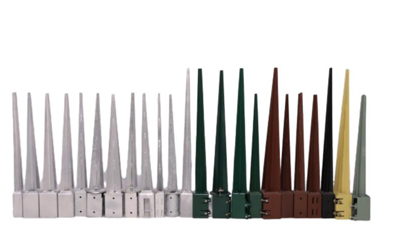
A quality 65x65 post is often galvanized — either hot-dipped or electro-galvanized — offering protection against rust and weather damage. This is critical because posts left outdoors must withstand years, sometimes decades, under variable climates without compromising structural integrity.
The uniform size allows these posts to be seamlessly integrated into modular construction systems. Builders can bolt or weld sections, making expansions or repairs straightforward and cost-effective. Oddly enough, the very predictability of the 65x65 dimension reduces onsite errors dramatically.
Relative to other structural elements, these posts strike a good balance between material cost and load-bearing capability. When you factor in ease of transport and installation, the whole project budget often benefits — especially for large-scale fencing or support structures needing repetition.
These posts can be cut, drilled, or welded without specialized equipment. That means fabricators can tweak projects onsite quickly — a must-have feature in fast-paced environments.
| Specification | Detail |
|---|---|
| Dimensions | 65mm x 65mm square tube |
| Wall Thickness | Typical range 2.0mm–3.5mm |
| Material | Mild steel or galvanized steel |
| Weight | Approx. 5–9 kg per meter (varies by thickness) |
| Standard Lengths | 3m, 6m, custom cut available |
| Surface Finish | Hot-dip galvanization or powder coating optional |
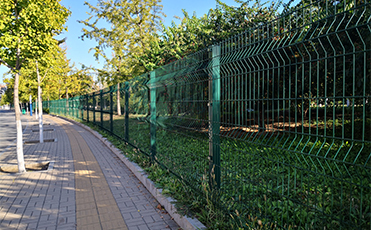
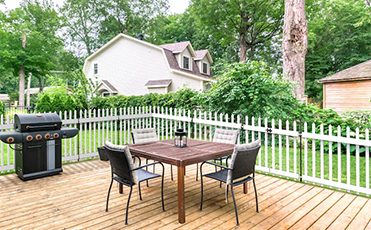
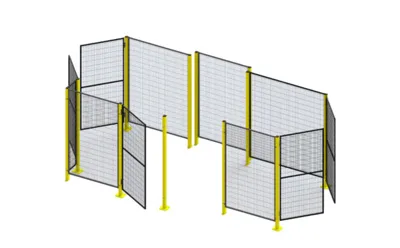
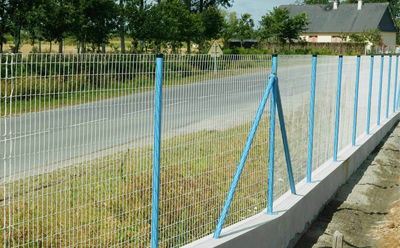
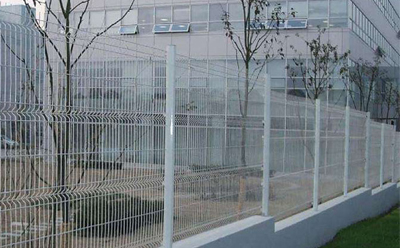
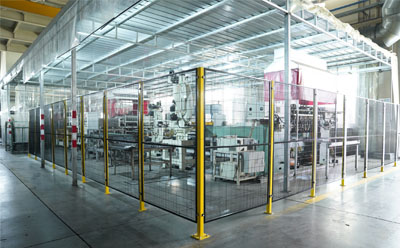
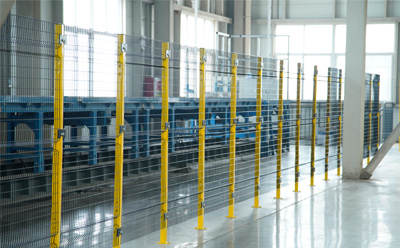
Where do you actually see 65x65 posts at work? Honestly, almost everywhere. In Europe and North America, they're standard for garden fencing, small-scale warehouse frames, and some modular furniture structures. In Asia and Africa, the posts underpin everything from community housing frames to livestock pens — places where durability meets affordability.
Take, for example, disaster recovery efforts in Southeast Asia. NGOs utilize 65x65 post-based shelter kits to reconstruct homes quickly after typhoons. Or consider remote mining sites in Australia, where rugged fencing and storage frames built with these posts survive extreme weather and rough handling.
For project managers, the main attraction often boils down to trust: Can a supplier guarantee consistent quality? Will the posts last long enough to justify upfront costs? For engineers, it’s about material science and load data — does the 65x65 post offer sufficient tensile strength with manageable weight? And from a sustainability point of view, their reusability means less waste when building or rebuilding.
Emotionally, using reliable posts provides peace of mind. When fences don’t topple or shelters stay sturdy, there’s a sense of safety and dignity that only good materials deliver. And innovation-wise, companies manufacturing these posts invest heavily in better coatings and corrosion resistance, increasing lifespan and reducing maintenance.
Ever heard of “smart steel”? Not quite sci-fi, but new treatments and sensors embedded in posts can monitor stress or damage over time. Environmental policies increasingly push for cleaner raw materials and renewable energy-powered production lines, which help make these posts “greener.” The rise of digital fabrication means custom sizes and finishes can be ordered online and shipped rapidly — a boon for tight deadlines.
Plus, integration with renewable energy infrastructure, like supports for solar panel arrays, is becoming standard. The modest 65x65 post proves surprisingly adaptable in the shift toward decarbonized construction methods.
Of course, no product is without flaws. For 65x65 posts, thin walls may sometimes limit heavy-duty applications if specs aren’t checked closely. Corrosion still sneaks in if coatings are compromised, especially in marine or acidic environments. On the logistics side, poorly packaged posts risk dents or bends.
Experts recommend specifying higher gauge thicknesses for tough environments, possibly opting for powder-coated finishes over galvanization alone. And innovative packaging solutions — like corner guards and shrink wrapping — are becoming industry best practices to reduce transit damage.
| Vendor | Material Grade | Coating Type | Price Range (USD/m) | Delivery (Days) |
|---|---|---|---|---|
| Hebeimetals | Q235 (Mild Steel) | Hot-Dip Galvanized | 10 - 15 | 7-14 |
| SteelPro | Q345 (High Strength) | Electro-Galvanized | 12 - 18 | 10-21 |
| GlobalMetals | Q235 | Powder Coated | 14 - 20 | 5-12 |
Generally, a 65x65 post offers moderate strength suitable for fencing and lightweight structural needs. While thicker posts (like 80x80 mm) can bear heavier loads, the 65x65 post’s hollow design gives it an efficient strength-to-weight ratio, making it ideal for many standard construction tasks.
Yes, but only if properly treated. Hot-dip galvanizing or powder coating protects the steel from corrosion. Without these coatings, the posts may rust within a couple of years in wet environments. Quality suppliers will always specify corrosion resistance details.
Absolutely. Most manufacturers offer custom cutting to specified lengths, and wall thickness (normally 2 to 3.5 mm) can also be varied based on structural requirements. This flexibility helps match project demands precisely.
Working with experienced vendors that maintain stock and have reliable shipping partnerships is key. Providing clear specifications upfront and anticipatory ordering helps avoid delays. For urgent needs, regional suppliers often provide faster turnaround.
Steel is one of the most recyclable materials globally. Many posts are made with recycled steel, and at end-of-life, they are fully recyclable again. This circular lifecycle reduces environmental impact compared to timber or plastic alternatives.
To sum it up, the 65x65 post is more than just a piece of steel. It’s a foundation for safe, sustainable, and economically sound projects worldwide — whether that’s a farming enclosure, a temporary shelter after calamity, or a solar panel array in a remote desert. Behind its modest dimensions lies a world of engineering thought, global supply chains, and future-forward innovation.
If you’re curious to explore reliable 65x65 posts or want tailored quotes, feel free to visit Hebeimetals for a deeper dive.
Great materials don’t always shout—they perform. The 65x65 post quietly does its job, time and time again.
References:
1. World Steel Association, 2023 Global Steel Statistics - worldsteel.org
2. ISO 657-1: Hot-rolled steel sections - iso.org
3. Galvanizing Research: Corrosion resistance best practices - Wikipedia



Copyright © 2026 Hebei Minmetals Co., Ltd. All Rights Reserved. Sitemap | Privacy Policy | Menu