


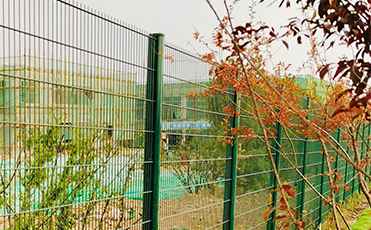
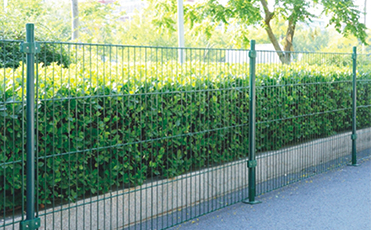
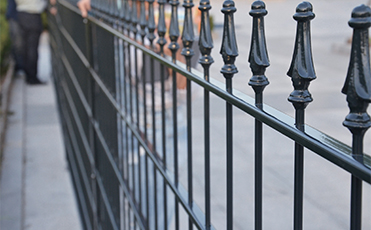
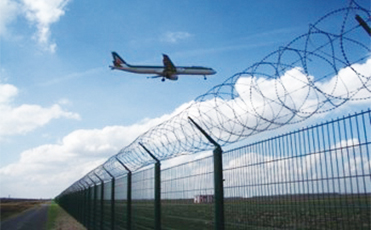
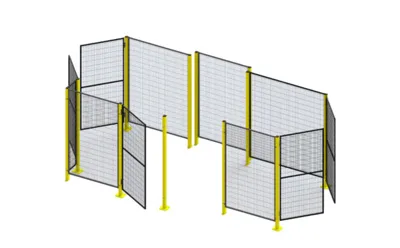
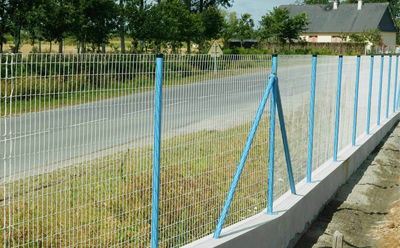
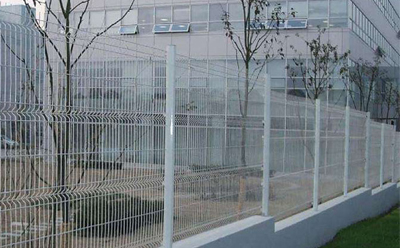













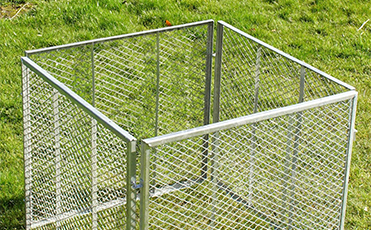
Fencing often feels like a simple topic — a post here, a wire there. But when you zoom out globally, metal fence post options are crucial to everything from securing agricultural land to protecting infrastructure and supporting humanitarian efforts. Understanding these options means knowing how durability meets economy, how innovations protect communities, and, frankly, how a small change in choice can ripple into huge savings or added safety.
In an increasingly industrialized, environmentally-conscious world, picking the right metal fence post isn’t just about marking boundaries but about long-lasting value and resilience. This article dives into what those options are, why they’re so widely used, and what you should keep in mind before deciding on the best fit for your needs.
Mini takeaway: Metal fence posts are a backbone to many industries and communities worldwide, blending practicality with strategic value.
Across continents—from the sprawling ranches of the American Midwest to the security perimeters surrounding European renewable energy farms—metal fence posts serve as an essential component. According to the International Organization for Standardization (ISO), standardizing construction materials, including fencing elements, directly affects safety, sustainability, and cost-efficiency worldwide. Plus, data from the World Bank links improved fencing to better land management and livestock control, boosting rural economies.
But here’s the rub: with climate change increasing storm intensity and industries growing more reliant on secure perimeters, traditional wooden or plastic posts just don’t cut it anymore. Metal options, with their proven longevity and strength, help solve problems like theft, erosion, and boundary disputes, giving users peace of mind (and occasionally, the satisfaction of tech that lasts decades).
Mini takeaway: Metal fence post options are not just fences—they’re solutions to evolving global challenges in agriculture, industry, and safety.
In simple terms, metal fence post options refer to the various types, materials, and designs of vertical supports used in fencing systems that are primarily made from metals like steel, aluminum, or galvanized iron. Unlike traditional wooden posts—which can rot, warp, or require constant maintenance—metal posts offer distinct performance advantages like rust resistance and higher load-bearing capacity.
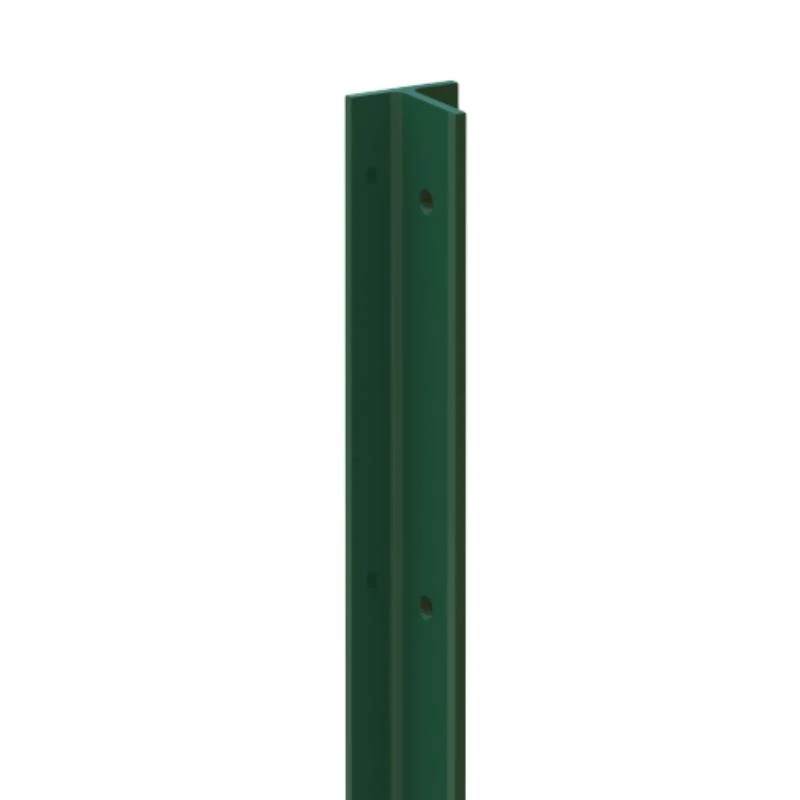
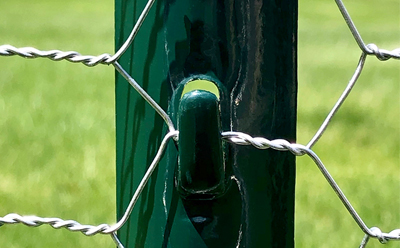
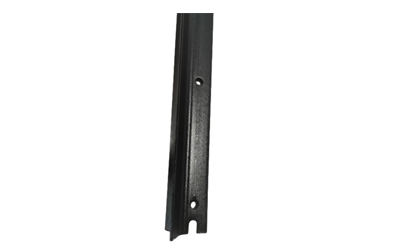
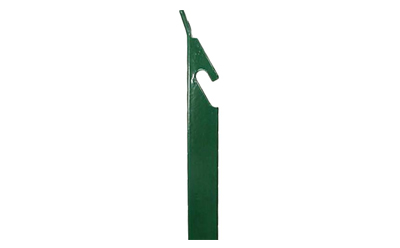
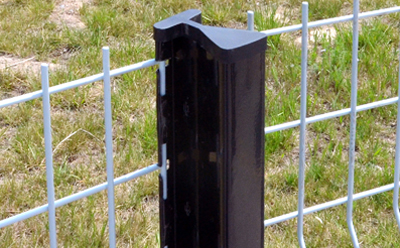
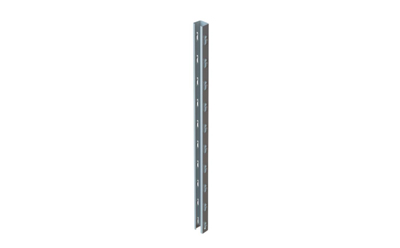
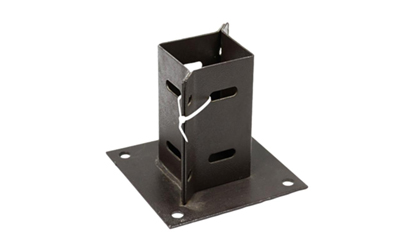
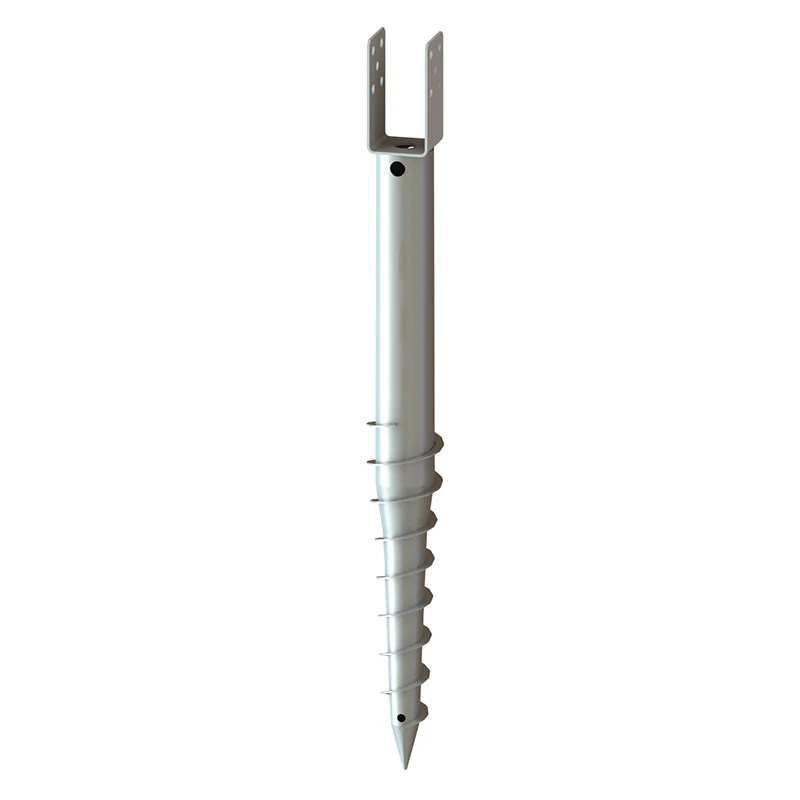
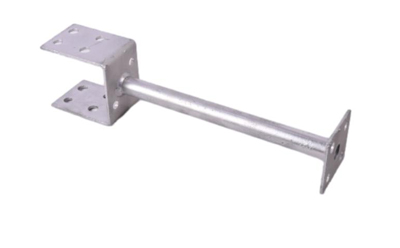
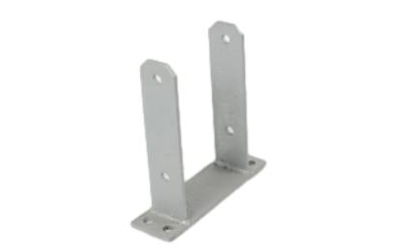
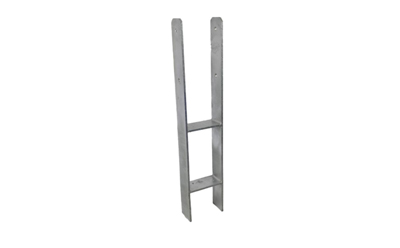
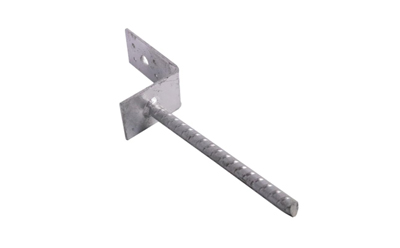
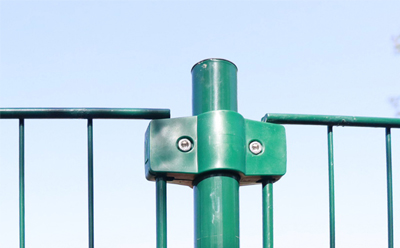
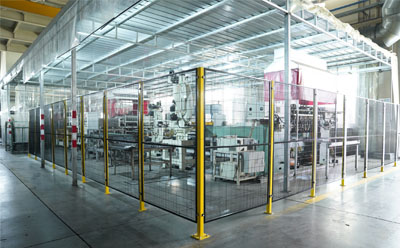
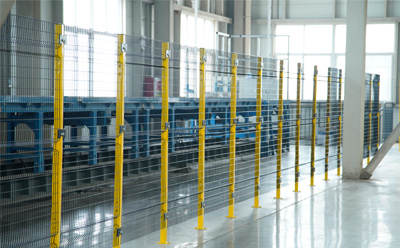
These options can range from tubular steel posts to H-shaped channel posts, or even square hollow sections, all tailored to different applications depending on the terrain, fence type, and environmental conditions. Ultimately, they’re central to modern fencing needs—whether that’s industrial security, livestock containment, or temporary construction site boundaries.
Mini takeaway: Metal fence post options vary widely but share the goal of durability and adaptability across diverse settings.
One big selling point is how metal posts withstand rain, snow, insect attacks, and even heavy impacts. Galvanized steel posts, for example, come coated with zinc to ward off rust, which is critical in coastal or humid zones. Oddly enough, durability isn’t just about fending off nature: it’s about reliable performance over decades without costly replacements.
Initially, metal posts may cost more than wood or plastic alternatives, but the long-term savings on maintenance and replacement usually tip the balance. Many engineers say the reduced downtime and fewer repairs justify the premium in large-scale projects. Plus, recycling metal posts at the end of life supports a circular economy approach.
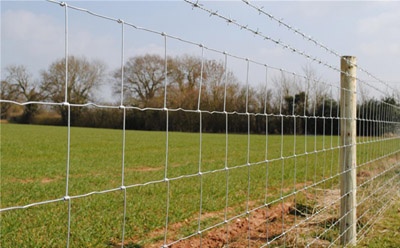
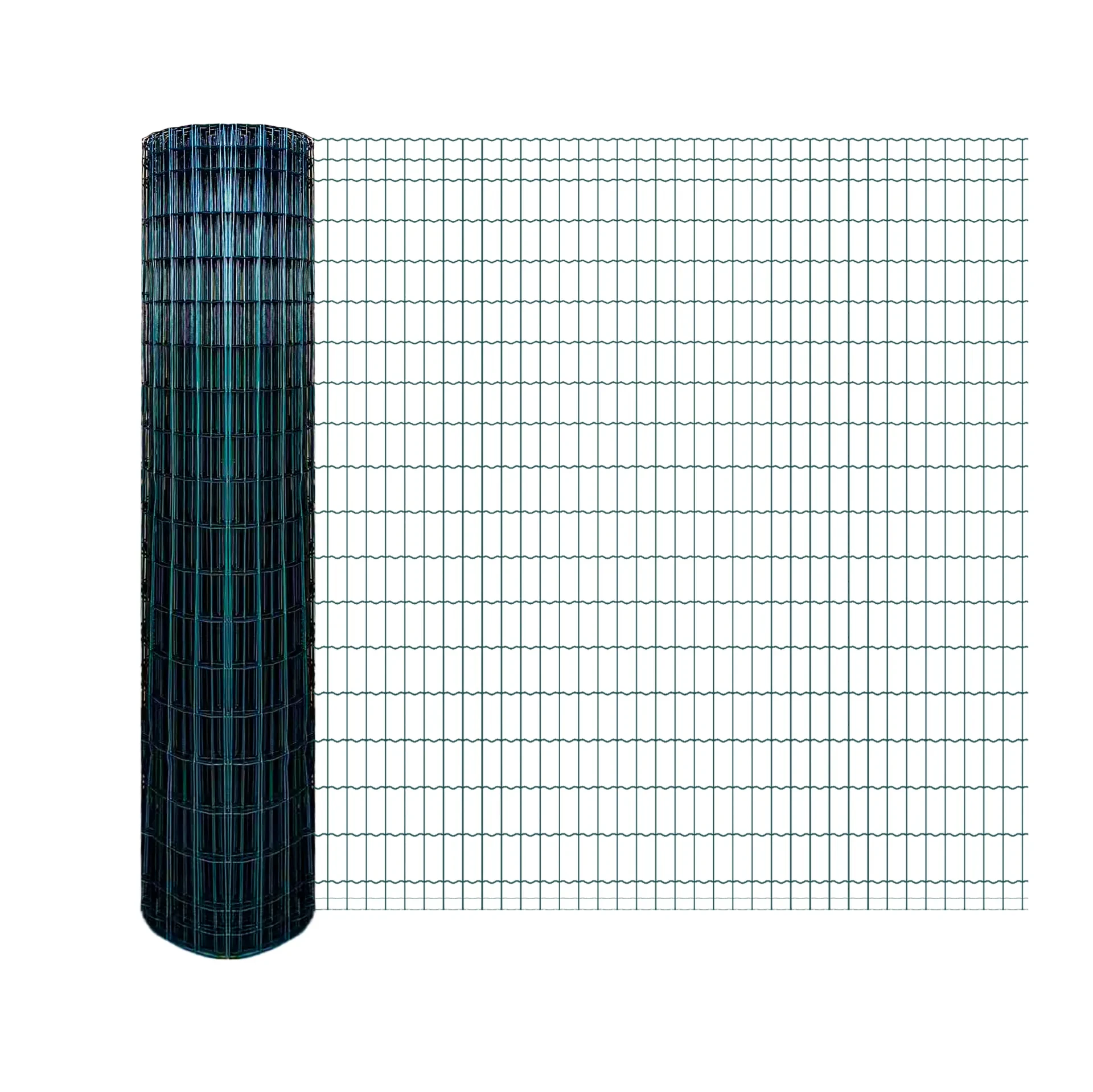
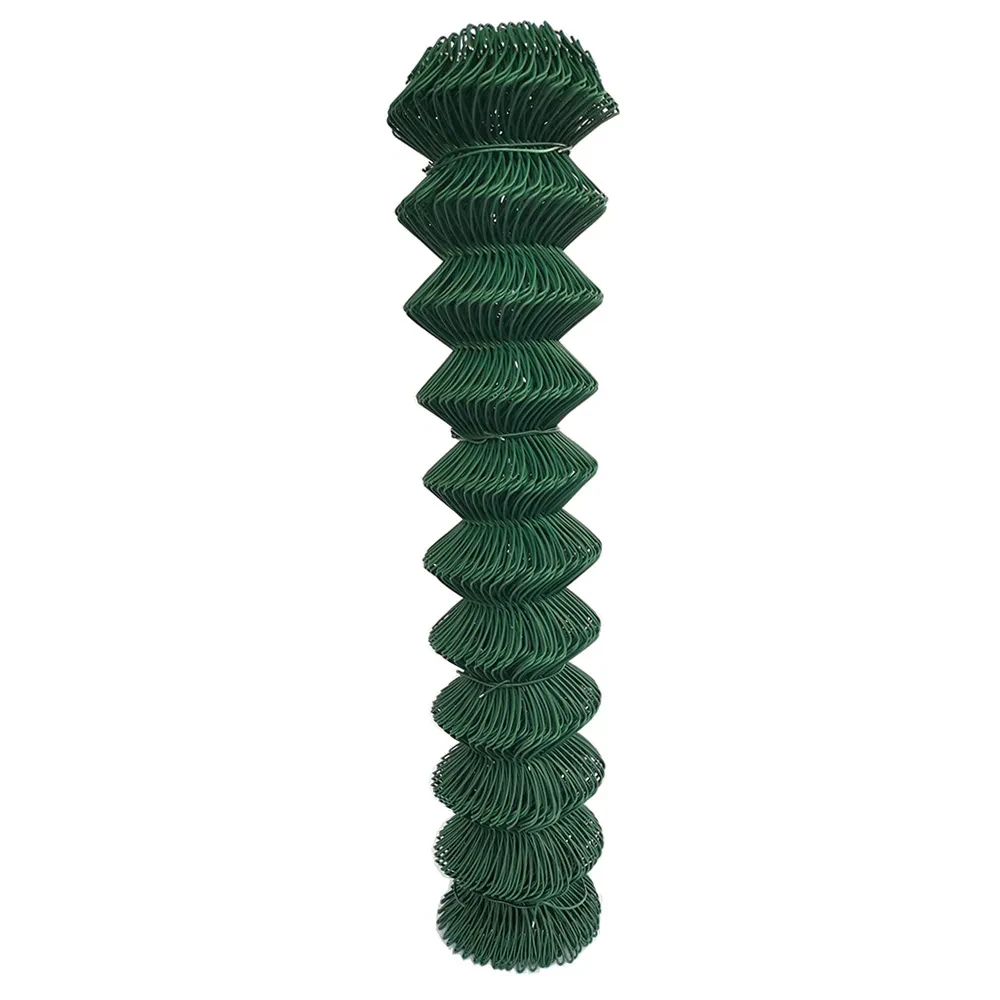
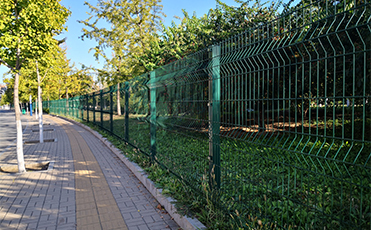
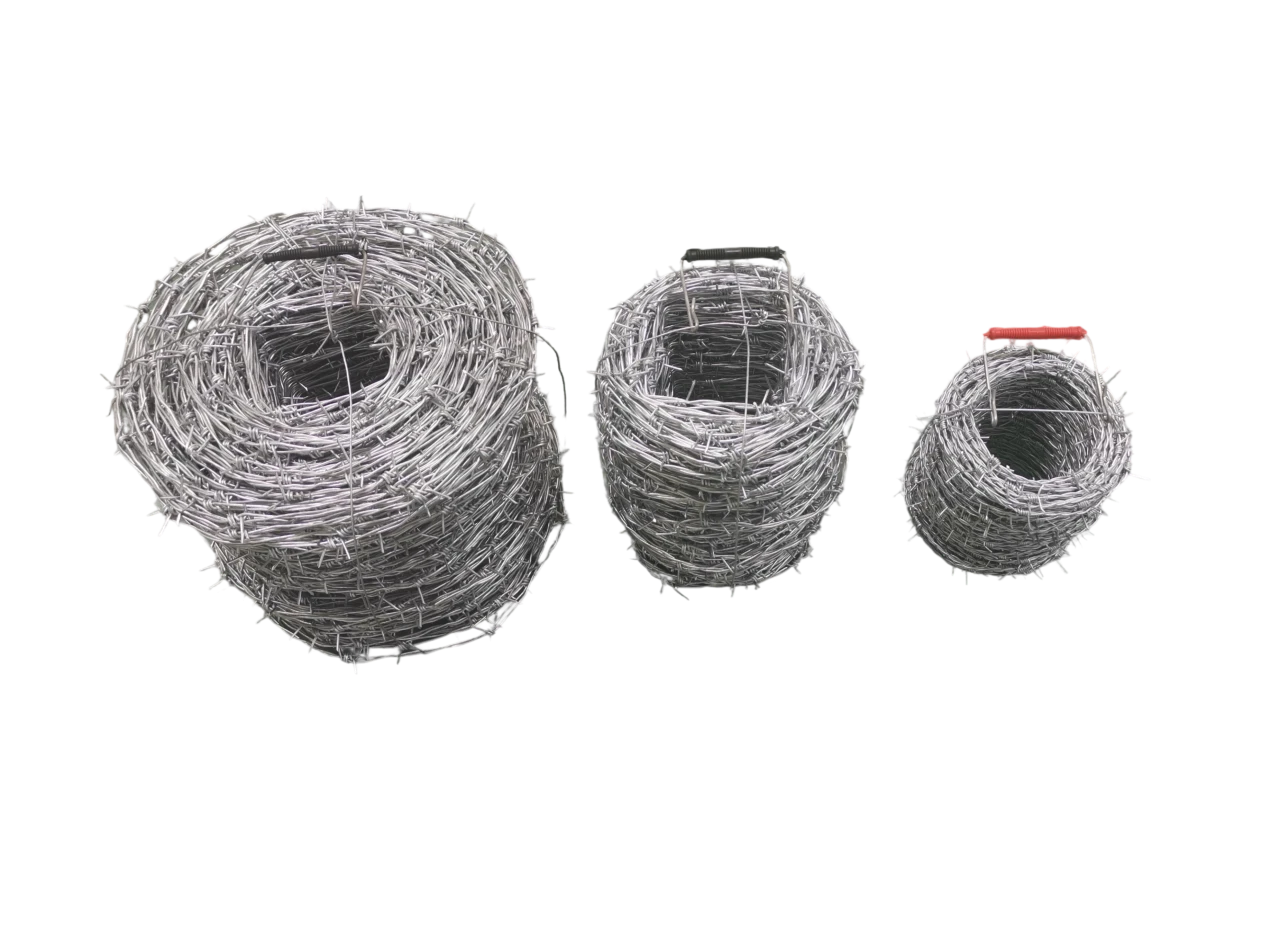
Metal posts come in standard lengths and shapes, making installation easier and compatible with a variety of fencing materials—wire mesh, barbed wire, panel fencing, you name it. This means projects can scale from small properties to vast industrial zones without the awkward patchwork of different posts.
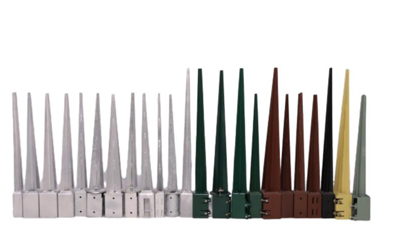
With rising green standards, recycled steel posts and innovations like powder-coating (reducing toxic paint solvents) show that metal fencing is becoming more eco-friendly. Organizations aiming for certifications like LEED often prefer metal fence posts for their lower lifecycle emissions compared to treated wood.
One thing to note: while metal posts resist many problems, they can still corrode if protective coatings wear off or if installed in very acidic soils. Good installation and periodic inspections are key.
| Post Type | Material | Length (ft) | Coating | Weight (lbs) | Application |
|---|---|---|---|---|---|
| T-Post | Galvanized Steel | 6 - 8 | Zinc | 3.5 | Agriculture, Temporary Fencing |
| H-Post | Steel | 7 - 10 | Powder-Coated | 4.8 | Industrial, Security Fencing |
| Square Tube | Aluminum | 6 | Anodized | 2.9 | Residential, Decorative |
It’s one thing to talk specs and theory, but the real story is in where and how these posts get used. For example, in post-disaster relief operations—think floods or wildfires—rapidly deployable metal fencing helps define safe zones and secure temporary shelters. Organizations like the UNHCR often rely on durable fencing posts that resist quick erosion or tampering.
Remote industrial zones, especially mining sites in harsh climates, also depend on robust metal posts to maintain security perimeters around expensive equipment. And in agriculture, where livestock containment is non-negotiable, the strength and low maintenance of metal posts keep ranchers returning to their fences rather than their repair tools.
Even municipal projects led by environmental groups use metal fencing to protect reforestation areas or pedestrian zones, thanks to their sleek but sturdy design.
Mini takeaway: Metal fence posts are versatile players in everything from crisis zones to everyday farms.
The future’s bright (and shiny) for metal fence posts. Researchers are experimenting with self-healing coatings that repair rust and scratches automatically. I recently read about smart fencing posts embedded with sensors that detect tampering or environmental changes — pretty sci-fi but actually in trial phases.
Green manufacturing is huge, too. Imagine posts produced entirely from renewable energy-powered plants and coated with non-toxic finishes. Plus, modular fencing systems that click together like giant metal Lego for super-fast installation—ideal for disaster zones or temporary events.
Of course, no material is perfect. Installation can be tricky in rocky or frozen soils, and metal posts can conduct electricity, which needs careful grounding in some environments. Corrosion remains a concern if coatings fail or installations are sloppy. Yet, experts advise improved soil conditioning, better coating technology, and stringent quality control to minimize these issues.
Ultimately, choosing reputable vendors and adhering to installation standards goes a long way. For those interested, check our vendor table below to compare offerings.
| Supplier | Material Range | Custom Options | Lead Time | Sustainability Certifications |
|---|---|---|---|---|
| Hebe Metals | Steel, Galvanized | Yes | 2–3 weeks | ISO 14001 |
| Global Fence Inter | Aluminum, Steel | Limited | 4–6 weeks | None |
| Eco Fence Supplies | Recycled Steel | Yes | 3–4 weeks | LEED Friendly |
Galvanized steel posts are the top choice for rust resistance due to their zinc coating, which protects the steel underneath from moisture and oxidation. For even tougher conditions, powder-coated posts provide an extra seal against corrosion, especially useful in coastal or industrial areas.
Consider the height of your desired fence and ground conditions. Most residential fences use posts around 6 feet tall, while commercial or security fences may require 8 to 10 feet. Soil type affects stability; in softer soils, thicker or longer posts might be necessary for support.
Yes, especially when made from recycled steel and at manufacturers following sustainable protocols. Metal is recyclable and tends to last longer than wood, reducing waste and deforestation risks.
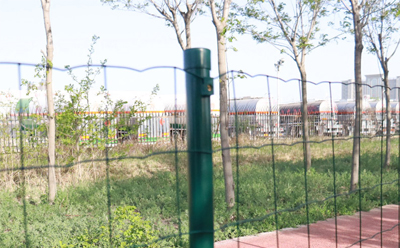
Generally, yes. Metal posts work well with barbed wire, chain-link, welded wire mesh, and panel fences. Just ensure the post shape matches the fencing type—for instance, H-posts for wire mesh.
Periodic inspection for coating damage is key. If scratches or rust spots appear, treat them promptly with rust inhibitors or paint. Regular cleaning helps extend the life, especially in dust-heavy or saline environments.
Choosing the right metal fence post option is more than a small detail—it influences durability, safety, environmental impact, and ultimately, the effectiveness of your fence. Whether you’re securing property, protecting livestock, or safeguarding a project site, investing in quality metal posts pays off over years. For a wide selection of trusted solutions and expert advice, feel free to explore metal fence post options and find the perfect fit for your application.
Thanks for reading — if you’re planning your next fencing project, hopefully this gave you a clear path through the options.



Copyright © 2026 Hebei Minmetals Co., Ltd. All Rights Reserved. Sitemap | Privacy Policy | Menu