






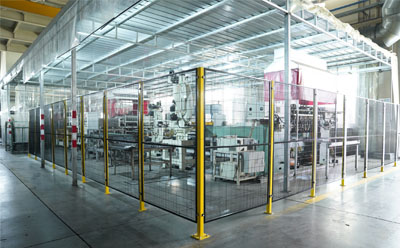
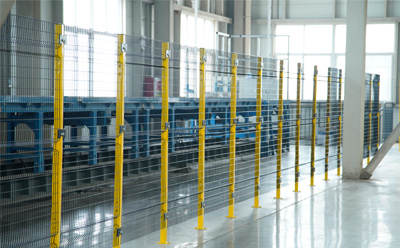




















When you think of fencing, maybe the image of wooden picket fences or chain-link barriers pops into mind. But steel posts? They often fly under the radar, despite being crucial components in fencing projects worldwide. Steel posts for fencing prices aren’t just about cost—they represent a balance of durability, safety, and long-term value across sectors ranging from agriculture to disaster relief. Globally, understanding these prices can help planners, engineers, and humanitarian workers make smarter purchasing decisions that impact economies, infrastructure resilience, and even social dignity.
From vast rural farmlands to sensitive border security zones, steel posts ensure fencing is strong and reliable. Given fluctuating steel prices worldwide, partly due to international trade tensions or raw material shortages, knowing how prices are determined and how they affect the supply chain is more important than ever.
According to the United Nations Industrial Development Organization (UNIDO), steel remains one of the key metals driving global industrial growth. But the price volatility of steel posts has created headaches for industries relying on fencing, especially in agriculture, construction, and border control.
The World Bank cites infrastructure expansion in emerging economies as a major consumer of steel-based products. When price spikes occur, project delays and compromises in material quality tend to follow. For NGOs and disaster relief organizations, this can mean less secure camps or protected zones, with direct human consequences.
More specifically, fence posts are a small—but crucial—part of a multi-billion-dollar fencing industry. Market reports suggest steel fencing components make up a large and growing segment, driven by durability demand and modernization needs.
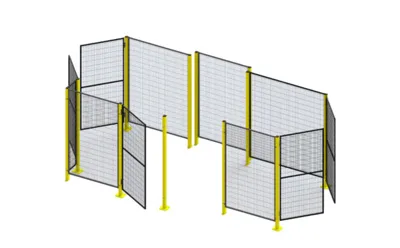
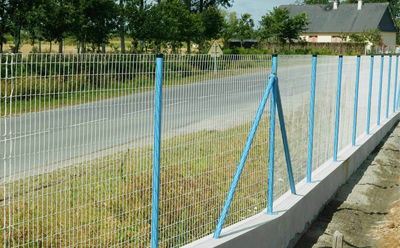
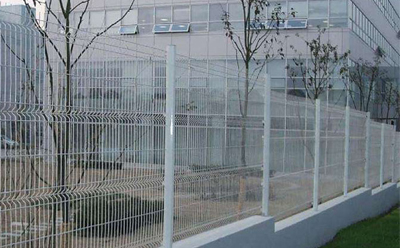
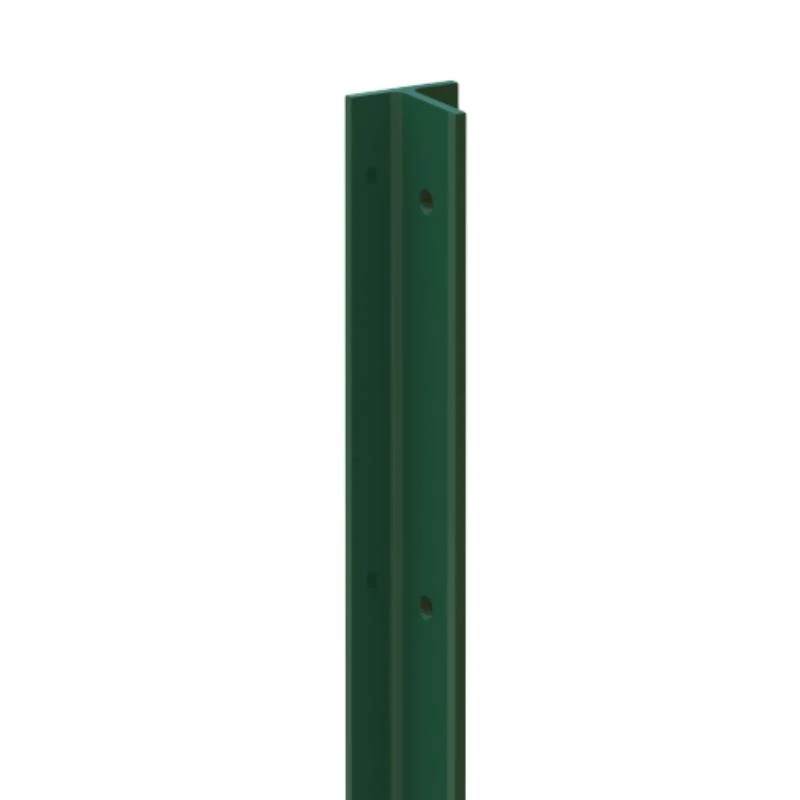
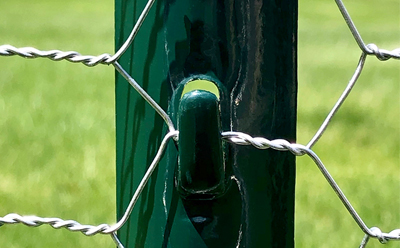
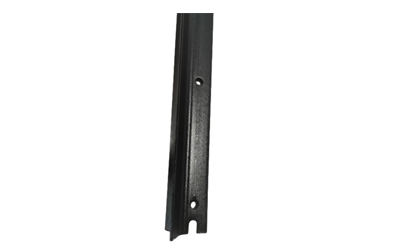
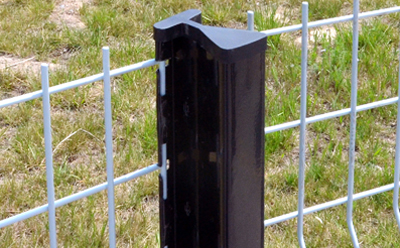
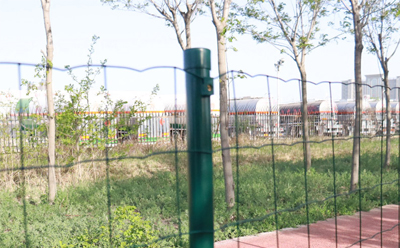
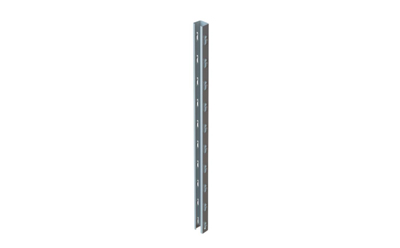
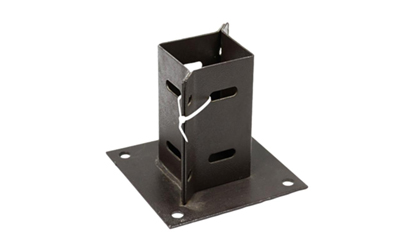
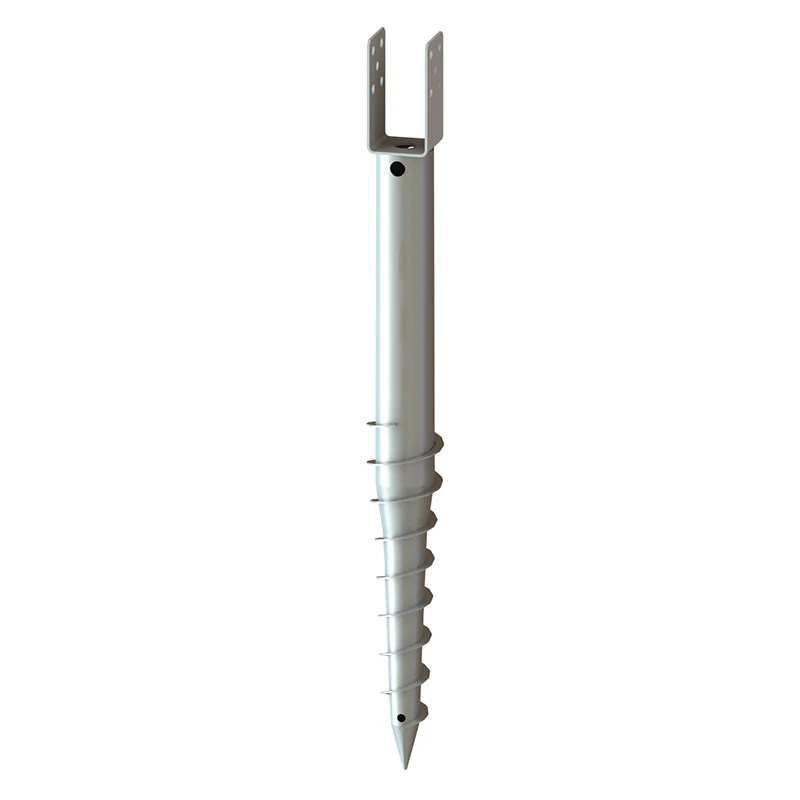
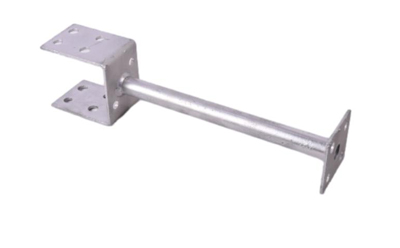
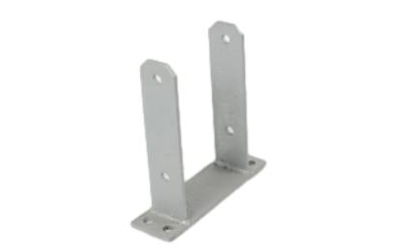
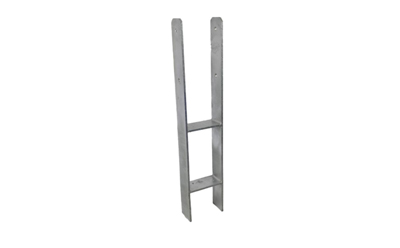
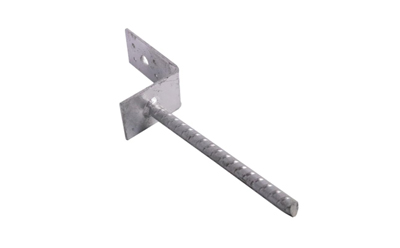
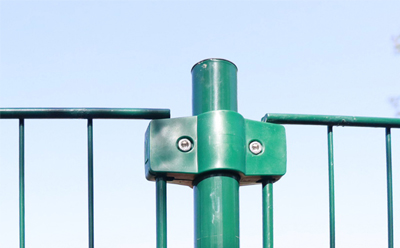
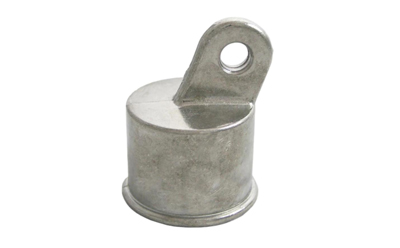
So what exactly do we mean when we say steel posts for fencing prices? In essence, these are the market costs associated with the purchase of steel posts used as the vertical supports in fencing structures. Steel posts can be tubular, T-shaped, or Y-shaped, often galvanized or powder-coated for corrosion resistance.
Prices fluctuate based on steel grade, thickness, length, and surface treatment. These posts are vital in creating fences that last longer than traditional wooden posts, requiring less maintenance and offering better resistance to environmental wear.
They are especially important in modern agricultural fencing, industrial perimeters, and even refugee camp setups—where speedy installation and durability might mean the difference between secure boundaries and exposure.
Not all steel is created equal. Posts made of higher-grade steel with proper galvanization to fight rust will cost more, but last significantly longer. For fencing exposed to harsh weather, this durability pays off.
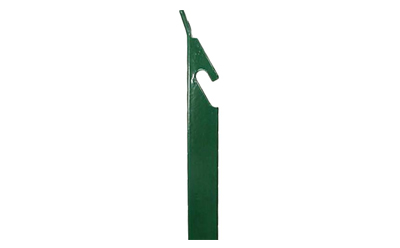
The length and shape of posts affect the price. Taller or more complex profiles—like Y-shaped posts designed for barbed wire—naturally bump up costs.
Bulk orders often lower unit prices. Conversely, logistical challenges in remote regions can increase final costs considerably.
Global steel price swings driven by supply constraints or trade tariffs heavily influence fence post pricing. This indirect factor can sometimes cause unexpected price spikes.
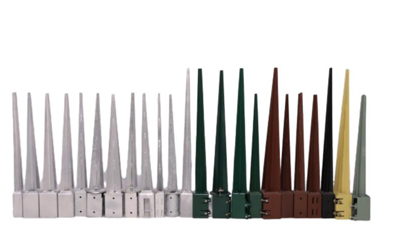
Posts with powder coating or special anti-corrosion finishes command higher prices but extend service life, reducing long-term maintenance.
In places like Australia’s vast cattle ranches or the industrial zones of Germany, steel posts are a staple for boundary fencing. The agricultural sector benefits from posts that stand up to weather and livestock pressure.
Humanitarian organizations also rely heavily on steel fence posts. For instance, after floods in Southeast Asia, temporary safe zones for displaced persons use fences supported by steel posts for quick, reliable protection.
In some African border areas, steel fencing helps regulate cross-border movement and safeguard assets, standing up better than wooden alternatives to climate extremes and wildlife impact.
| Region/Use Case | Application | Benefit |
|---|---|---|
| Australian Ranches | Livestock Fencing | Withstands harsh weather, reduces replacement cost |
| Southeast Asia Disaster Zones | Temporary Camp Boundaries | Fast deployment, safety for displaced communities |
| African Border Areas | Perimeter Security | Durable, animal-resistant fencing |
Emotionally, knowing a fence won’t fail when it matters—protecting children at a school yard, or livestock on a farm—offers peace of mind hard to put a price on.
Looking ahead, circular economy models promoting steel recycling are expected to stabilize costs somewhat. Innovations in coatings using nanotechnology promise corrosion resistance like never before.
Automation in manufacturing could reduce production costs, while digital supply chains may help buyers track prices and availability in real time. Green policies worldwide might further incentivize sustainable steel sourcing, impacting prices but also improving social license to operate.
Oh, and one can’t overlook automation in installation—some firms already experiment with robotic arms placing fence posts in rugged terrain, promising labor cost reduction down the line.
One stubborn issue is transporting steel posts to very remote locations without inflating prices beyond usability. Logistics costs sometimes double the purchase price. Experts suggest local assembly of prefab post sections and better coordination with suppliers as partial solutions.
Corrosion in tropical climates remains another challenge. While coatings help, none is 100% foolproof. Continuous R&D on novel alloys and smart coatings applies lessons from aerospace and automotive sectors to fencing needs.
Finally, fluctuating raw material costs require buyers and manufacturers to invest time in market research and partnership building—price isn't fixed or fully predictable, so agility is key.
| Specification | Typical Range | Impact on Price |
|---|---|---|
| Material Grade (e.g. ASTM A500) | Grade B to C | Higher grade = Higher price + durability |
| Length | 1.5m to 3m | Longer posts cost more |
| Shape | T-post, U-post, Y-post | Y-shape typically more expensive |
| Coating | Galvanized or Powder Coated | Powder coating adds premium |
| Quantity | Single to Bulk (1000+) | Bulk discounts available |
| Vendor | Price Range (per post) | Material Quality | Lead Time | Global Shipping |
|---|---|---|---|---|
| Hebe Metals | $3.50 - $5.00 | ASTM A500 Grade B | 2–4 weeks | Yes |
| SteelPro Industrial | $4.00 - $6.50 | ASTM A500 Grade C | 3–5 weeks | Limited |
| FenceTek Supplies | $3.00 - $4.50 | Mild Steel (galvanized) | 1–3 weeks | Yes |
Prices are largely driven by steel grade, length, coating type, and order quantity. Market conditions like raw material supply also impact pricing. Choosing galvanized or powder-coated posts usually costs more upfront but saves money long-term.
Higher-grade steel posts resist corrosion and mechanical stress much better, extending fence life significantly. Lower-quality mild steel may initially save money but often leads to premature failure, especially in harsh environments.
Absolutely. Bulk purchasing typically unlocks discounts, reducing per-post price. Planning ahead to consolidate orders can be a great way to optimize steel posts for fencing prices and avoid market price fluctuations.
Yes, one of steel's big advantages is its recyclability. End-of-life fence posts are often melted down and reused, making steel fencing an eco-friendly option compared to timber.
NGOs usually partner with specialized suppliers who understand rapid deployment needs. Opting for suppliers with global shipping capabilities and keeping local inventory buffers help manage costs and speed up delivery.
Steel posts for fencing prices might seem like a niche detail, but their implications ripple far beyond simple fencing projects. They influence infrastructure durability, humanitarian safety, and sustainability efforts worldwide. Understanding the various factors that affect pricing helps buyers—from farmers to global NGOs—make informed decisions that balance cost with quality and longevity.
If you’re looking for dependable, competitively priced steel posts, feel free to check out steel posts for fencing prices at Hebe Metals — where quality meets global service.
At the end of the day, investing in quality fencing components often means saving not just money but peace of mind.



Copyright © 2026 Hebei Minmetals Co., Ltd. All Rights Reserved. Sitemap | Privacy Policy | Menu