







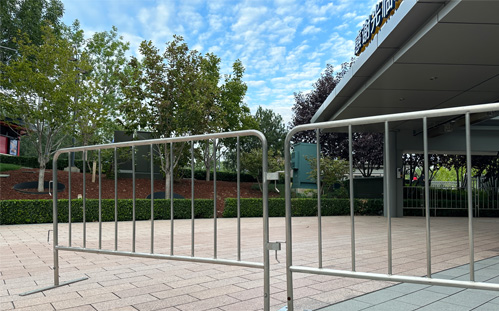
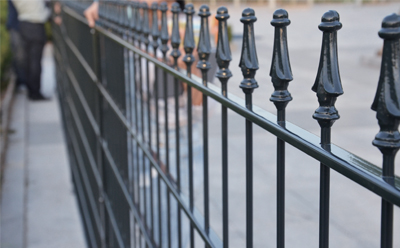
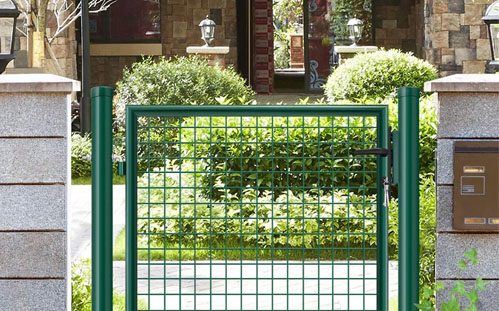
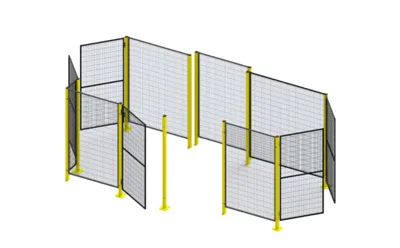
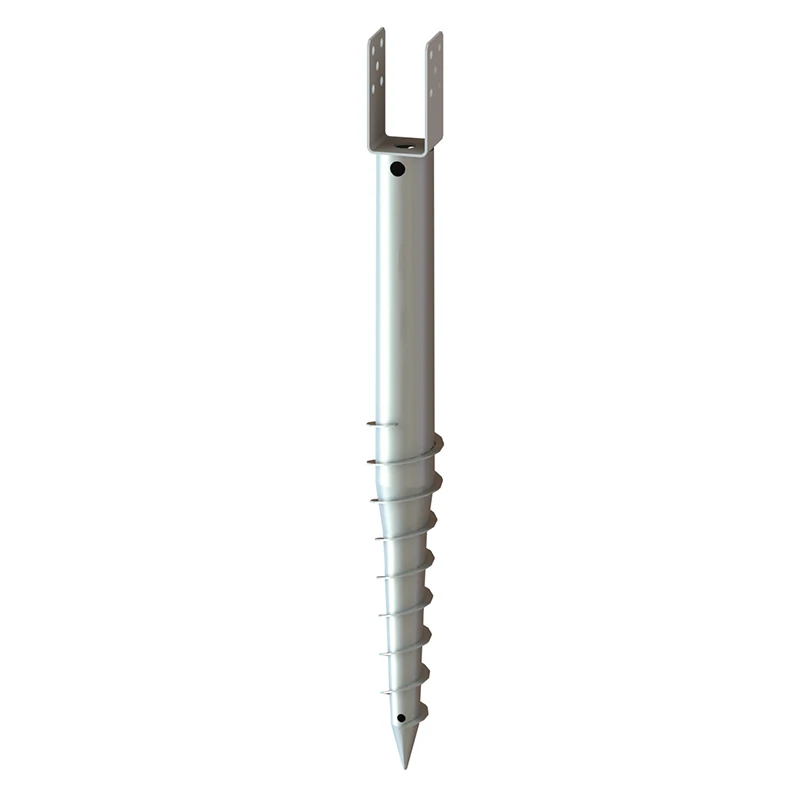
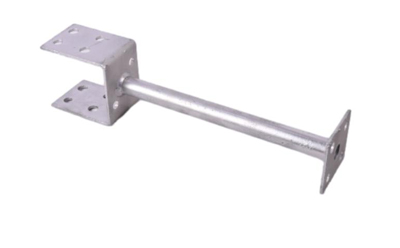
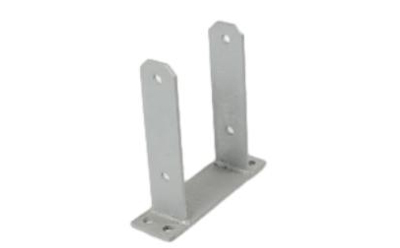
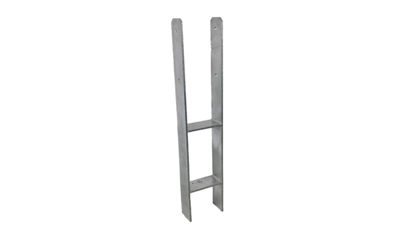

















Having spent a fair chunk of my career in the industrial equipment sector, I can say the humble 6 6 t post is often overlooked, yet it's one of those foundational pieces that quietly supports much bigger operations. Oddly enough, these posts don’t get the spotlight like machinery or automation tech, but if you dig in, their engineering and material quality truly matter.
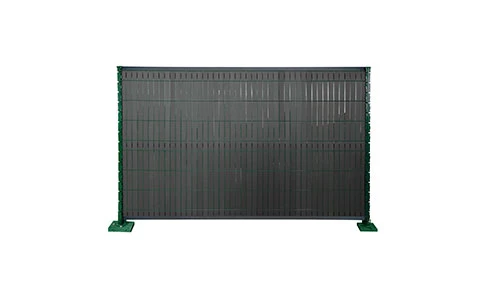
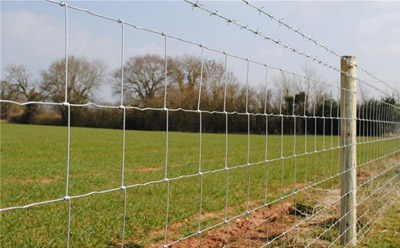
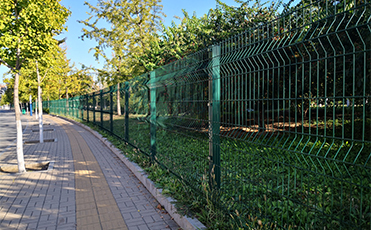
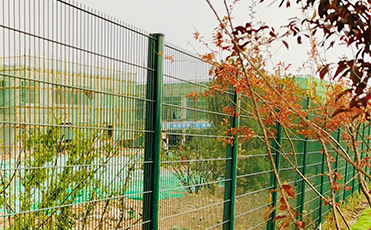
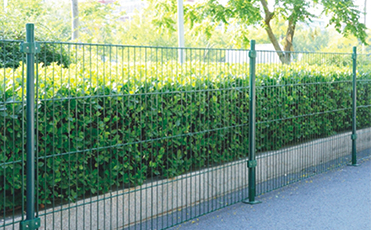
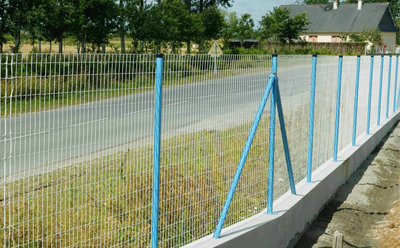
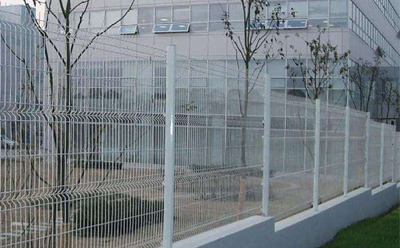
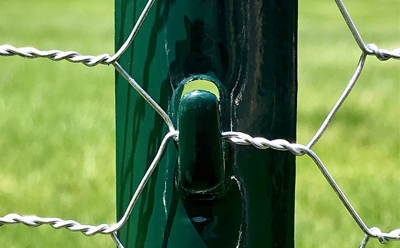
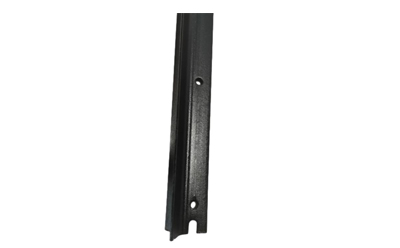
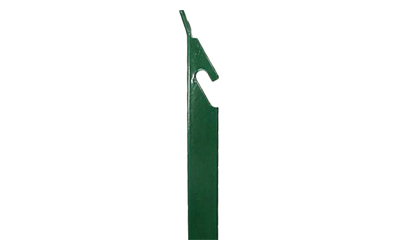
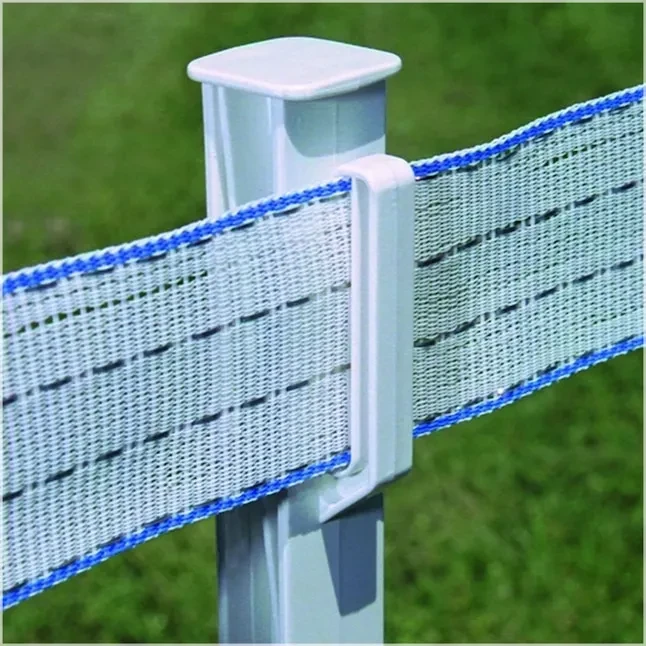
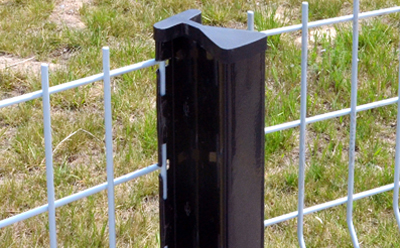
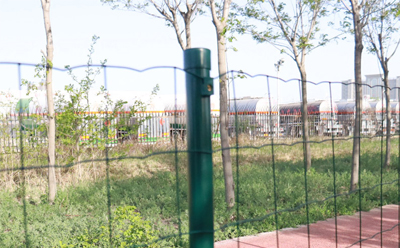
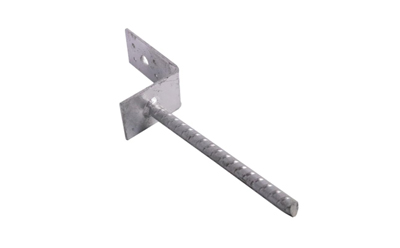
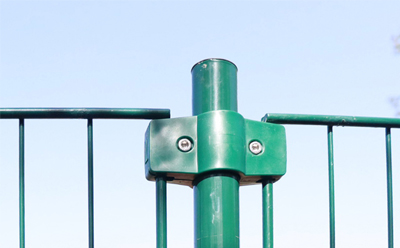
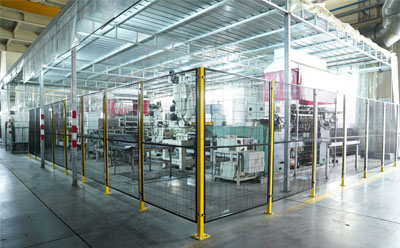
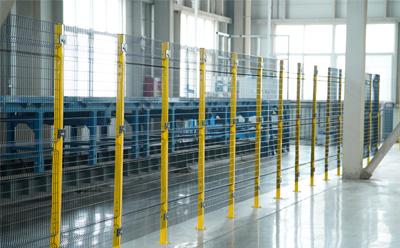
First off, the term “6 6 t post” commonly refers to a steel fence or support post designed for heavy-duty applications. They’re typically made of galvanized steel to combat rust, which is crucial because these posts often face the elements, holding up fences or barrier systems in industrial yards, farms, or even construction sites. I remember on a windy day, a colleague once said, “If that post bends, the whole fence is toast.” That stuck with me—it’s the kind of simple yet true insight only experience nails.
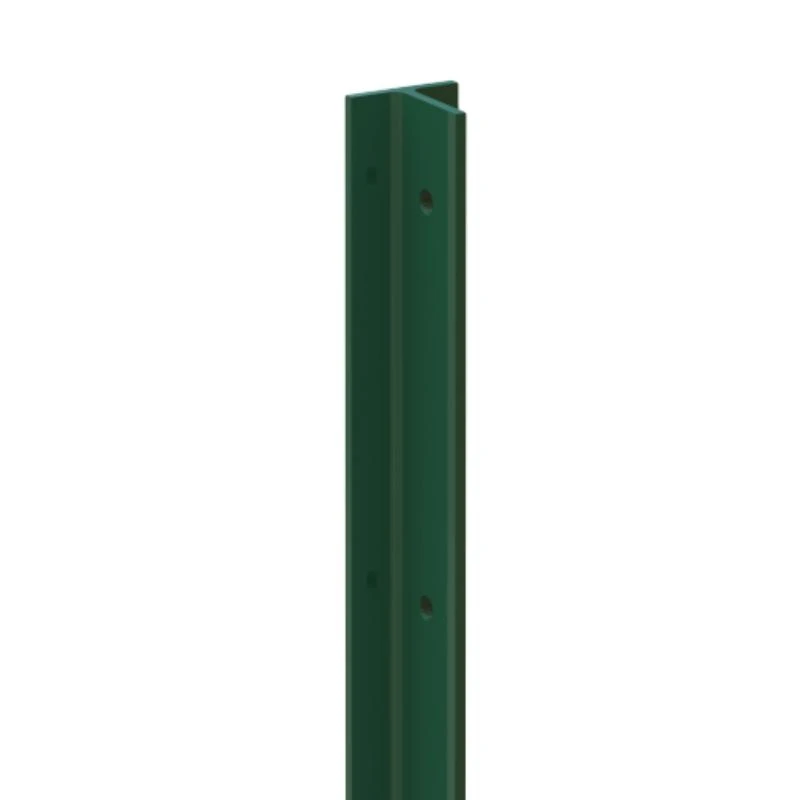
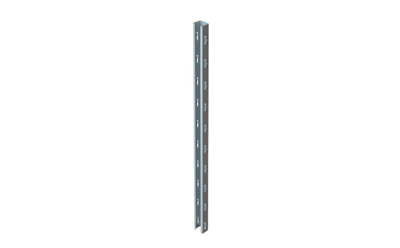
The design of a 6 6 t post usually involves a T-shaped cross-section, which provides a sturdy structural profile and maximizes strength-to-weight ratio. Frankly, using less steel but still retaining robustness is an engineering win. Many engineers say this profile makes installation easier too; you get solid ground anchoring with less fuss.
Let’s look at some typical specifications that define a good 6 6 t post:
| Specification | Typical Value |
|---|---|
| Material | Hot-dip galvanized steel (S235) |
| Length | 1.8 to 2.4 meters |
| Cross-section | T-shape, approx. 40mm width |
| Coating Thickness | Minimum 275 g/m² zinc |
| Weight | Approx. 6-7 kg per meter |
| Usage | Fencing, barriers, signage supports |
I suppose what stands out most is the galvanized steel standard. In the field, the quality of galvanizing often determines how long your post will hold up. I’ve seen situations where cheaper posts rusted within a couple of seasons, which led to unexpected replacement costs. When specs state a minimum of 275 g/m² zinc, that’s a solid hint the vendor is serious about durability.
Speaking of vendors, the industrial market has plenty offering similar-looking posts. But, trust me, it pays to look deeper than price alone. Here’s a quick comparison between three popular suppliers I’ve dealt with over the years:
| Vendor | Material Grade | Galv. Coating | Customization Options | Lead Time |
|---|---|---|---|---|
| Hebe Metals | S235 Hot-Dip Galv. | 275+ g/m² Zinc | Length, thickness adjustments | 2-3 weeks |
| Vendor B | S235 Electro-Galv. | 150-200 g/m² Zinc | Standard sizes only | 1-2 weeks |
| Vendor C | Q235 Hot-Dip Galv. | 200-250 g/m² Zinc | Limited customization | 3-4 weeks |
In real terms, I tend to lean toward suppliers like Hebe Metals, especially if corrosion resistance and customization matter to your project. They’re not always the cheapest option upfront, but that durable finish and flexibility often save a headache later on.
A small anecdote from a recent project: When we installed a batch of 6 6 t posts at a livestock facility, the client noted how quickly those posts weathered compared to older fencing. The galvanized finish was impressive given the harsh chemicals and moisture on site—proof that specs on paper really do translate to field performance.
To sum it up — these posts are one of those silent workhorses in the industrial landscape. You don’t always notice them, but trust me, a good 6 6 t post goes a long way. So, if you’re in the market, check your materials carefully, insist on proper galvanizing, and consider vendor reputation beyond just price. It’s a small detail, but it affects your entire operation’s lifespan.
Keep in mind: the best post in theory might still need local testing for extremely harsh environments. But I’d say Hebe Metals is a solid starting point if you want reliability that’s been field-proven.
Hope that gives you a practical view, not just specs and brochures. Sometimes the simplest equipment calls for the sharpest eye.
References:



Copyright © 2026 Hebei Minmetals Co., Ltd. All Rights Reserved. Sitemap | Privacy Policy | Menu