Why Metal Fence Posts at 7ft Matter More Than You’d Think
When you hear “metal fence posts 7ft,” you might just picture those upright steel stakes poking out of the ground in farms or building sites. But these posts? They’re actually pretty pivotal in modern infrastructure and security solutions worldwide. In a world increasingly focused on sustainability, fast construction, and safety, understanding the value of a 7-foot metal fence post goes beyond the obvious. It affects industries from agriculture to humanitarian aid, from urban development to industrial security.
Globally, fencing is more than boundary marking — it’s about protection, privacy, and controlled access. According to the Food and Agriculture Organization (FAO), the correct fencing solutions can reduce livestock losses by up to 40%. Meanwhile, in urban areas, the United Nations Environment Programme notes that secure fencing supports safer communities and controlled urban sprawl. So, yes, learning about metal fence posts 7ft long is sort of an entry ticket into smarter, safer outdoor spaces.
---
Global Context: Why 7ft Metal Fence Posts Are Going Strong
The global fencing market has been steadily growing, valued at several billion USD and expected to keep expanding as nations invest in infrastructure, agriculture, and security. For instance, the World Bank reports that rural fencing is crucial to protecting farms and livestock in developing countries, contributing directly to income security and food safety.
But why specifically 7-foot metal fence posts? This length strikes a sweet spot — tall enough to deter most intruders (humans or animals), yet manageable to transport and install swiftly. Think about post-disaster rebuilding zones or expanding urban boundaries where quick, sturdy erecting of fences is urgently needed. Without sturdy posts, fences often fail in harsh weather or heavy use, risking economic losses or safety breaches.
---
What Exactly Are Metal Fence Posts 7ft?
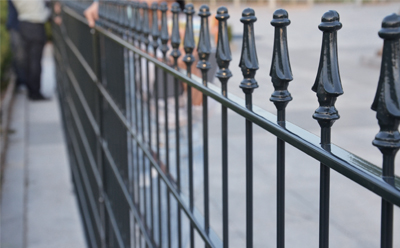
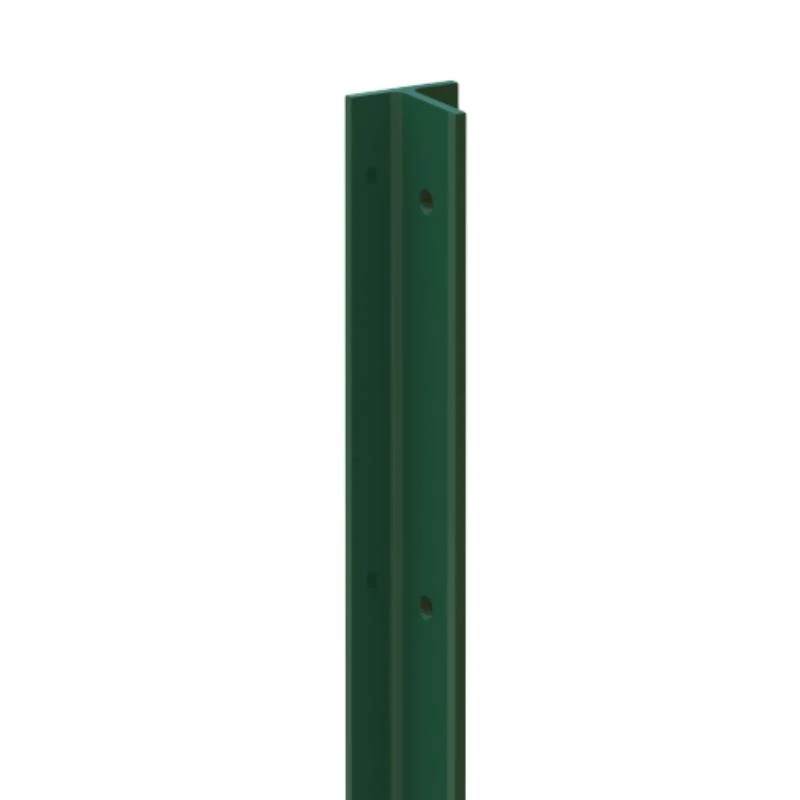
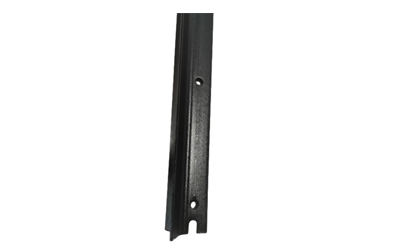
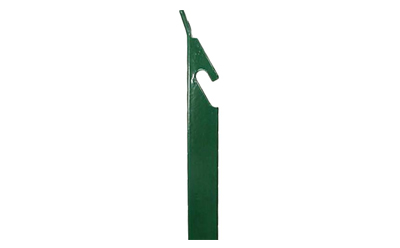
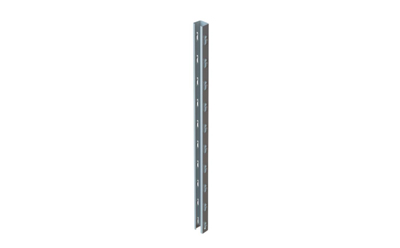
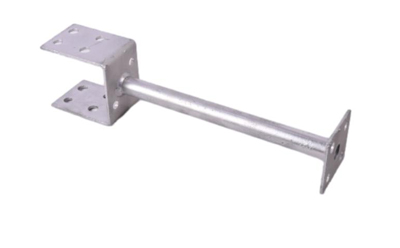
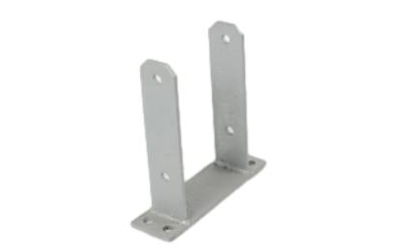
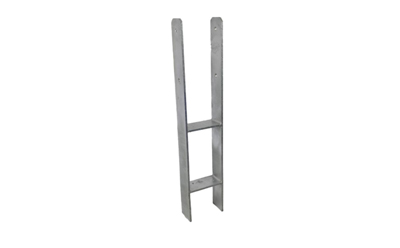
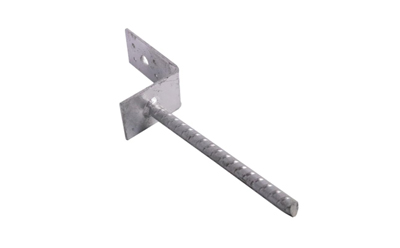
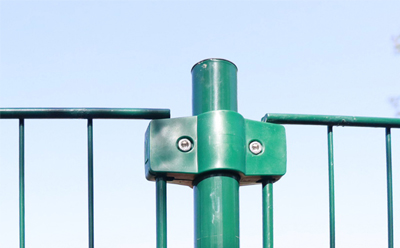
Simply put, metal fence posts are vertical steel or metal rods, typically measuring around 7 feet long (sometimes slightly more), designed to anchor fencing materials like wire mesh, panels, or timber rails.
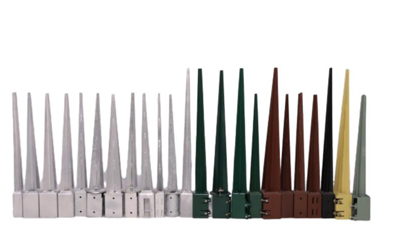
This specific length is popular because it provides enough ground depth to stabilize the post securely while allowing roughly 5ft or more above ground — a good height for typical fences. The posts often come coated with galvanization or powder finishes to resist rust over many years, which is crucial if they’re going into fields, salty coastal areas, or industrial zones.
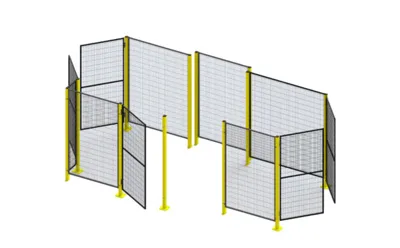
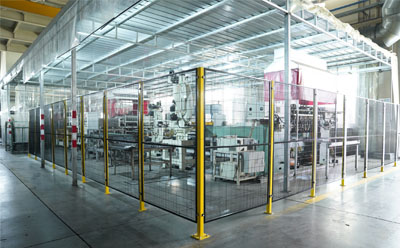
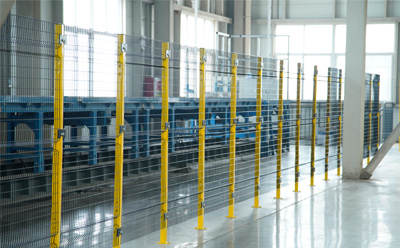
In industrial terms, these posts are core components of perimeter control systems — whether a farm boundary, construction site, or a refugee camp’s secure housing perimeter. For humanitarian organizations like the Red Cross, readily deployable fences made using 7-foot metal posts serve as critical quick barrier solutions.
---
Core Components & Key Factors Behind 7ft Metal Fence Posts
1. Durability and Corrosion Resistance
The best metal fence posts at 7ft are galvanized or powder-coated to withstand weather extremes. This isn’t just about a pretty finish — it extends post life and keeps fences intact for years, sometimes decades.
2. Optimal Height for Security
Seven feet provides a natural deterrent against trespassers. Higher than typical dog or livestock reach, but short enough for easy installation by a small crew or even one person with the right tools.
3. Versatility for Different Fencing Types
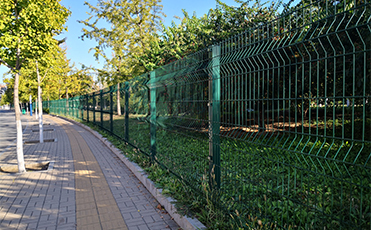
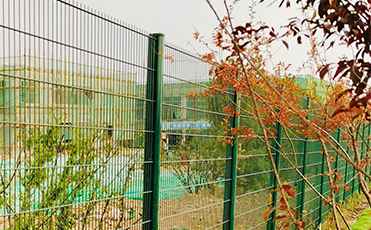
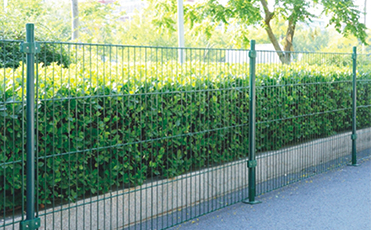
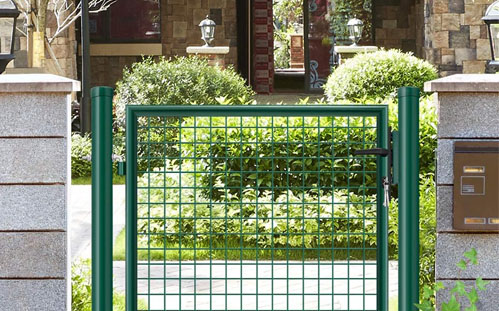
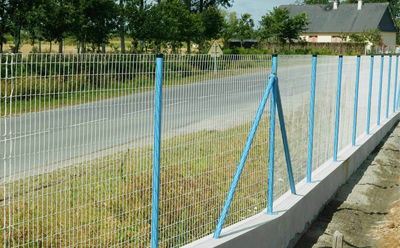
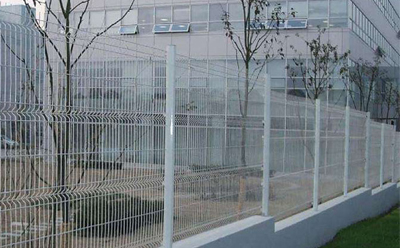
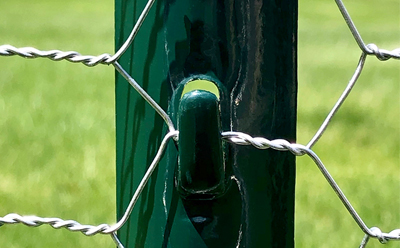
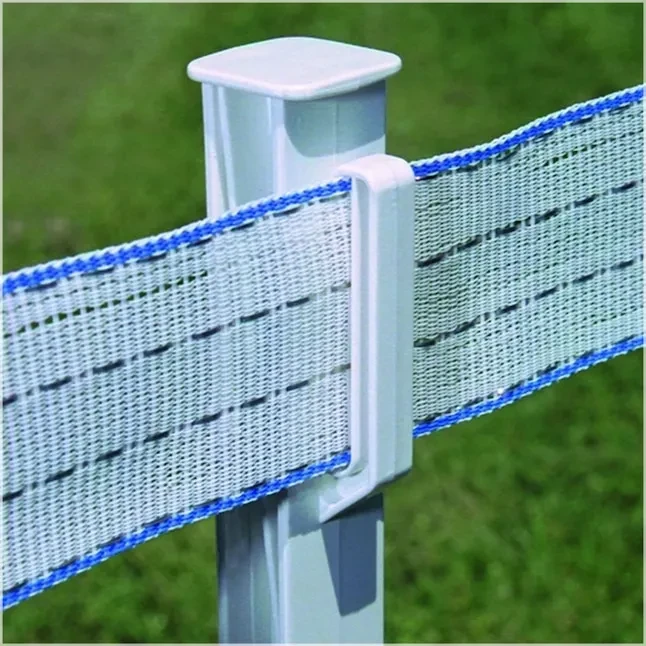
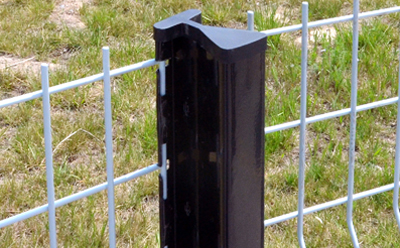
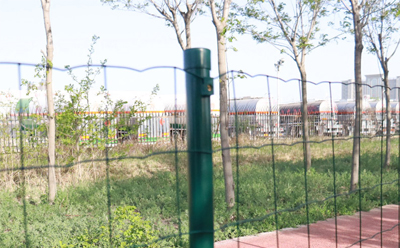
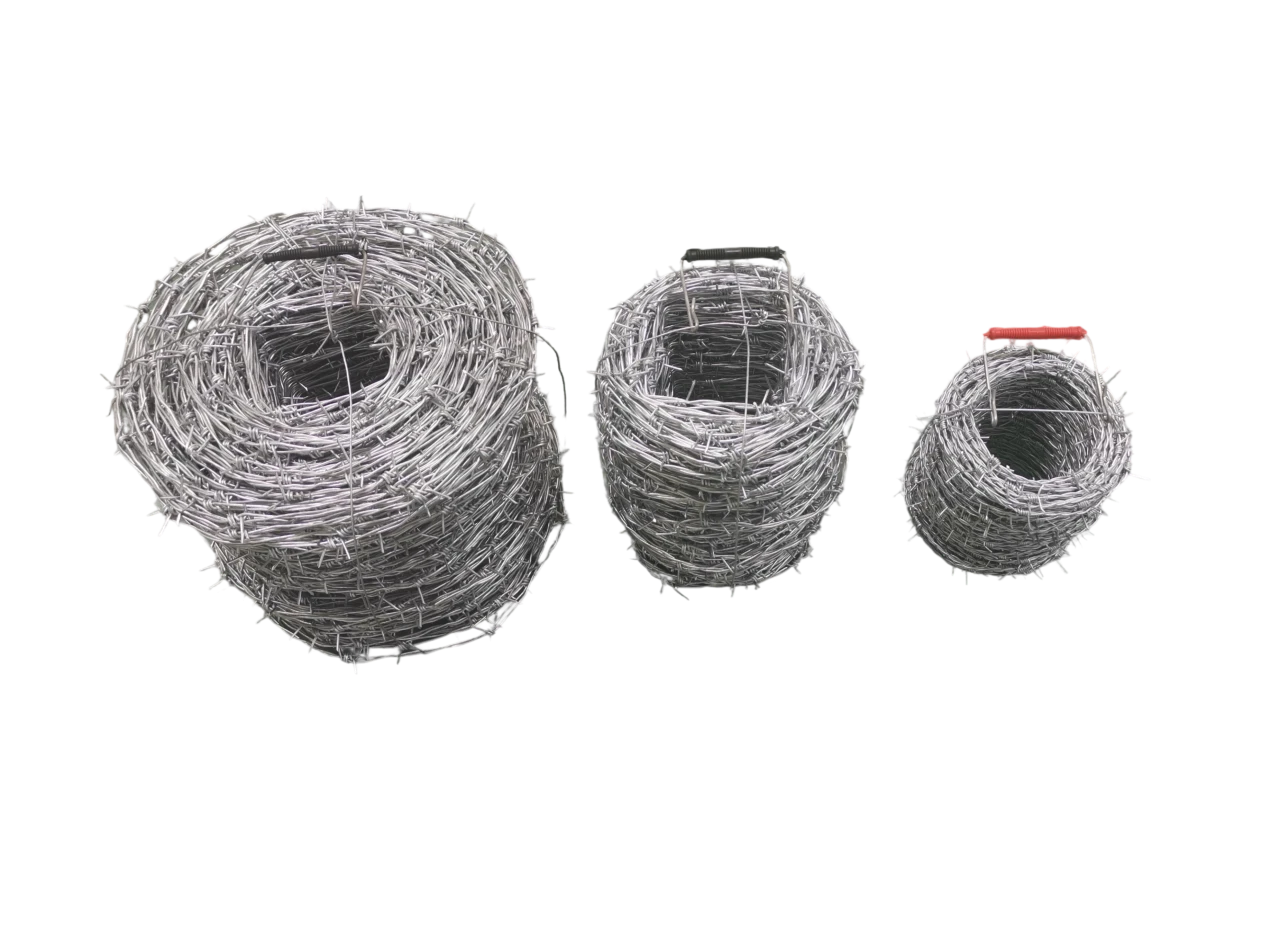
These posts aren’t one-trick ponies. They work well with chain link fences, wire mesh, barbed wire, and even wooden rails. Engineers tell me that’s why they’re still the frontline choice for so many sectors.
4. Ease of Installation
With a tubular or T-shaped design, these metal posts can be driven into a variety of soil types with post drivers or machinery, speeding up the process and reducing labor costs.
5. Cost Efficiency Over Time
While initial costs might be higher than wooden posts, the metal’s longevity and low maintenance make it the smarter investment, especially in harsh environments.
---
Real-World Applications Using 7ft Metal Fence Posts
Around the world, farms in the American Midwest still rely on 7ft metal posts to contain cattle and defend against predators. Over in sub-Saharan Africa, NGOs deploy fences with these posts as part of post-conflict reconstruction, offering refugees safety and controlled access to sanitation zones.
Meanwhile, in European urban redevelopment, ambitious projects install mesh fences on these sturdy posts to protect newly created green spaces from vandalism.
Just last year, a mining company in Australia adopted 7ft galvanized metal posts to quickly enclose expansion sites, noting a 30% reduction in theft and trespassing incidents since implementation. It’s this kind of practical, on-the-ground success that makes these posts a quiet hero in multiple sectors.
---
Advantages & Long-Term Value of Using 7ft Metal Fence Posts
When you think about long-term asset protection, safety, and sustainability, these posts really shine. There’s:
- Reliability: They keep fences standing through storms and time.
- Sustainability: Recyclable steel reduces environmental impact.
- Economic sense: Lower replacement costs and fewer repairs.
- Social trust: Secure fencing boosts community confidence in protected spaces.
- Innovation potential: Metal posts can integrate sensors or smart-lock systems in future urban landscapes.
In short, they’re not just steel rods — they’re safeguards of property, dignity, and progress.
---
The Future of Metal Fence Posts 7ft: Innovation on the Horizon
The fencing industry is evolving with green initiatives pushing biodegradable coatings and lower-carbon steel production. Smart fence posts with embedded IoT sensors are slowly becoming a reality. These sensors can monitor fence integrity, detect intrusions, or even environmental changes.
There’s also growing interest in modular fencing systems based on these posts — imagine snapping in new panels without dismantling the whole fence. This modularity saves time and resources, especially in emergency or military use cases.
Frankly, the age of the simple metal fence post feels like it’s far from over. Instead, it’s quietly gearing up for “smart” upgrades.
---
Common Challenges and How Experts Tackle Them
Of course, metal fence posts aren’t flawless. Concerns include:
- Corrosion risk in aggressive environments, like coastal areas or industrial zones. Solution: better coatings and routine maintenance.
- Initial cost barrier compared to wood for small farmers. Solution: increasing awareness of long-term value and microfinance options.
- Installation challenges in rocky or frozen ground. Solution: adapting post shapes and investing in special drivers or drilling equipment.
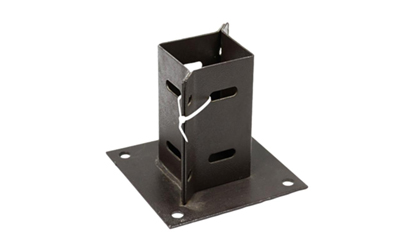
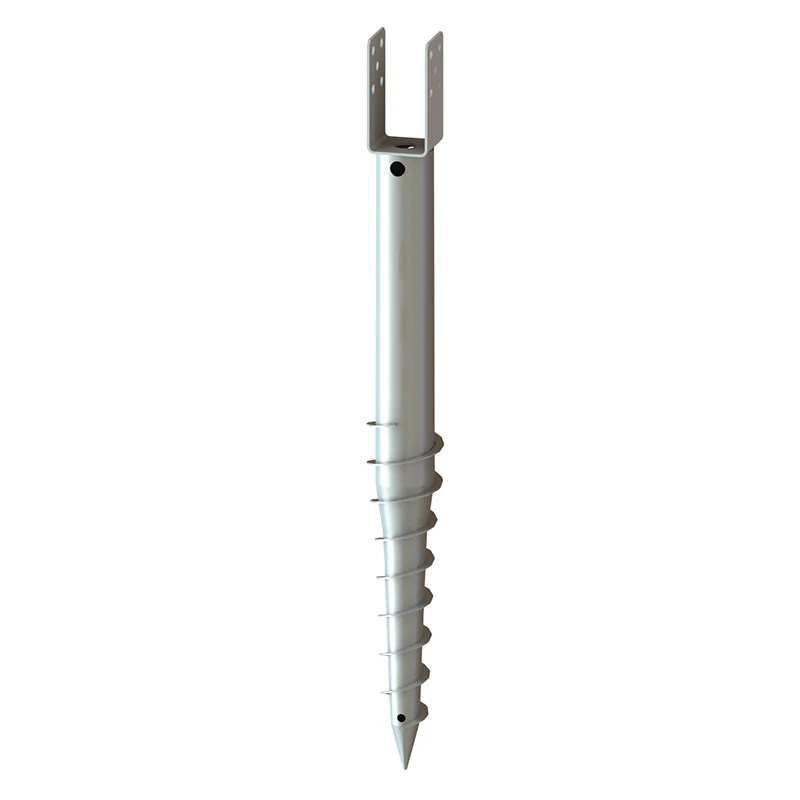
Many engineers recommend pairing metal posts with soil-appropriate installation practices — sometimes combining concrete footings or ground anchors — to boost stability.
---
FAQ: Practical Questions About Metal Fence Posts 7ft
Q: How long do 7ft metal fence posts typically last outdoors?
A: With proper galvanization or powder coating, these posts can last 20-30 years or more, depending on environmental exposure. Coastal salt spray and industrial pollutants may reduce lifespan if no maintenance is done.
Q: Can metal fence posts be recycled?
A: Absolutely. Steel fence posts are highly recyclable, making them an eco-friendly choice compared to treated wooden posts that can leach chemicals into the soil.
Q: What soil types are best for installing 7ft metal fence posts?
A: Most soils work well, but loamy and sandy soils are easiest. Rocky or clay-heavy soils might require pre-drilling or concrete anchors to ensure stability.
Q: Are metal posts suitable for temporary fencing?
A: Yes. Their durability and ease of installation make them ideal for short-term or rental fencing, such as construction sites or event perimeters.
Q: How do I choose the right coating for metal fence posts?
A: Galvanized posts resist rust well for typical use, but powder coating offers extra protection and aesthetics, which may be better in high-humidity or chemical environments.
---
Before You Go: Final Thoughts on Metal Fence Posts 7ft
From farms to factories, and refugee camps to city parks, metal fence posts at 7ft are quietly underpinning safety, security, and sustainability worldwide. They’re a subtle mix of old-school reliability and exciting future potential. So, if you’re considering fencing options that last, adapt, and perform, these posts are well worth a look.
For more detailed specs or sourcing information, I’d recommend visiting suppliers like
metal fence posts 7ft. It’s a good place to start if you’re keen on making smart investments in boundary solutions.
---
| Specification |
Details |
| Length |
7 feet (approx. 213 cm) |
| Material |
Galvanized Steel / Powder-coated Steel |
| Cross-section |
T-shaped or U-shaped |
| Average Weight |
Between 3-5 kg (varies by gauge) |
| Coating Thickness |
Minimum 80 microns (galvanized) |
| Typical Soil Embedment |
2 feet (approx. 60 cm) |
| Vendor |
Post Material |
Coating Type |
Typical Lead Time |
Price Range (per post) |
| Hebe Metals |
High-grade galvanized steel |
Hot-dip galvanization + powder coat |
2-4 weeks |
$8 - $12 |
| SteelCo Fence |
Standard galvanized steel |
Hot-dip galvanization only |
3-5 weeks |
$6 - $10 |
| EcoPost Solutions |
Recycled steel blend |
Powder-coated only |
4-6 weeks |
$9 - $13 |
Mini takeaway: If you need a reliable solution for fencing that stands up to time and environment, a 7ft metal fence post is the often unsung hero. It combines practicality with cost-effectiveness in almost every setting.
References
- Food and Agriculture Organization (FAO), Livestock fencing impact
- United Nations Environment Programme (UNEP) - Urban safety reports
- World Bank - Agriculture & Rural Development