





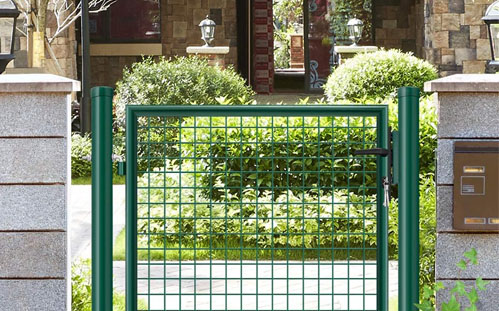
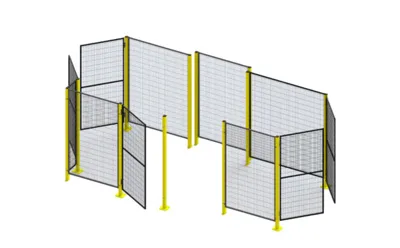
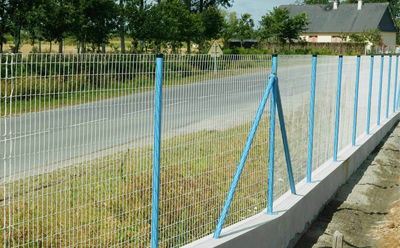
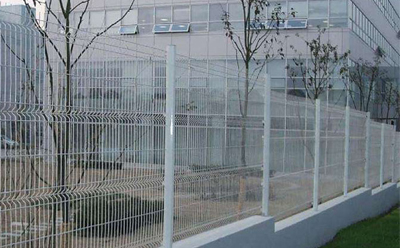
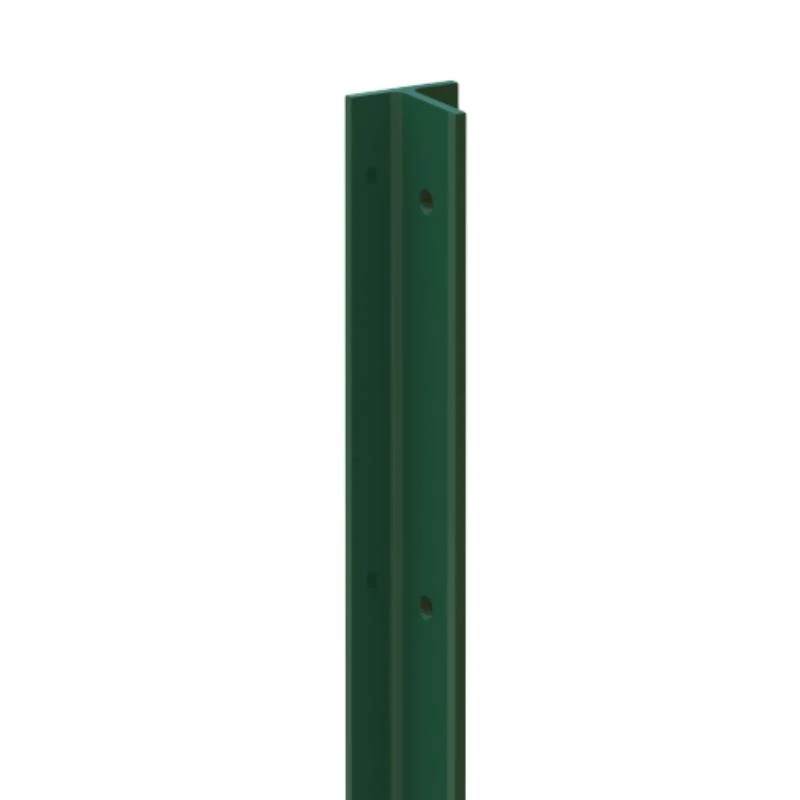
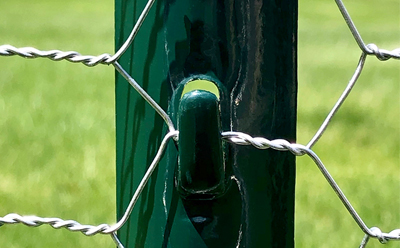
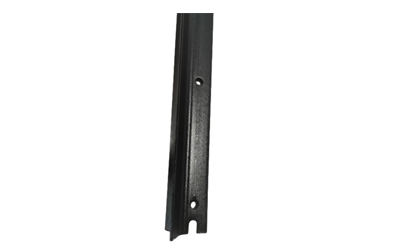
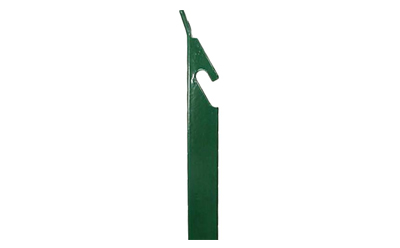
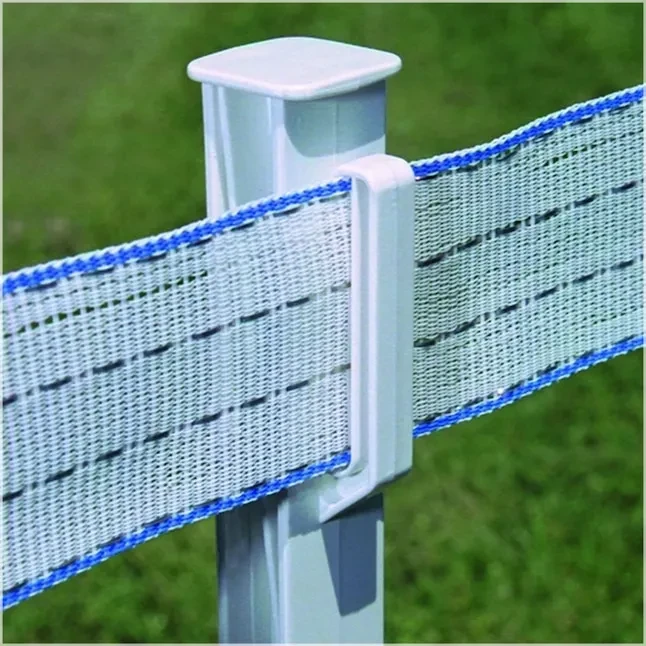
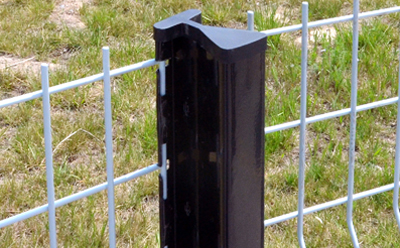
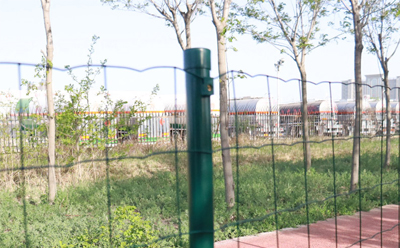
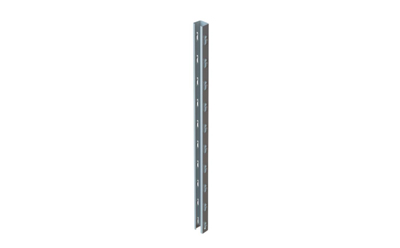



















If you’ve spent any time skimming through construction specs, you’ve probably come across 75x75 steel posts. They might seem like just another metal profile, but their global importance is actually quite profound. Briefly put: these posts form the backbone of countless infrastructure projects worldwide — from fencing agricultural land in East Africa to structuring urban greenhouses in Europe.
Why bother understanding them better? Because these steel posts combine cost efficiency, durability, and versatility in a way that makes them invaluable in industries as varied as disaster relief, agriculture, and renewable energy installations. As populations grow and industries demand stronger, sustainable materials, knowing the role and intricacies of these steel posts yields practical benefits — whether you’re a purchasing engineer, NGO coordinator, or a curious industry insider.
Globally, steel demand continues to rise, with the World Steel Association projecting output to reach nearly 2 billion tons by 2030. Within this staggering figure, structural steel profiles like 75x75 steel posts play a quiet yet essential role. They’re particularly favored where strong, uniform, and easy-to-install support elements are needed — think fencing, shelter frameworks, and even solar panel mounts.
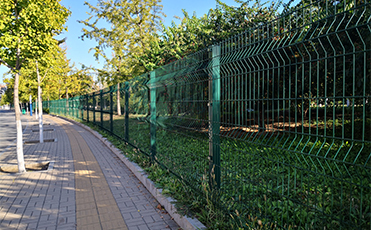
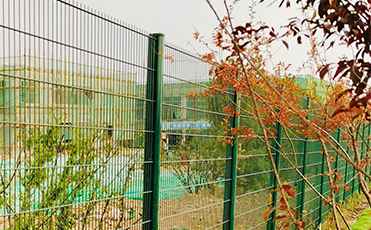
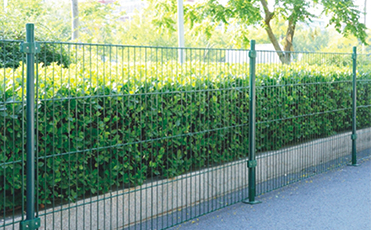
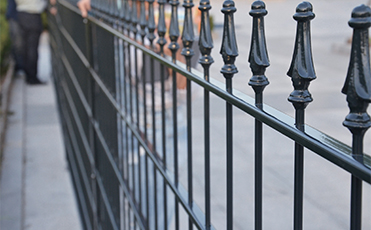
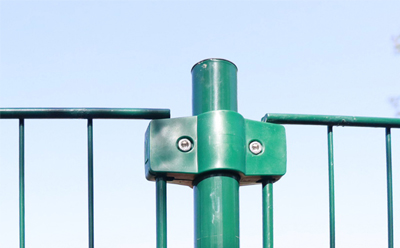
Consider rural areas in emerging economies where fencing large, uneven land is a challenge. 75x75 steel posts, usually hollow square tubes measuring 75mm by 75mm, offer a balance of strength and lightness that wooden or concrete alternatives can’t match — especially when logistics are tight. That’s not just a guess: ISO and UN reports on sustainable infrastructure investments highlight steel as a key driver of resilient construction.
But here’s the snag: despite their advantages, improper specification or low-grade production can cause failures — leading to costly delays or worse, structural risks. That’s why understanding their properties and supplier characteristics is not just a technical issue. It’s a practical one affecting global development projects from agricultural fencing in Kenya to industrial deployments in Australia.
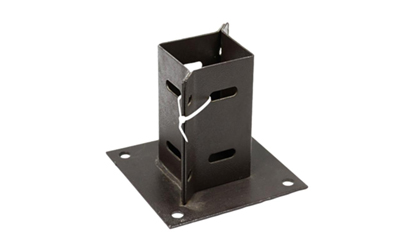
Simply put, 75x75 steel posts are hollow structural steel tubes with a square cross-section, each side measuring 75 millimeters. They’re manufactured through rolling and welding processes designed to produce uniform, high-strength sections.
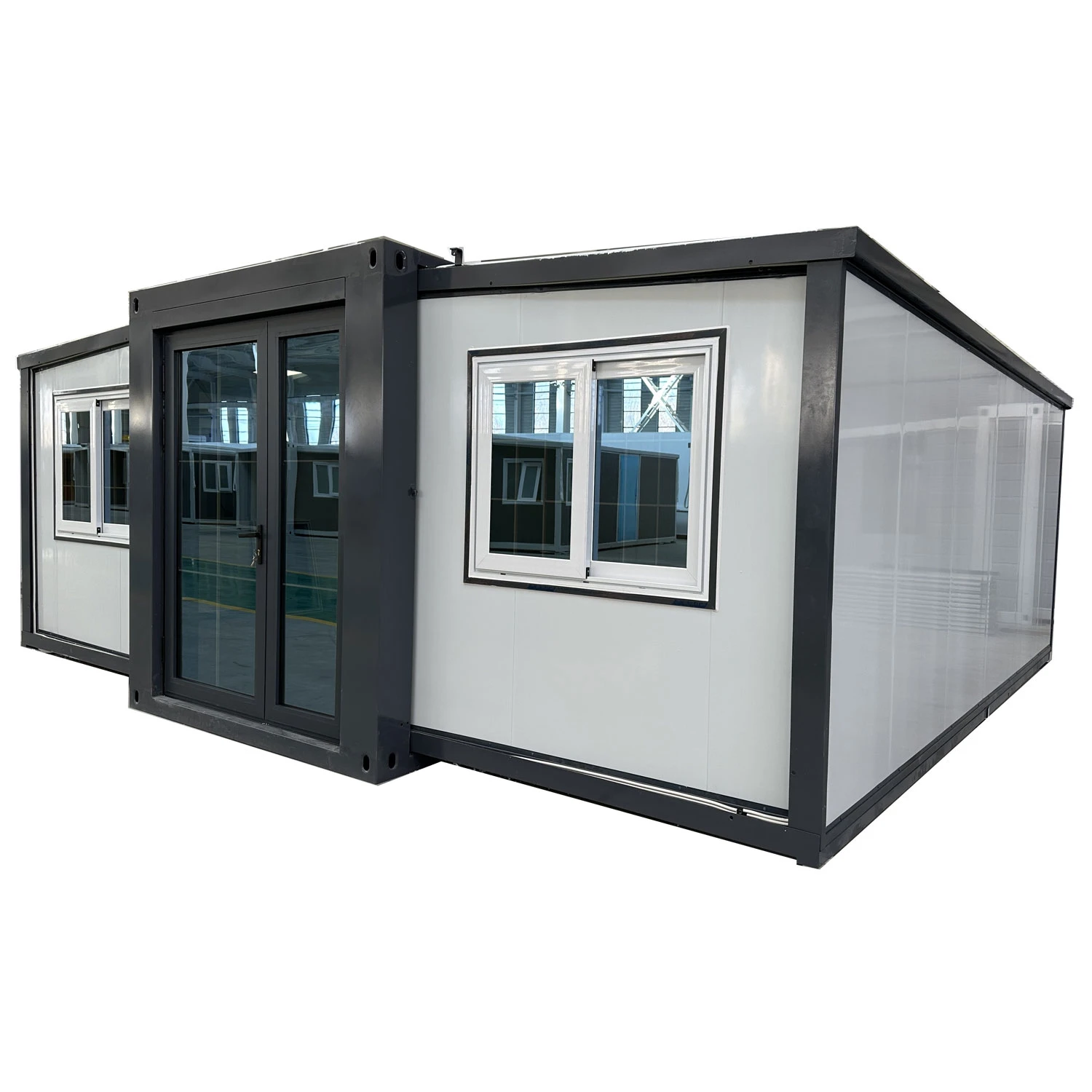
This shape and size are particularly favored because they provide uniform load distribution and excellent bending resistance, making them ideal for vertical supports in fencing, building frameworks, and even modular housing units.
From a humanitarian perspective, 75x75 steel posts have been instrumental in rapidly deploying durable shelters or protective fencing in disaster-prone regions, where speed and reliability matter. They’re lightweight enough to ship easily yet rugged enough to withstand harsh weather and mechanical stresses.
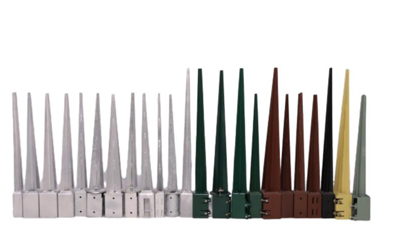
These posts are typically made from carbon steel grades that comply with ISO standards, ensuring resistance to corrosion, bending, and impact. Protective galvanization or powder coatings further extend their lifespan, especially in humid or coastal environments.
Compared to timber or reinforced concrete posts, 75x75 steel posts offer better lifecycle value. Their ease of manufacture, transport, and installation reduces labor and logistical costs, which can be decisive for large fencing projects or modular constructions.
Modular by design, these posts can be cut, welded, or bolted together to build structures of varying size and function, making them adaptable to evolving project requirements—from small gardens to large solar farms.
Steel is highly recyclable, and many manufacturers now use greener production methods. Thus, deploying 75x75 steel posts aligns with the global push for circular economies, especially when coupled with anti-corrosion treatments to elongate their useful life.
Standardized dimensions mean they fit easily with common mounting hardware and anchoring systems — a big plus for rapid deployment in humanitarian aid or temporary fencing solutions.
For example, in post-disaster zones like Southeast Asia after typhoons, aid agencies rely on these steel posts for speedy and reliable shelter framing. In remote mining camps in Australia, their corrosion resistance allows them to stand up to extreme weather without much maintenance.
On the one hand, there’s the logical perspective: these posts cut costs, last longer, and reduce regular maintenance headaches. But on the other hand, they also contribute emotionally to safety and dignity—think about families in disaster zones finding shelter supported by reliable materials. There’s trust there.
Environmentally, they’re part of a larger picture where steel production shifts to greener methods and circular recycling, aligning industrial growth with sustainability targets set by ISO and UN frameworks.
Innovations like higher-strength alloys, improved coatings, and integration with digital sensors for structural health monitoring are rapidly emerging. As digital transformation expands even into construction materials, you can expect “smart posts” that detect stress or corrosion before failure.
Increasing focus on renewable energy will also increase demand for standardized steel posts in solar panel frameworks and small wind turbines. And policies pushing green construction will favor posts made with recycled steel and minimal environmental impact.
One puzzle is inconsistent quality from low-cost manufacturers—sometimes leading to weak joints or insufficient coatings. The solution? Insisting on ISO certification, third-party testing, and strong supplier relationships.
Also, in remote installations, transport damage or installation errors can degrade their lifespan. Expert training and smart packaging help here.
| Specification | Detail |
|---|---|
| Dimensions | 75 mm x 75 mm (square) |
| Wall Thickness | 2.5 mm - 5 mm (varies by model) |
| Material Grade | Q235 / ASTM A500 Grade B |
| Surface Treatment | Hot-dip galvanizing / Powder coating |
| Length Options | 1m to 6m (customizable) |
| Weight per meter | Approx. 3.5 - 7.0 kg |
| Vendor | Certification | Lead Time | Price Range (per meter) | Global Shipping |
|---|---|---|---|---|
| Hebei Metals Co. | ISO 9001, ASTM Compliant | 2-3 weeks | $5.50 - $6.50 | Yes |
| Global Steel Solutions | CE Mark, ISO 14001 | 3-4 weeks | $6.00 - $7.20 | Yes |
| Indus Steelworks | ASTM, ISO 9001 | 2 weeks | $5.80 - $6.80 | Limited |
Honestly, it feels like 75x75 steel posts are one of those humble unsung heroes in construction and industry. They aren't flashy, but they solve fundamental problems—providing reliable, scalable, and sustainable support for dozens of global projects. From reinforcing livelihoods in rural farming communities to enabling rapid humanitarian aid setups, their long-term value is hard to exaggerate.
Whether you’re considering your next big fencing project or helping set up modular infrastructure anywhere on Earth, these steel posts are often the smart backbone to start with.
If you're looking for reliable, high-quality 75x75 steel posts backed by certification and global shipping, visit Hebei Metals. They’ve got solid expertise and a reputation many engineers trust.



Copyright © 2026 Hebei Minmetals Co., Ltd. All Rights Reserved. Sitemap | Privacy Policy | Menu