






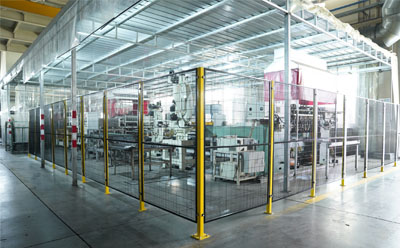
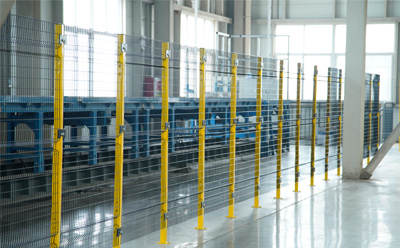
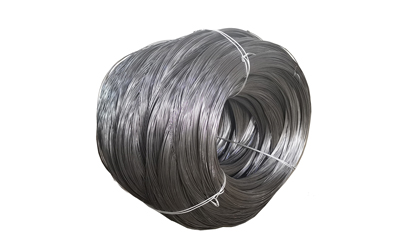
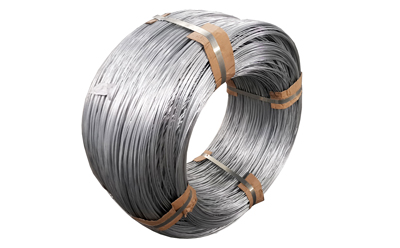

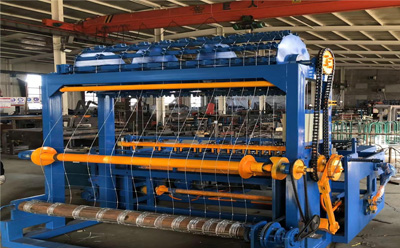
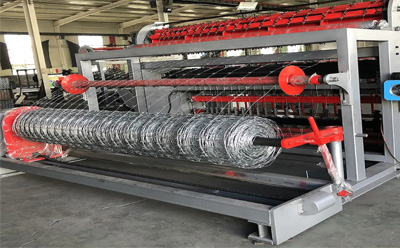
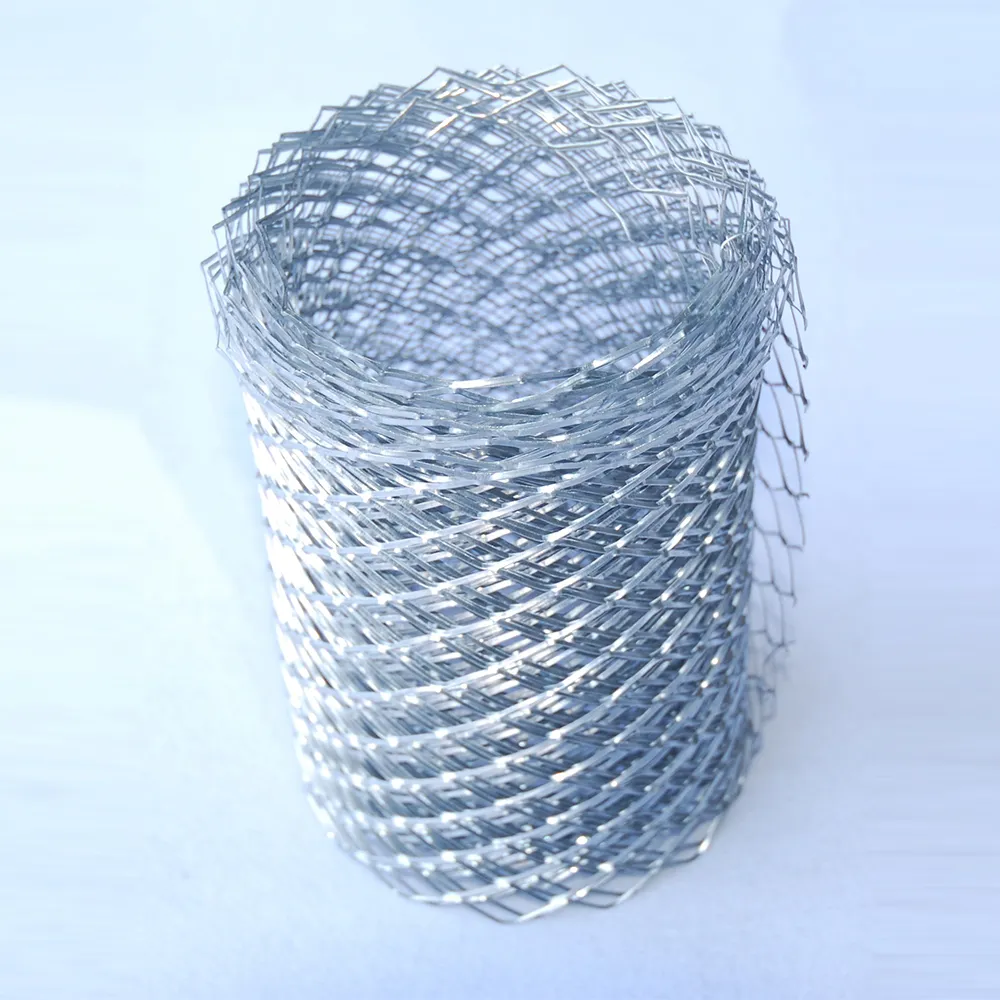
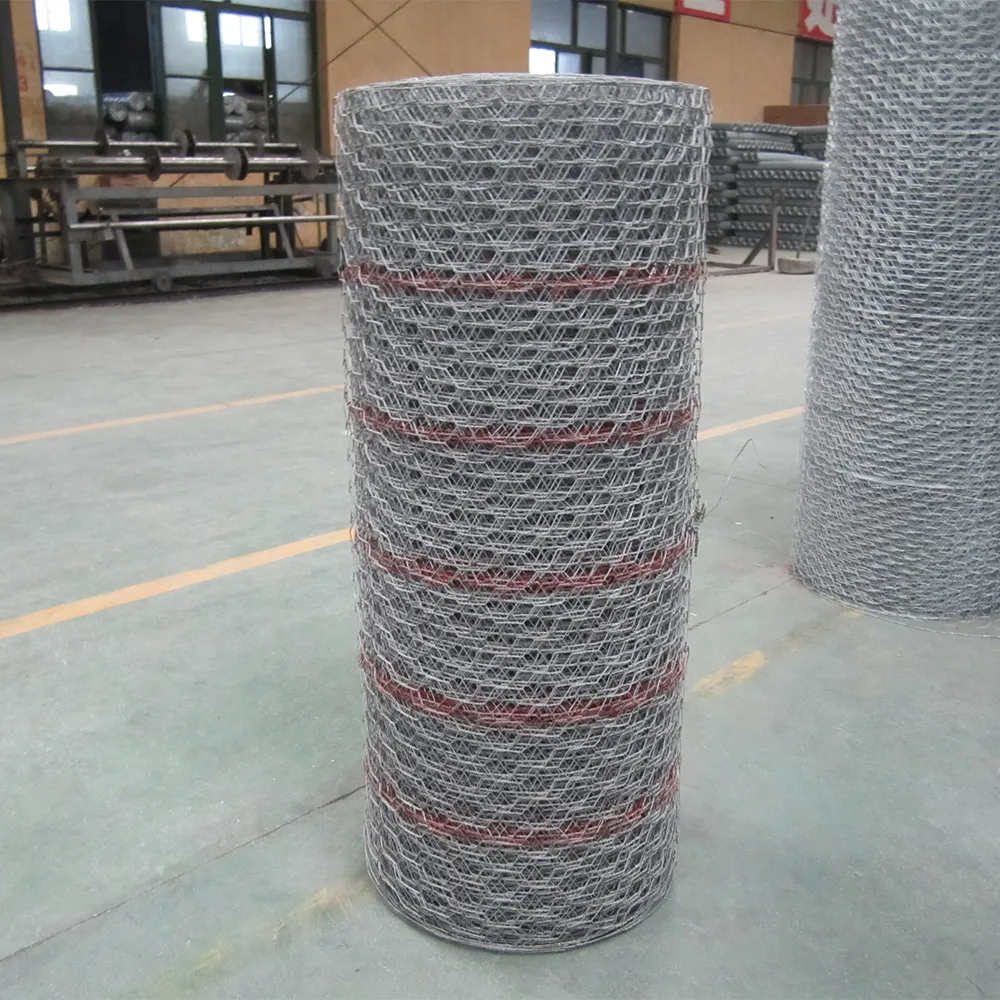
















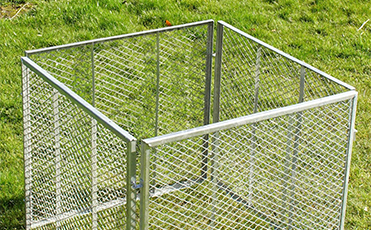
The global market for expanded wire mesh is experiencing robust growth, driven by increasing demand across diverse industrial sectors. Key trends indicate a shift towards advanced material compositions, enhanced structural integrity, and sustainable manufacturing practices. Innovations in expanded mesh production are focusing on optimizing strength-to-weight ratios, improving corrosion resistance, and developing aesthetic solutions for architectural applications. The market is also seeing a surge in demand for specialized alloys capable of performing under extreme temperatures and corrosive environments, particularly in the energy and chemical processing industries. Furthermore, the integration of automation and precision engineering in manufacturing processes is leading to higher quality, more consistent products, and reduced production costs, making expanded metal mesh for sale more competitive globally.
Current market projections highlight a compound annual growth rate (CAGR) of approximately 5.5% for the expanded metal market from 2023 to 2030, largely attributed to burgeoning infrastructure projects and stringent safety regulations demanding reliable, durable materials. The emphasis on lightweight yet strong materials in transportation, coupled with the need for effective filtration and security solutions, continues to fuel this expansion. Manufacturers are also exploring customizable solutions to meet niche application requirements, positioning companies that offer extensive customization as leading suppliers.
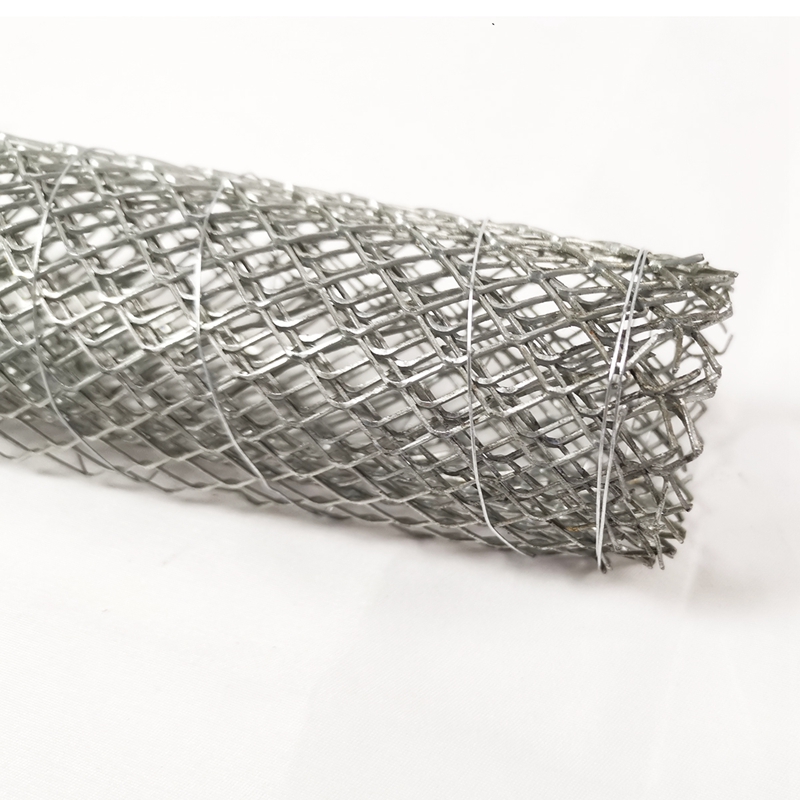
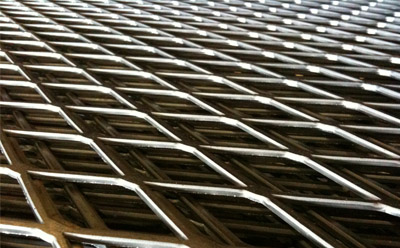
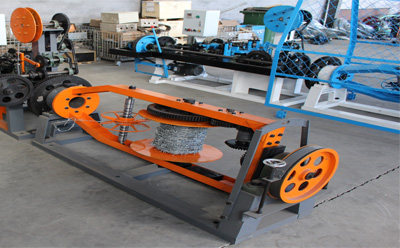
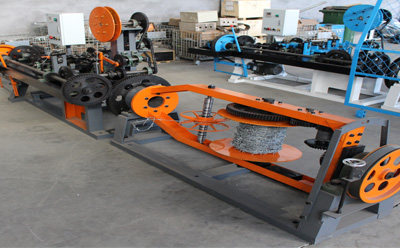
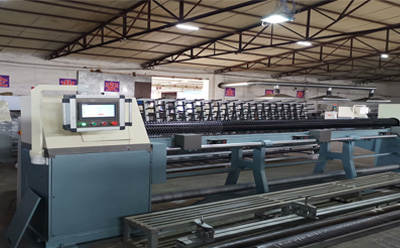
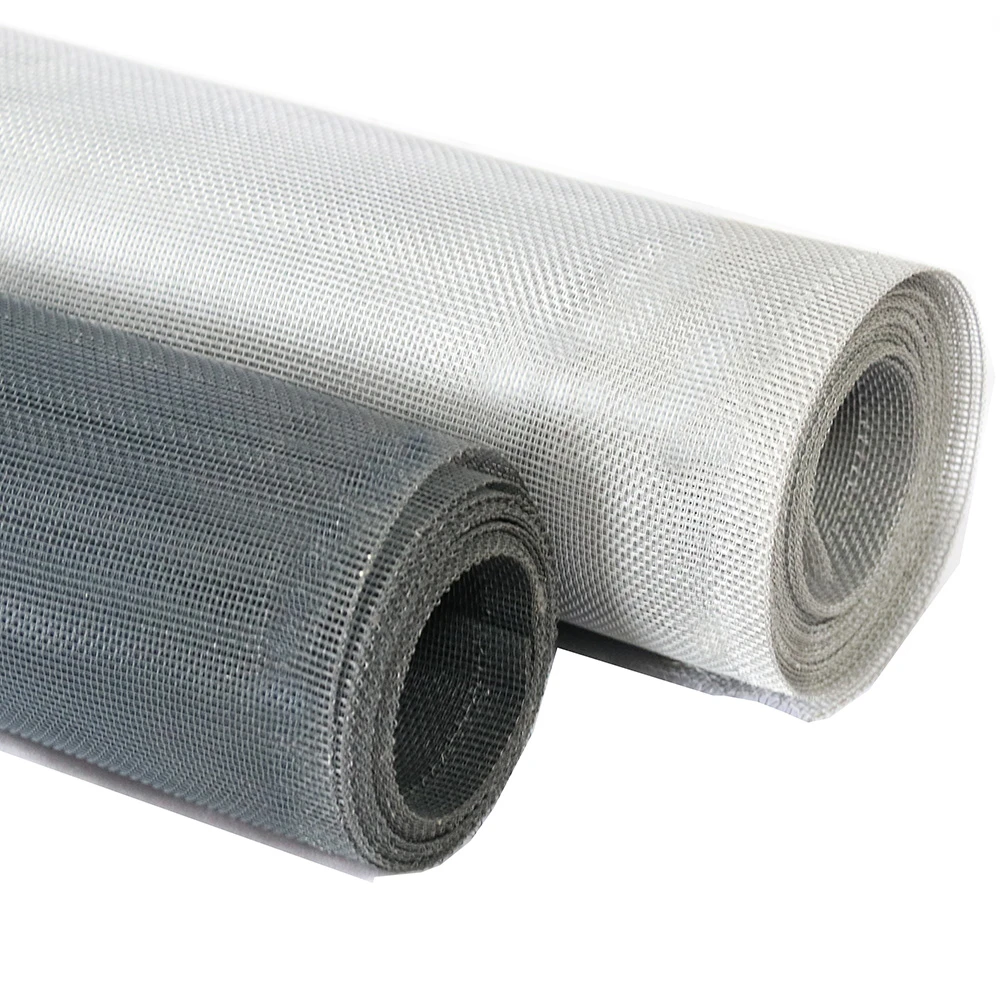
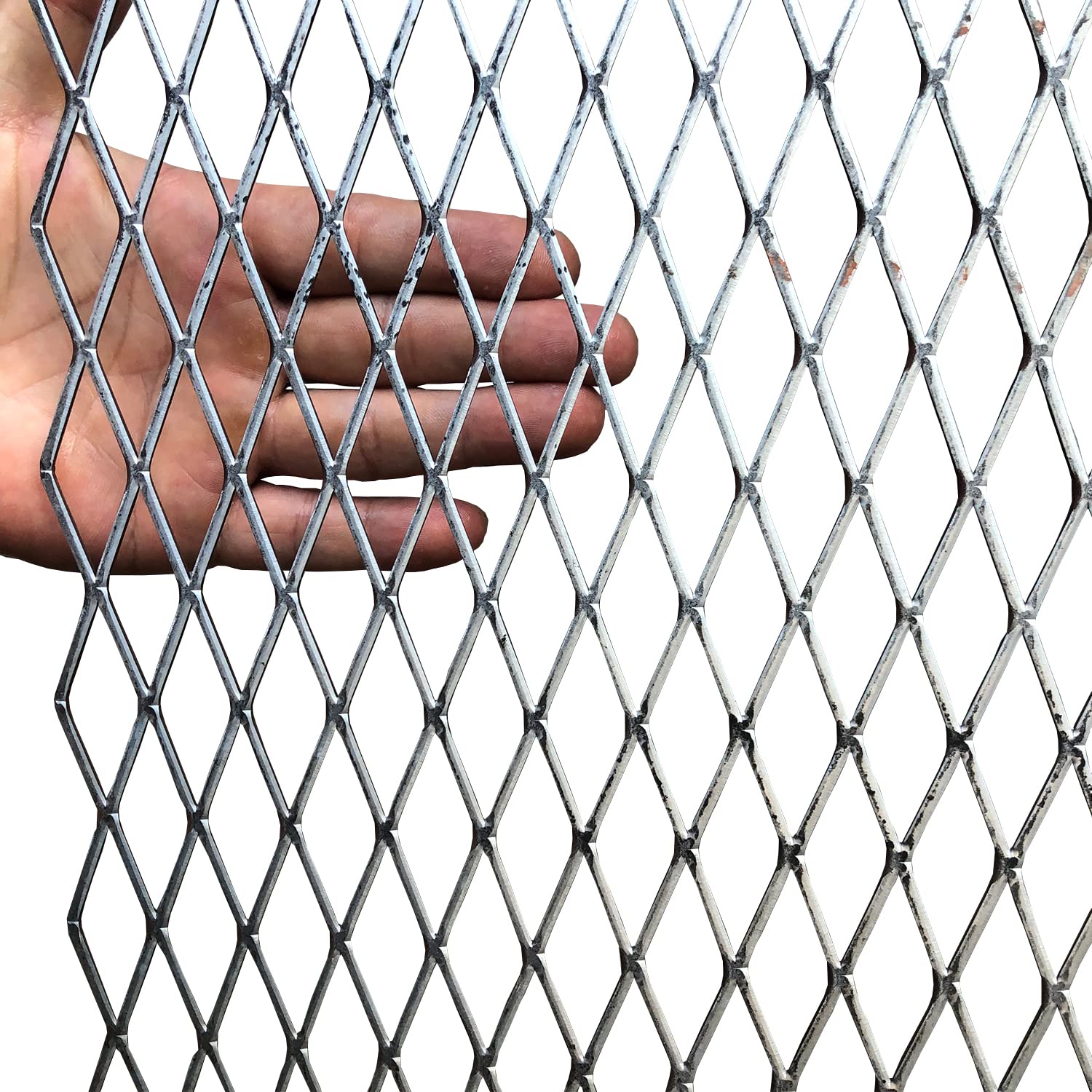
The manufacturing of expanded wire mesh is a precise and efficient process that transforms solid metal sheets into a net-like structure without any material loss. This unique production method imparts exceptional strength and rigidity to the final product, distinguishing it from woven or welded meshes. The primary raw materials typically include carbon steel, stainless steel (e.g., SS304, SS316), aluminum, galvanized steel, and various alloys, selected based on the intended application's demands for corrosion resistance, strength, and weight.
The service life of expanded wire mesh is typically exceptional, often exceeding 20-30 years in non-corrosive environments for galvanized or stainless steel variants. In aggressive environments, specialized coatings or higher-grade alloys extend this lifespan significantly. Target industries include petrochemical, metallurgy, mining, water supply & drainage, automotive, construction, and HVAC. For instance, in petrochemical applications, the open area percentage of expanded mesh allows for efficient fluid and gas flow while providing critical support and safety barriers, contributing to energy saving and superior corrosion resistance due to the seamless nature of the material.
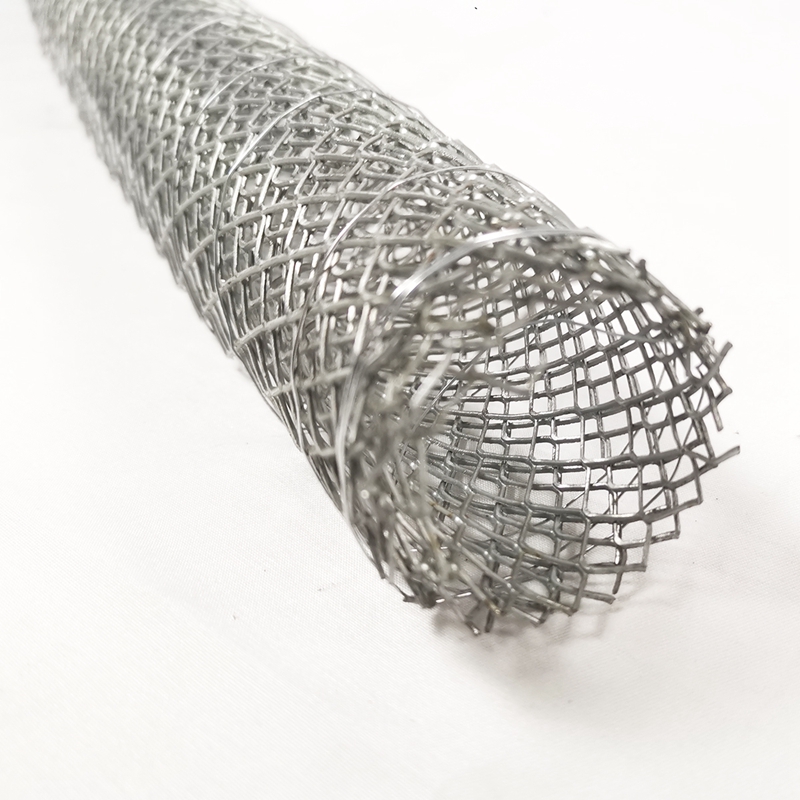
Understanding the precise technical specifications is paramount for selecting the appropriate expanded wire mesh for any B2B application. These parameters dictate the mesh's structural integrity, filtration capabilities, load-bearing capacity, and aesthetic properties. Key specifications include the LWO (Long Way of Opening), SWO (Short Way of Opening), strand width, strand thickness, and overall sheet dimensions.
| Parameter | Description | Typical Range / Value |
|---|---|---|
| Material | Common raw materials used | Carbon Steel, SS304, SS316, Aluminum, Galvanized Steel |
| LWO (Long Way of Opening) | Dimension of the opening's longer diagonal | 12.7 mm to 150 mm |
| SWO (Short Way of Opening) | Dimension of the opening's shorter diagonal | 4 mm to 76 mm |
| Strand Width | Width of the individual metal strand | 0.5 mm to 8 mm |
| Strand Thickness | Thickness of the metal sheet prior to expansion | 0.3 mm to 6 mm |
| Overall Thickness | Total thickness of the expanded sheet (from top of node to bottom) | 0.8 mm to 20 mm |
| Sheet Size | Standard sheet dimensions (L x W) | 1000x2000mm, 1220x2440mm, or Custom |
| Open Area Percentage | The percentage of open space in the mesh | 50% to 85% (varies by mesh pattern) |
| Surface Treatment | Protective or aesthetic coatings | Galvanized, PVC Coated, Powder Coated, Anodized |
These parameters directly influence the performance characteristics. For instance, a higher open area percentage is crucial for filtration or airflow applications, while thicker strands and smaller openings provide enhanced security and load-bearing capabilities. Engineers meticulously specify these dimensions to ensure optimal functionality and compliance with project requirements.
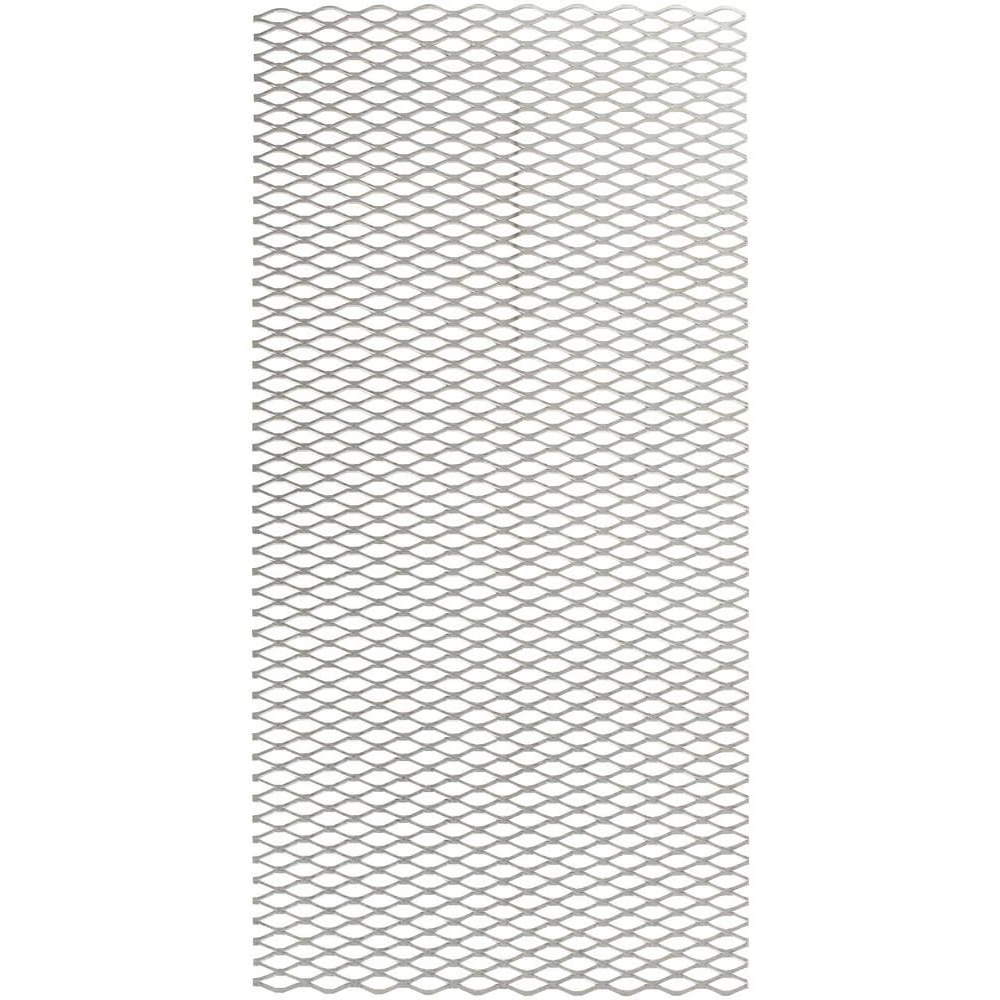
The inherent versatility and structural integrity of expanded wire mesh enable its application across an incredibly broad spectrum of industries. Its unique properties, combining open area with robust strength, make it an ideal material for both functional and aesthetic purposes.
The versatility of expanded mesh is further enhanced by its ability to be fabricated into various shapes and sizes, making it a preferred choice for complex industrial designs and architectural visions. For instance, in the petroleum industry, expanded metal is widely used for catwalks and platforms on offshore rigs, offering high strength, light weight, and excellent drainage properties, which are critical for safety and longevity in marine environments.

The advantages of expanded wire mesh stem directly from its unique manufacturing process and inherent material properties, positioning it as a superior choice for many industrial and commercial applications.
These advantages underscore why expanded mesh continues to be a preferred choice for engineers and procurement specialists seeking a reliable, cost-effective, and high-performance material.

Choosing the right expanded wire mesh supplier is crucial for ensuring product quality, timely delivery, and competitive pricing. Factors such as manufacturing capabilities, quality certifications, experience, and after-sales support significantly differentiate vendors.
| Feature/Criterion | Hebei Metals Co. Ltd. | Competitor A (Large Scale) | Competitor B (Niche) |
|---|---|---|---|
| Quality Certifications | ISO 9001:2015, CE, Material Traceability | ISO 9001:2008 | ISO 9001:2015 |
| Customization Capabilities | Extensive (material, pattern, size, finish) | Moderate (standard materials/patterns) | High (specialty alloys, unique patterns) |
| Lead Time (Standard Orders) | 1-3 Weeks | 2-4 Weeks | 3-6 Weeks |
| Technical Support | Dedicated engineering team, 24/7 support | Standard business hours support | Specialized technical consultants |
| Product Range | Comprehensive (standard, flattened, heavy-duty, micro) | Broad (standard & heavy-duty) | Focused (e.g., architectural or filtration) |
| Pricing Competitiveness | Highly Competitive (direct manufacturer) | Competitive (volume discounts) | Premium (specialty product focus) |
Hebei Metals Co. Ltd. prides itself on its adherence to international quality standards, holding certifications like ISO 9001:2015, ensuring that every batch of expanded mesh meets stringent requirements for material composition, dimensional accuracy, and finish. Our extensive experience serving diverse industries for over two decades, combined with a commitment to continuous innovation, solidifies our position as a reliable expanded wire mesh supplier.
Recognizing that off-the-shelf solutions may not always suffice, we specialize in providing bespoke expanded wire mesh products tailored to specific project demands. Our engineering team collaborates closely with clients to understand unique challenges and translate them into optimal mesh designs, materials, and finishes.
Case Study 1: High-Security Data Center Enclosures
A prominent technology firm required robust, anti-climb security caging for their critical server infrastructure. Our team engineered a heavy-duty expanded wire mesh solution using 3.0mm thick galvanized steel, with a unique small diamond pattern (12x25mm LWOxSWO) to prevent handholds and footrests. The mesh was further enhanced with a specialized powder coating for added durability and a professional aesthetic. This custom solution provided superior security, excellent airflow for cooling, and met the client's stringent physical security requirements, receiving commendation for its resistance to forced entry attempts during internal penetration tests.
Case Study 2: Offshore Platform Walkways
For a major energy company operating in the North Sea, traditional grating proved too heavy and susceptible to corrosion. We supplied custom-fabricated flattened expanded wire mesh made from marine-grade SS316. The specific LWO/SWO (38x76mm) and strand dimensions (4x5mm) were optimized for drainage of seawater and oil, while providing a safe, non-slip walking surface even in adverse weather. The lighter weight significantly reduced structural load on the platform, and the SS316 material ensured exceptional resistance to saltwater corrosion, drastically extending the lifespan compared to previous materials and reducing maintenance costs by 30% over five years.
Q: What is the difference between standard and flattened expanded mesh?
A: Standard (Raised) expanded mesh has strands and bonds set at a uniform angle to the plane of the sheet, creating a corrugated, textured surface. Flattened expanded mesh is cold-rolled after expansion, resulting in a smooth, flat surface with uniform thickness, often preferred for aesthetic applications or where a flat contact surface is required.
Q: How do I calculate the open area percentage of expanded mesh?
A: The open area percentage is derived from the LWO, SWO, and strand dimensions. While complex to calculate manually, reputable suppliers provide this specification for each mesh pattern, or you can use industry-standard formulas. It represents the proportion of open space to total surface area, crucial for airflow, light transmission, and filtration applications.
Q: Can expanded mesh be welded or fabricated?
A: Yes, expanded wire mesh can be welded, cut, formed, and fabricated to integrate into larger structures. Welding techniques will vary based on the base material (e.g., TIG for stainless steel, MIG for carbon steel). Our facilities offer comprehensive fabrication services to deliver ready-to-install components.
Our standard lead time for common expanded wire mesh products ranges from 1 to 3 weeks, depending on material availability, order volume, and specific finishing requirements. For highly customized orders or large-scale projects, lead times will be provided with a detailed quotation. We maintain a substantial inventory of raw materials and popular mesh configurations to facilitate rapid fulfillment. Urgent orders can often be expedited; please contact our sales team for specific requests and capabilities.
Hebei Metals Co. Ltd. stands behind the quality of our products. All expanded wire mesh supplied is covered by a standard 12-month warranty against manufacturing defects and material failures under normal operating conditions. Extended warranty options are available for specific products and project requirements. Our commitment ensures that products meet or exceed stated specifications and perform reliably in their intended applications.
Our dedicated customer support team is available to assist with technical inquiries, order tracking, and after-sales service. We offer comprehensive support from initial consultation and specification development through to delivery and installation guidance. You can reach us via:
We are committed to building long-term partnerships through reliable products and exceptional service, positioning ourselves as your trusted expanded wire mesh supplier.



Copyright © 2026 Hebei Minmetals Co., Ltd. All Rights Reserved. Sitemap | Privacy Policy | Menu