














Fence posts — especially metal ones — might seem mundane at first glance, but their role in countless industries and applications is surprisingly significant. Whether it’s securing farmland in rural Africa or providing boundary protection in sprawling urban developments, putting in metal fence posts stands as a key infrastructure activity with important global implications. In real terms, these posts ensure safety, durability, and long-term value — often under harsh environmental pressures.
Understanding how to properly set these posts isn’t just a construction detail. It's a vital practice linking civil engineering, agriculture, humanitarian projects, and even ecosystem management worldwide.
Why does this matter beyond just “getting a fence up”? The global market for fencing materials is booming, projected by the World Fencing Industry Report to reach $14 billion by 2028, driven largely by urbanization and agricultural needs. Metal posts, often galvanized steel or aluminum, offer better longevity and environmental resistance compared to wood or plastic alternatives.
Yet, challenges remain. Many developing regions face soil conditions that complicate installation — loose, sandy, or rocky earth — making efficient and stable post-setting critical. Organizations like the UN Sustainable Development Goals emphasize the need for resilient infrastructure, where fence integrity can mean safer communities and better resource management.
So, putting in metal fence posts isn’t just about fences; it’s about safeguarding property, livelihoods, and sometimes even human dignity in a changing world.
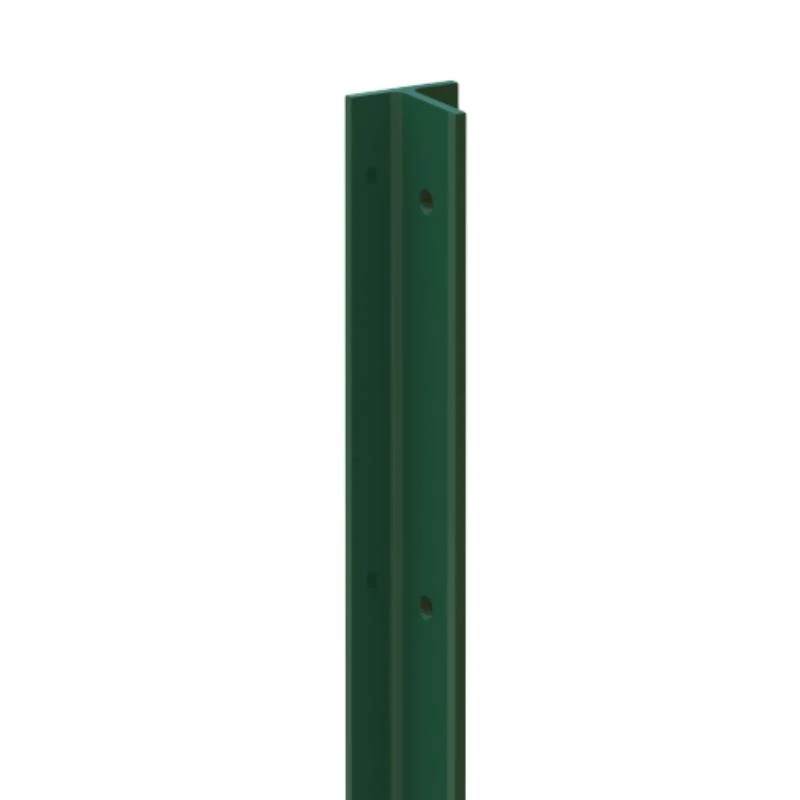
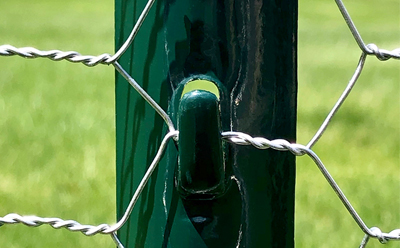
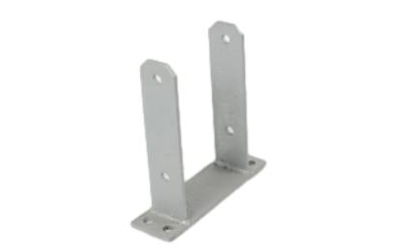
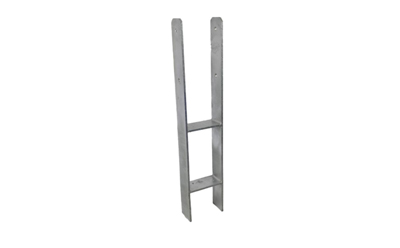
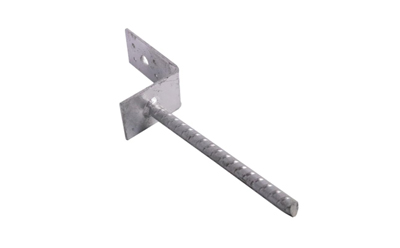
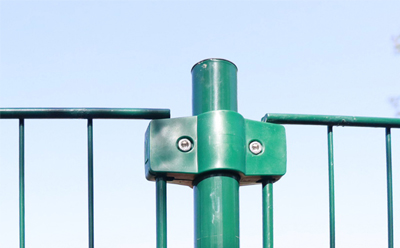
At its core, the phrase means installing vertical metal supports into the ground to form a fence line. This involves digging or drilling holes, preparing the soil or ground conditions, placing the post, and then securing it — often with concrete or compacted backfill.
This process ties heavily into modern construction techniques where efficiency, durability, and safety standards matter. In humanitarian settings, quick and reliable fences can delineate safe zones or protect temporary settlements. In industrial contexts, metal posts support security systems that guard critical installations.
Think of putting in metal fence posts as laying the foundation for limited but essential boundaries — lines that keep things safe, organized, and functional.
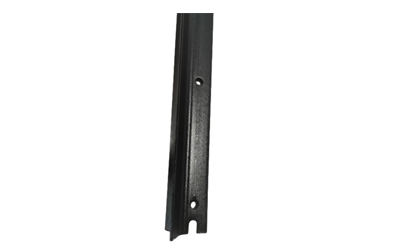
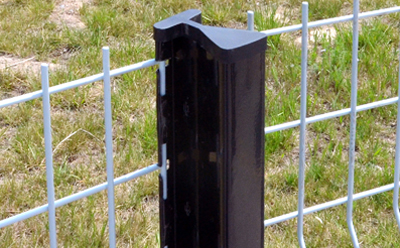
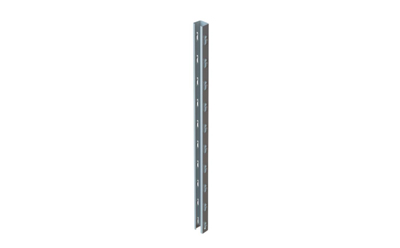
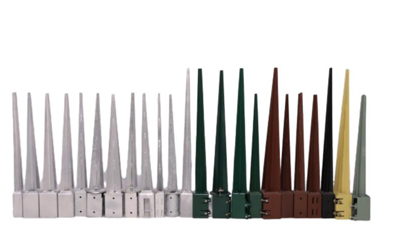
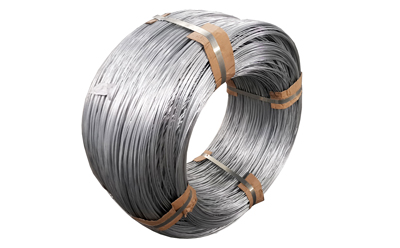
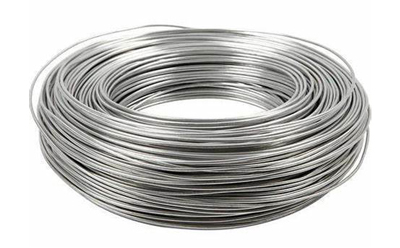
Metal fence posts come in various alloys — galvanized steel, aluminum, and sometimes stainless steel. The selection depends heavily on environment: coastal areas prone to salt corrosion require better coatings or stainless materials, while most rural areas do well with galvanized steel. The metal’s thickness and coating directly impact the post’s lifespan.
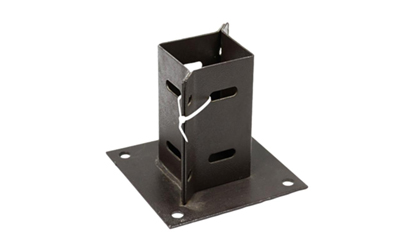
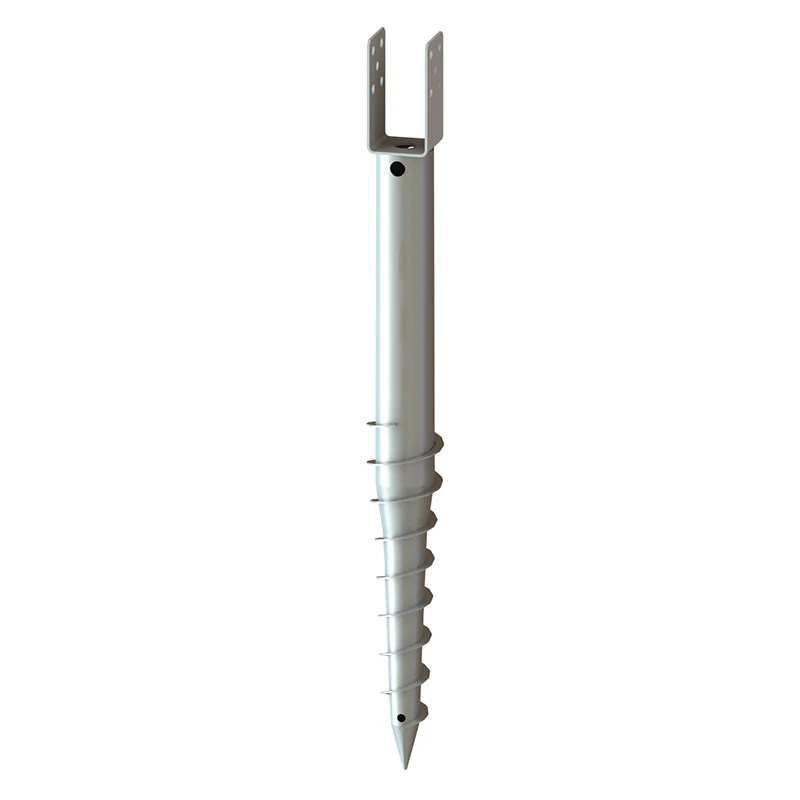
How you install matters just as much as what you install. Posts can be driven directly into the soil using a post driver or inserted into pre-dug holes and secured with cement. The choice affects ease, speed, and stability. In rocky soil, drilling and concrete are often necessary to ensure posts don’t shift or lean over time.
It’s odd how soil type can change the entire game. Sandy or loose soil requires deeper set posts or added anchoring measures, while clay soil demands consideration for drainage to avoid looseness in wet seasons. Proper site assessment before installation saves headaches later.
While metal posts cost more initially than wood, their longevity reduces maintenance and replacement costs. Plus, installation methods that speed the process can cut labor expenses considerably. Finding the "sweet spot" combines upfront cost with long-term value.
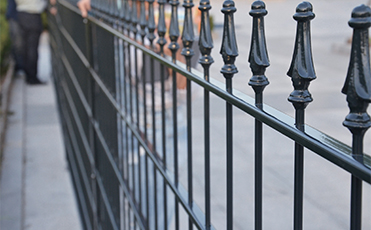
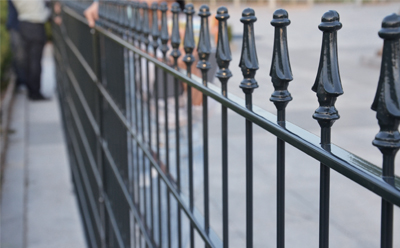
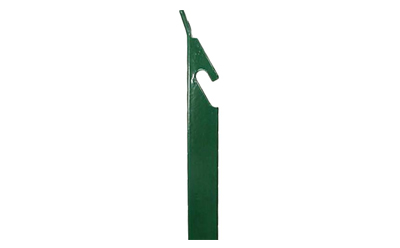
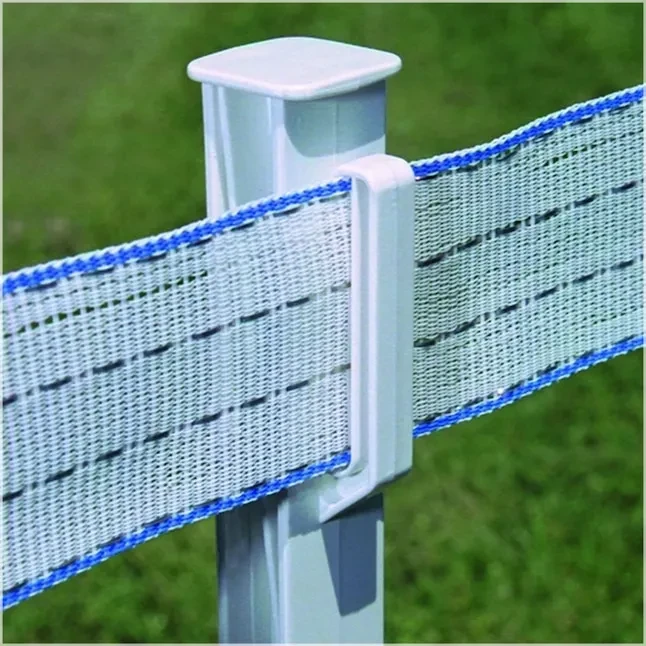
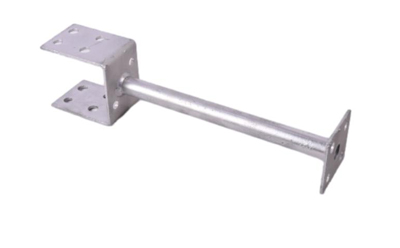
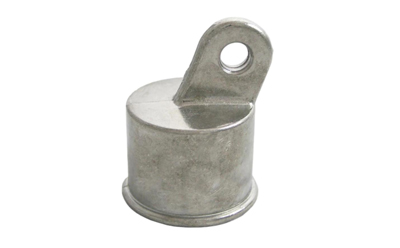
For large projects — say, wildlife reserves or industrial perimeters — modular metal posts that fit standardized fencing systems make scaling easier. Also, metal posts can often be customized with molded caps, hooks, or integrated wiring for electric fences.
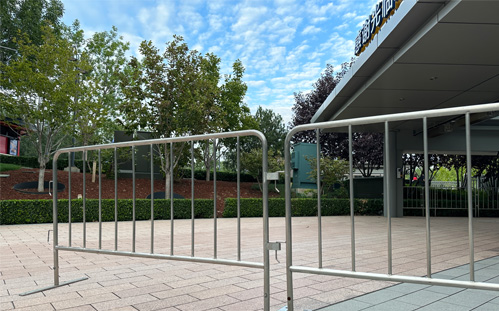
From sprawling ranches in Texas to conservation areas in sub-Saharan Africa, putting in metal fence posts is everywhere. In disaster relief settings — like after hurricanes or earthquakes — quick installation of metal fence posts helps secure camps and protect vulnerable people. NGOs use lightweight, modular posts here for fast setup.
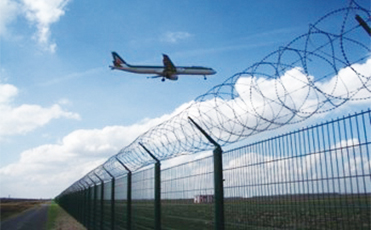
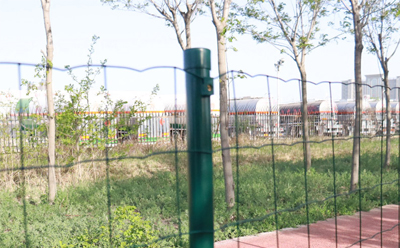
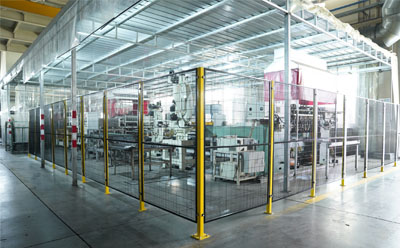
In industrial zones across Europe and Asia, metal posts often support fences with integrated sensors or cameras, blending physical barriers with smart technology. Meanwhile, in agriculture-heavy regions like South America, farmers rely on corrosion-resistant metal posts to fence livestock and crop fields, reducing losses.
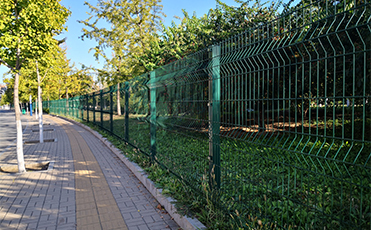
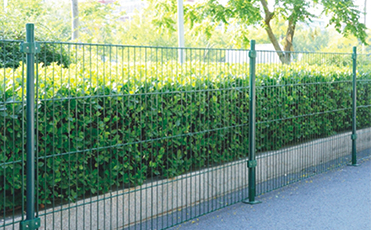
Oddly enough, even urban parks and sports fields have switched to metal fence posts; maintenance crews appreciate how these last decades with minimal upkeep.
Emotionally, a sturdy fence line means peace of mind — a practical way of saying “this place is cared for.”
Exciting innovations are afoot. New alloys that resist corrosion while being lighter mean easier handling with less fatigue for crews. Automation tools, including post-setting machines combined with AI for precision spacing and depth, reduce human error and speed installation. Sustainability trends push manufacturers towards eco-friendlier coatings free from toxic elements.
Digital transformation also brings smart fences: embedded sensors monitoring fence integrity in real time, useful in security or wildlife protection.
Many engineers say the toughest problem remains ground variability — quick-decay post stability due to shifting soil. Proper geotechnical surveys followed by spot treatment (gravel beds, chemical stabilization) is a popular approach.
Another issue is corrosion in harsh environments. Besides better metal choices, regular preventive inspections and touch-up coatings refresh post life.
Labor shortages in remote areas? Modular, pre-assembled sections shipped and installed quickly become a go-to solution.
| Model | Material | Post Height | Coating | Weight | Typical Use |
|---|---|---|---|---|---|
| HMP-100 | Galvanized Steel | 6 ft (1.8 m) | Hot-Dip Galvanized | 4.5 kg | Agriculture/Farming |
| AMP-250 | Aluminum Alloy | 7 ft (2.1 m) | Anodized Coating | 3.2 kg | Urban Parks, Sports Facilities |
| SMP-300 | Stainless Steel | 8 ft (2.4 m) | Polished Finish | 5.0 kg | Coastal Areas, Security |
| Supplier | Product Range | Customization Options | Lead Time | Global Shipping |
|---|---|---|---|---|
| Hebe Metals | Wide - galvanized, aluminum, stainless | Posts, caps, fasteners, length | 2-3 weeks | Worldwide |
| SteelForm Corp | Galvanized standard | Limited to post length | 1-2 weeks | North America only |
| AluFence Solutions | Aluminum alloy posts | Custom colors and finishes | 3-4 weeks | Europe and Asia |
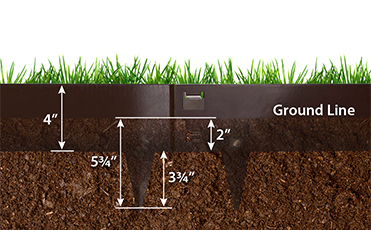
A good rule of thumb is to set posts at least one-third of their visible length into the ground. For a 6-foot post, a 2-foot deep hole usually works, but soil type can vary this. In sandy or soft soils, deeper or concrete-set posts improve stability.
Yes, in firm soil you might get away with tamping gravel tightly around the post. However, concrete provides superior long-term stability, especially in loose or wet soil, reducing the risk of leaning or shifting over time.
Generally, yes. Metal posts resist rot, insect damage, and weathering better than wood. They tend to last longer and need less maintenance, although wood remains cheaper initially and preferred for aesthetic reasons in some cases.
Use galvanized or anodized posts, especially in harsh or coastal environments. Regular inspection and maintenance (touch-up paint or sealant) add years to life expectancy.
Absolutely, metal posts can often be removed and reused depending on condition. This makes them popular in temporary fencing applications in construction or event management.
So, what’s the big takeaway on putting in metal fence posts? They’re not just part of a fence; they are the unsung heroes of boundary setting, safety, and sustainable infrastructure worldwide. Whether you’re securing farmland or setting up a temporary camp, understanding these posts’ materials, installation factors, and future trends is crucial.
If you’re weighing your options or planning a big project, I’d suggest checking out putting in metal fence posts solutions at Hebe Metals. Their range, customization, and global service are impressive — plus, they get the details right, which matters when you want fences that last.
Stick with quality and smart installation, and your metal fences will stand firm for decades to come.



Copyright © 2026 Hebei Minmetals Co., Ltd. All Rights Reserved. Sitemap | Privacy Policy | Menu