










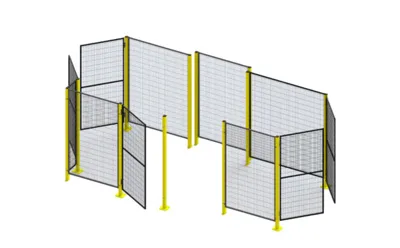
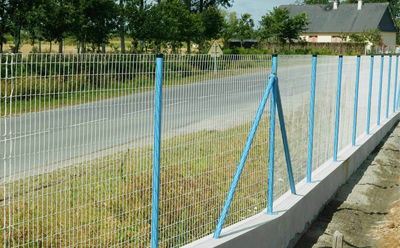
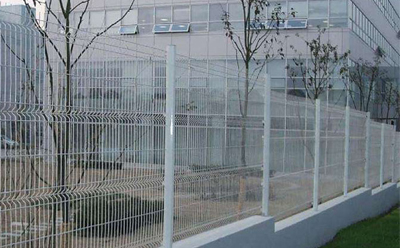



















If you work around volatile processes, you already know passive blast mitigation isn’t a “nice to have.” It’s table stakes. That’s why I keep coming back to Explosion Proof Cages—the modular, collapsible barriers that turn chaotic sites into controlled zones. First time I walked a turn-around yard using these, the crew joked, “They fold like laundry, but stop pressure waves like a champ.” Honestly, not far off.
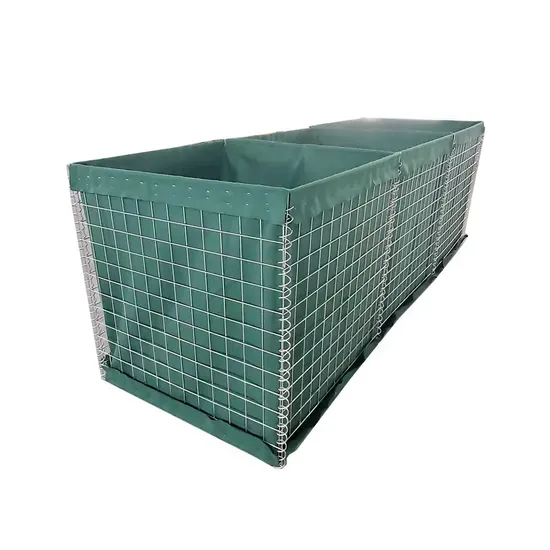
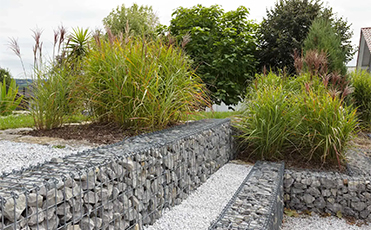
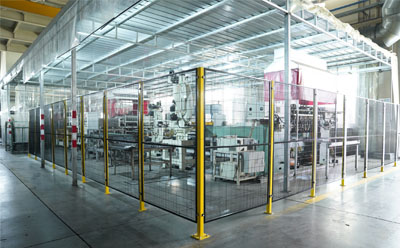
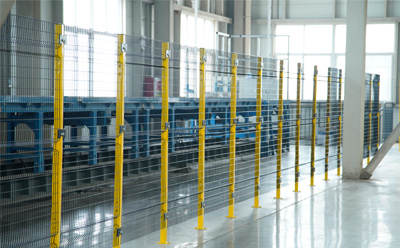
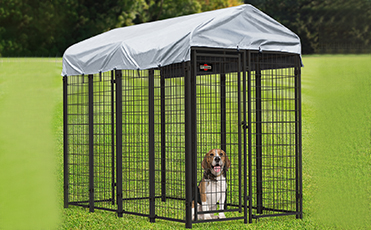
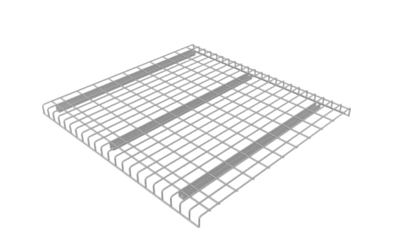
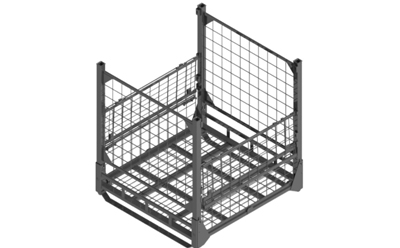
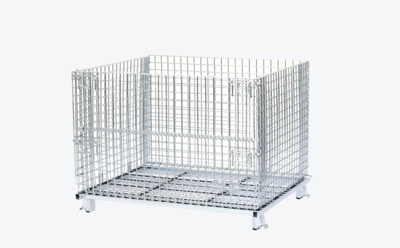
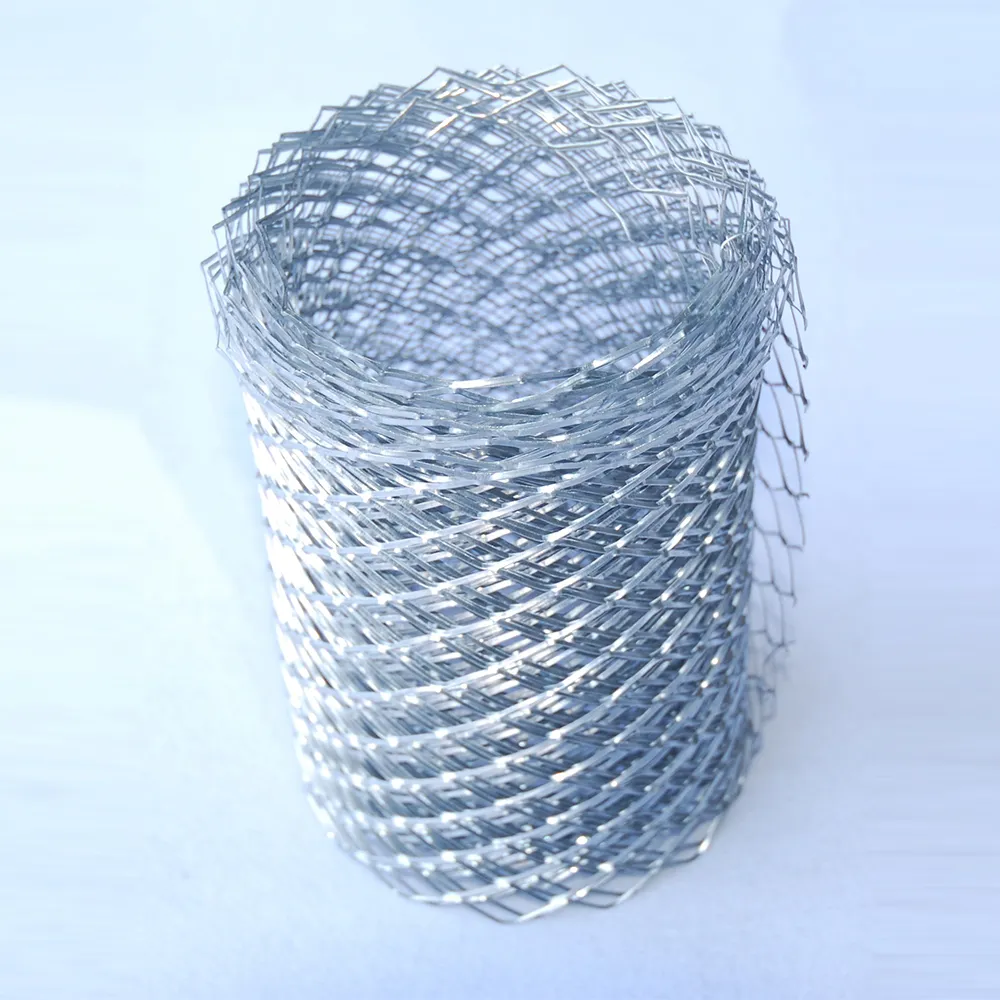
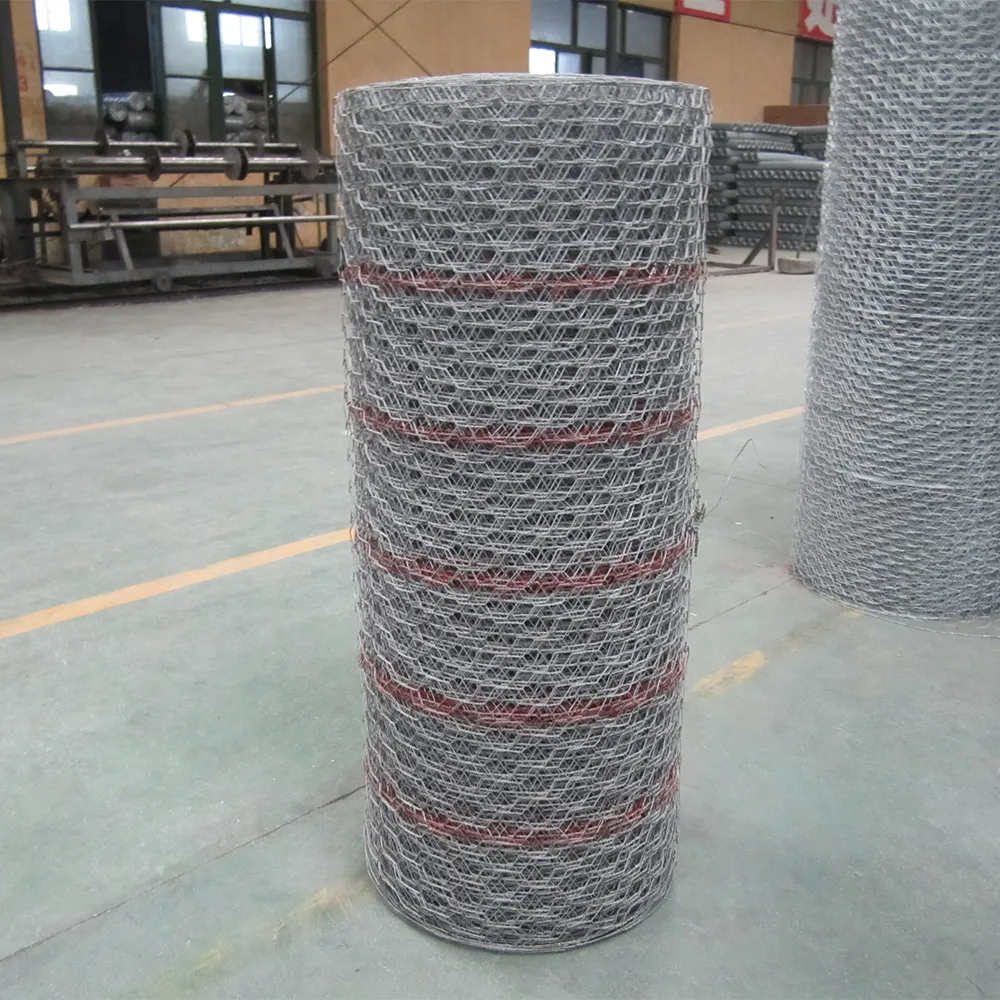
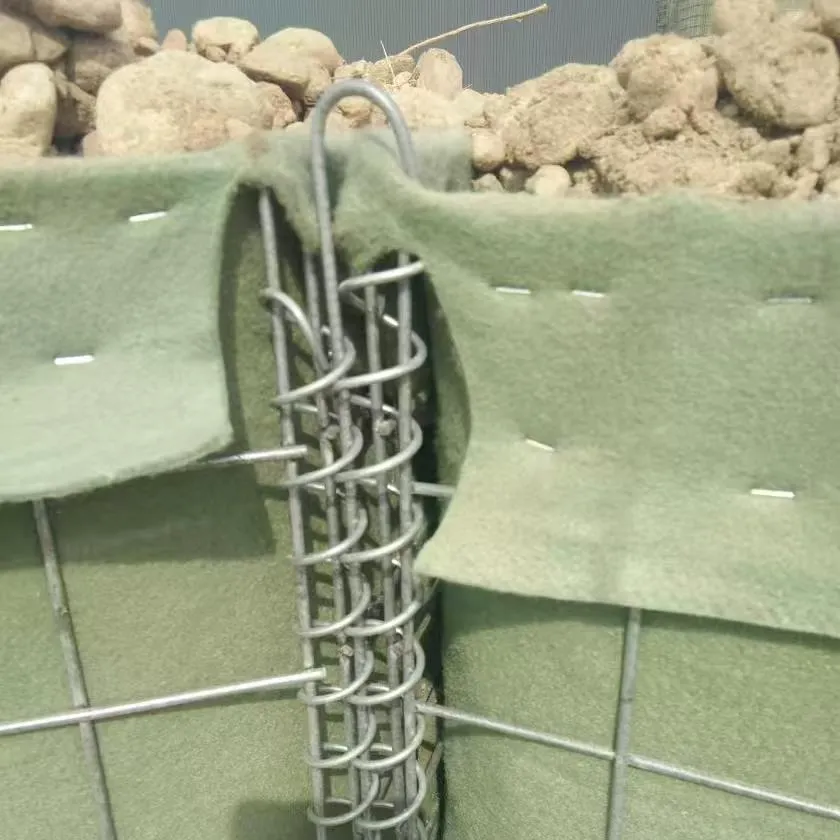
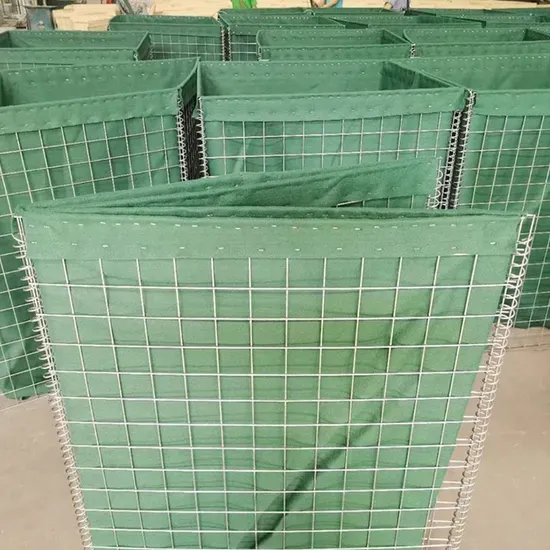
Explosion Proof Cages are collapsible, interconnected wire-mesh cells lined with geotextile and filled with local aggregate. The product structure—each unit folds flat, pins together in minutes, then fills—has become the industry’s go-to for temporary or semi-permanent blast walls, transformer fire breaks, and perimeter hardening. The macro trend? Faster deployment without pouring concrete, plus better lifecycle cost control in brownfield projects.
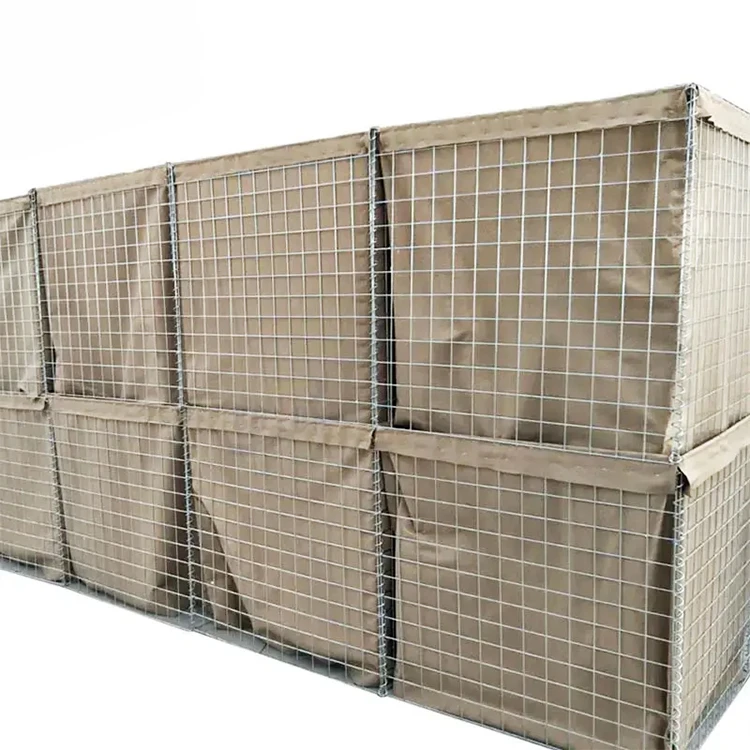
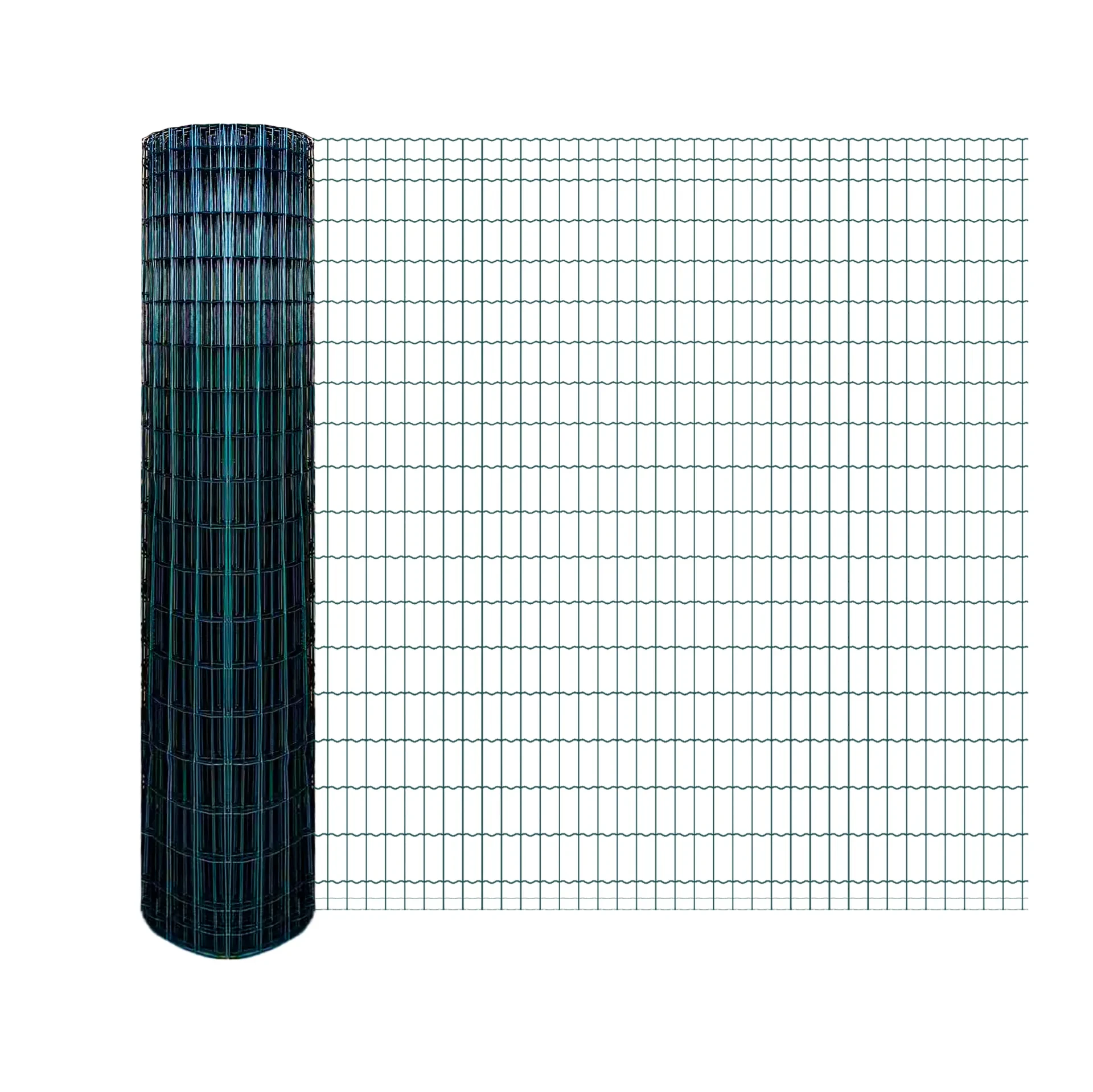
| Panel material | Low-carbon steel wire, welded mesh, hot-dip galvanized (ASTM A123/A123M) |
| Wire diameter | ≈ 4–6 mm (project-dependent) |
| Mesh aperture | ≈ 50 × 50 mm or 75 × 75 mm |
| Liner | UV-stabilized non-woven geotextile, oil-resistant options |
| Module size | Heights ≈ 0.6–2.4 m; lengths configured by linking cells |
| Corrosion protection | Hot-dip galvanizing; optional powder topcoat for coastal sites |
| Service life | Around 10–20 years outdoors (maintenance-dependent) |
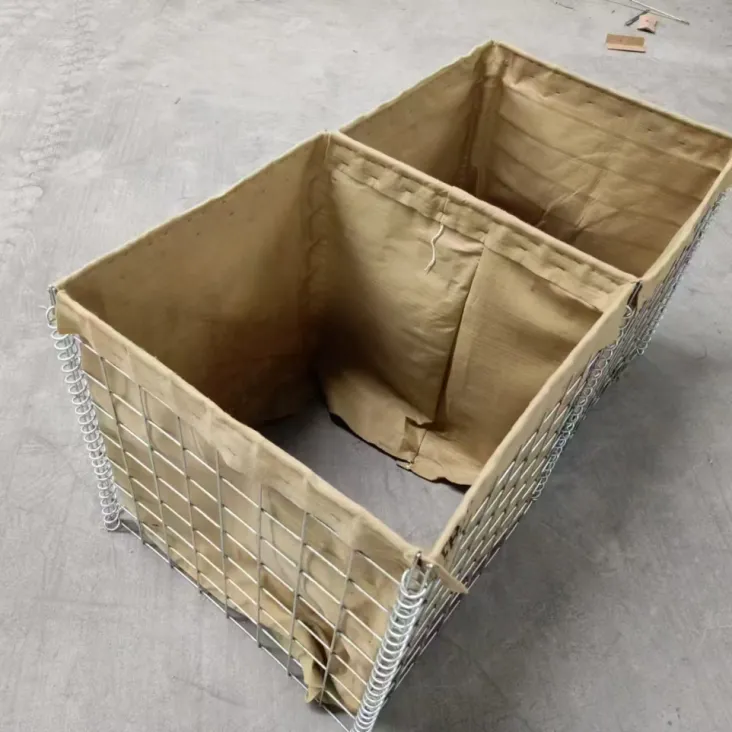
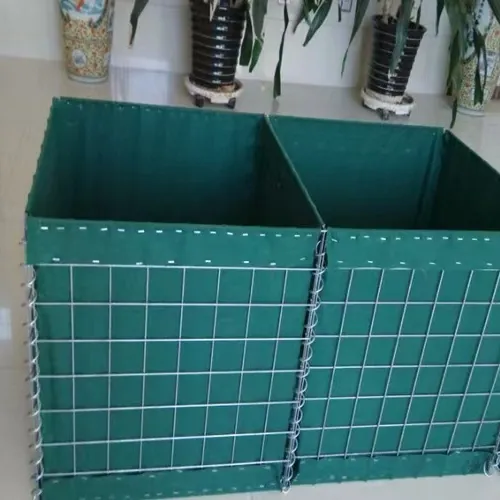
Explosion Proof Cages show up in refineries, gas compressor stations, chemical plants, mining sites, power and transformer yards, even data centers shielding diesel farms. Advantages I hear most: rapid deployment, adaptable height/thickness, and surprisingly good overpressure attenuation when properly filled and compacted. Many customers say they hit the sweet spot between cost, speed, and compliance checks.
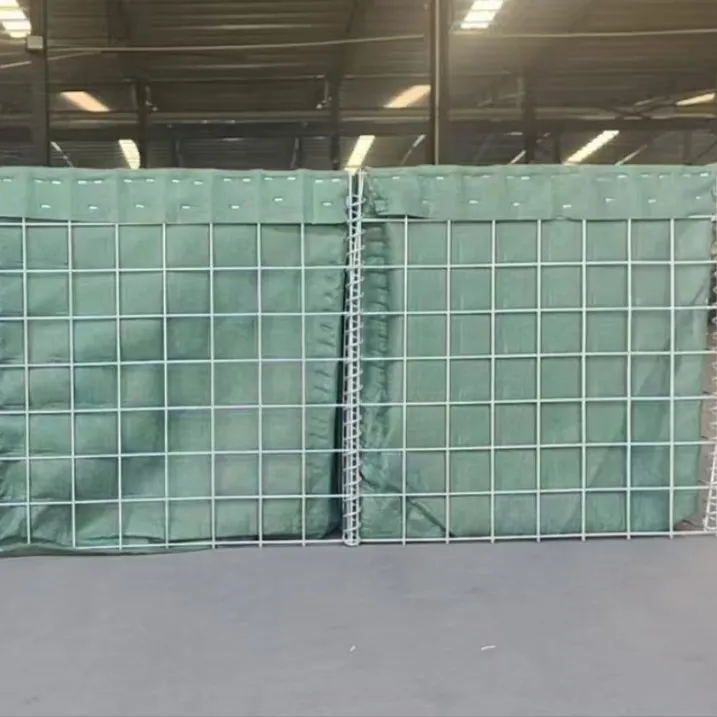
Lab and field results vary with fill (crushed rock vs. sand), wall thickness, and standoff distance. In practice, teams report meaningful reduction of blast overpressure and fragment energy; I’ve seen project data indicating ≈ 60–85% overpressure reduction at practical stand-offs. To be honest, geometry and fill quality matter more than the brand label here.
| Vendor | Cert/standards support | Lead time | Customization | Notes |
|---|---|---|---|---|
| Hebei Metals (Origin: No.337 Xinhua Road, Shijiazhuang, Hebei, China) | Guidance for ATEX/IECEx zones; ASTM/ISO material reports | ≈ 2–4 weeks typical | Heights, liners, coatings, corner geometry | Strong value; responsive drawings |
| Vendor A | Basic material certs | 3–6 weeks | Limited | Commodity approach |
| Vendor B | Detailed test dossiers (on request) | 4–8 weeks | High (pricey) | Premium finishes |
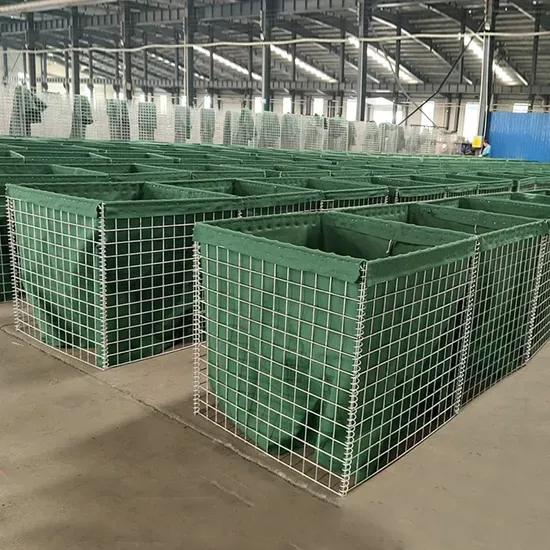
Gas compressor station (cold climate): 1.8 m-high Explosion Proof Cages, crushed rock fill; crew installed ~100 m in a long day. Post-commissioning pressure trial showed measurable drop in overpressure at operator walkway; client valued the “no-concrete” speed.
Transformer yard retrofit: Double-stacked modules with oil-resistant liners created a fire and fragment screen. Maintenance team liked the modular swap-out after a minor incident—no civil demo required.
Final thought: pick the wall thickness based on blast load and standoff, not just stock sizes. And, yes, compact your fill—loose fill undermines everything.



Copyright © 2026 Hebei Minmetals Co., Ltd. All Rights Reserved. Sitemap | Privacy Policy | Menu