




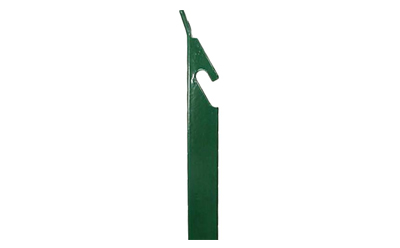
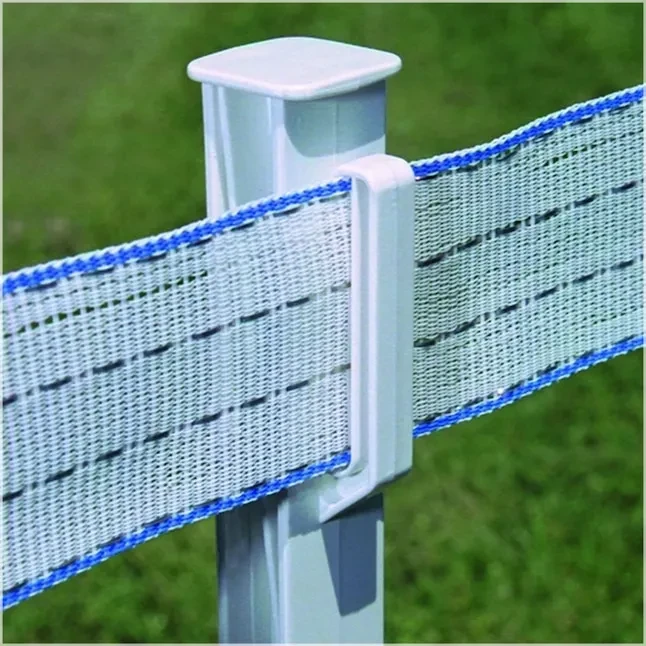
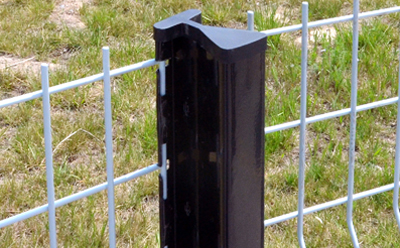
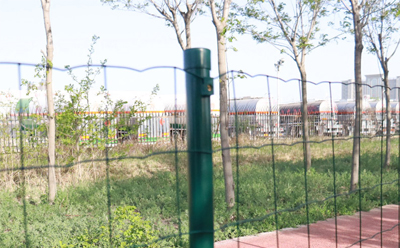
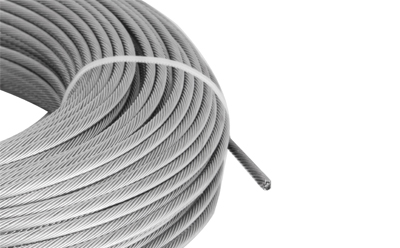

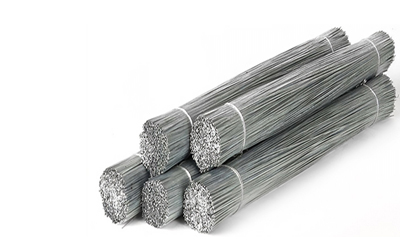
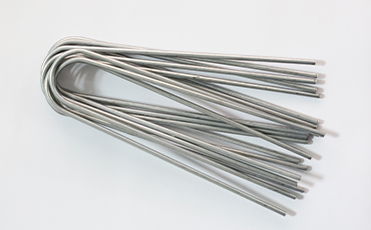
















If you pour concrete for a living, you already know the humble Flat Tie quietly decides whether a wall is laser-straight or not. I’ve walked more form decks than I care to count, and—honestly—this small piece of steel keeps projects on schedule more than any flashy gadget. Demand is up, especially for longer lengths in mid-rise cores and data-center walls; it seems that contractors want consistency and traceability as much as raw strength.
Three things: tighter dimensional tolerances, coatings that actually survive rainy seasons, and ready-to-ship inventory from Asia with real QC docs. Many customers say they won’t touch unmarked steel now—batch codes and mill certs are table stakes. In fact, we’ve seen specs shift toward higher yield plate and hot-dip galvanized finishes for repeat pours.
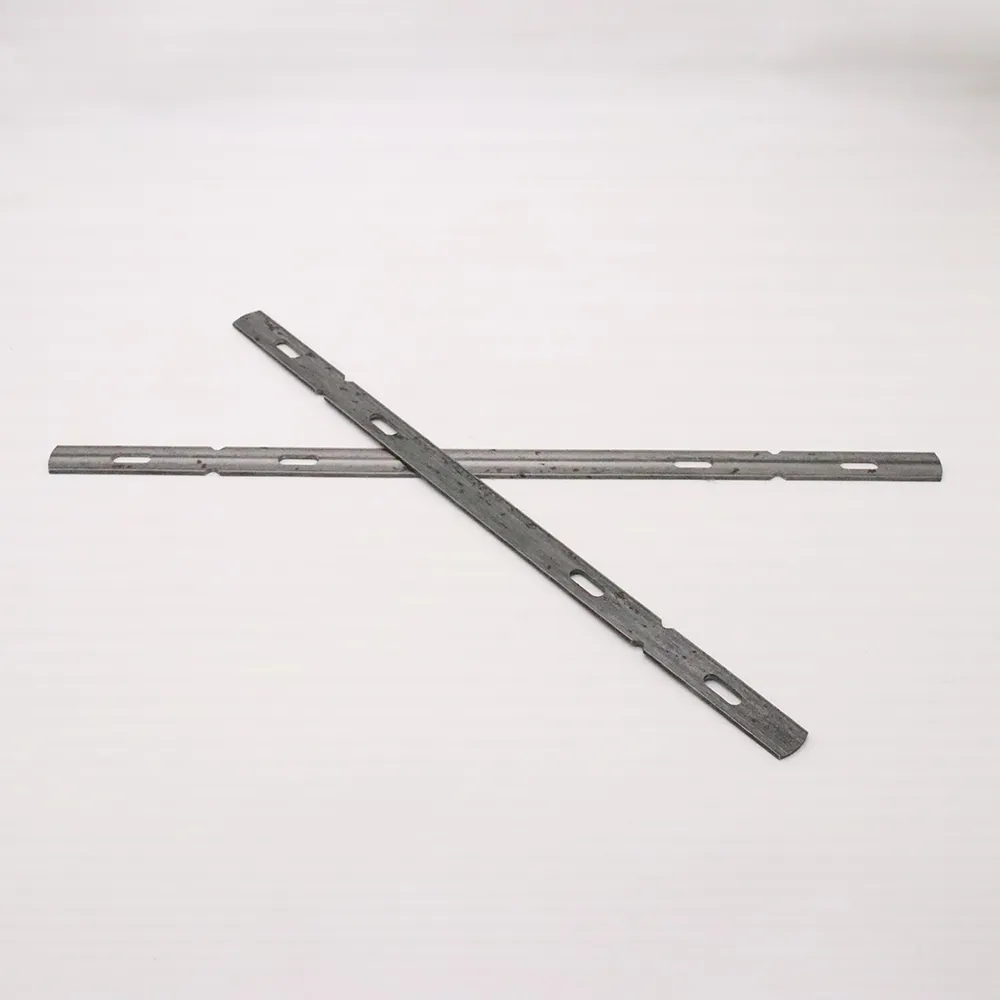
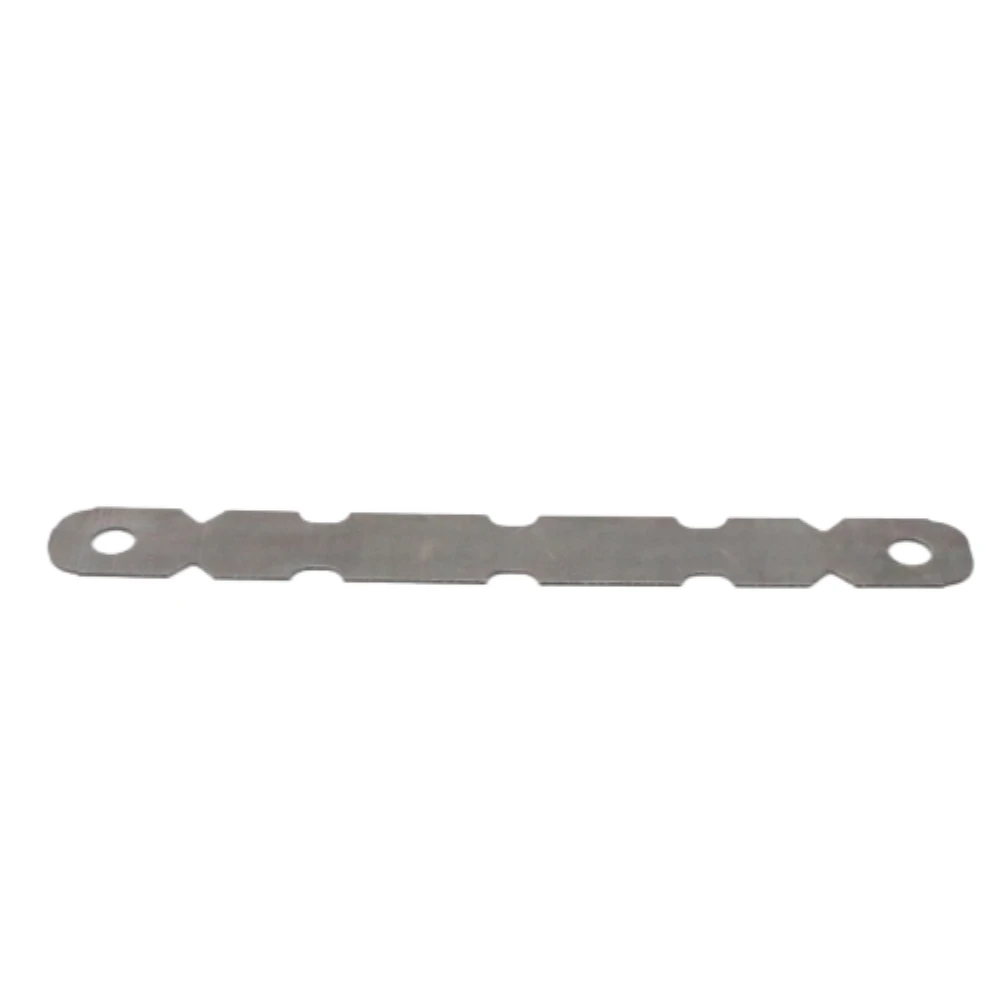
Hebei Metals supplies Flat Tie sizes 4"–24" (4", 6", 8", 9", 10", 12", 14", 16", 18", 20", 22", 24"). Typical steel: low-carbon plate (ASTM A36/A1011) with optional hot-dip galvanizing.
| Parameter | Spec (≈ / real-world may vary) |
|---|---|
| Length options | 4"–24" in 1–2" increments |
| Steel grade | ASTM A36/A1011; yield ≈ 250 MPa; tensile ≈ 400–550 MPa |
| Width × thickness | ≈ 25–32 mm × 1.8–2.5 mm (custom on request) |
| Hole spacing / dia. | Typical 1"–2" offsets; dia. ≈ 5–7 mm |
| Finish | Black, electro-galv., hot-dip galv. (HDG) |
| Safe working load (SWL) | ≈ 9–12 kN per tie (verify with form system) |
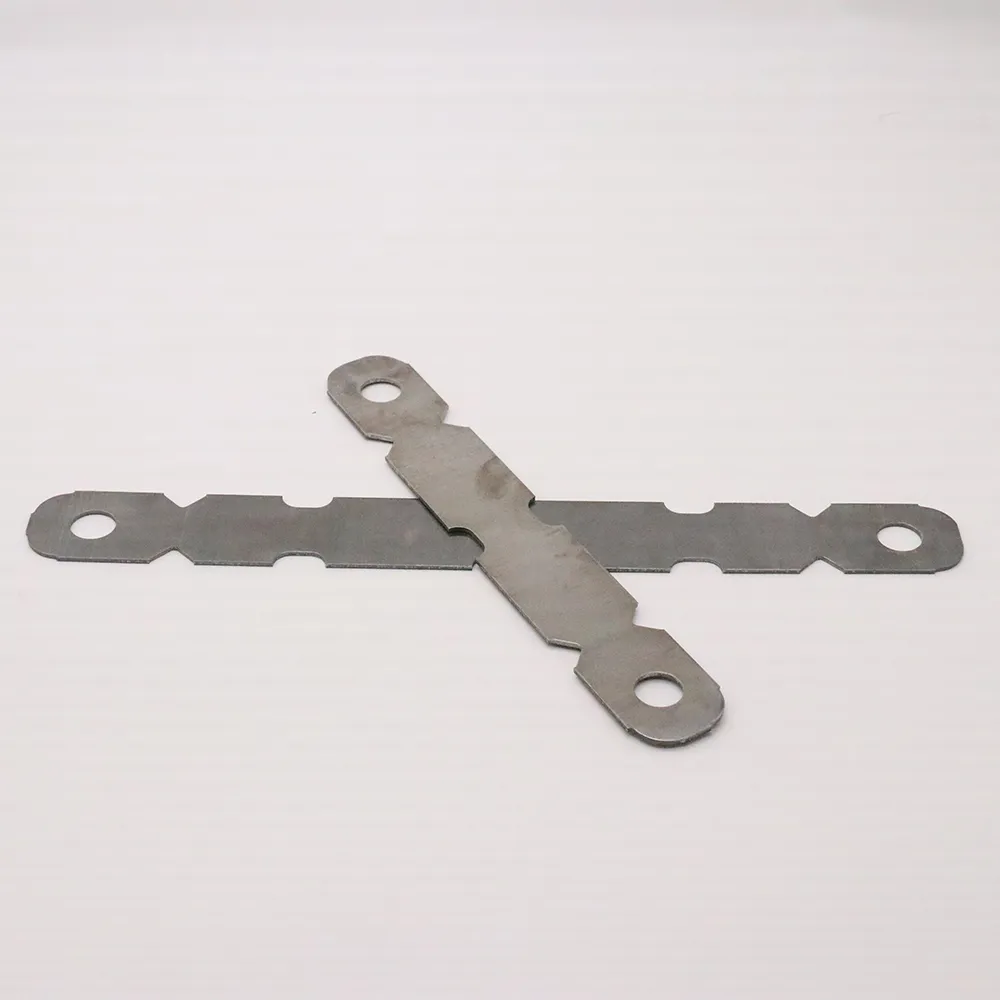
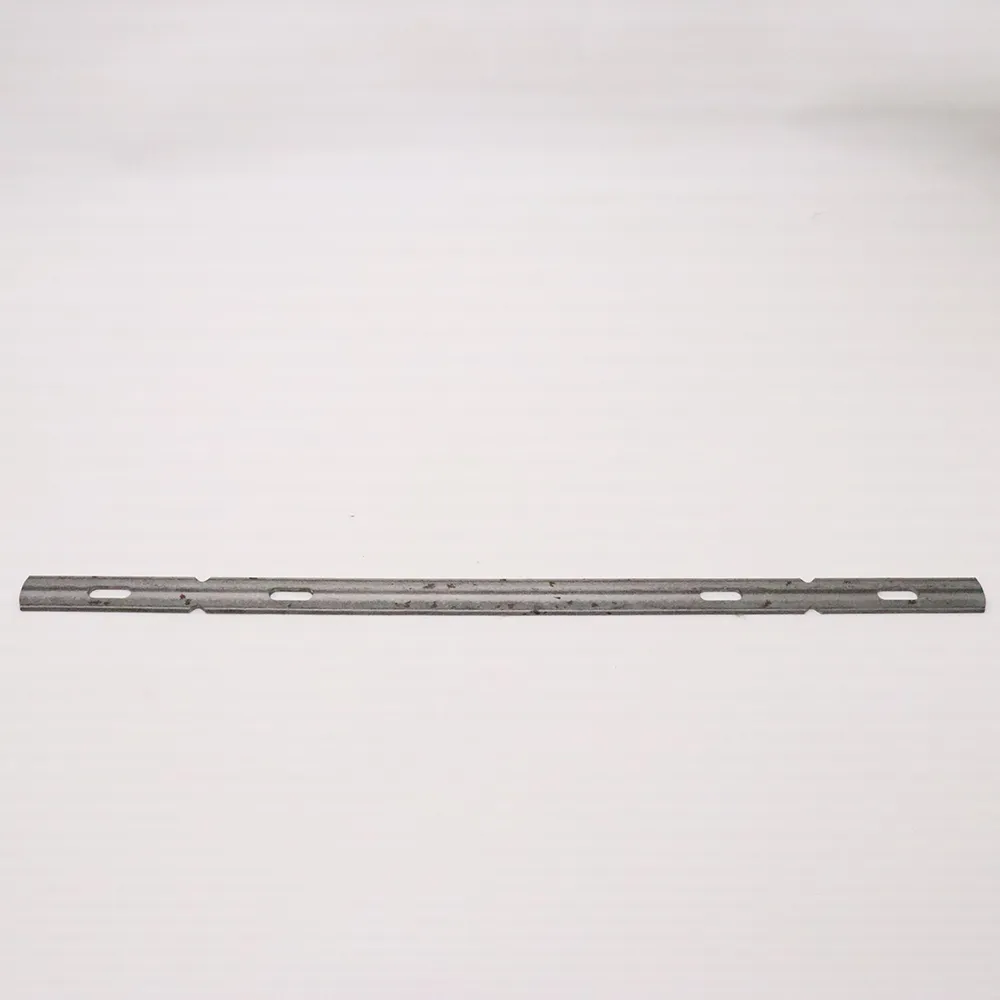
Use Flat Tie with timber or modular forms, jump-form cores, and battered walls where you need predictable spacing. Advantages: consistent hole geometry, fast setup, and, surprisingly, better panel alignment on long pours. Many crews say switching to HDG Flat Tie reduced rework on cold mornings by cutting slip and rust stain.
| Vendor | Certs | Lead Time | MOQ | Customization |
|---|---|---|---|---|
| Hebei Metals (Origin: No.337 Xinhua Road, Shijiazhuang, Hebei, China) | ISO 9001; RoHS/REACH upon request | ≈ 15–25 days | Flexible (project-based) | Length, hole pattern, HDG, private label |
| Vendor X (generic) | ISO 9001 (claimed) | ≈ 30–40 days | High | Limited |
| Vendor Y (regional) | Local QA only | Stock-dependent | Low | Basic options |
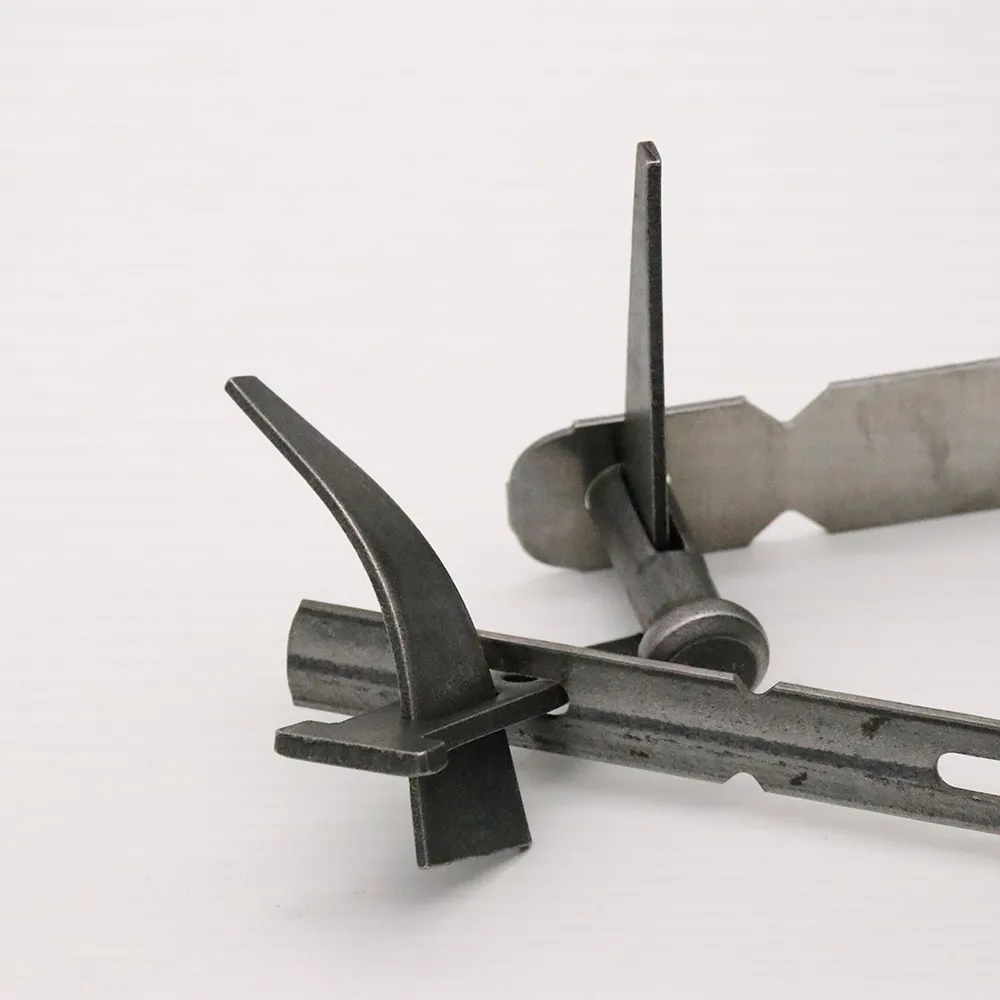
Case A – Core walls, 18": Contractor swapped to HDG Flat Tie and logged ≈ 38 reuses with no panel bleed-through; schedule recovered two days on a six-week pour.
Case B – Water-retaining tank: Spec required ACI 347R procedures; proof load witnessed, SWL 11 kN verified. Crew feedback: “setup felt faster and more repeatable,” I guess because the hole geometry was tighter.



Copyright © 2026 Hebei Minmetals Co., Ltd. All Rights Reserved. Sitemap | Privacy Policy | Menu