





























Galvanized steel H beam posts might sound technical, even a bit dry at first — but they’re actually a game changer in construction globally. These robust steel structures form the backbone of everything from skyscrapers and bridges to rural fencing and disaster relief shelters. Especially in today's challenging climate and rapidly urbanizing world, knowing why galvanized steel H beam posts matter isn’t just for engineers; it’s key for anyone interested in durable, cost-effective, and sustainable infrastructure.
According to the United Nations' World Urbanization Prospects, nearly 56% of the world’s population lived in urban areas by 2020, a number steadily climbing. This massive growth triggers an insatiable demand for reliable, long-lasting construction materials. Galvanized steel H beam posts answer this call with their exceptional strength, versatility, and corrosion resistance.
Oddly enough, many regions also face tough weather conditions or high humidity, causing metal structures to degrade quickly. Galvanizing—the process of coating steel with zinc—dramatically increases lifespan by protecting it against rust. This makes galvanized steel H beam posts an industry favorite, crucial in building infrastructures that can withstand the test of time.
In practical terms, the challenge is simple: Construct strong, scalable frameworks quickly and sustainably, preferably with minimal maintenance. That’s where galvanized steel H beam posts shine, blending engineering and economics into one solution.
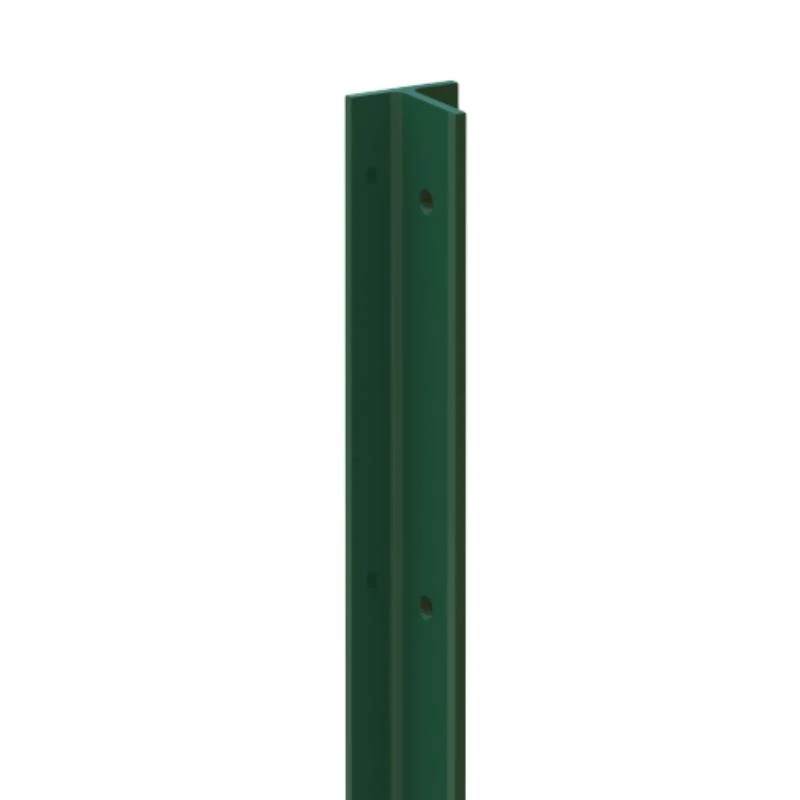
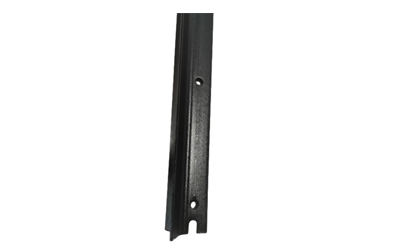
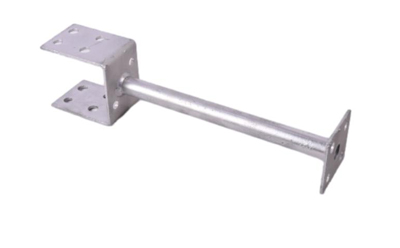
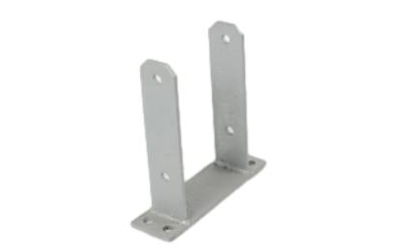
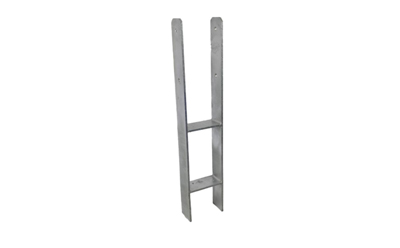
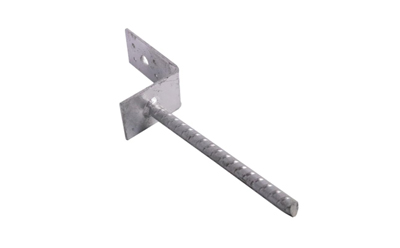
At its core, a galvanized steel H beam post is a vertical support beam fashioned in the shape of a capital “H,” made from steel, and coated with a protective galvanized layer. These posts serve as structural pillars that support floors, walls, roofs — basically any load-bearing section in a construction project.
The “H” shape isn't just aesthetic: it maximizes strength-to-weight ratio and makes these beams easier to weld, bolt, or rivet, providing flexibility onsite. Galvanizing is the zinc coating, applied through a hot-dip or electro-plating process, which stops rust and weather deterioration. Together, these features make these posts indispensable in modern industry, from commercial high-rises to humanitarian shelters in disaster zones.
Thanks to galvanization, these posts resist rust and corrosion, extending their operational life by decades — sometimes even up to 50 years in harsh environments. This durability means less frequent replacements, which is a huge cost and labor saver over time.
The classic H shape ensures excellent load distribution, critical for multi-story buildings or heavy industrial frames. Engineers value this since it reduces bending and twisting even under extreme pressure.
While galvanized steel posts might cost a bit more upfront than untreated steel, their longevity and low maintenance more than compensate for initial expenses. Over a building’s lifecycle, the total cost can actually be lower.
These posts come in standardized dimensions but can be cut or welded on site, making them suitable for custom projects or emergency constructions. Plus, they integrate well with other building materials.
Galvanized steel is recyclable, and with the growing emphasis on green building standards like LEED and ISO 14001, using these beams helps promote sustainability in construction.
| Specification | Details |
|---|---|
| Material | Hot-rolled carbon steel with zinc galvanization |
| Dimensions | Heights from 3 to 12 meters, widths 100-300 mm flange |
| Coating Thickness | 45-85 microns (hot-dip galvanizing) |
| Load Capacity | Up to 1000 kN depending on size |
| Weight | Varies between 30-100 kg/meter |
From bustling cities to remote locations, galvanized steel H beam posts are everywhere — sometimes unseen but fundamentally holding things together. In Southeast Asia, these posts are the go-to for elevating buildings above flood-prone zones, thanks to their resilience in wet climates. NGOs also use them to erect durable shelters quickly in disaster-hit regions like the Caribbean, where hurricane resistance is paramount.
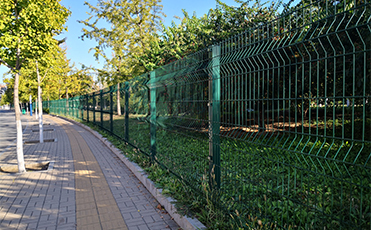
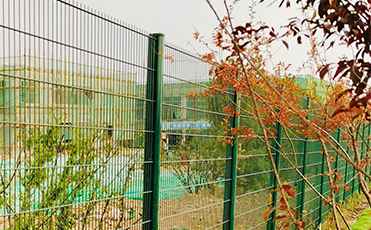
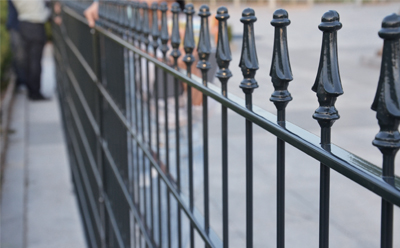
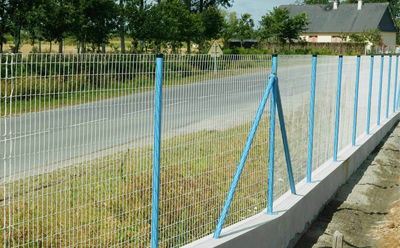
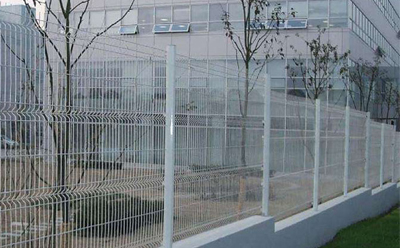
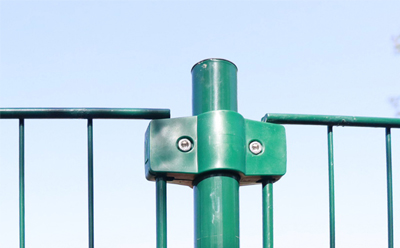
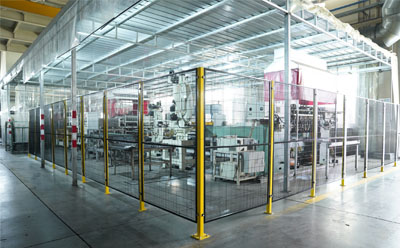
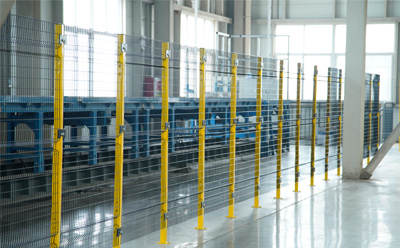
Industries such as energy and transportation utilize galvanized steel posts in their infrastructure, including for supporting transmission lines or framing heavy machinery plants in Europe and North America. Oddly enough, even agricultural businesses find them valuable for sturdy fencing and equipment shelters.
These cases prove the adaptability and reliability of galvanized steel H beam posts no matter the locale or sector.
| Vendor | Coating Method | Customization | Pricing | Lead Time |
|---|---|---|---|---|
| Hebe Metals | Hot-dip galvanizing | Full custom sizing & drilling | Competitive bulk pricing | 2-3 weeks |
| Global Steel Co. | Electro-galvanizing | Standard sizes only | Moderate pricing | 1-2 weeks |
| RustShield Ltd. | Hot-dip galvanizing + passivation | Custom orders available | Premium pricing | 3-4 weeks |
Summing it up, the real magic lies in their cost-benefit balance. They’re robust yet economical, sustainable yet easy to adapt. By choosing galvanized steel H beam posts, project managers secure infrastructure that’s less prone to environmental damage — saving money, reducing waste, and sustaining livelihoods.
On an emotional level, using such trusted materials fosters safety, dignity, and innovation. It feels reassuring to know the shelter, bridge, or facility you depend on won’t falter at a critical moment. Trust builds between builders, users, and communities — something priceless in uncertain times.
The future of galvanized steel H beam posts looks at eco-friendly galvanizing methods reducing VOCs (volatile organic compounds) and exploring zinc-aluminum alloy coatings to boost corrosion resistance even further. Smart infrastructure is emerging too, embedding sensors into beams for real-time structural health monitoring.
Automation in manufacturing promises faster, more precise production with tighter quality control. Plus, recycling galvanized steel aligns with circular economy principles, increasingly important to meet global sustainability goals.
Despite their strengths, galvanized steel H beam posts can face challenges like zinc layer damage during transport or installation and higher upfront costs compared to untreated steel. However, careful handling protocols and partner vendors like Hebe Metals mitigate these risks effectively.
Additionally, modular construction techniques help optimize material use and installation efficiency, reducing waste and costs. These insights come from field engineers and industry leaders who continuously refine best practices.
Galvanized steel H beam posts offer a uniquely powerful combination of durability, adaptability, and sustainability that meet the demands of modern construction worldwide. Their use extends far beyond just metal: it’s about trust, efficiency, and safety in every project.
Considering their lasting value and proven performance, it makes sense to choose galvanized steel H beam posts for your next build — whether it’s a high-rise, rural infrastructure, or emergency shelter. Explore your options today and build with confidence.
Just a little reflection: in a world leaning ever more on sustainable and robust infrastructure, understanding the core materials like galvanized steel H beam posts is a kind of quiet wisdom that pays off for generations.
References:



Copyright © 2026 Hebei Minmetals Co., Ltd. All Rights Reserved. Sitemap | Privacy Policy | Menu