
























In the rapidly evolving landscape of modern construction and infrastructure development, the demand for efficient, sustainable, and reliable foundation solutions has never been more critical. Traditional concrete foundations, while effective, often present challenges related to installation time, environmental impact, and site disruption. This context underscores the growing prominence of ground screw anchors, a revolutionary technology that is reshaping how industries approach foundational support. These innovative screw-in anchors offer a compelling alternative, characterized by their rapid deployment, minimal environmental footprint, and exceptional load-bearing capabilities. From large-scale solar farms and utility-scale projects to residential applications like decks and fences, the versatility and inherent strength of ground screws are driving their widespread adoption. This comprehensive article delves into the intricate world of Screw-In Anchors, exploring their advanced manufacturing processes, critical technical parameters, diverse application scenarios, and the compelling advantages they offer over conventional methods. We aim to provide B2B decision-makers, engineers, and project managers with an in-depth understanding of this technology, supported by empirical data, industry trends, and practical insights. Our discussion will cover everything from the meticulous material selection and precision engineering that define high-quality ground screws to the strategic advantages they confer in terms of cost-efficiency, project timelines, and long-term durability. Understanding the nuances of these helical piles, often referred to as helical piers or screw piles, is paramount for optimizing construction methodologies and ensuring the longevity of structures. The intrinsic design of these anchors, leveraging principles of soil mechanics and advanced metallurgy, ensures robust stability in a variety of soil conditions, making them a globally preferred choice for modern construction paradigms. This article will specifically focus on the Screw-In Anchor product, detailing its specifications and highlighting why it stands as a superior choice in demanding industrial and commercial applications, offering unparalleled performance and reliability.
The global market for ground screw anchors is experiencing robust growth, driven by an escalating emphasis on sustainable construction practices, rapid infrastructure development, and the increasing adoption of renewable energy projects, particularly solar power installations. This growth trajectory is further fueled by the inherent efficiency and environmental benefits that screw piles offer compared to traditional concrete foundations. Analysts project a significant compound annual growth rate (CAGR) for the ground screw market over the next decade, with projections often citing figures between 7% and 10% through 2030, underscoring the expanding confidence in this technology across diverse sectors. Key trends shaping this market include the surging demand for modular and prefabricated construction, where the speed and simplicity of installing ground screw anchors align perfectly with off-site manufacturing methodologies. Furthermore, regulatory pressures for reduced carbon footprints and minimized site disruption are nudging developers towards more environmentally friendly foundation solutions, making ground screws an attractive option due to their non-excavation nature and ease of removal/repurposing. The rise of decentralized energy systems and community-scale solar projects also heavily relies on efficient, scalable, and adaptable foundation solutions, for which ground screw technology is ideally suited. Technological advancements in design, material science, and installation equipment are continuously improving the load-bearing capacities and versatility of these anchors, allowing them to be deployed in increasingly challenging soil conditions and for heavier structures. Innovations such as advanced corrosion-resistant coatings, enhanced helical blade designs for optimized torque and pull-out resistance, and automated installation machinery are all contributing to the enhanced performance and broader applicability of these solutions. This market dynamic is creating a competitive landscape where manufacturers are constantly innovating to offer higher strength-to-weight ratios, extended product lifespans, and specialized designs catering to niche applications, such as large-scale industrial projects requiring foundations that can withstand extreme environmental conditions or significant dynamic loads. The increasing sophistication in geotechnical analysis and site assessment also ensures that the deployment of ground screw anchors is optimized for maximum stability and performance, further cementing their role as a foundational element in future-proof construction. The evolving global supply chain and manufacturing efficiencies also contribute to making ground screw anchors more accessible and cost-effective, expanding their reach into emerging markets and new application areas.
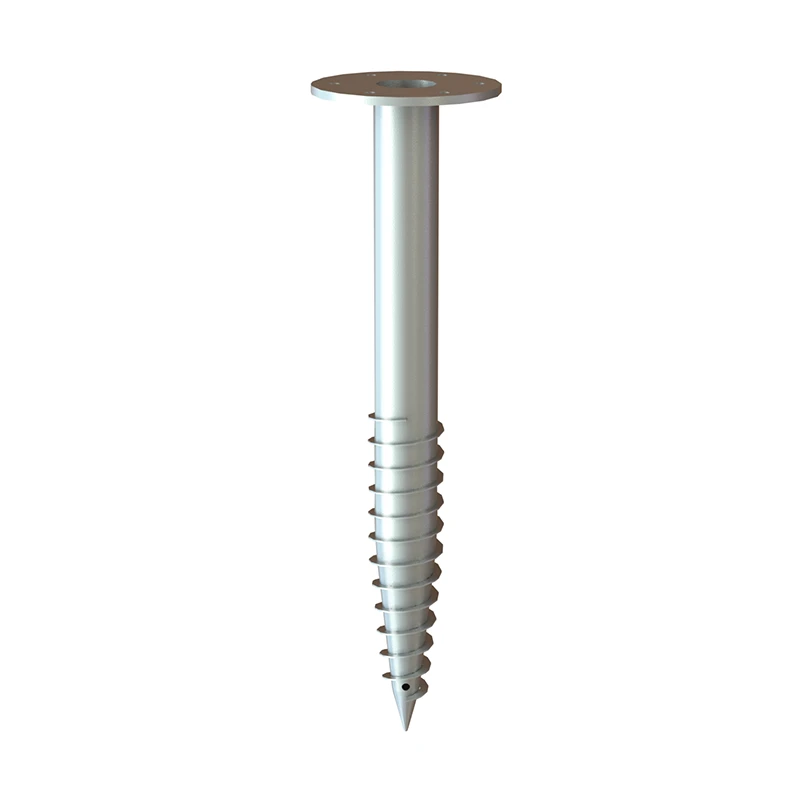
The production of high-quality ground screw anchors is a complex, multi-stage process that demands precision engineering, superior material selection, and rigorous quality control to ensure optimal performance and longevity in diverse environmental conditions. It begins with the careful selection of raw materials, primarily high-grade carbon steel or galvanized steel, which is chosen for its exceptional strength, durability, and resistance to corrosion. For specialized applications requiring enhanced corrosion resistance, such as those in marine environments or highly acidic soils, hot-dip galvanization is a critical post-fabrication treatment. The manufacturing journey typically commences with cutting steel pipes or tubes to precise lengths, forming the main shaft of the anchor. Following this, the helical blades, which are crucial for the anchor's load-bearing capacity and penetration into the soil, are meticulously formed through a process of pressing or cutting and welding. The precision of these blades' pitch and diameter is paramount, as it directly influences the screw's ability to displace soil efficiently and achieve the required torque for stable installation. For heavier duty anchors, advanced manufacturing processes like forging or CNC machining may be employed to produce more intricate and robust components, ensuring uniform material properties and superior structural integrity, especially at critical stress points such as the connection interfaces or the leading edge of the helix. Welding processes, often automated using robotic systems, are then utilized to seamlessly attach the helical blades to the main shaft, followed by the attachment of connection plates or caps that will interface with the superstructure. These welding operations are conducted under strict quality parameters to prevent defects such as porosity or cracks, which could compromise the anchor's strength. Post-fabrication, a critical phase involves surface treatment, with hot-dip galvanization being the industry standard for corrosion protection. This process involves immersing the fabricated steel anchor into a bath of molten zinc, creating a metallurgically bonded coating that provides superior protection against rust and environmental degradation, significantly extending the anchor's service life, often exceeding 50 years even in aggressive soil conditions. Throughout the entire manufacturing chain, stringent inspection standards are applied, adhering to international benchmarks such as ISO 9001 for quality management systems, and specific product standards like ASTM A123 for hot-dip galvanization or ANSI specifications for structural steel components. Non-destructive testing methods, including ultrasonic testing and magnetic particle inspection, are regularly employed to detect any internal flaws, ensuring that each anchor meets the highest safety and performance criteria. This meticulous attention to detail ensures that the resulting Screw-In Anchor possesses exceptional mechanical properties, including high tensile strength, excellent shear resistance, and superior compression capacity, making it suitable for a wide array of applications across various industries, from civil engineering and telecommunications to oil and gas, where robust and reliable foundations are non-negotiable for operational integrity and safety.
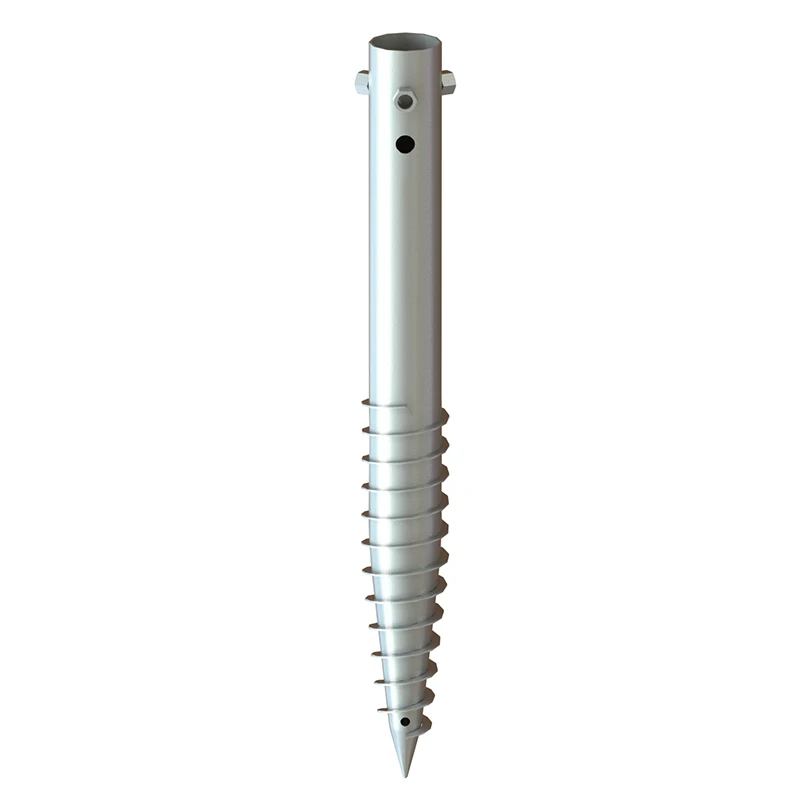
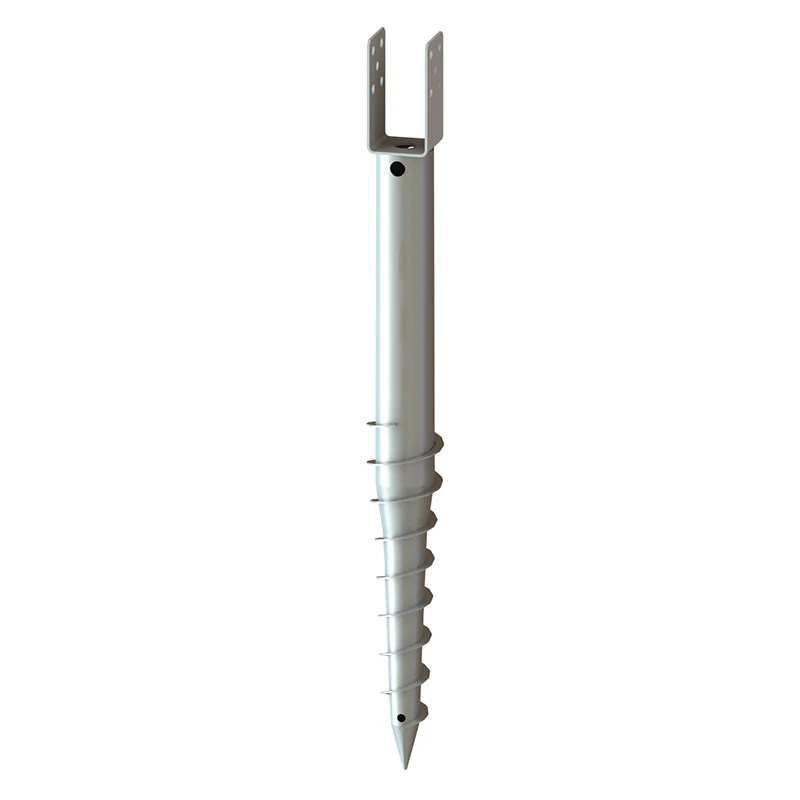
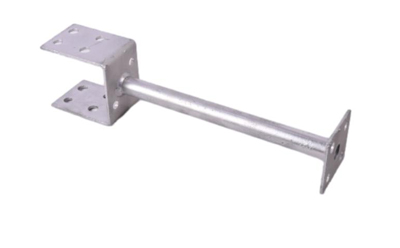
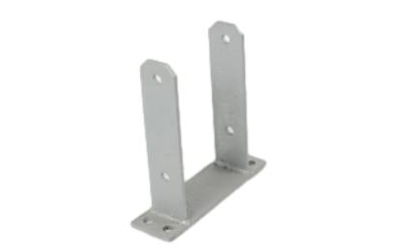
Understanding the critical technical parameters of ground screw anchors is essential for selecting the appropriate foundation solution for any given project, ensuring both structural integrity and cost-effectiveness. These parameters dictate the anchor's performance, load-bearing capacity, and suitability for various soil types and environmental conditions. The primary specifications typically include the shaft diameter, which can range from 60mm to 114mm or even larger for heavy-duty applications, directly influencing the bending stiffness and torsional resistance of the anchor. The length of the screw anchor is another vital parameter, often varying from 500mm to over 4000mm, determined by the required embedment depth to achieve the necessary bearing capacity in specific soil strata. The helix diameter, referring to the diameter of the screw blades, is crucial as it dictates the anchor's resistance to uplift and compression loads, with typical diameters ranging from 150mm to 300mm or more, and some designs featuring multiple helices of varying diameters for optimized load transfer. The thickness of the helix blade also plays a role in its durability and resistance to deformation during installation in challenging ground conditions. Material composition, predominantly high-grade Q235B or Q345B steel, ensures the structural strength, while the hot-dip galvanized coating thickness, typically exceeding 80 micrometers in accordance with ISO 1461 standards, provides long-term corrosion protection, crucial for a lifespan often exceeding 50 years. Load-bearing capacity is often expressed in terms of axial compression, uplift (tension), and lateral shear loads, with typical capacities ranging from a few kilonewtons for light structures to several hundreds of kilonewtons for heavy industrial applications; for instance, a standard 76mm diameter ground screw with a 200mm helix might offer 15-20 kN compression and 10-15 kN uplift capacity in average soil, while larger industrial models can exceed 100 kN. The installation torque, measured in Newton-meters (Nm), is a critical indicator of soil density and the anchor's embedment resistance, directly correlating to its achieved load capacity. Pull-out resistance, measured through on-site load tests, provides empirical data on the anchor's ability to resist tensile forces. Furthermore, parameters such as connection type (e.g., U-bracket, flange plate, adjustable head) determine how the ground screw integrates with the superstructure, offering versatility for different framing systems, such as those used for ground screw anchor for decks or solar panel arrays. Understanding these parameters allows engineers to precisely calculate foundation requirements, ensuring both safety and efficiency for projects ranging from residential ground screw anchors for fence posts to large-scale utility installations.
| Parameter | Description | Typical Range/Value | Significance |
|---|---|---|---|
| Material Grade | High-strength carbon steel | Q235B, Q345B (equivalent to ASTM A36, A572 Gr.50) | Ensures structural integrity, yield strength (235-345 MPa). |
| Surface Treatment | Corrosion protection | Hot-dip Galvanization (≥80µm thickness, ISO 1461, ASTM A123) | Provides 50+ years of corrosion resistance in most soils. |
| Shaft Diameter | Diameter of the main steel tube | 60mm - 114mm (standard), larger for custom orders | Affects bending stiffness and overall strength. |
| Length | Total length of the screw anchor | 500mm - 4000mm (0.5m - 4.0m) | Determines embedment depth and load capacity in varying soil types. |
| Helix Diameter | Diameter of the helical blade(s) | 150mm - 300mm (standard), can be multi-helix | Critical for bearing and uplift resistance. |
| Compression Load Capacity | Maximum vertical downward load | 5 kN - 100 kN+ (varies greatly by size & soil) | Supports structures under vertical pressure. |
| Uplift (Tension) Capacity | Maximum vertical upward load | 3 kN - 80 kN+ (varies greatly by size & soil) | Resists wind loads, buoyancy, and tension forces. |
| Lateral Shear Capacity | Maximum horizontal load | 2 kN - 30 kN+ (varies by size, embedment, soil) | Resists horizontal forces like wind shear or seismic activity. |
| Installation Torque | Rotational force required for installation | Variable (dependent on soil type and anchor size) | Indicates achieved embedment and load capacity. |
| Expected Service Life | Anticipated duration of effective performance | 50+ years (with proper galvanization) | Long-term structural reliability and reduced maintenance. |
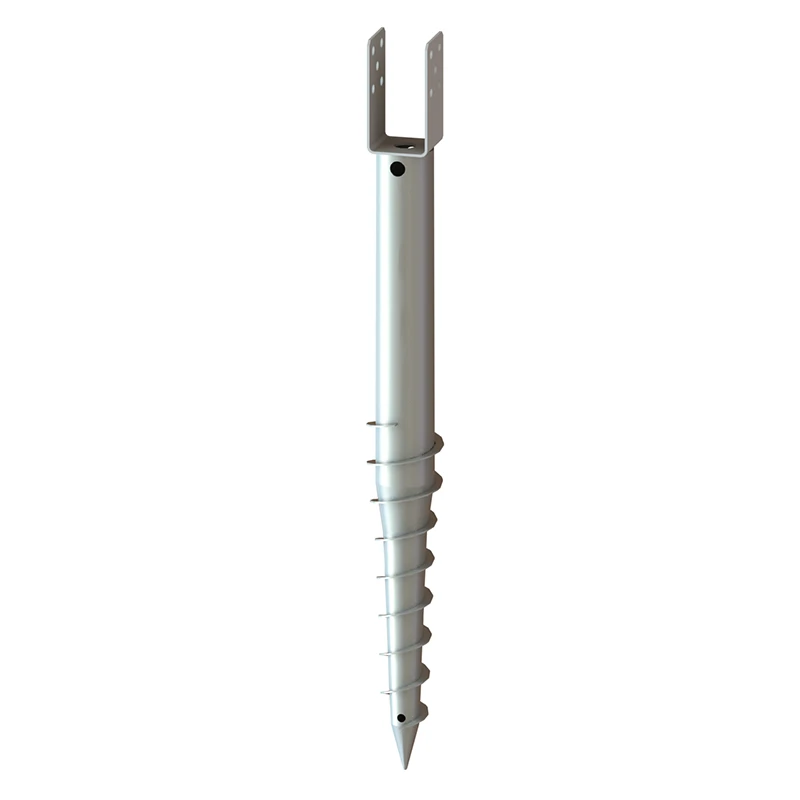
The unparalleled versatility and adaptability of ground screw anchors make them an ideal foundation solution across a vast spectrum of industries and applications, transcending the limitations often associated with traditional concrete foundations. Their ability to be rapidly installed, regardless of weather conditions or challenging terrains, positions them as a go-to choice for projects requiring efficiency and minimal environmental disruption. One of the most significant and rapidly expanding application areas is in the solar energy sector, where ground screws are predominantly used to support solar panel mounting structures for both utility-scale solar farms and smaller residential or commercial rooftop installations. The ease of installing ground screw anchors directly translates into faster project completion times, reduced labor costs, and the flexibility to adjust array layouts on-site without extensive excavation or curing periods, making them an indispensable component for optimizing solar energy infrastructure development. Beyond renewable energy, the civil engineering and construction industries extensively utilize ground screws for various structural supports. This includes foundations for temporary structures such as exhibition tents, event stages, and mobile offices, where quick deployment and easy removal are key advantages. Permanent applications include light commercial buildings, cabins, sheds, and modular homes, benefiting from the stable and robust foundation provided by helical piles without the need for concrete pouring.
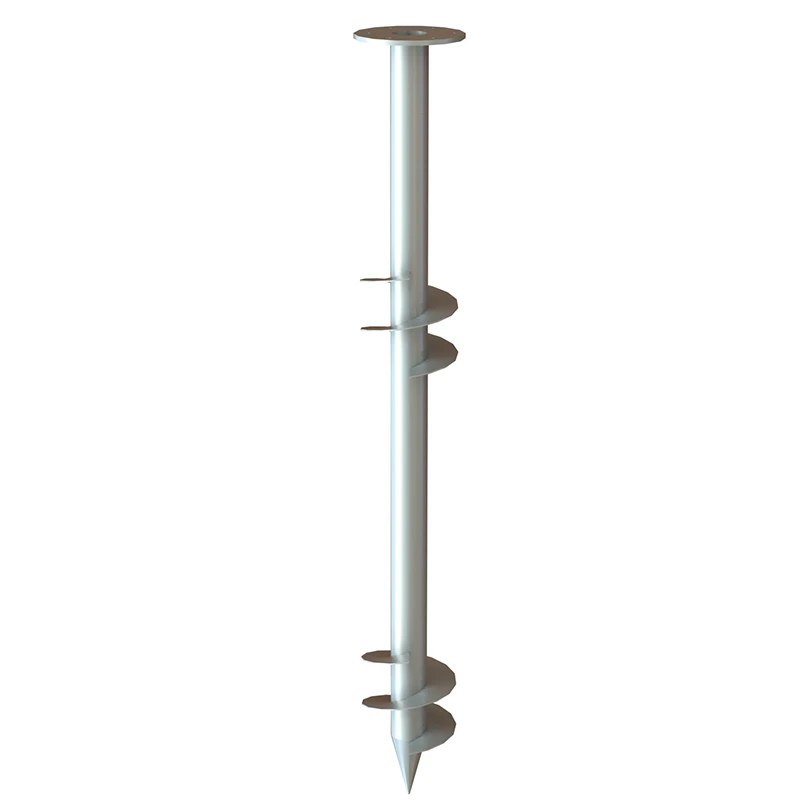
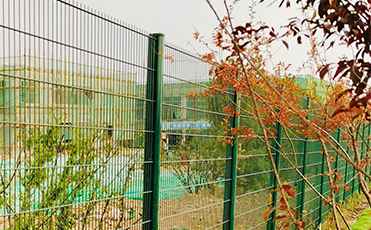
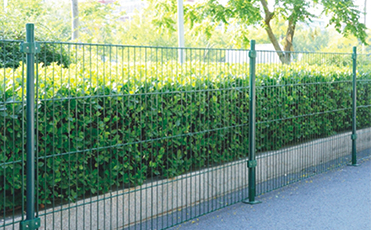
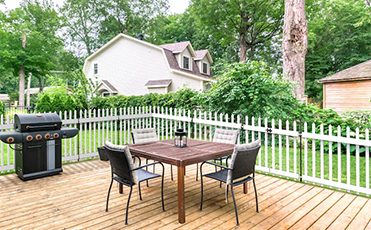
In residential and landscaping projects, ground screw anchor for decks is a particularly popular application, offering a stable and level foundation for outdoor living spaces without the arduous process of digging and pouring concrete footings. Their precise adjustability ensures perfectly level decks, even on uneven terrain, and their minimal disturbance to existing landscapes is a significant advantage for homeowners. Similarly, for ground screw anchors for fence posts, they provide a quick, secure, and long-lasting alternative to digging holes and setting posts in concrete, preventing rot at the ground line and allowing for immediate post-installation without waiting for concrete to cure. The telecommunications sector also heavily relies on ground screws for foundational support for communication towers, antenna masts, and satellite dishes, especially in remote or difficult-to-access locations where heavy machinery for concrete work is impractical. Their high pull-out resistance makes them ideal for structures subjected to significant wind loads. Furthermore, in the advertising and signage industry, ground screws are indispensable for installing billboards, street signs, and flagpoles, offering a fast and non-disruptive method for creating stable vertical supports. The agricultural sector utilizes them for vineyard trellising, greenhouse foundations, and various farm structures. Even within the petrochemical, metallurgy, and water supply/drainage industries, where specific robust and corrosion-resistant foundations are required, specially treated Screw-In Anchors demonstrate superior performance, offering long-term stability in aggressive chemical environments and saline conditions. Their inherent design allows for excellent resistance to lateral forces, crucial for pipelines and support structures in these demanding sectors. The ability of ground screws to be installed in challenging soil conditions—including expansive clays, silts, and even rocky or frozen ground, often with specialized drilling attachments—further expands their applicability, reducing the need for extensive soil preparation or costly deep foundations. This broad spectrum of applications underscores the adaptability, reliability, and economic benefits of selecting ground screw technology as a foundation solution, making it a compelling choice for engineers and project managers seeking innovative and efficient construction methods across almost any industry requiring stable structural support.
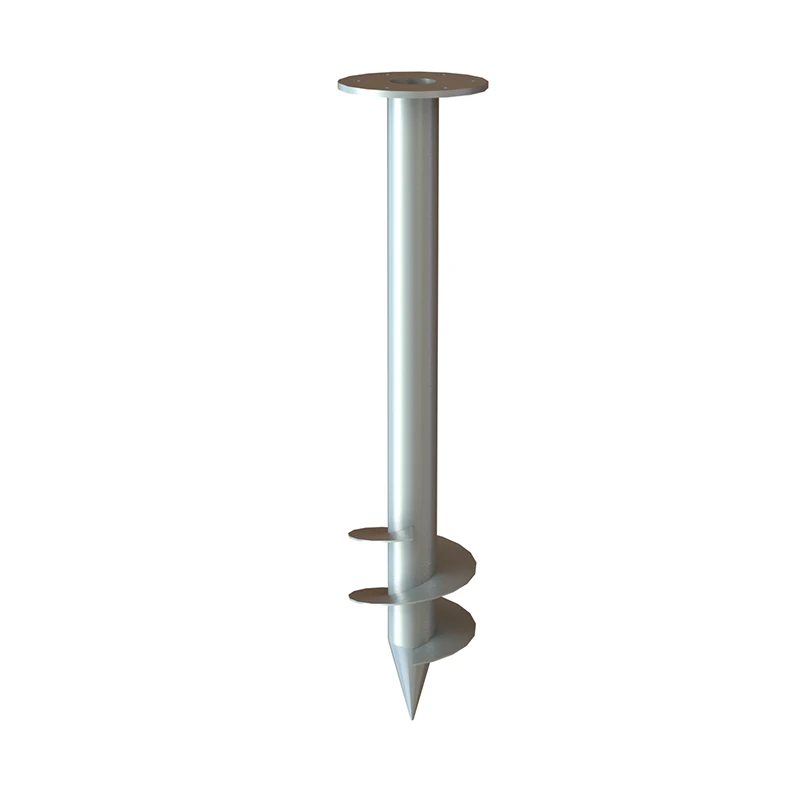
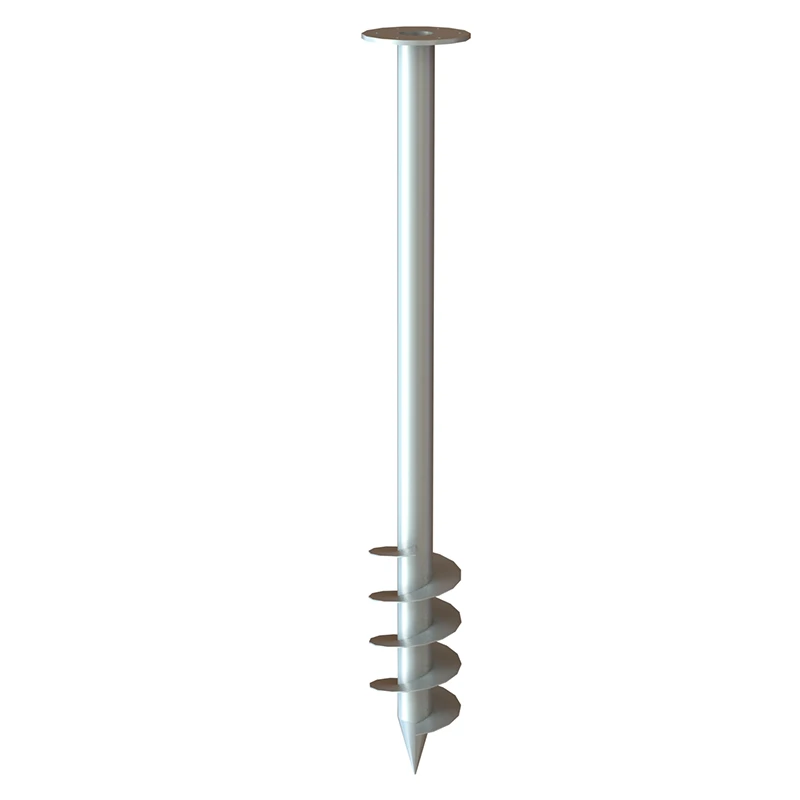
The compelling adoption of ground screw anchors stems from a multitude of significant technical and operational advantages that set them apart from conventional foundation methods, offering superior efficiency, cost-effectiveness, and environmental responsibility. One of the foremost benefits is the unparalleled speed of installation. Unlike concrete foundations that require excavation, pouring, and extensive curing times (often days or weeks), ground screws can be installed in minutes with specialized machinery, allowing for immediate construction upon foundation completion. This drastically reduces project timelines, minimizes labor costs, and enables year-round construction even in cold weather conditions where concrete work is problematic. Furthermore, the installation process of ground screws is remarkably clean and minimally disruptive. There's no need for extensive excavation, earth removal, or concrete mixing, which means no messy spoils, reduced site traffic, and a significantly smaller environmental footprint. This non-invasive characteristic makes them ideal for sensitive ecological areas, existing landscapes, or urban environments where minimizing disruption is paramount. The precision of installation is another key technical advantage; ground screws can be accurately aligned and leveled, and even adjusted after installation, ensuring a perfect foundation plane for any structure, from a simple deck to complex solar arrays.
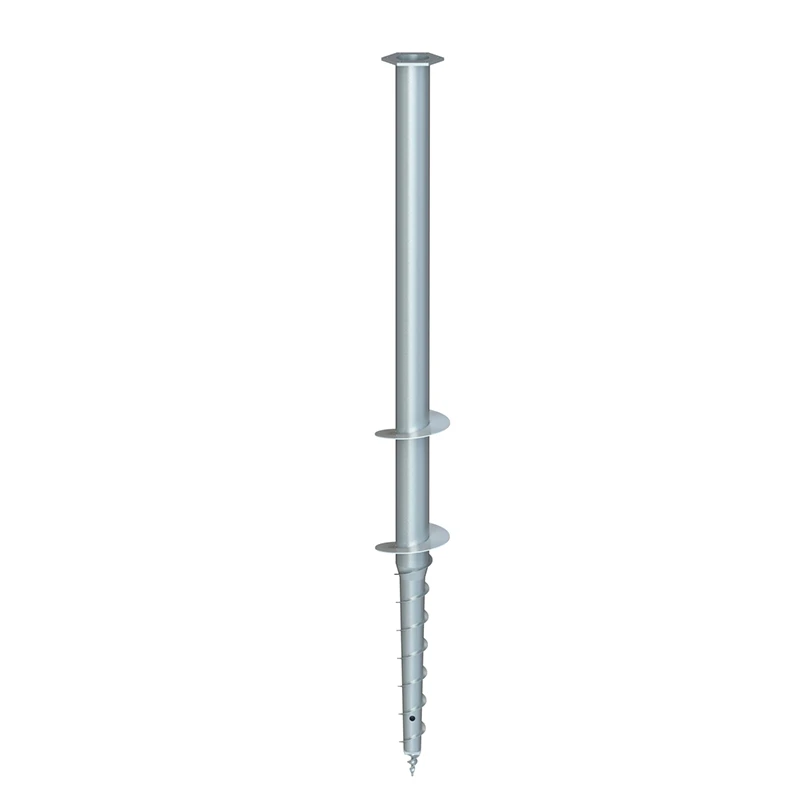
From a load-bearing perspective, high-quality ground screw anchors offer exceptional stability and impressive load capacities. Their helical design acts like a giant screw, transferring axial and lateral loads efficiently into the surrounding soil through both end-bearing and skin friction, ensuring robust resistance to compression, tension (uplift), and lateral forces. This makes them highly suitable for structures exposed to significant wind loads or seismic activity. Moreover, they are highly adaptable to a wide range of soil conditions, from sandy soils and silty clays to compacted gravel and even some fractured rock, often outperforming traditional foundations in problematic soils where differential settlement or liquefaction might be concerns. The hot-dip galvanized coating provides superior corrosion resistance, crucial for the longevity of foundations in aggressive soil chemistries or high-moisture environments. This robust protection ensures a projected lifespan of 50 years or more, significantly reducing maintenance and replacement costs over the life of the structure. The recyclability and reusability of ground screws also contribute to their economic and environmental appeal; they can be easily extracted and repurposed for new projects, offering a sustainable alternative that aligns with circular economy principles. In terms of cost efficiency, while the initial unit cost might seem comparable to concrete, the holistic savings from reduced labor, faster project completion, eliminated concrete costs, minimal site remediation, and long-term durability often result in a lower total installed cost over the project's lifecycle. This comprehensive suite of benefits positions screw-in anchors as a future-proof solution, driving innovation and sustainability in foundation engineering across various global industries.
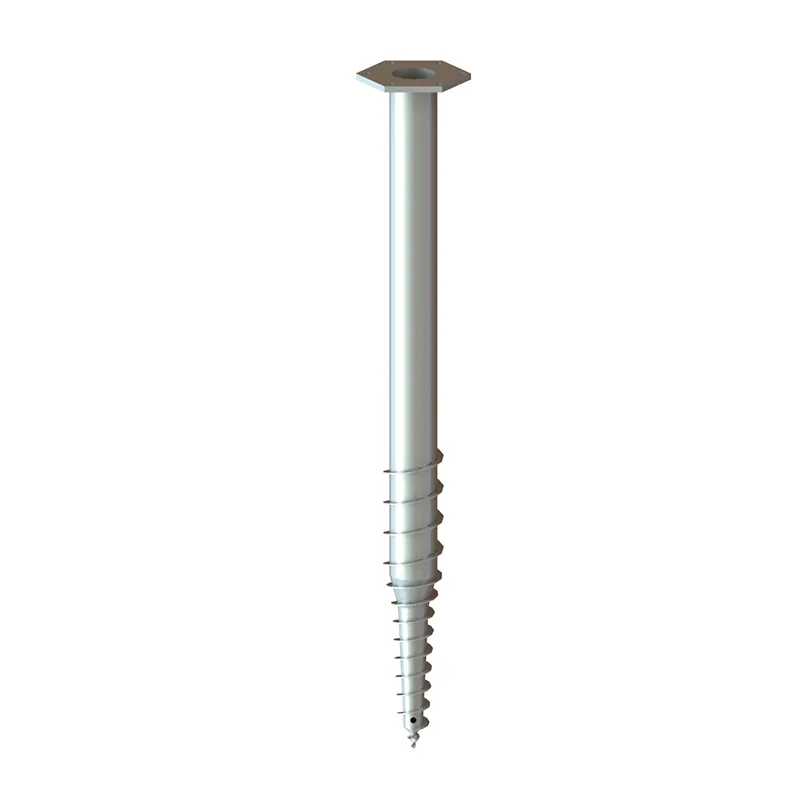
When sourcing ground screw anchors for large-scale industrial or commercial projects, the choice of manufacturer is as critical as the product itself. The market features numerous suppliers, but discerning clients must prioritize manufacturers who demonstrate proven expertise, adherence to international quality standards, robust production capabilities, and a strong commitment to customer-centric solutions. Key differentiators include a manufacturer’s experience in the helical pile industry, their certified quality management systems (such as ISO 9001, which signifies consistent product quality and process efficiency), the range of products offered, and their capacity for custom fabrication. For instance, Hebei Metals, with a long-standing history in steel product manufacturing and a dedicated focus on Screw-In Anchors, exemplifies a leading choice in this sector. Our commitment to utilizing premium-grade Q235B and Q345B steel, coupled with an advanced hot-dip galvanization process adhering strictly to ISO 1461 and ASTM A123 standards, ensures that our products offer unparalleled corrosion resistance and a service life exceeding 50 years, even in the most challenging environmental conditions. This meticulous attention to material science and surface treatment is a testament to our authoritative standing in the industry.
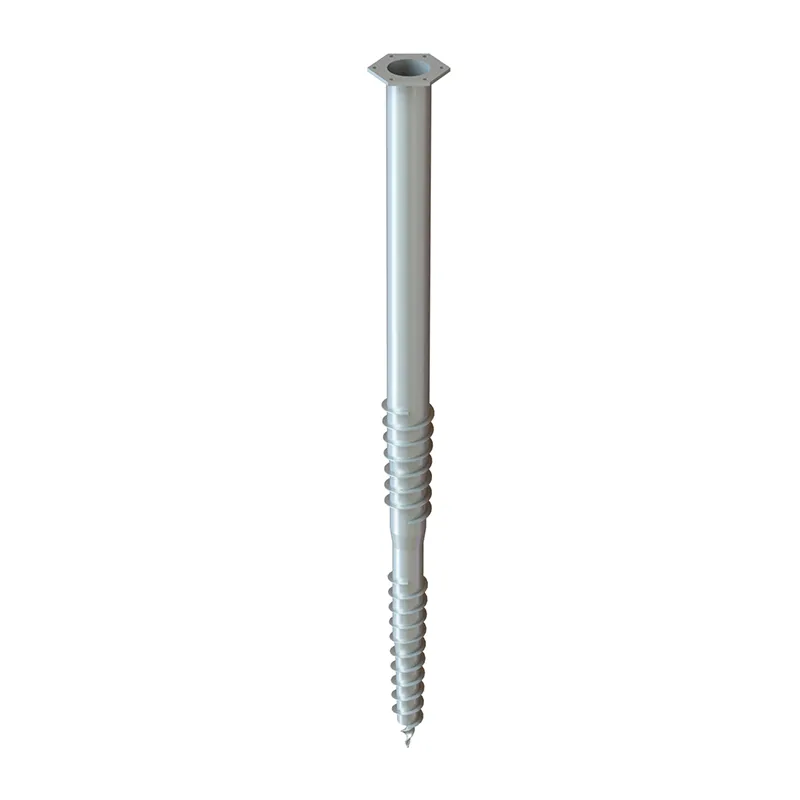
Beyond standard offerings, the ability to provide tailored solutions is paramount for complex projects. Hebei Metals excels in offering comprehensive customization capabilities for ground screw anchors, recognizing that every project has unique requirements. This includes bespoke designs for varying shaft diameters, lengths, helix configurations (single, double, or multiple helices), and specialized connection plates to seamlessly integrate with diverse structural designs. Whether a project demands specific load capacities for challenging soil strata, unique head attachments for unconventional structures, or anchors optimized for particular installation machinery, our engineering team collaborates closely with clients to develop precise, performance-driven solutions. Our expertise extends to advising on optimal screw selection based on geotechnical reports and structural loads, ensuring maximum efficiency and safety. This bespoke approach differentiates us from mass-market suppliers, allowing us to cater to the exacting demands of industrial clients in sectors like large-scale solar power, telecommunications infrastructure, and heavy industrial construction, where off-the-shelf solutions may not suffice. Our rigorous internal testing protocols, combined with third-party certifications, provide an additional layer of assurance regarding the performance and reliability of our custom Screw-In Anchors. This dedication to quality, coupled with our flexibility in customization, makes Hebei Metals a trusted partner for B2B clients seeking robust, long-lasting, and precisely engineered foundation solutions, cementing our reputation as an authoritative and trustworthy source in the ground screw anchors market, capable of delivering solutions that meet the most stringent project specifications and exceed client expectations.
The practical utility and superior performance of ground screw anchors are best illustrated through their successful deployment in real-world application cases across various industries, demonstrating their efficiency, reliability, and cost-effectiveness. One compelling example involves a large-scale solar farm project in a remote desert region where traditional concrete foundations would have necessitated extensive logistical challenges, including water scarcity for mixing concrete, prolonged curing times under extreme temperatures, and significant environmental disruption from excavation. By opting for Screw-In Anchors, the project significantly reduced its environmental footprint, eliminated the need for water in foundation construction, and drastically accelerated the installation schedule. The installing ground screw anchors team was able to deploy hundreds of foundations daily, leading to a project completion that was weeks ahead of schedule, translating into substantial savings in labor costs and earlier energy generation. This case underscores the tangible benefits of rapid deployment and minimal site impact inherent in ground screw technology. Another notable instance involved a telecommunications company seeking to erect multiple communication towers in diverse terrains, including rocky hillsides and marshy lowlands. The versatility of ground screws allowed for efficient foundation installation across these challenging landscapes without the need for extensive earthwork or specialized concrete pumping equipment, which would have been prohibitively expensive and logistically complex. The high pull-out resistance of the helical piles provided the necessary stability for tall structures subjected to high wind loads, ensuring long-term operational integrity even in adverse weather conditions. The ability to achieve precise verticality on uneven ground further simplified the tower erection process, showcasing the adaptability of ground screw anchors in critical infrastructure projects.
Furthermore, an urban development project faced the challenge of rapidly installing numerous temporary modular office units on a compacted urban site with minimal disruption to ongoing city activities. The choice of ground screw anchors proved instrumental, as their vibration-free installation caused negligible noise or ground disturbance, unlike traditional piling methods. The modular units were quickly erected on the stable and level ground screw foundations, allowing for rapid deployment and subsequent easy removal upon project completion, demonstrating their reusability and contribution to a more sustainable construction cycle. For residential applications, a client successfully used ground screw anchor for decks to build an expansive, multi-level deck on a sloped backyard in a fraction of the time typically required for concrete piers. The adjustability of the screw heads allowed for precise leveling across the uneven terrain, resulting in a perfectly stable and aesthetically pleasing outdoor living space that required no excavation, preserving the existing landscape and root systems of nearby trees. Similarly, a community park project utilized ground screw anchors for fence posts to secure thousands of linear feet of perimeter fencing around sports fields. The swift installation eliminated the delays associated with concrete curing, enabling the park facilities to be opened to the public much sooner. These diverse case studies collectively highlight that Screw-In Anchors are not just theoretical alternatives but proven, practical solutions that consistently deliver efficiency, reduce environmental impact, and provide robust, long-lasting foundational support across a myriad of applications, reinforcing their value proposition to B2B clients seeking modern, reliable construction methodologies.
To further enhance trustworthiness and provide clarity for our B2B partners, here are answers to some frequently asked questions regarding our Screw-In Anchors, which fall under the broader category of ground screw anchors. Firstly, a common query pertains to "What soil types are suitable for ground screw anchors?" Our Screw-In Anchors are highly versatile and can be effectively installed in a wide range of soil conditions, including sandy, silty, clayey, and even some gravelly soils. However, a geotechnical survey is always recommended to determine the optimal anchor type and length for specific site conditions, especially in very rocky or highly cohesive soils where specialized drilling might be required. Secondly, "How is the load capacity of ground screws determined?" The load capacity is primarily governed by the anchor's dimensions (shaft diameter, length, helix configuration) and the soil's properties. We conduct rigorous laboratory testing and provide empirical data from on-site pull-out and compression tests to validate the rated capacities of our Screw-In Anchors, often exceeding industry benchmarks. Third, clients frequently ask about "The lifespan and corrosion resistance." Thanks to our advanced hot-dip galvanization process, our ground screw anchors boast an impressive service life of 50 to 100 years, even in aggressive soil environments, far surpassing the durability of untreated steel or some traditional concrete applications. This robust anti-corrosion treatment ensures long-term structural integrity and minimal maintenance requirements. Fourth, "Can ground screws be removed and reused?" Absolutely. One of the significant environmental and economic advantages of ground screws is their ability to be easily extracted with minimal site disturbance and subsequently reused for new projects, contributing to sustainable construction practices and reducing material waste, unlike concrete which typically becomes rubble. Fifth, regarding "Installation requirements and equipment," our Screw-In Anchors are installed using specialized hydraulic torque motors, mounted on excavators, skid steers, or dedicated installation machines. While professional installation is recommended for optimal performance, the process is significantly faster and less labor-intensive than traditional methods, often requiring a smaller crew. Finally, "Are custom sizes and designs available?" Yes, as a professional manufacturer, we specialize in providing tailored solutions. We work closely with our clients to design and manufacture Screw-In Anchors with specific shaft diameters, lengths, helix sizes, and connection types to meet the unique structural requirements and load demands of any project, ensuring a perfect fit and optimal performance.
At Hebei Metals, we understand that reliability in delivery and robust quality assurance are paramount for our B2B clients. Our streamlined manufacturing process and efficient logistics network enable us to offer competitive delivery cycles without compromising on product quality. Standard orders for ground screw anchors typically have a lead time of 15-30 days, depending on order volume and specific customization requirements. For urgent projects, expedited manufacturing and shipping options can be arranged to meet tighter deadlines, demonstrating our commitment to client success. Our quality assurance protocol is meticulous and comprehensive, commencing from the raw material procurement stage, where all incoming steel undergoes stringent chemical composition and mechanical property testing. Throughout the entire manufacturing process, from pipe cutting and helix forming to welding and hot-dip galvanization, multiple layers of quality checks are implemented, including dimensional inspections, weld integrity assessments (e.g., visual inspection, dye penetration testing), and galvanization thickness measurements. Each batch of Screw-In Anchors undergoes final inspection before packaging and shipment, ensuring strict adherence to international standards such as ISO, ASTM, and ANSI. We maintain full traceability of our products, allowing for transparent tracking from raw material to finished good. Our unwavering commitment to quality is underscored by a comprehensive warranty, typically covering material defects and manufacturing flaws for a period of 5-10 years from the date of purchase, subject to proper installation and usage guidelines. Beyond this, our customer support extends to providing technical assistance, installation guidance, and post-sales service, ensuring that our clients receive continuous support throughout the project lifecycle. This commitment to delivering high-quality Screw-In Anchors, coupled with reliable delivery and dedicated customer service, solidifies our position as a trustworthy and authoritative partner in foundational solutions, building long-term relationships based on mutual success and confidence in our products and services.
The evolution of ground screw anchors represents a paradigm shift in foundation engineering, offering a confluence of efficiency, sustainability, and robust performance that addresses the contemporary challenges of the construction industry. As demonstrated throughout this comprehensive article, the Screw-In Anchor, exemplified by products like those offered by Hebei Metals, stands out as a superior alternative to conventional concrete foundations. Its advantages are multifaceted, encompassing rapid installation times, significant reductions in labor and material costs, minimal environmental disturbance, and exceptional load-bearing capacities across diverse soil conditions. The meticulous manufacturing processes, employing high-grade materials and adhering to stringent international quality standards such as ISO and ASTM, ensure the longevity and reliability of these helical piles, often with a projected service life exceeding 50 years. The versatility of ground screw anchors is evident in their widespread adoption across various sectors, from large-scale solar power installations and telecommunications infrastructure to residential applications like ground screw anchor for decks and ground screw anchors for fence posts. Their adaptability extends to challenging terrains and projects requiring customized solutions, highlighting the importance of partnering with experienced manufacturers capable of delivering tailored designs and robust technical support.
The future outlook for ground screw anchors is exceedingly positive, driven by global initiatives towards sustainable development, increasing urbanization, and the continuous demand for rapid, cost-effective construction methodologies. As environmental regulations become more stringent and construction timelines become tighter, the inherent benefits of ground screws—such as their reusability, reduced carbon footprint, and non-excavation installation—will continue to fuel their market expansion. Ongoing research and development are focused on enhancing their performance in extreme conditions, optimizing installation machinery for greater efficiency, and developing new applications for this versatile technology. For B2B decision-makers, engineers, and project managers, embracing ground screw technology is not merely adopting a new foundation method; it is investing in a future-proof, sustainable, and economically advantageous solution that streamlines construction processes and enhances the longevity of assets. Hebei Metals remains committed to leading this transformation, providing high-quality Screw-In Anchors backed by unparalleled expertise, comprehensive support, and a steadfast commitment to innovation and customer satisfaction, ensuring that your projects are built on the most reliable and efficient foundations available.



Copyright © 2026 Hebei Minmetals Co., Ltd. All Rights Reserved. Sitemap | Privacy Policy | Menu