






























In the world of construction and engineering, the metal h brace stands as an unsung hero—simple in form yet profoundly vital in function. But what exactly is a metal h brace, and why should it matter beyond the blueprints and workshop floors? Frankly, this component addresses a universal challenge: ensuring stability and safety in structures under dynamic stresses. As urbanization accelerates globally, and industries demand stronger, lighter, and more adaptable frameworks, understanding the metal h brace becomes crucial for architects, engineers, and project managers alike.
The United Nations estimates that by 2050, nearly 70% of the world’s population will reside in urban areas (1). This shift drives an ever-growing need for reliable building components that maintain structural integrity without inflating costs or environmental footprints. Metal h braces, often overshadowed by flashy architectural elements, provide critical support, especially in seismic zones and high-wind regions. According to ISO standards on structural safety (ISO 2394:2015), bracing systems must resist lateral forces efficiently, and the metal h brace is a proven solution delivering on that imperative.
But beyond urban expansion, industries like mining, oil & gas, and humanitarian sectors encounter unique challenges where traditional supports just don’t cut it. A metal h brace’s modular nature and high strength-to-weight ratio offer a practical answer.
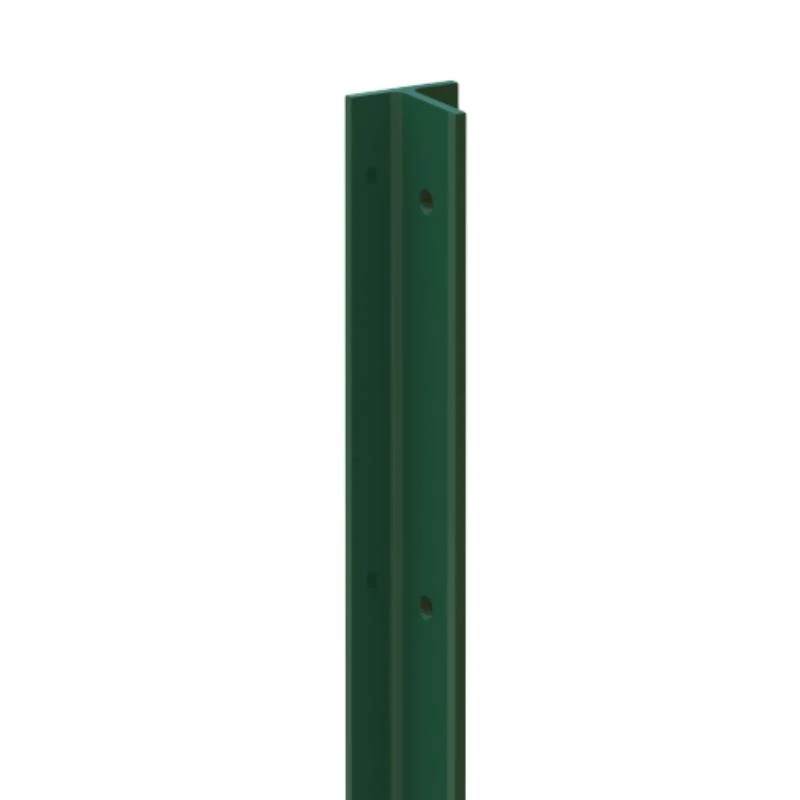
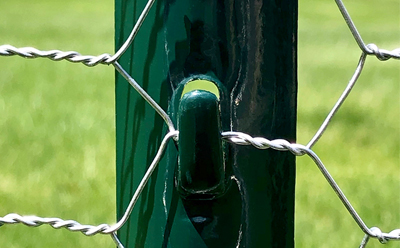
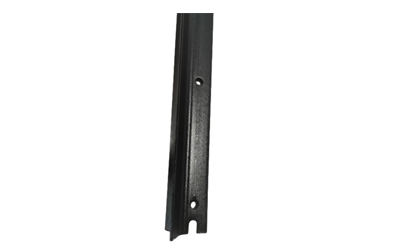
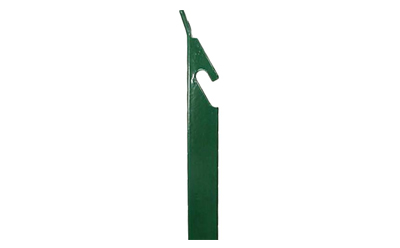
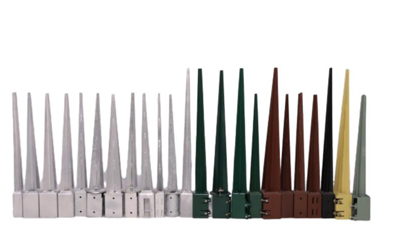
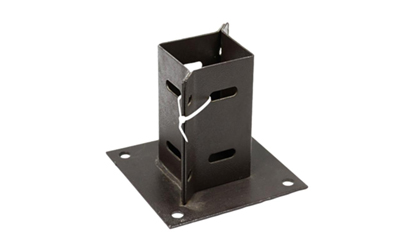
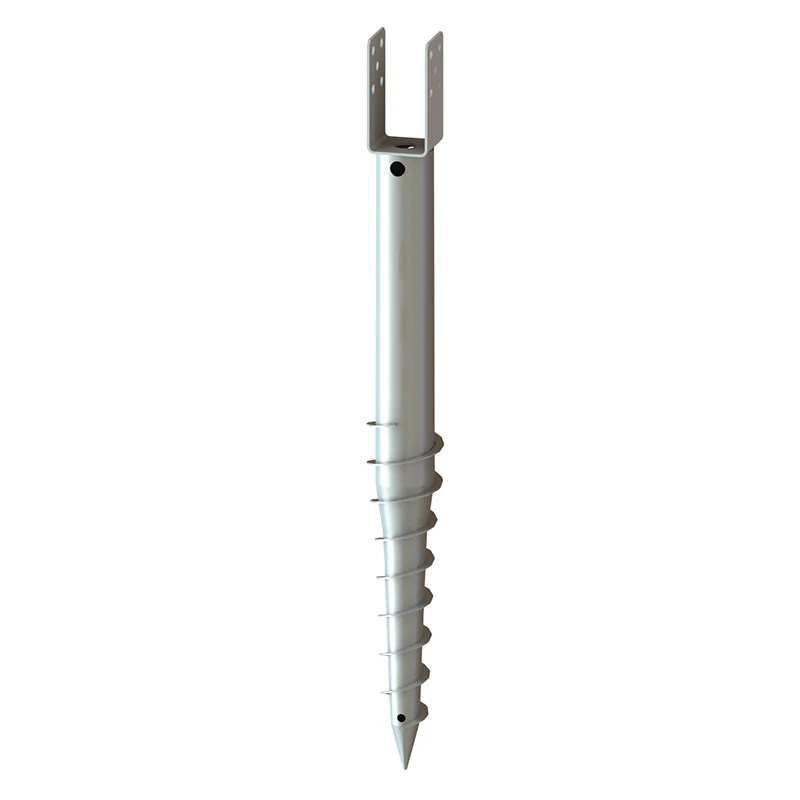
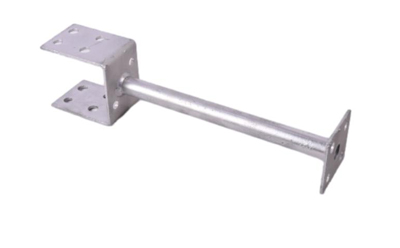
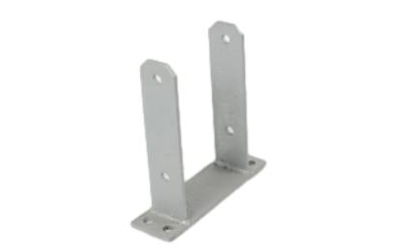
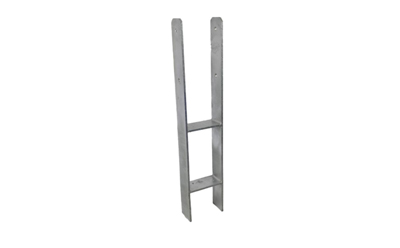
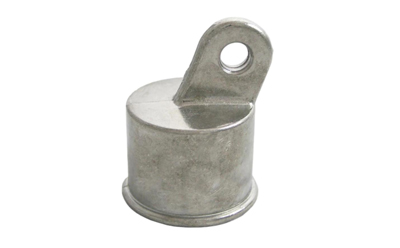
At its core, a metal h brace is a structural brace shaped somewhat like the letter “H,” typically fabricated from steel or high-strength alloys. It serves to stiffen frameworks against twisting and lateral forces. Picture an essential cross-support that keeps buildings, bridges, or even temporary shelters from swaying too much or collapsing under pressure.
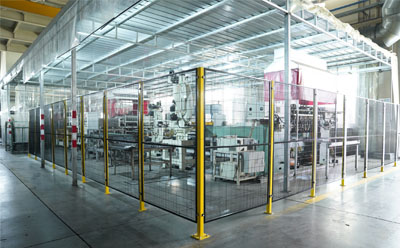
These braces connect beams and columns, distributing loads more evenly. In modern industries, they’re pivotal in rapid construction projects, retrofitting older buildings, and even in disaster relief — offering quick, durable support where it’s desperately needed.
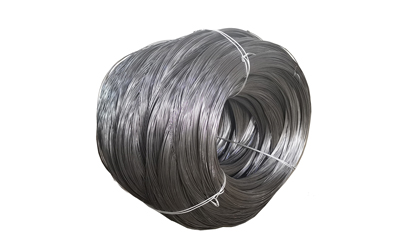
Metal h braces are typically made from carbon steel or galvanized steel to resist corrosion and wear over decades. The thickness and grade of steel directly impact resilience. Durability means not just lasting longer but performing reliably under extreme stresses like earthquakes and heavy winds.
Available in a myriad of sizes and thicknesses, metal h braces can be tailored to simple residential buildings or towering skyscrapers alike. Their modular design lends itself to easy scaling, helping engineers customize solutions without reinventing the wheel every time.
Compared to other bracing solutions using composite materials or custom fabrication, metal h braces offer a strong ROI. Their mass-produced nature cuts production costs, and installation is relatively straightforward, reducing labor expenses.
Many construction professionals highlight how metal h braces can be bolted or welded quickly, allowing for rapid assembly. Maintenance is minimal, especially when using coatings that resist rust and UV damage.
They work seamlessly with wood, concrete, and steel frames, making them versatile choices for diverse building types and environments.
| Specification | Detail |
|---|---|
| Material | Galvanized Steel (Grade A572) |
| Dimensions | Lengths from 500 mm to 3000 mm |
| Thickness | 3 mm to 12 mm |
| Finish | Hot-dip galvanization |
| Load Capacity | Up to 150 kN (varies by size) |
From South America’s earthquake-prone zones to Southeast Asia’s typhoon-affected coasts, the metal h brace is widely trusted. Here are some notable applications:
Oddly enough, while the concept is straightforward, the actual usage spans countless scenarios. The trick lies in adapting designs locally — without compromising safety or cost-effectiveness.
The advantages aren’t purely technical. Yes, the braces improve structural reliability by helping frames distribute loads and resist deformation. But there’s also an emotional and social side.
It’s hard to keep up with construction tech, but metal h braces are not standing still. Researchers are experimenting with:
Such innovations will enhance durability, reduce maintenance, and integrate with the digital transformation sweeping through construction industries.
No product is without its quirks. Metal h braces, while robust, sometimes face challenges like:
Industry vets also suggest ongoing field testing and collaboration with architects to refine brace designs, ensuring both safety and ease of use.
| Vendor | Material Quality | Price Range | Customization | Lead Time |
|---|---|---|---|---|
| Hebeimetals | High-grade galvanized steel | $$ | Full customization | 2–4 weeks |
| SteelWorks Inc. | Standard steel alloys | $ | Limited | 3–5 weeks |
| GlobalBraces Ltd. | Premium alloys with coatings | $$$ | Extensive | 1–3 weeks |
All things considered, the metal h brace is one of those quietly essential components that holds entire buildings and industries together. Their combination of durability, versatility, cost-efficiency, and adaptability makes them integral to modern construction challenges—whether that’s an urban tower in Shanghai or a temporary shelter in Haiti. If you want your structures to be safe, smart, and sustainable, exploring quality metal h brace solutions is a logical step.
Ready to strengthen your projects? Visit our website: https://www.hebeimetals.com for expert-made metal h braces tailored to your needs.
So, next time you pass a steel-framed building, remember — much of its strength quietly rides on that humble H-shaped brace.
Quick takeaway: Metal h braces are foundational not just structurally but culturally—in helping communities build safer, smarter, and greener futures.
References:
1. United Nations: World Urbanization Prospects (2018)
2. ISO 2394:2015, General principles on structural reliability
3. American Institute of Steel Construction, FAQs on Bracing Systems



Copyright © 2026 Hebei Minmetals Co., Ltd. All Rights Reserved. Sitemap | Privacy Policy | Menu