











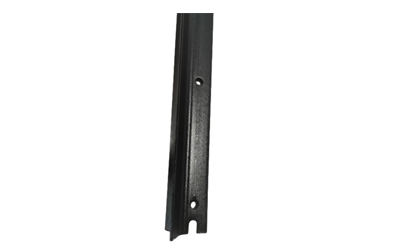
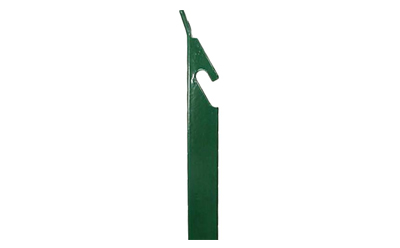
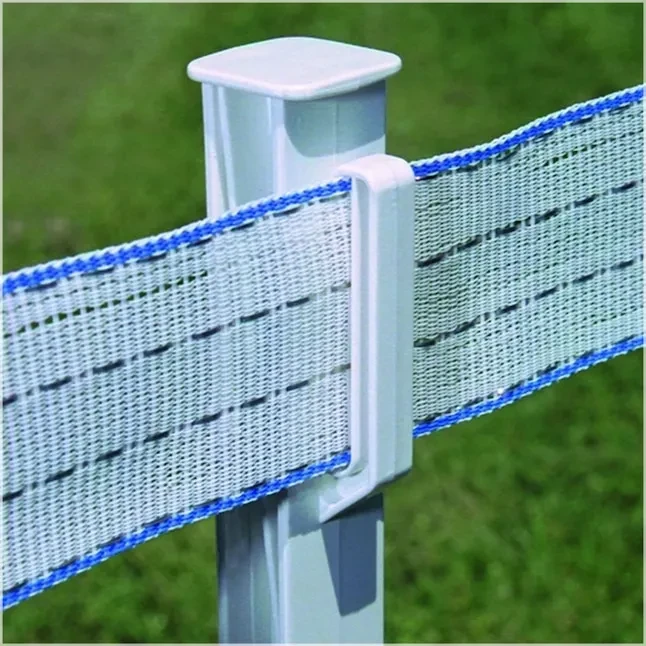
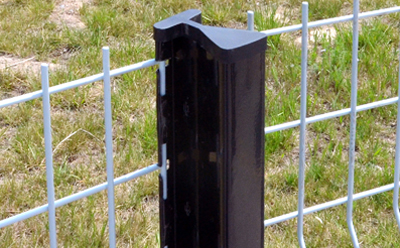
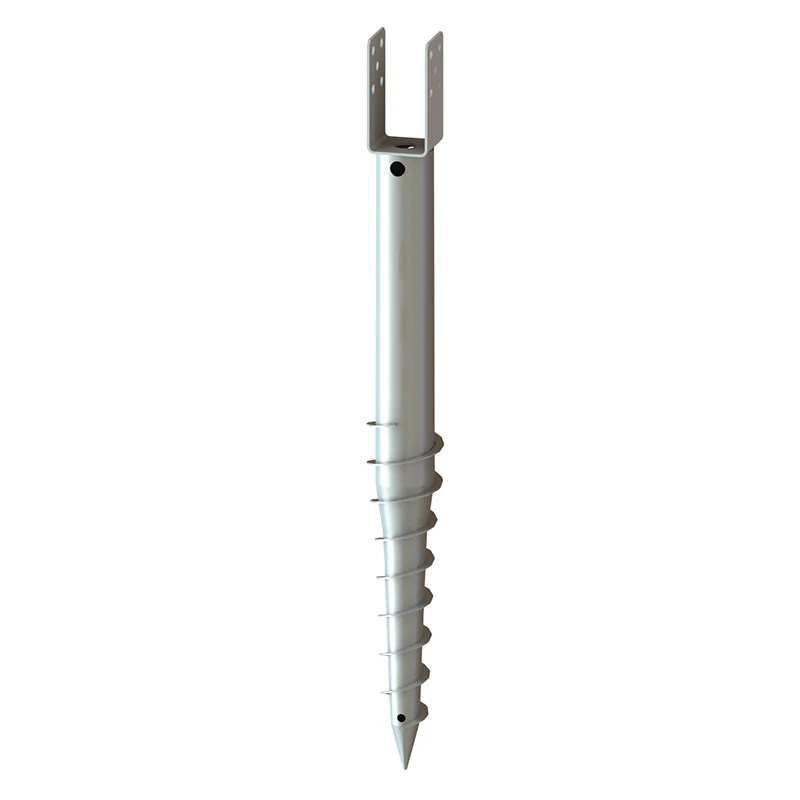
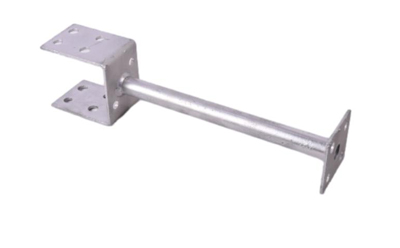
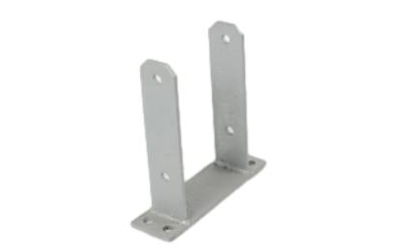
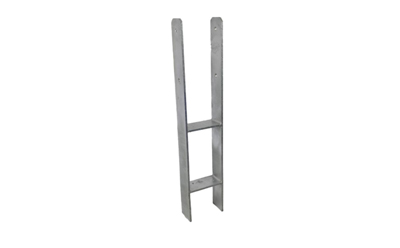



































In the world of boating and shoreline operations, few things are quite as overlooked — yet as essential — as the humble boat shore anchor spike. When you picture a boat moored calmly by a serene riverbank or dock, it’s easy to imagine calm waters and gentle breezes. But beneath the surface, that boat is counting on the strength and reliability of its anchors, especially the shore anchor spike, to keep it safe and steady. This little device has far-reaching importance — from fishing villages in Southeast Asia to remote scientific stations in the Arctic, securing vessels safely to shore is a global task that depends on durable, well-designed anchors.
Understanding the mechanics, materials, and applications of shore anchor spikes is not just for engineers or marine professionals — it matters to environmental planners, emergency responders, and even recreational boaters. Grasping these basics means making boating safer, reducing environmental damage, and, frankly, avoiding a messy situation where a boat breaks free and drifts away. Let’s dive deeper.
Globally, marine transport and recreational boating have exploded. According to the United Nations Conference on Trade and Development (UNCTAD), over 80% of world trade by volume moves via shipping. While large cargo vessels dominate ports, smaller boats play vital roles in coastal economies, tourism, and emergency services.
One pressing issue? Shorelines are changing — erosion, rising sea levels, and urban development mean anchoring is trickier than it once was. Traditional bulky anchors are not always practical or eco-friendly, especially in sensitive environments. Boat shore anchor spikes offer a middle ground: they stabilize vessels on shorelines without heavy machinery or damage.
In disaster relief operations, boats delivering aid often need quick, reliable mooring on unprepared shorelines. A well-designed anchor spike can be deployed rapidly, holding steady against currents and weather extremes. It’s a problem solver for coastal communities and humanitarian groups alike.
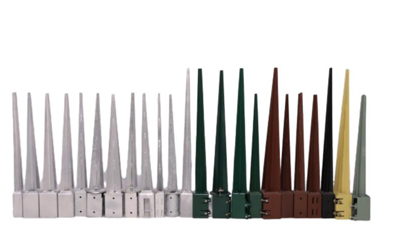
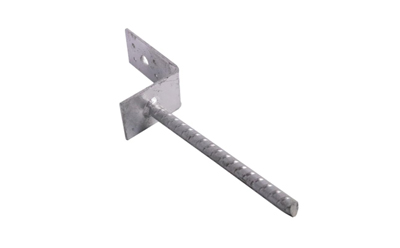
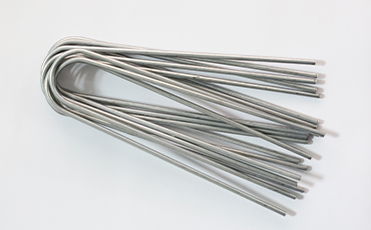
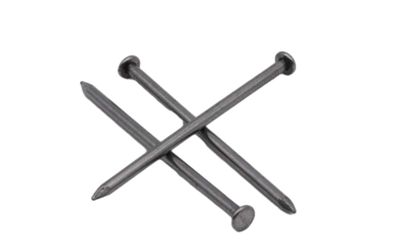
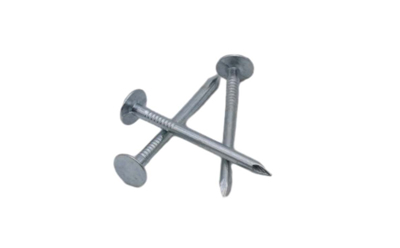
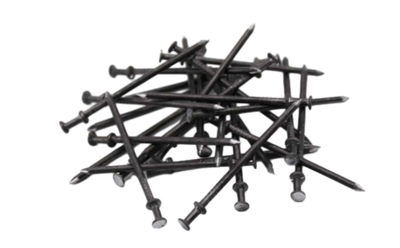
At its core, a boat shore anchor spike is a pointed metal rod or stake designed to be driven into the earth or sand at the water’s edge, creating a solid anchor point onshore for boat mooring lines. Unlike traditional boat anchors designed for underwater use, these spikes rely on friction with soil or compact sand to hold.
Think of it as a terrestrial anchor — you’d use one when there’s no dock or permanent mooring point available. Its simplicity belies its importance in industries ranging from fishing and tourism to scientific fieldwork. For humanitarian missions, where infrastructure might be damaged or absent, a quick-deploy anchor spike can be the difference between success and delay.
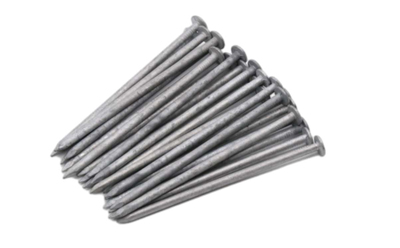
In modern industry, these spikes are often made of corrosion-resistant alloys or galvanized steel, ensuring durability in saltwater and varying soil conditions. Their design emphasizes ease of installation, portability, and reusability.
Saltwater and marine environments are notoriously harsh. The metal used must resist corrosion to maintain strength. Many spikes use galvanized steel or stainless steel. Oddly enough, some manufacturers are experimenting with composite or synthetic reinforced materials to cut weight.
The size affects holding power. A longer spike penetrates deeper, anchoring better in loose sand or mud. Diameter influences strength but also weight and ease of handling.
Some spikes break down into smaller sections or incorporate handles or fastening points. Rapid deployment is crucial during emergencies, so designs often prioritize user-friendliness.
Ideally, a shore spike should minimize ground disturbance and be reusable. Some designs include flanges or blades to increase grip without excessive soil disruption.
The top end usually has eyelets, cleats, or holes for tying mooring lines securely — a small but vital detail.
The versatility of boat shore anchor spikes makes them essential in a variety of global settings:
For example, in the Bay of Bengal region, small-scale fishermen depend heavily on shore anchor spikes due to limited port infrastructure, making their livelihoods safer and more reliable — a subtle but profound impact on economic stability.
| Specification | Details |
|---|---|
| Material | Galvanized Steel / Stainless Steel |
| Length | 60 - 100 cm (24 - 40 inches) |
| Diameter | 16 - 25 mm (0.6 - 1 inch) |
| Weight | Approx. 1.5 - 3.5 kg (3.3 - 7.7 lbs) |
| Surface Finish | Hot-dip galvanized or powder coated |
| Top Mounting | Eyelet or cleat for rope attachment |
| Vendor | Material Options | Price Range | Notable Features |
|---|---|---|---|
| Hebe Metals | Galvanized Steel, Stainless Steel | $25 - $40 USD | Durable, eco-conscious coatings, customizable lengths |
| AnchorPro | Only Stainless Steel | $35 - $50 USD | Premium corrosion resistance, lightweight design |
| CoastSafe | Galvanized Steel | $20 - $30 USD | Value-oriented, easy deployment handle |
Choosing the right boat shore anchor spike isn’t just about nailing your boat in place. It's about peace of mind. Knowing that your vessel won’t drift or succumb to sudden weather changes translates into safety for passengers, crew, and the boat itself.
On a social level, it supports local fishermen and coastal communities, enabling sustainable practices with minimal shoreline damage. Environmentally, better anchors mean less disturbance to fragile coastal ecosystems.
Also, economically, investing in reusable, durable spikes reduces long-term costs versus disposable or damaged gear. It’s a little thing with huge downstream effects.
Believe it or not, the anchor spike world is quietly evolving. Some promising trends include:
These innovations echo broader shifts toward sustainability and digital monitoring in maritime tech, signaling a smarter future at the shoreline too.
A common gripe from users is that anchor spikes sometimes struggle on hard or rocky ground. Driving a spike into compacted or uneven soil isn’t always feasible. Some teams address this by using auxiliary systems — combining spikes with weighted anchors or sandbags to boost stability.
Corrosion remains a concern, especially in warmer, salt-rich waters. Regular maintenance and using best-practice coatings can help prolong lifespan. A little elbow grease goes a long way.
Absolutely. These spikes are designed for manual installation, especially in soft terrains like sand or loose soil. Typically, you drive them into the ground with a mallet or hammer until firmly anchored. However, be sure to check local environmental regulations before installation.
Traditional anchors are made to hold underwater by embedding into the seabed. Shore anchor spikes are meant to work from the shore, anchoring into soil or sand above the waterline. They’re simpler and used where boats need to be tied close to shore without docks.
Stainless steel and hot-dip galvanized steel are common for good corrosion resistance. Some newer composite materials claim equal resistance but tend to be pricier. Regular cleaning and inspections are key regardless.
Yes. Designed for repeated use, these spikes can last years if cared for properly. They should be cleaned after each use to prevent rust and damage.
It depends on your boat’s weight, local soil conditions, and expected weather. As a rule of thumb, larger boats and softer soils require longer and thicker spikes. Vendors like Hebe Metals can help you choose the right model.
So next time you see a boat moored safely on a patch of shore, spare a thought for the modest boat shore anchor spike working in the background. It’s a quiet hero, blending smart design, materials science, and practicality — all to keep vessels steady and communities connected. For anyone interested in marine safety or shipping logistics, understanding these tools’ long-term value is essential.
Need one for your operation? Check out the range at Hebe Metals for reliable, eco-conscious options.



Copyright © 2026 Hebei Minmetals Co., Ltd. All Rights Reserved. Sitemap | Privacy Policy | Menu