










































At first blush, "spike anchor" might sound like a niche technical term reserved for specialized engineers or geotechnical experts. But in reality, spike anchors play a surprisingly foundational role in construction, infrastructure, and even humanitarian efforts worldwide. These simple yet robust devices provide critical stability — from securing temporary shelters after a disaster, to mooring lightweight structures in remote areas, to supporting industrial installations. Understanding spike anchors isn’t just an academic exercise: it’s about recognizing how something so straightforward can yield massive benefits, reducing risks and costs globally.
When you think about global challenges such as urban expansion, climate-related disasters, and infrastructure resilience, solutions like the spike anchor quietly underpin so much of the work on the ground. And that’s why, in this article, we’ll unpack the fundamentals behind the spike anchor, explore its key features, applications, and even where the future might lead for this stalwart of stability.
To appreciate just how widespread the use of spike anchors is, consider the numbers. According to data reported by the International Organization for Standardization (ISO), over 60% of temporary and semi-permanent structures globally rely on some form of ground anchoring, with spike anchors constituting a large portion of that demand. The World Bank also highlights that infrastructure projects in developing nations often require cost-effective, fast-to-deploy anchoring solutions — a perfect niche for spike anchors.
The challenge spike anchors address is quite clear: in many environments — sandy soils, rocky terrain, or disaster zones — securing structures safely to the ground is difficult, expensive, or downright impractical using traditional means like deep concrete foundations. Spike anchors offer a nimble, usually reusable fix that balances security with speed. In fact, humanitarian organizations often praise spike anchors for simplifying logistics during rapid relief efforts.
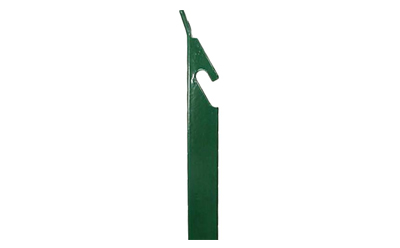
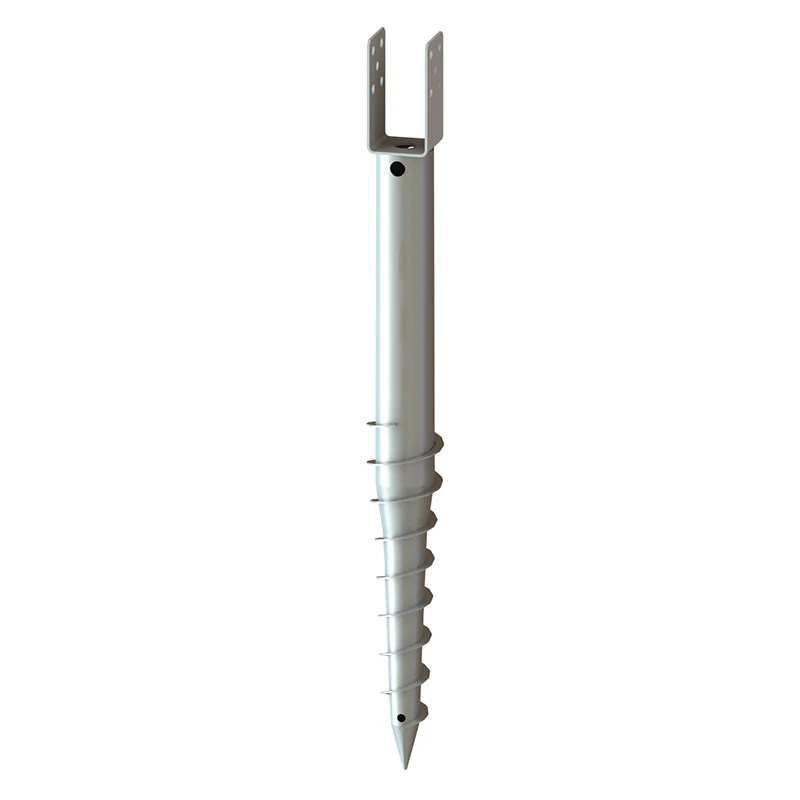
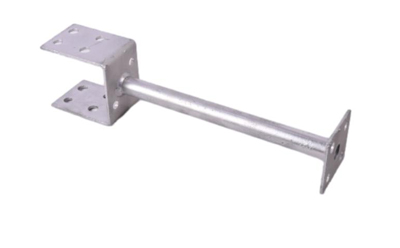
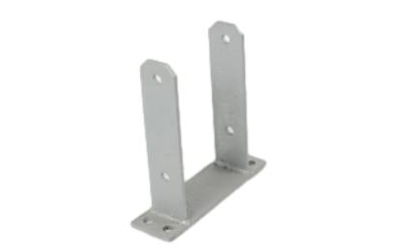
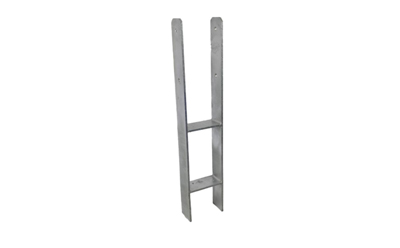
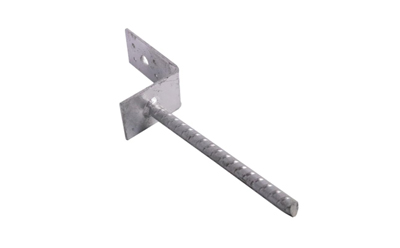
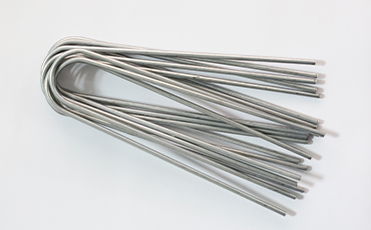
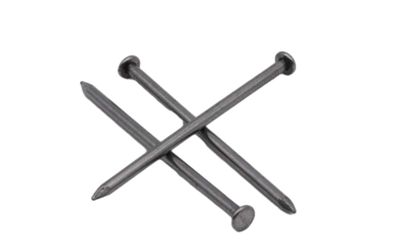
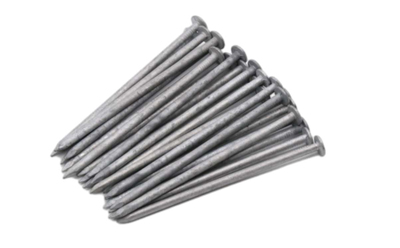
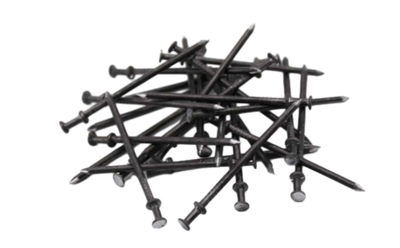
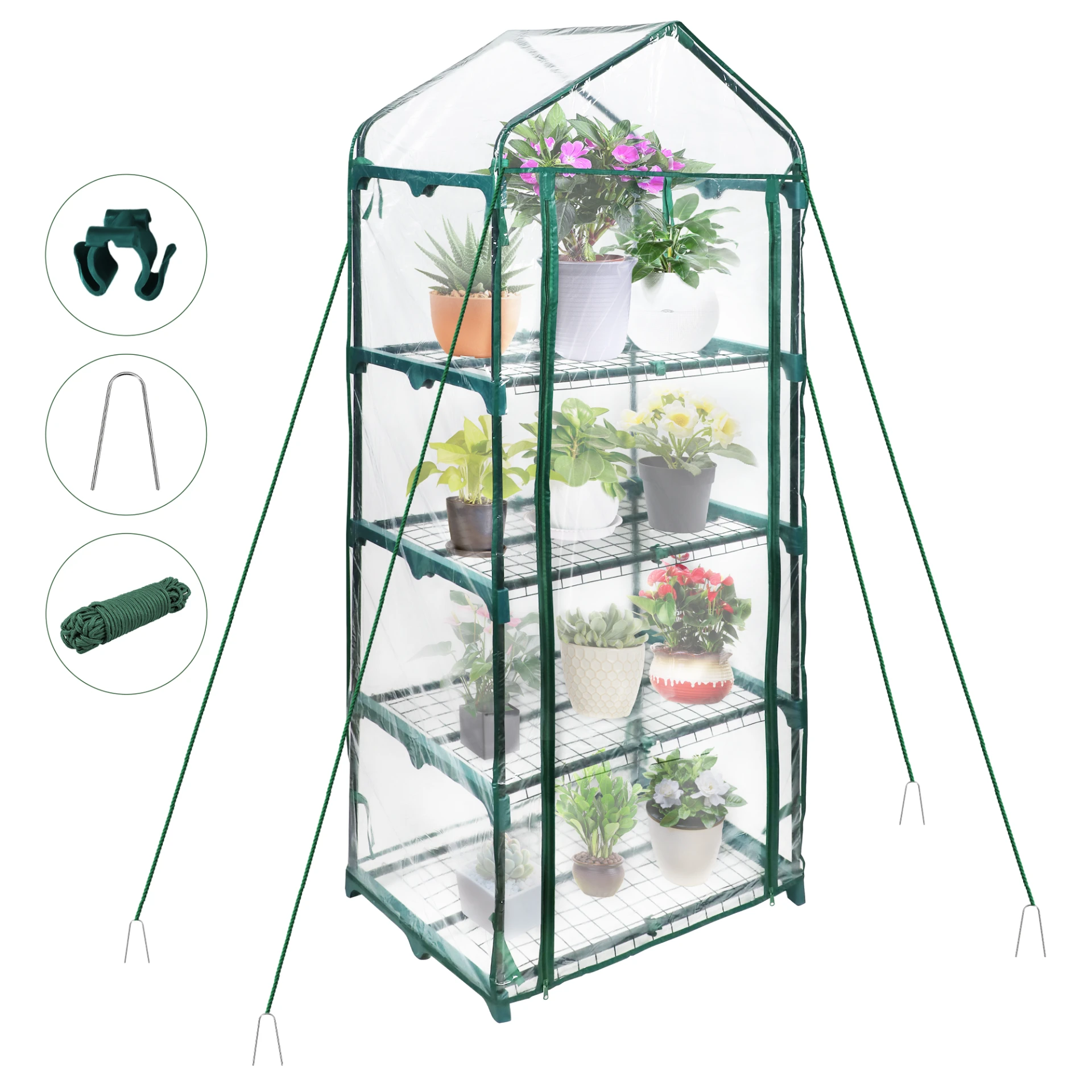
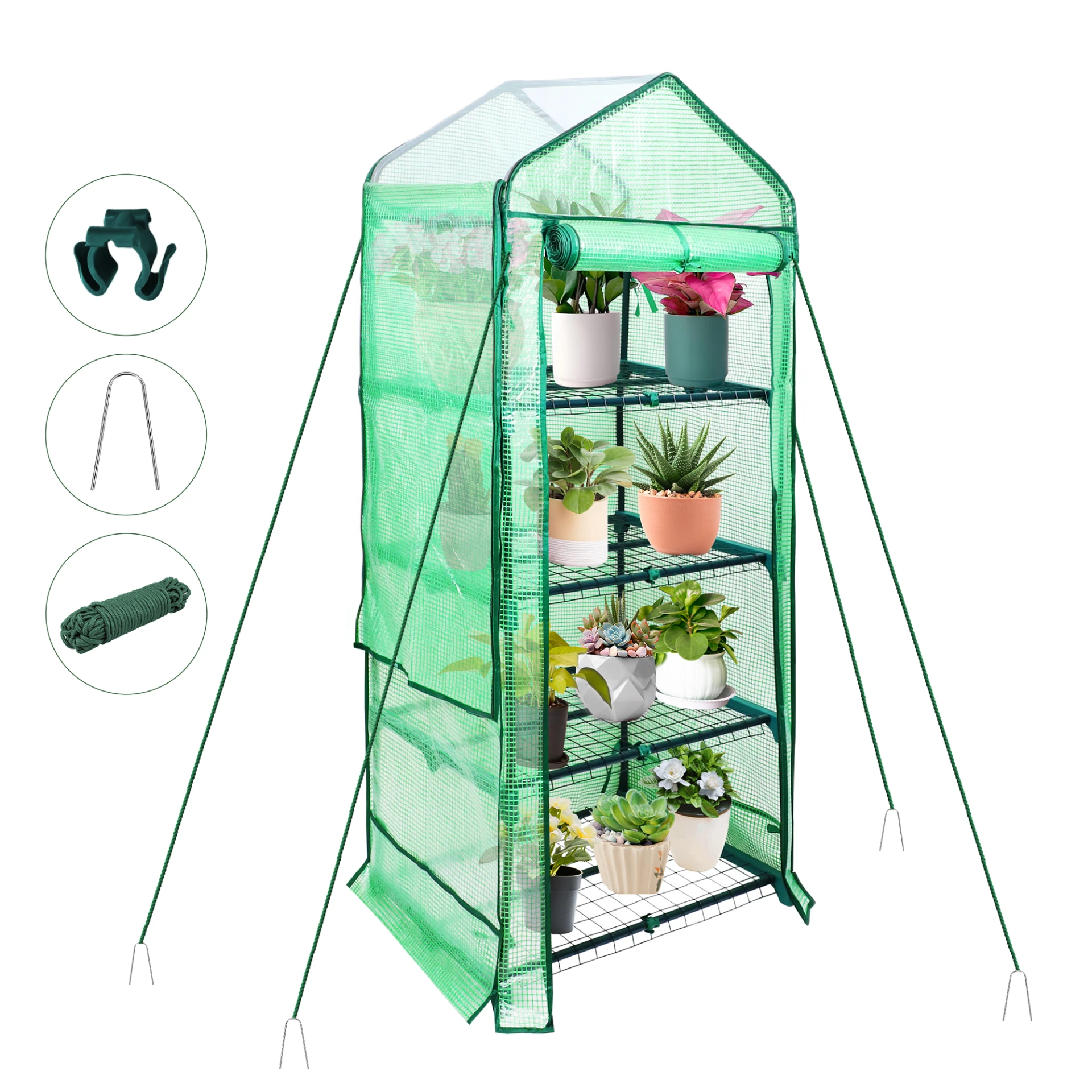
So, what exactly is a spike anchor? In plain terms, it’s a pointed, steel or metal rod designed to be driven deep into the ground to hold structures firmly in place. Think of it as a heavy-duty metal spike that "anchors" tents, fences, or lightweight buildings, providing resistance primarily against lateral and uplift forces.
Despite its simplicity, the spike anchor is an essential tool for modern industries stretching from construction and agriculture to emergency response. The beauty is in its universal utility — whether stabilizing solar panel mounts in arid zones, securing scaffolds in wind-prone cities, or helping NGOs deliver resilient shelter solutions where traditional foundations aren’t feasible.
Spike anchors are often made from galvanized steel or stainless steel to resist corrosion — a must if they're expected to withstand years in variable weather. Many engineers note that durability directly correlates with safety on site and long-term cost savings, since replacement and maintenance can be unpredictable in remote locations.
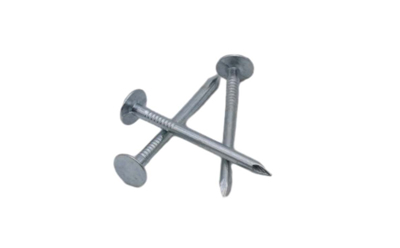
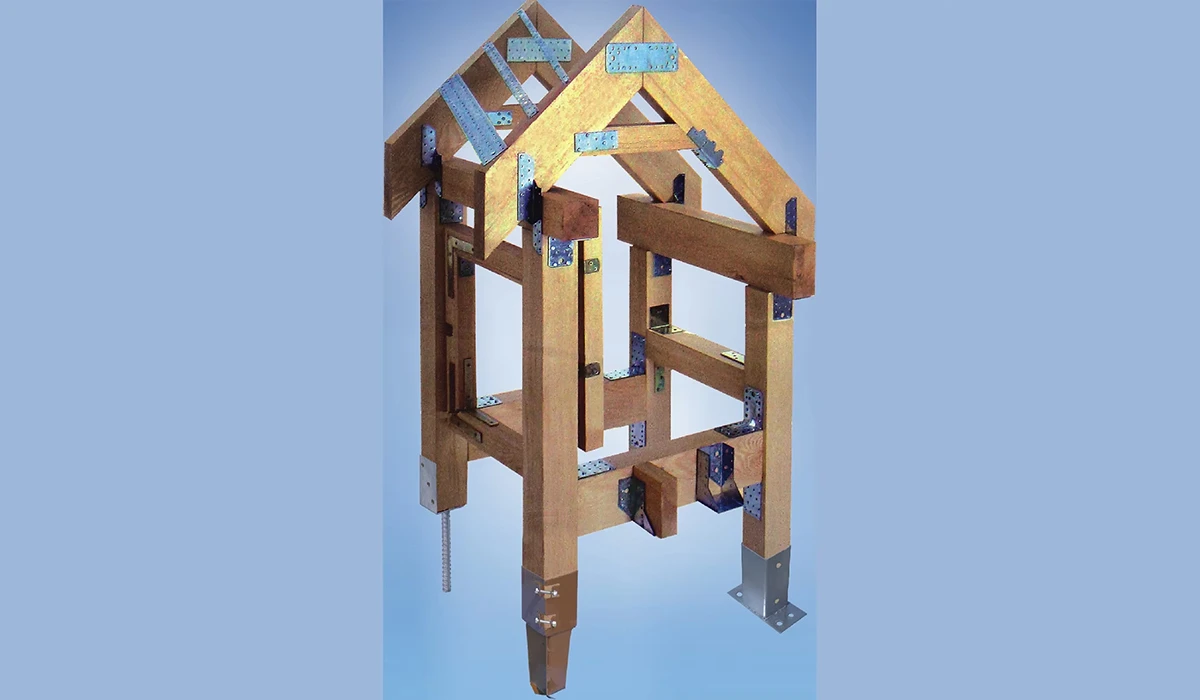
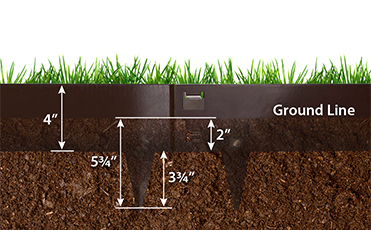
The classic spike anchor sports a sharp, pointed tip for penetration and flared fins or helical plates going up its shaft for grip. Different designs cater to diverse soil types — sandy, clayish, rocky — so selecting the right form is critical. Oddly enough, something as minor as a slight change in angle for the threads can massively improve holding power.
How much weight or force a spike anchor can handle before letting go? That’s the million-dollar question. Load ratings depend on diameter, length, and soil conditions. It’s often a balancing act: bigger isn’t always better, since installation effort and material cost climb, but you need enough strength to ensure safety and durability.
Spike anchors excel partly because many can be installed with little heavy machinery — sometimes just mallets or portable power drivers. This factor is a game-changer in disaster zones or on rugged terrain where cranes or diggers can’t easily reach.
Compared to full concrete footings or mechanical piles, spike anchors are affordable and reusable. This makes them viable for projects where budgets are tight but structural integrity can't be compromised.
Regions benefiting most tend to be those with unstable soil profiles or limited infrastructure access — sub-Saharan Africa, Southeast Asia, and parts of South America, according to field reports from agencies like the United Nations Office for the Coordination of Humanitarian Affairs (OCHA).
| Specification | Typical Values | Notes |
|---|---|---|
| Material | Galvanized Steel, Stainless Steel | Corrosion resistance critical |
| Length | 0.5–2.5 meters | Depends on soil depth & structure |
| Diameter | 20–50 mm | Larger diameter → higher load |
| Load Capacity | Up to 25 kN (kilonewtons) | Soil-dependent rating |
| Installation Tools | Manual mallet, pneumatic driver | No heavy equipment needed |
| Vendor | Material Options | Customization | Typical Lead Time | Price Range |
|---|---|---|---|---|
| Hebe Metals | Galvanized Steel, Stainless Steel | Custom lengths & diameters | 2–4 weeks | $$ |
| AnchorPro Inc. | Stainless Steel only | Standard sizes only | 1–3 weeks | $$$ |
| Global Spike Solutions | Galvanized & Plastic Composite | High customization & eco options | 4–6 weeks | $$ |
One thing many engineers and project managers emphasize is the tangible blend of cost-efficiency and reliability that spike anchors deliver. From a financial standpoint, the savings can be substantial — less heavy equipment, reduced labor, and reusable hardware mean budgets stretch further. Environmentally, avoiding concrete foundations reduces carbon footprints, aligning with growing sustainability goals.
But there’s even more to it. Safety improves by solidly anchoring shelters and equipment, which protects lives and builds trust in communities. From a humanitarian perspective, durable anchoring contributes to the dignity of displaced families by ensuring their shelters stand through weather extremes. And innovation keeps driving improvements, like biodegradable composite materials and smart sensors embedded in anchors for monitoring stability remotely.
Digital transformation isn’t leaving spike anchors behind. Some companies are experimenting with spike anchor designs that incorporate IoT sensors to remotely track tension and soil erosion. On the materials front, there’s growing interest in green polymers mixed with steel to reduce weight without sacrificing strength.
Also intriguing is the shift toward automation. Robotic installers or drones could play a future role by rapidly deploying anchors in dangerous or inaccessible zones, something especially vital for disaster relief or military applications.
Even the best spike anchor isn’t a silver bullet. Their effectiveness can degrade in very rocky or waterlogged soils, and in some cases, incorrect installation undermines the whole operation. But experts recommend soil testing before deployment and training programs to improve installer know-how.
Innovations like adjustable-length anchors and modular designs are helping to tackle tricky terrain challenges. Plus, ongoing R&D into hybrid materials promises enhanced durability with less weight.
A: With proper galvanization and maintenance, spike anchors can last 10 to 20 years, depending on environmental stresses like moisture and soil acidity. Choice of materials like stainless steel can extend lifespan even further.
A: Generally, yes. Provided they haven't bent or corroded significantly, spike anchors can be extracted and reused, making them ideal for temporary installations like events or emergency shelters.
A: Installation in extremely rocky or permafrost soils is challenging and sometimes requires specialized equipment or different anchor types. Soil assessment beforehand is crucial for success.
A: Work with experienced suppliers like Hebe Metals, who understand customs regulations and provide necessary certifications to ensure hassle-free importation.
A: Spike anchors typically have a lower carbon footprint due to less material usage and avoidance of concrete production, which is highly energy-intensive. Plus, many anchors are reusable, reducing waste.
Spike anchors might seem like humble components, but they embody a perfect blend of engineering simplicity, cost efficiency, and global utility. Their role in stabilizing structures across diverse industries — from post-disaster relief to green energy projects — highlights just how integral they’ve become. If you’re considering scalable, reliable anchoring solutions for your next project, I’d suggest taking a closer look at spike anchors. For trusted supply and custom options, visit Hebe Metals — their products deliver durability with a global perspective.



Copyright © 2026 Hebei Minmetals Co., Ltd. All Rights Reserved. Sitemap | Privacy Policy | Menu