





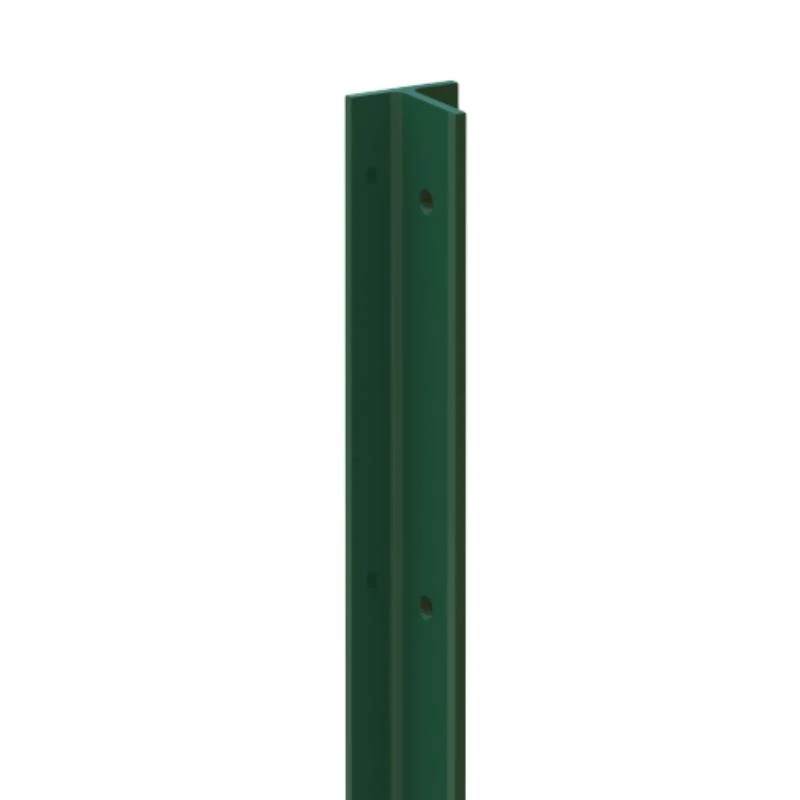
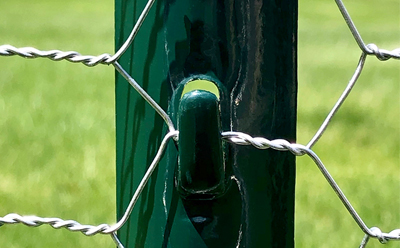
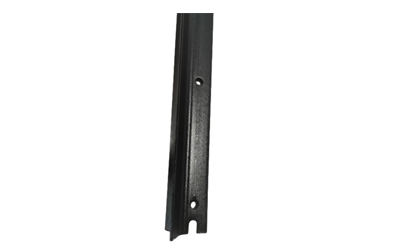
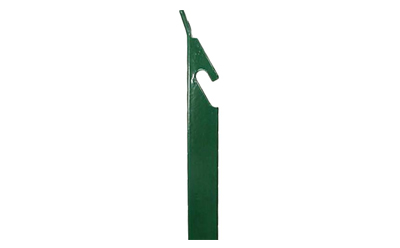
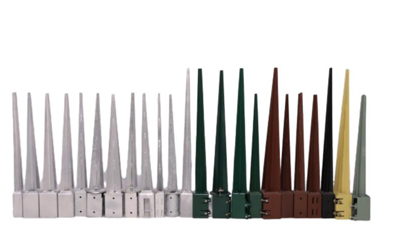
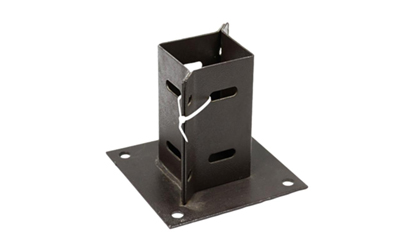
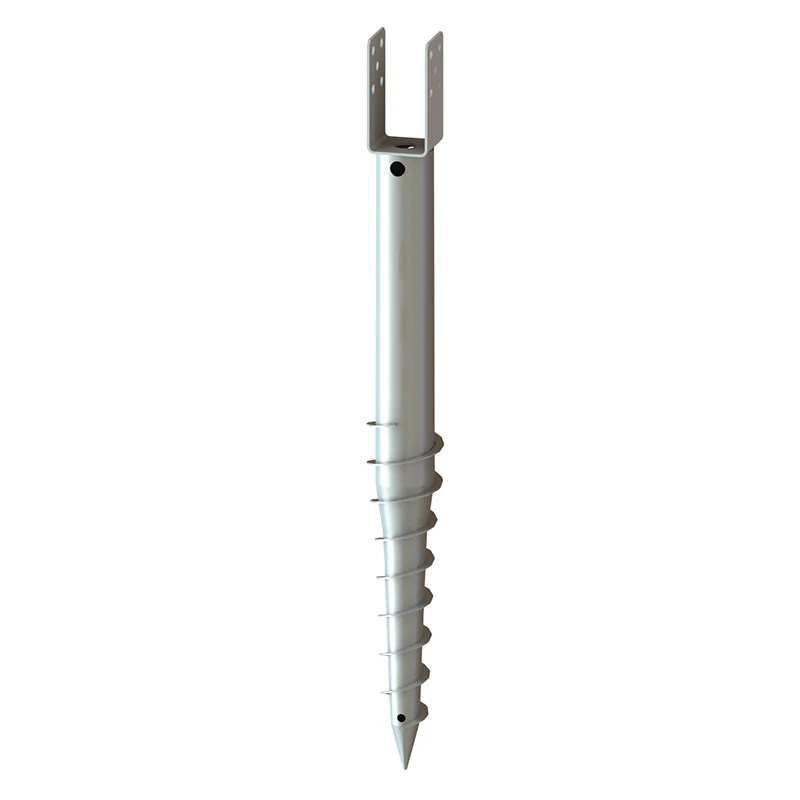
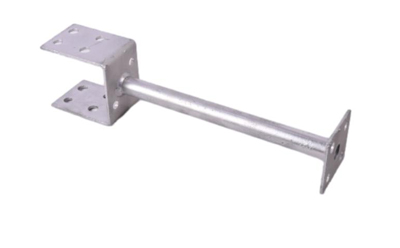

















Steel fencing poles might sound like a niche topic, but their prices ripple far beyond fence lines. Whether you’re securing industrial sites in Asia, protecting wild reserves in Africa, or reinforcing homes in Europe, knowing steel fencing pole prices is key to making smart buying decisions that balance cost, quality, and durability. Globally, fencing infrastructure plays a silent yet critical part in everything from agriculture to humanitarian aid. So, understanding the dynamics behind these prices? It’s vital.
Steel prices, global trade tariffs, and supply chain shifts have pushed steel fencing pole prices up and down dramatically over the past decade. The World Steel Association notes that steel production topped 1.8 billion tonnes in 2022, with fencing poles making a considerable chunk of the finished products. Meanwhile, the United Nations highlights the need for secure infrastructures worldwide — be it disaster zones or expanding agricultural lands. But here’s the rub: as demand grows, prices fluctuate in ways that can derail community projects or industrial budgets if you're not prepared.
So, when planners or procurement teams talk about steel fencing pole pricing, they're not just concerned about the sticker. They consider how these costs affect everything from food security to border control, or eco-tourism boundaries.
In plain terms, steel fencing pole prices refer to the market cost per unit or per ton of steel poles designed to be used in fencing systems. These prices factor in steel grade, pole length, thickness, coating, and manufacturing processes. They’re a direct indicator of what buyers—contractors, governments, or NGOs—must pay to obtain these strong, durable posts.
It's not just commercial fencing; these poles represent safety, demarcation, and sometimes even life-saving barriers in crisis zones. Hence, prices also reflect the broader social and industrial needs the poles facilitate.
Higher-grade steel alloys improve resistance to corrosion and mechanical stress. But they also bump up costs. For example, galvanized steel poles priced differently from powder-coated or stainless steel variants.
Processes like hot-dip galvanization extend the lifespan and affect pricing due to the labor and material intensity involved.
Price spikes often tie back to raw material scarcity or shipping delays — say, during shipyard strikes or global shortages. Covid-19 disruptions showed us just how fragile supply chains can affect commodity prices.
Longer poles and those with larger diameters mean more steel per piece, logically increasing unit price. Custom sizes command premiums too.
Standards like ISO 1461 for galvanizing or regional safety regulations can influence production costs, thereby affecting price.
Transporting heavy poles internationally increases expenses. Local manufacturing vs. imported products often presents a significant price difference.
Mini takeaway: When assessing steel fencing pole prices, consider a cocktail of factors—not just the number but what’s behind it: material, process, and place.
Steel fencing poles aren’t just for your neighborhood garden. Their reach is impressively broad:
Organizations like the UNHCR and NGO working groups frequently factor in local steel fencing pole prices when planning protective enclosures.
Why choose steel fencing poles despite fluctuating prices? Here’s the thing: they offer measurable returns.
Many project managers recall the peace of mind that comes with knowing the fencing won’t fail mid-season or under pressure—it’s trust as much as price.
Interestingly, the industry is shifting. Some notable trends:
With global emphasis on sustainability, these innovations could even stabilize or reduce steel fencing pole prices over time.
Steel fencing pole sourcing isn’t without headaches:
Experts suggest leveraging supplier partnerships and technological innovations to smooth these bumps.
| Specification | Details |
|---|---|
| Material | Hot-dip galvanized steel (Grade SS400) |
| Length | 1.8 m, 2.4 m, 3.0 m (custom sizes available) |
| Diameter | 38 mm - 60 mm |
| Coating | Galvanized zinc layer (min. 100 g/m2) |
| Weight per pole | Approx. 3.5 - 6.0 kg depending on size |
| Compliance | ISO 1461 (galvanization standard) |
| Vendor | Price per unit (USD) | Coating Type | Lead Time | Customer Rating |
|---|---|---|---|---|
| Hebeimetals Ltd. | $15.50 (standard size) | Hot-dip galvanized | 2 weeks | 4.7/5 |
| SteelPost Corp. | $16.80 | Powder-coated | 3 weeks | 4.3/5 |
| Global Metalworks | $14.95 | Galvanized + paint | 1.5 weeks | 4.5/5 |
Prices fluctuate mainly due to raw material steel costs, global demand, manufacturing expenses, and logistics. For example, tariffs or supply chain disruptions can quickly raise prices, while oversupply or new production technology may drive them down.
Compare vendors carefully, look for certifications, check customer reviews, and consider total cost of ownership, including lifespan and maintenance. Online price trackers and direct supplier communication help avoid markup surprises.
Generally, recycled steel poles cost slightly more upfront due to production processes but offer better sustainability. Over time, their reduced environmental footprint adds value beyond mere pricing.
Factor in weight, volume, customs duties, and potential delays. Bulk orders reduce per-unit freight costs. Partnering with experienced vendors, like Hebeimetals, can simplify logistics.
Yes. Custom lengths or diameters often require specialized manufacturing runs, increasing cost. However, they provide better fit and sometimes reduce installation time and waste.
Understanding steel fencing pole prices isn’t just about dollars and cents. It’s about securing durable infrastructure that quietly supports livelihoods, safety, and progress worldwide. As the global economy evolves and sustainability takes center stage, staying ahead of pricing trends ensures you make investments that pay off—in reliability, reputation, and respect.
Interested in the latest on steel fencing pole prices and high-quality supply options? Visit our website for detailed info and competitive quotes today.



Copyright © 2026 Hebei Minmetals Co., Ltd. All Rights Reserved. Sitemap | Privacy Policy | Menu