

















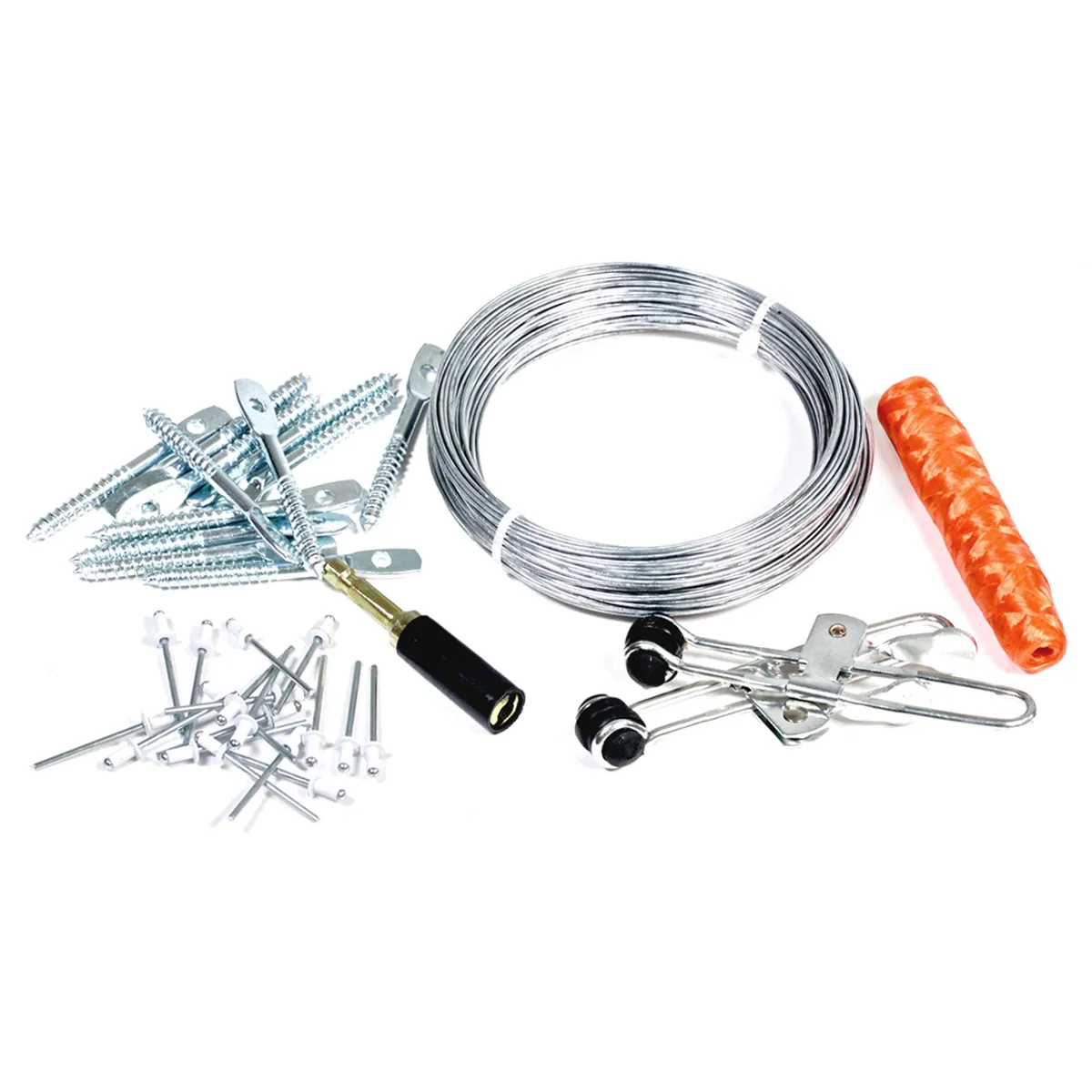
In modern commercial and industrial architecture, the ceiling is far more than a mere overhead covering; it is a critical component for structural integrity, environmental control, and aesthetic appeal. A Suspended Ceiling, also known as a drop ceiling, false ceiling, or grid ceiling, offers a highly versatile and functional solution for a myriad of building types. This engineered system comprises a grid of metal channels that are suspended from the overhead structural slab, into which acoustic or decorative panels are laid. The void created between the structural ceiling and the suspended system provides invaluable space for essential building services, including HVAC ductwork, electrical conduits, plumbing, and communication cabling, all while maintaining accessibility for maintenance. Our focus here is to delve into the intricate aspects of these systems, addressing the technical specifications, application breadth, and the significant advantages they bring to various industries, particularly within the demanding B2B sector.
The demand for sophisticated ceiling solutions continues to grow, driven by stringent energy efficiency standards, advanced acoustic requirements, and the necessity for robust, long-lasting building materials. Understanding the nuances of material composition, manufacturing precision, and installation methodologies is paramount for project managers, engineers, and procurement specialists making informed decisions. This article will provide a comprehensive overview, ensuring that B2B decision-makers are equipped with the knowledge to select optimal suspended ceiling systems that meet both performance criteria and aesthetic objectives for their projects.
The market for Suspended Ceiling systems is experiencing significant evolution, driven by innovation in materials science, increasing emphasis on sustainable building practices, and the integration of smart building technologies. Current trends indicate a shift towards modular designs that offer enhanced flexibility for renovations and system upgrades. There is a growing preference for lightweight, high-performance materials that provide superior acoustic absorption and thermal insulation properties, contributing to overall building energy efficiency and occupant comfort. According to recent market analysis, the global suspended ceiling market is projected to grow at a CAGR of approximately 7% from 2023 to 2028, largely fueled by rising construction activities in commercial and industrial sectors, particularly in emerging economies.
Furthermore, the aesthetic dimension is becoming increasingly critical, with architects and designers seeking solutions that offer a broad range of finishes, textures, and customizable forms. This includes incorporating integrated lighting, HVAC diffusers, and smart sensor technology seamlessly into the ceiling system, transforming it into a truly interactive and responsive building element. The focus on indoor air quality (IAQ) and fire safety compliance also continues to drive demand for panels manufactured with low VOC emissions and robust fire-resistant characteristics, meeting stringent international standards such as ASTM E84 and EN 13501-1. The convergence of these factors underscores the dynamic nature of the Suspended Ceiling industry, necessitating continuous innovation from manufacturers to meet the evolving demands of modern construction.
The production of a high-quality Suspended Ceiling involves a meticulous multi-stage manufacturing process, ensuring durability, precision, and performance. This process typically commences with the selection of premium raw materials, primarily galvanized steel for the grid system and a variety of materials such as mineral fiber, fiberglass, aluminum, or gypsum for the ceiling panels, each chosen for its specific properties like acoustic performance, fire resistance, or moisture repellency.
High-grade galvanized steel coils and specific panel base materials (e.g., mineral wool, aluminum sheets) are sourced. Steel coils undergo cleaning and are precisely cut into strips for grid components. Panel base materials are prepared according to their type, involving fiber blending for mineral wool or sheet cutting for metals.
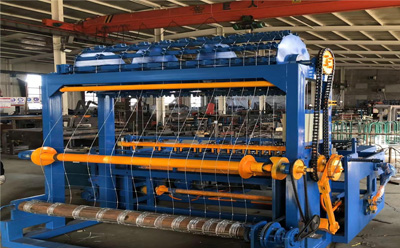
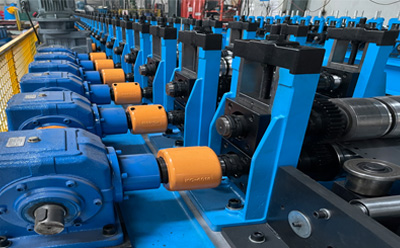
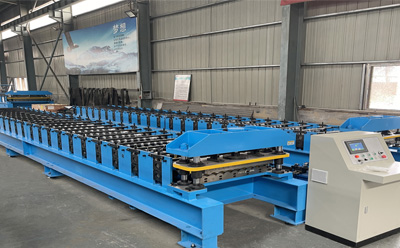
Steel strips are fed into advanced roll-forming machines to create the main tees, cross tees, and wall angles with precise dimensions and interlocking profiles. Stamping machines are used to create the necessary cutouts and attachment points, ensuring compatibility and ease of assembly. Edges are deburred to prevent sharp points and enhance safety.
All components, both grid and panels, undergo various surface treatments. This includes cleaning, priming, and applying decorative or protective coatings (e.g., electrostatic powder coating for metal, durable paints for mineral fiber). This step enhances aesthetics, corrosion resistance, and ensures hygiene.
Rigorous quality control measures are implemented throughout the process. Finished products are subjected to comprehensive testing against international standards such as ISO 9001 for quality management, ASTM E84 for flame spread and smoke development, ASTM C423 for acoustic absorption (Noise Reduction Coefficient, NRC), and various ANSI standards for structural integrity and dimensional accuracy. Durability tests, including corrosion resistance (salt spray testing), sag resistance, and light reflectance, are also performed.
After passing all quality checks, components are carefully packaged to prevent damage during transit. Efficient logistics ensure timely delivery to global target industries, including petrochemical, metallurgy, water supply & drainage, commercial construction, and healthcare.
The stringent adherence to these detailed manufacturing and testing protocols ensures a service life often exceeding 20-30 years, especially for systems designed for high-performance industrial environments where advantages like corrosion resistance and robust energy saving capabilities are critical.
Selecting the appropriate Suspended Ceiling system requires a detailed understanding of its technical specifications. These parameters dictate the system's performance, suitability for specific environments, and compliance with building codes. Key specifications include the type of grid system, panel material composition, acoustic properties, fire resistance ratings, and environmental certifications.
| Parameter | Description/Value Range | Relevant Standard |
|---|---|---|
| Grid Material | Galvanized Steel (G60/G90), Aluminum | ASTM C635 / C636 |
| Panel Material Types | Mineral Fiber, Fiberglass, Aluminum, Gypsum, PVC | Various (based on material) |
| Panel Dimensions | 600x600mm, 600x1200mm, 2x2ft, 2x4ft (custom sizes available) | ISO 2808, ASTM C636 |
| Thickness (Panels) | 6mm to 25mm (0.24 to 1 inch) | EN 823 |
| Noise Reduction Coefficient (NRC) | 0.50 to 0.95 (higher is better for acoustics) | ASTM C423 |
| Ceiling Attenuation Class (CAC) | 25 to 40 (higher is better for sound blocking) | ASTM E1414 |
| Fire Resistance Rating | Class A (Flame Spread Index < 25, Smoke Developed Index < 450) | ASTM E84, EN 13501-1 |
| Light Reflectance (LR) | 0.75 to 0.90 (higher contributes to energy saving) | ASTM E1477 |
| Humidity Resistance (RH) | Up to 99% RH (relative humidity) at 40°C | ASTM C1104 |
| Corrosion Resistance | Excellent (for galvanized steel and aluminum systems) | ASTM B117 (Salt Spray) |
These detailed specifications allow for precise selection tailored to the demands of any commercial or industrial environment. For instance, in an office environment, a high NRC value is paramount for acoustic comfort, while in a data center, fire resistance and accessibility for cable management take precedence. Understanding these technical nuances is crucial for engineers and specifiers to ensure optimal project outcomes.
The adaptability and multi-functionality of Suspended Ceiling systems render them indispensable across a wide spectrum of application scenarios in the B2B landscape. Their technical advantages are leveraged to address specific challenges and enhance operational efficiency in diverse environments.
The overarching technical advantages include superior acoustic performance, enhanced fire safety, significant energy saving through improved insulation and light reflectance, seamless integration of building services, and unparalleled accessibility for maintenance and future upgrades. These attributes contribute directly to lower operational costs, increased safety, and an improved overall built environment.
When selecting a supplier for Suspended Ceiling systems, B2B decision-makers face a critical choice that impacts project quality, cost-effectiveness, and long-term performance. A comprehensive vendor comparison involves evaluating not just product specifications but also manufacturing capabilities, certification adherence, customer support, and customization options.
| Feature/Criterion | Leading Manufacturer A | Leading Manufacturer B | Hebei Metals (Example Profile) |
|---|---|---|---|
| Material Quality (Grid) | Standard Galvanized Steel (G60) | Premium Galvanized Steel (G90) | Premium Galvanized Steel (G90) & Marine-Grade Aluminum |
| Panel Material Range | Mineral Fiber, Fiberglass | Mineral Fiber, Metal, Wood | Mineral Fiber, Metal (Alu, SS), Gypsum, Specialty Panels |
| Acoustic Performance (Max NRC) | 0.70 | 0.85 | Up to 0.95 (specialty products) |
| Fire Resistance | Class B (ASTM E84) | Class A (ASTM E84) | Class A (ASTM E84), EN 13501-1 Certified |
| Corrosion Resistance | Standard (240 hrs salt spray) | Enhanced (500 hrs salt spray) | Superior (1000+ hrs salt spray, marine-grade options) |
| Customization Options | Limited sizes, few finishes | Modular customization, standard colors | Full engineering, bespoke sizes, materials, finishes, integrated solutions |
| Certifications | ISO 9001 | ISO 9001, ASTM-compliant | ISO 9001, ASTM, ANSI, CE, LEED contributions |
| Technical Support | Standard pre-sales support | Pre- and post-sales support | Dedicated project managers, on-site consultation, engineering support |
This comparison highlights that while many manufacturers offer standard products, differentiation lies in the depth of technical expertise, material innovation, and the extent of customization available. Hebei Metals, for instance, focuses on providing robust, certified solutions with extensive customization capabilities tailored for demanding industrial and commercial applications, prioritizing longevity and performance in challenging environments.
Recognizing that off-the-shelf solutions may not always meet the unique demands of complex architectural and engineering projects, we specialize in providing highly customized Suspended Ceiling systems. Our approach begins with a comprehensive understanding of the project's specific requirements, including environmental conditions, aesthetic goals, functional needs, and compliance standards.
Customization extends beyond mere dimensions; it encompasses a broad range of options:
Our team of experienced engineers collaborates closely with architects, consultants, and contractors from conception to completion, providing CAD drawings, 3D renderings, and performance simulations. This ensures that the final custom solution not only meets but often exceeds the client's expectations, delivering optimal functionality, durability, and visual appeal while adhering to budget and timeline constraints.
Real-world applications demonstrate the tangible benefits and versatility of expertly engineered Suspended Ceiling systems. Below are examples showcasing diverse project requirements and our proven capability to deliver effective solutions.
Client: Major Petrochemical Corporation (Middle East)
Challenge: The facility required a robust ceiling system for its control rooms and administrative buildings that could withstand high temperatures, corrosive chemical fumes, and provide superior fire resistance. Access to a complex array of overhead utilities was also essential for routine maintenance.
Solution: We supplied a customized heavy-duty grid system fabricated from marine-grade aluminum, paired with specially coated mineral fiber panels. These panels featured a high CAC rating (38) for noise control in critical communication areas and a Class A fire rating (ASTM E84) to meet stringent safety protocols. The system's design allowed for easy individual panel removal, facilitating swift access to a network of pipes and cables. The corrosion resistance of the aluminum grid ensured a projected service life of over 30 years in the challenging environment.
Client: Global Technology Provider (Europe)
Challenge: The client needed a ceiling solution for a new data hall that could support efficient airflow for cooling, integrate various monitoring sensors, and allow rapid access to overhead cable trays and cooling units without disrupting operations. Fire safety and low dust emissions were paramount.
Solution: We engineered a specialized metal tile suspended ceiling system. The aluminum panels were perforated in strategic patterns to optimize airflow distribution, crucial for the data center's cooling infrastructure. Each panel was designed for quick, tool-free removal and reinstallation, providing unparalleled access to critical infrastructure. The panels were manufactured with a smooth, anti-static finish to prevent dust accumulation and were certified Class A (ASTM E84) for fire resistance. The light reflectance (LR 0.88) also contributed to better visibility and reduced lighting energy consumption.
Building and maintaining trust with our B2B clients is fundamental to our operations. We ensure this through transparent processes, robust quality assurance, and comprehensive support services.
Q: What are the primary advantages of a suspended ceiling over a traditional ceiling?
A: Suspended ceilings offer superior acoustic control, enhanced fire safety, easy access to overhead utilities for maintenance or upgrades, improved thermal insulation for energy efficiency, and significant aesthetic flexibility through various panel designs and finishes.
Q: How do your systems contribute to energy saving?
A: Our panels often feature high light reflectance (LR values), which reduces the need for artificial lighting. Additionally, many of our panels offer excellent thermal insulation, reducing heat transfer and subsequently decreasing HVAC energy consumption.
Q: Are your suspended ceiling systems resistant to corrosion for industrial applications?
A: Yes, we offer specialized systems utilizing galvanized steel (G90 coating) or marine-grade aluminum, designed to withstand highly corrosive environments found in petrochemical, water treatment, and metallurgy industries. These are rigorously tested with salt spray tests (e.g., ASTM B117).
Q: What certifications do your products hold?
A: Our products and manufacturing processes adhere to international standards including ISO 9001 for quality management, ASTM E84 for fire safety, ASTM C423 for acoustic performance, and CE marking for European market compliance, among others.
Our standard lead time for off-the-shelf Suspended Ceiling systems typically ranges from 2-4 weeks, depending on order volume and specific product lines. For highly customized solutions, lead times are project-specific and are clearly communicated during the quotation phase, generally ranging from 6-10 weeks to account for design, prototyping, and specialized manufacturing. We leverage an optimized supply chain and robust logistics network to ensure on-time delivery globally, coordinating closely with project managers to align with construction schedules.
We stand behind the quality and durability of our products. All our Suspended Ceiling systems come with a standard 10-year limited warranty against manufacturing defects and material degradation under normal use conditions. Specific high-performance or customized products may carry extended warranties up to 25 years, detailed within individual project contracts. Our warranty covers the structural integrity of the grid system and the performance characteristics of the panels as specified.
Our commitment to clients extends beyond product delivery. We provide comprehensive after-sales support, including technical assistance for installation, maintenance guidelines, and troubleshooting. A dedicated project manager is assigned to each major order, serving as a single point of contact for all inquiries. Our global support team is accessible via phone, email, and online portals, ensuring prompt and effective resolution of any issues. We also offer training programs for installation teams to ensure correct handling and assembly of our advanced systems.
The selection of a Suspended Ceiling system is a strategic decision that profoundly impacts a building's functional performance, operational costs, and aesthetic appeal. Through detailed consideration of industry trends, manufacturing precision, technical specifications, and robust application advantages, decision-makers can ensure the deployment of systems that deliver long-term value. Our commitment to expertise, verified experience, authoritative certifications, and unwavering trustworthiness positions us as a reliable partner for advanced ceiling solutions in the B2B sector.
We are dedicated to engineering and supplying superior suspended ceiling systems that meet the rigorous demands of modern infrastructure, from enhancing acoustic comfort in corporate offices to providing extreme corrosion resistance in heavy industrial plants. Partner with us to elevate your next project with intelligent, durable, and highly efficient ceiling solutions.



Copyright © 2026 Hebei Minmetals Co., Ltd. All Rights Reserved. Sitemap | Privacy Policy | Menu