








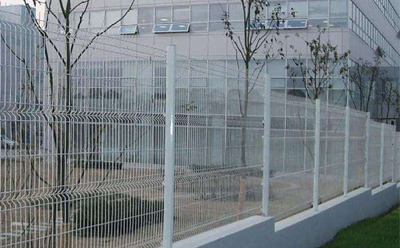




















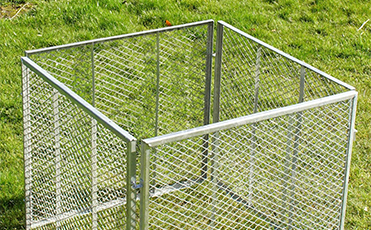
Welded wire mesh is a critical material across a wide range of industries, including construction, agriculture, home improvement, and industrial applications. But what is welded wire mesh exactly, and why is it so important? This article provides a thorough exploration of welded wire mesh, covering its types, applications, benefits, and considerations to help you understand why this material is so indispensable.
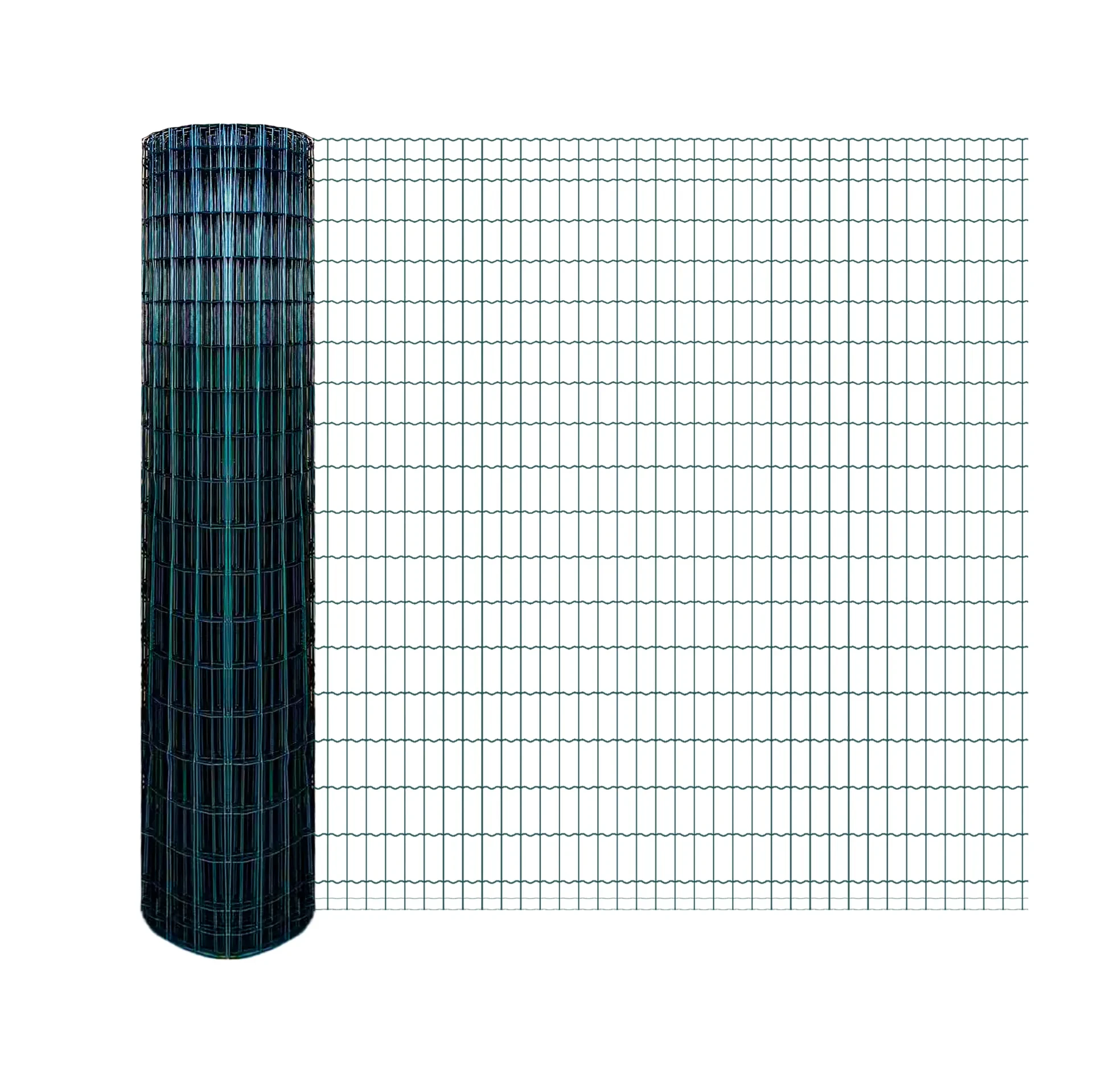
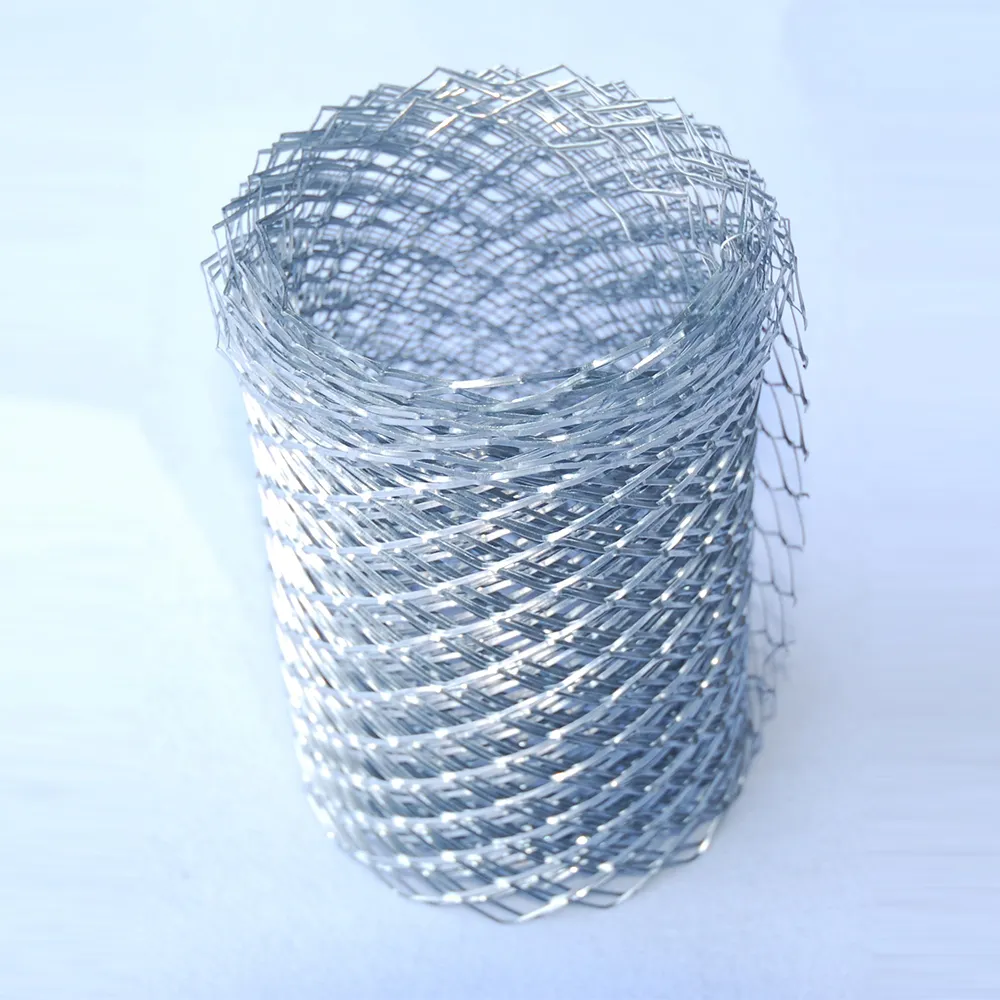
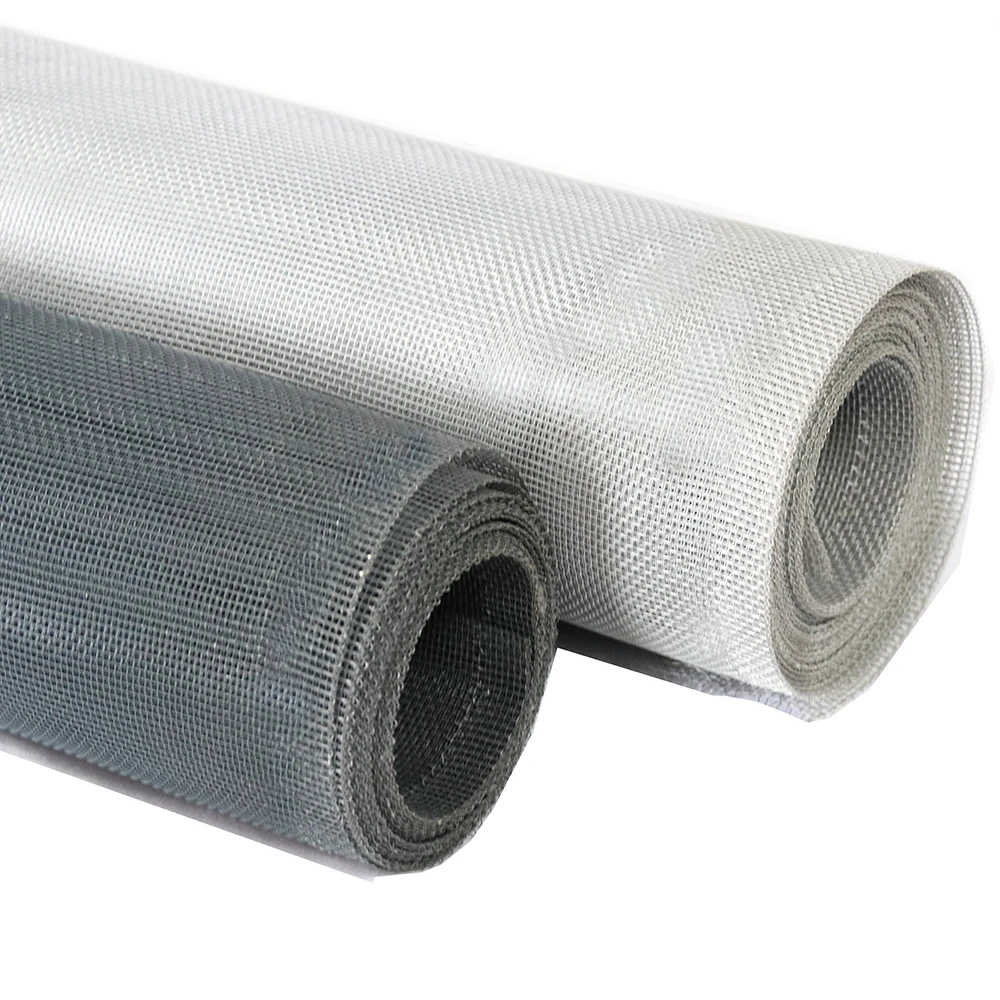
As the name says, welded wire mesh features a structure where the wires are welded together at their intersections. This mesh is typically made from stainless steel or galvanized steel, both of which contribute to its durability and strength.
The key characteristic of welded wire mesh is its rigid and stable structure, which sets it apart from woven wire mesh. While woven wire mesh involves intertwining the wires, welded wire mesh is created by permanently welding the wires together. This welding process results in a more robust and stable mesh compared to its woven counterpart.
The chemical composition of welded wire mesh varies depending on the material used. The most common materials for welded wire mesh are galvanized steel, stainless steel, low carbon steel, and occasionally aluminium or copper. Each of these materials has its chemical profile:
Galvanized steel welded mesh is known for its resistance to corrosion due to the zinc coating that protects the steel from rusting making it a perfect choice for outdoor applications
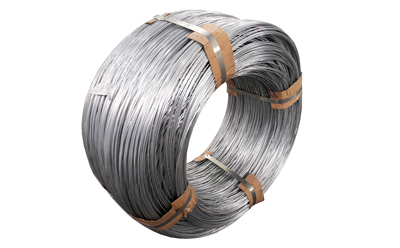
Stainless steel welded wire mesh is chosen for its excellent resistance to corrosion, high temperatures, and aesthetic appeal, making it suitable for demanding environments such as the food processing industry.
Low carbon steel is favored for its cost-effectiveness, ease of welding, and adequate strength for many applications.
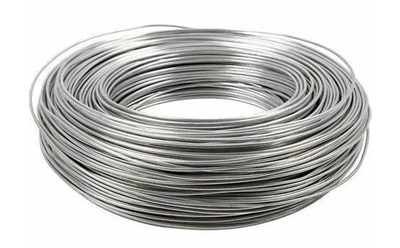
Aluminum is used in specialized applications where a lightweight and corrosion-resistant material is needed. Its chemical composition allows it to perform well in specific environments.

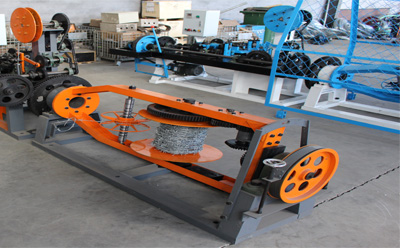
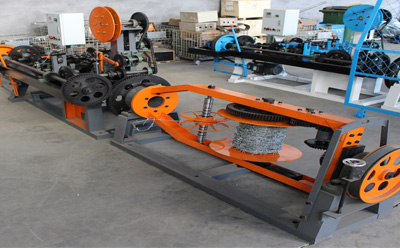
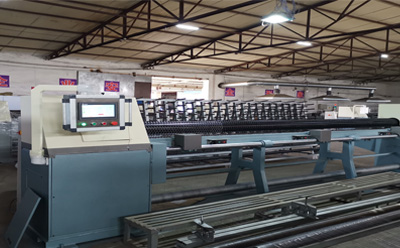
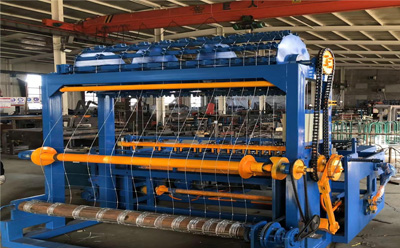
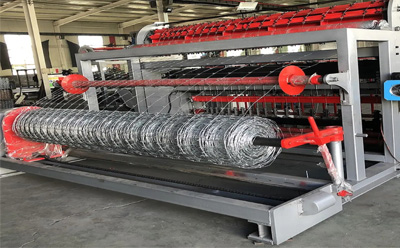
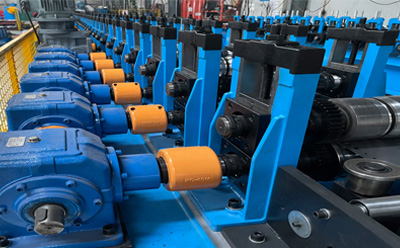
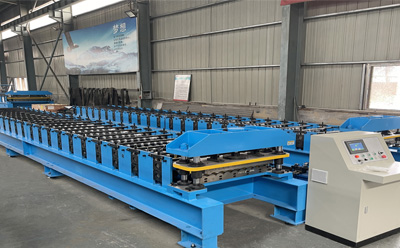
The production of welded wire mesh involves several key steps to ensure quality and precision. Here’s a detailed breakdown of the manufacturing process:
understanding what is welded wire mesh types can help you with the better choice of welded wire mesh tailored for your specific applications. Here are some of the most common welded wire mesh types:
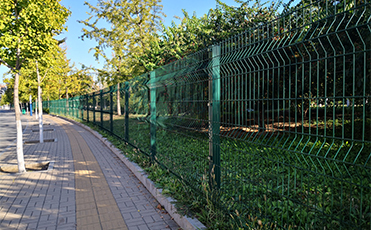
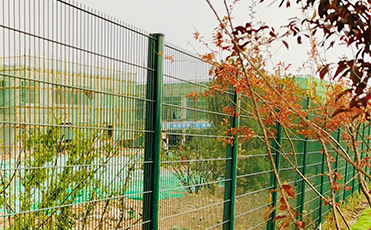
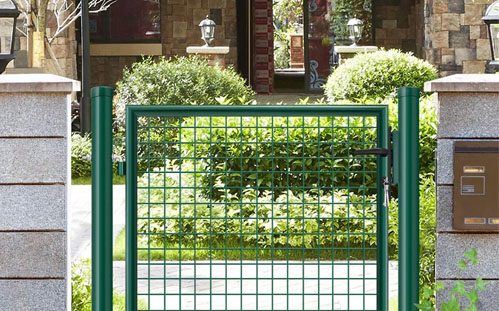
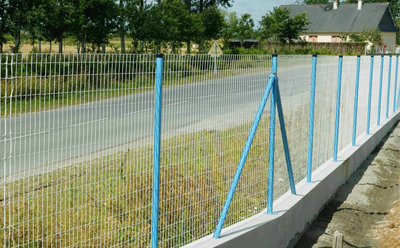
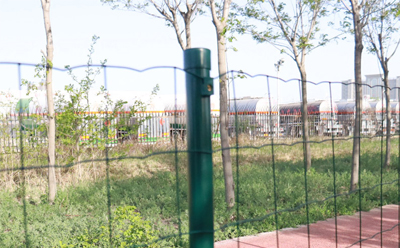
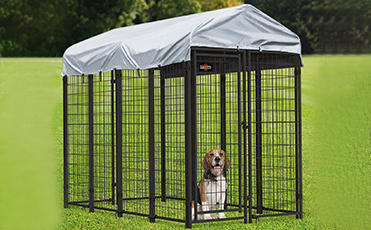
This type of mesh is coated with zinc to enhance its resistance to rust and corrosion. It’s commonly used in outdoor applications, such as in agricultural settings, garden fencing, and animal enclosures. The zinc coating helps the mesh endure harsh weather conditions and extend its lifespan.
Stainless steel mesh is preferred for applications requiring high corrosion resistance and aesthetic qualities. It’s used extensively in industries like pharmaceuticals, food processing, and petrochemicals due to its ability to withstand harsh conditions and maintain hygienic standards.
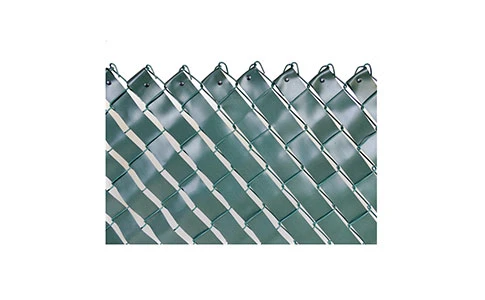
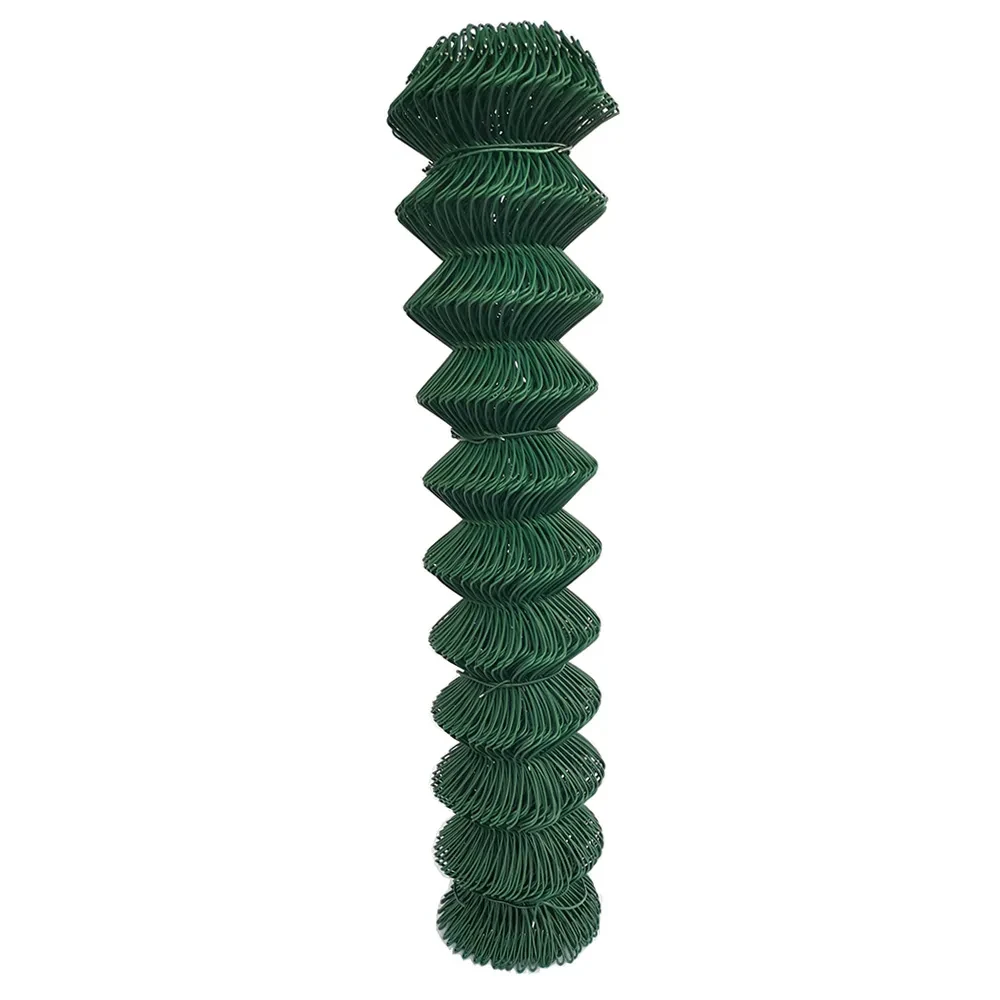
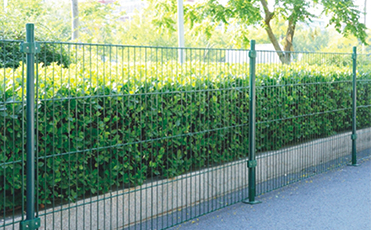
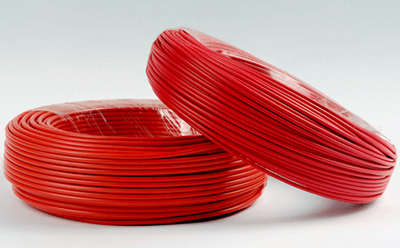
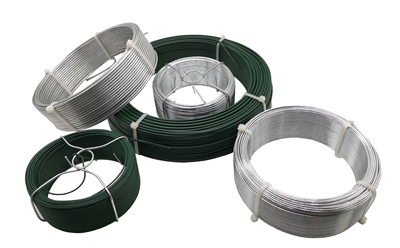
PVC-coated mesh features a layer of polyvinyl chloride applied over the welded wires. This coating not only provides additional protection against corrosion but also gives the mesh a more attractive finish. It’s commonly used in landscaping, decorative fencing, and architectural applications where appearance is important.
Welded wire mesh offers several advantages that make it a popular choice in various sectors:
Understanding welded wire mesh is crucial for making informed decisions about its use in various applications. Its strength, durability, and adaptability make it a preferred material in construction, agriculture, security, and beyond. Whether it’s reinforcing concrete structures or creating secure enclosures, welded wire mesh provides reliable performance and longevity. As technology and engineering continue to evolve, the demand for high-quality welded wire mesh is expected to increase, solidifying its role as a fundamental component of modern infrastructure.



Copyright © 2026 Hebei Minmetals Co., Ltd. All Rights Reserved. Sitemap | Privacy Policy | Menu