































This Article takes an In-depth look at Wire Mesh
You will learn more about topics such as:
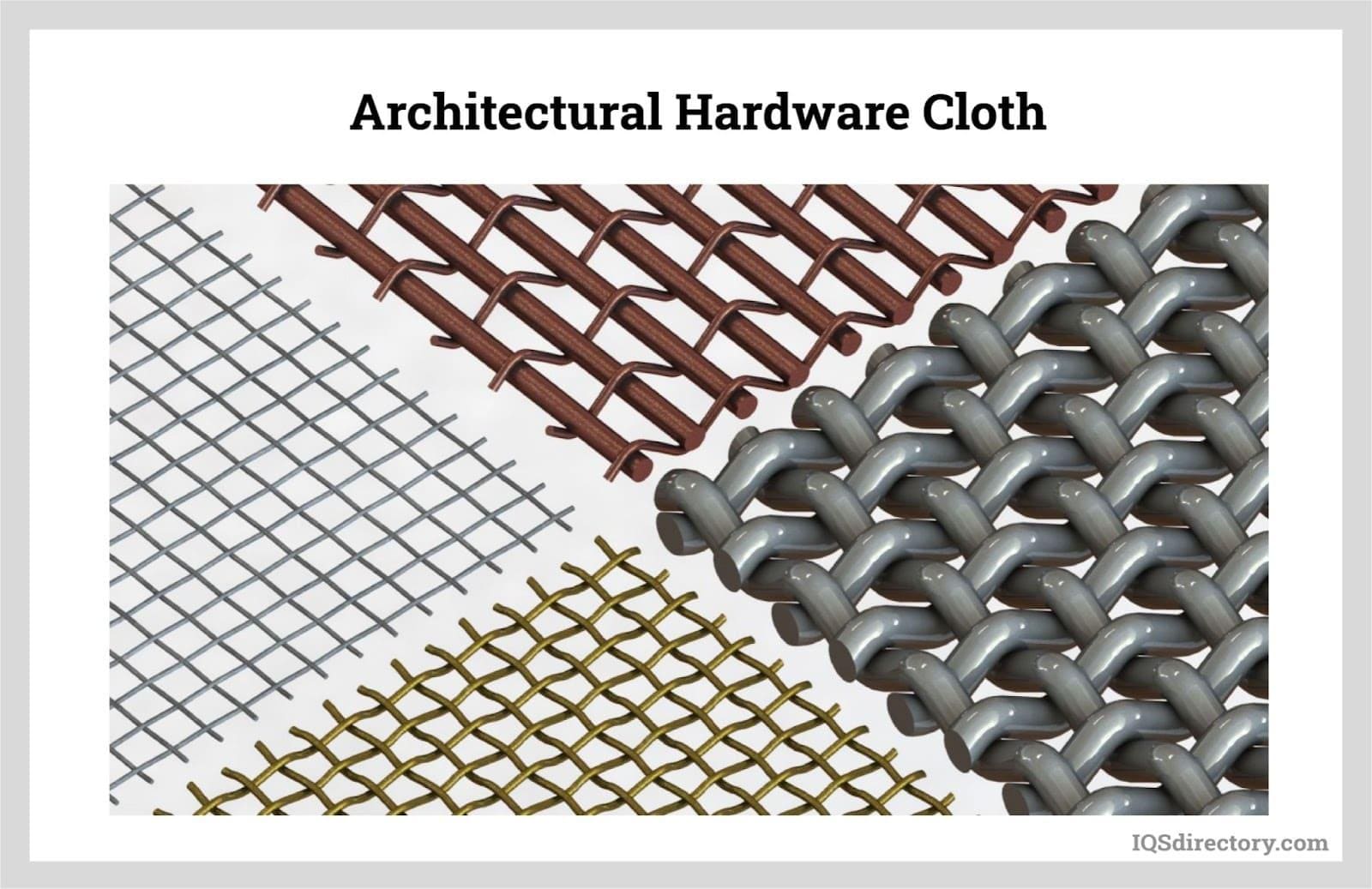
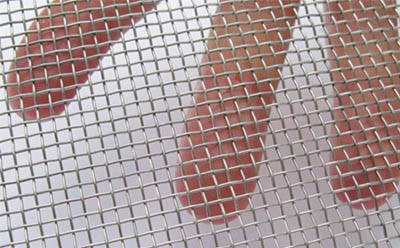
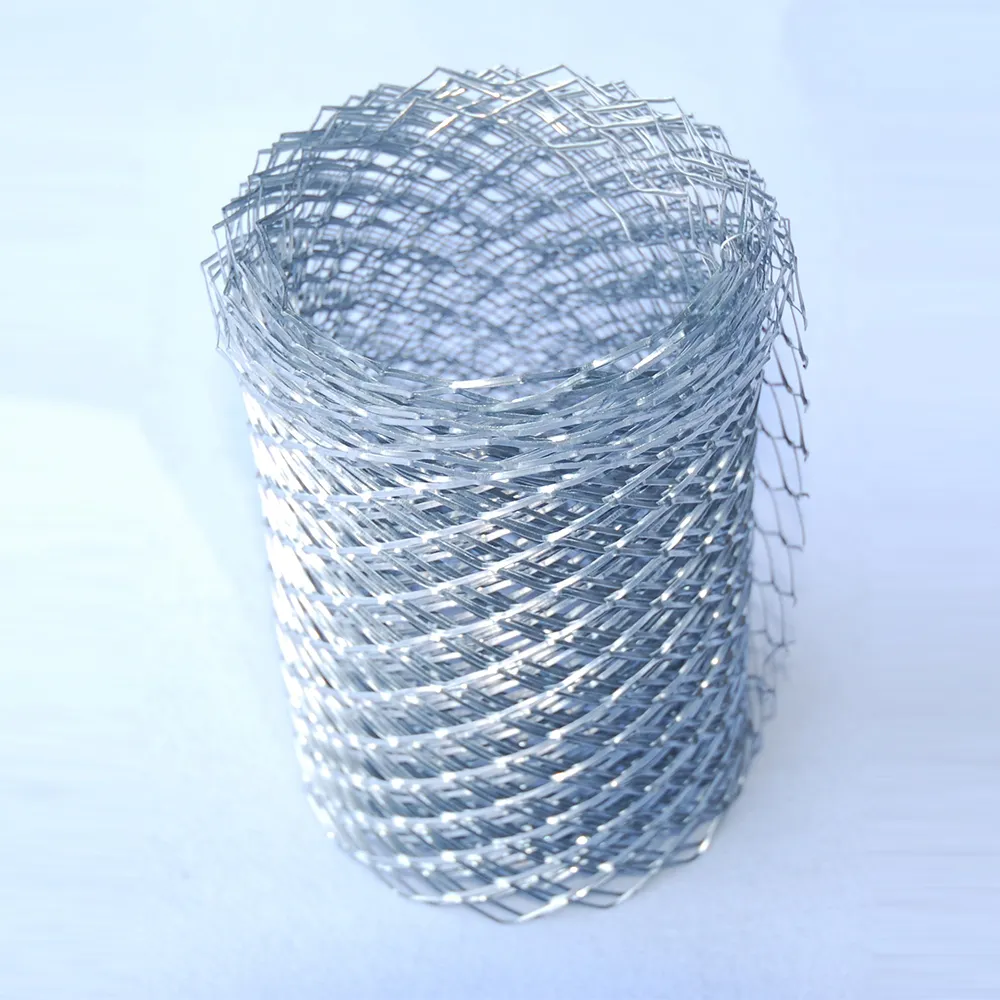
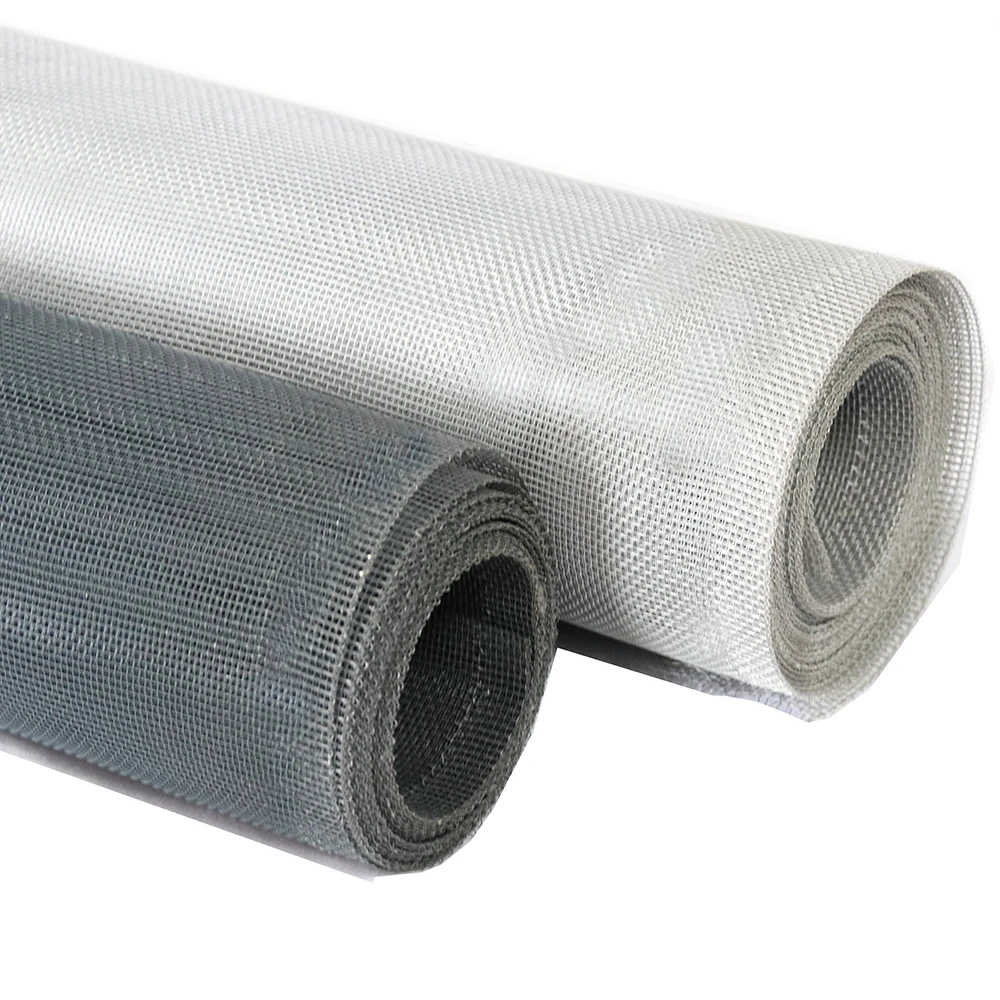
Wire mesh is produced by intertwining, weaving, or welding wires of different thicknesses to form evenly spaced parallel rows and intersecting columns. Commonly referred to as wire fabric, wire cloth, or hardware mesh, it is created by weaving wire on industrial looms, resulting in square or rectangular openings between the wires. Alternatively, welded wire mesh is made by using electric welders to join parallel longitudinal wires at their intersections.
There are a limitless number of shapes, sizes, and configurations of wire mesh made from an assortment of highly durable and resilient materials whose major function is to separate, screen, structure, and shield various applications and processes. The types of wire include galvanized steel, stainless steel, aluminum, steel, and copper alloy wire. The type of application, necessary tensile strength, durability, longevity, and required flexibility are some of the factors used to determine the desired type and style of wire.
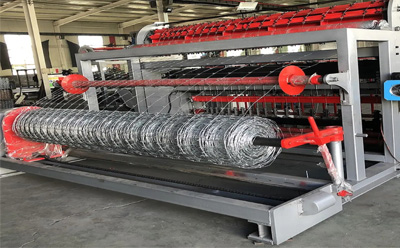
Wire mesh is manufactured through two main processes: weaving and welding. Wire weaving resembles the cloth weaving process on a loom, whereas welding involves joining wires at their intersections. Both methods are carried out using automated, pre-programmed machinery.

Near the end of the 17th century, woven wire cloth for the mining and pulp industries came into high demand, leading to the development of wire weaving looms. Over the centuries, the use for wire mesh has advanced beyond mines and pulp mills to architecture, plastic extrusion, aggregate screening, and filtration processing. The rise in demand has led to the modern industrial wire weaving industry.
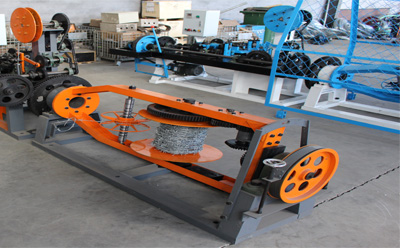
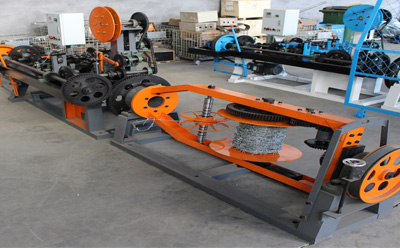
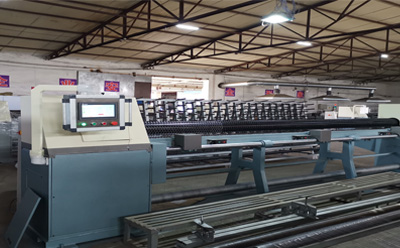
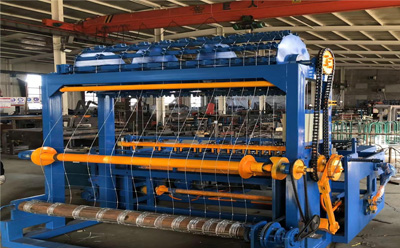
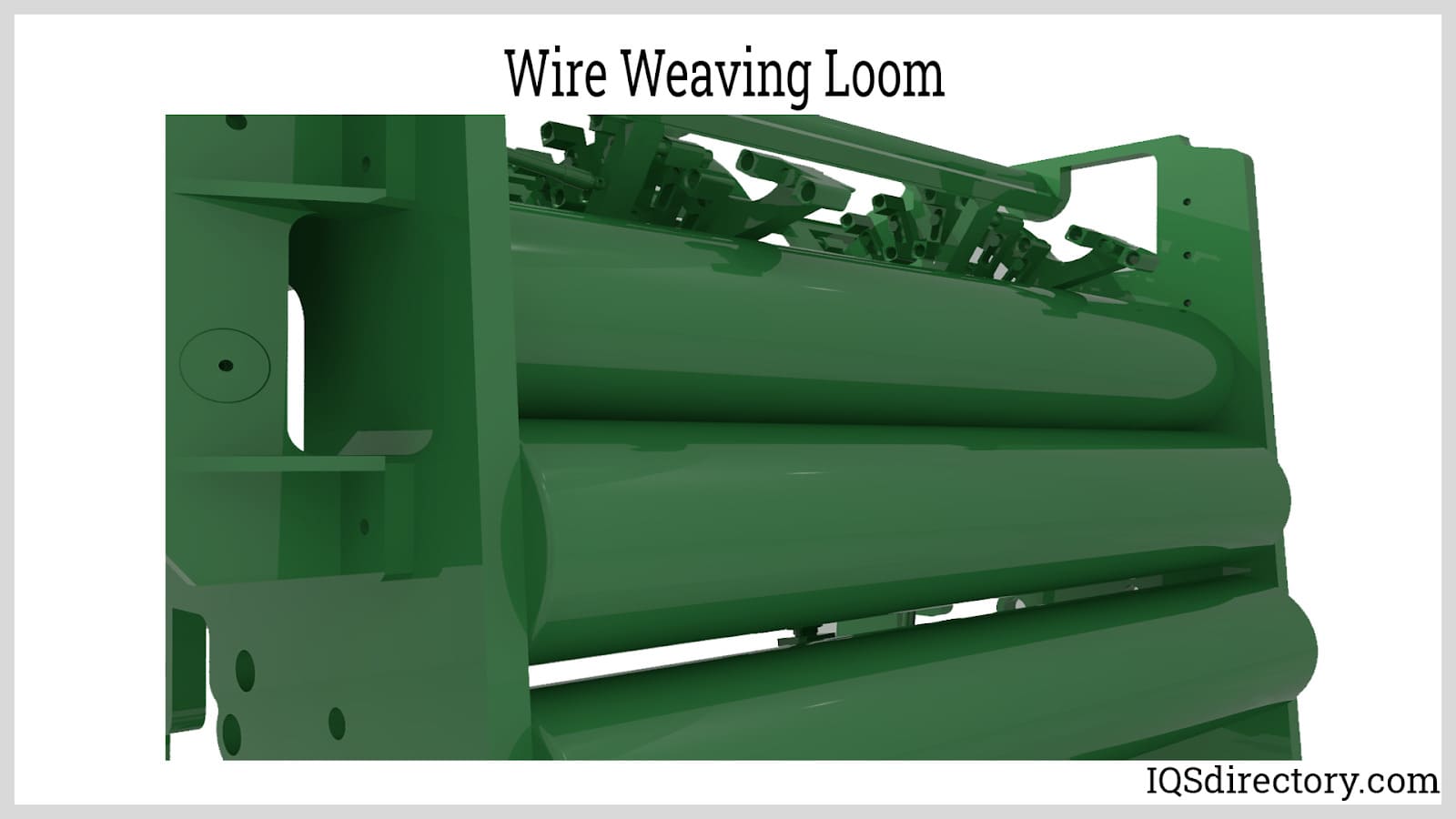
Weaving Loom — Weaving looms weave mesh rolls with widths of 48”, 60”, 72”, 98”, or wider. The loom has a warp beam, heddle frames, a reed, a rapier for transporting weft wire, and a take-up mechanism.
Manufacturers use looms to weave meshes of standard and custom patterns. The completed mesh rolls are cut to varying lengths depending on the needs of customer specifications. Wires woven horizontally or lengthwise are warp wires, while wires woven vertically or crosswise are referred to as weft wires or shute wires, terms commonly used in textile manufacturing.
After assembling the loom and loading the warp beam, the weaving process operates automatically. As the loom initiates, the warp beam unwinds gradually and evenly. Simultaneously, the take-up mechanism rolls up the finished fabric in sync with the warp beam’s unwinding. This coordinated movement ensures consistent tension on the warp wires, which is essential for producing high-quality fabric.
Wire mesh is welded through a semi-automatic process that joins the intersections of the woven wires. Welding machines are programmed to fuse the connections at the horizontal and vertical wire intersections. Various welding techniques are employed, including resistance welding, tungsten inert gas (TIG) welding, plasma welding, and soldering.
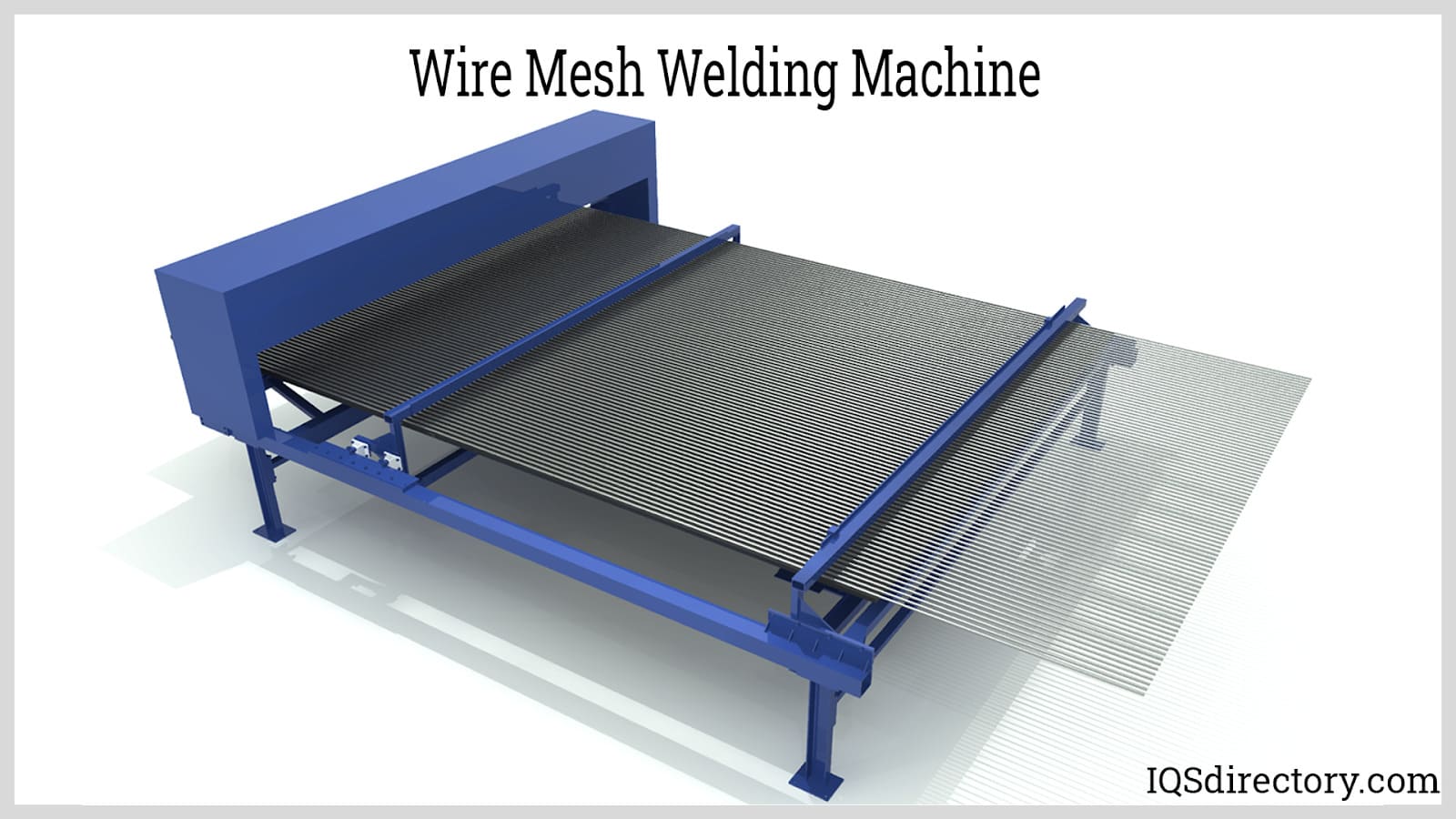
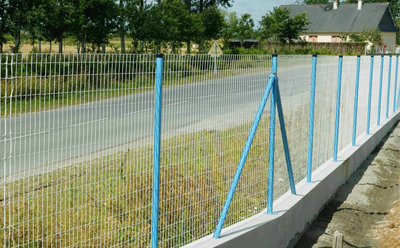
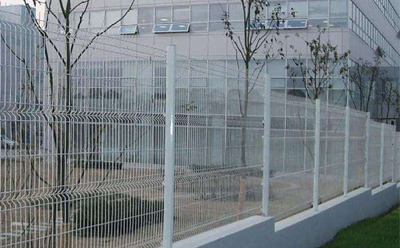
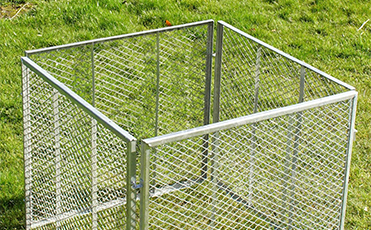
Welded mesh is more robust, durable, and stronger than woven wire mesh, and is typically made from thicker wires that can endure the welding process. The welding technique imparts increased rigidity and durability to the mesh, making it well-suited for applications such as fencing, cages, and concrete reinforcement sheets.
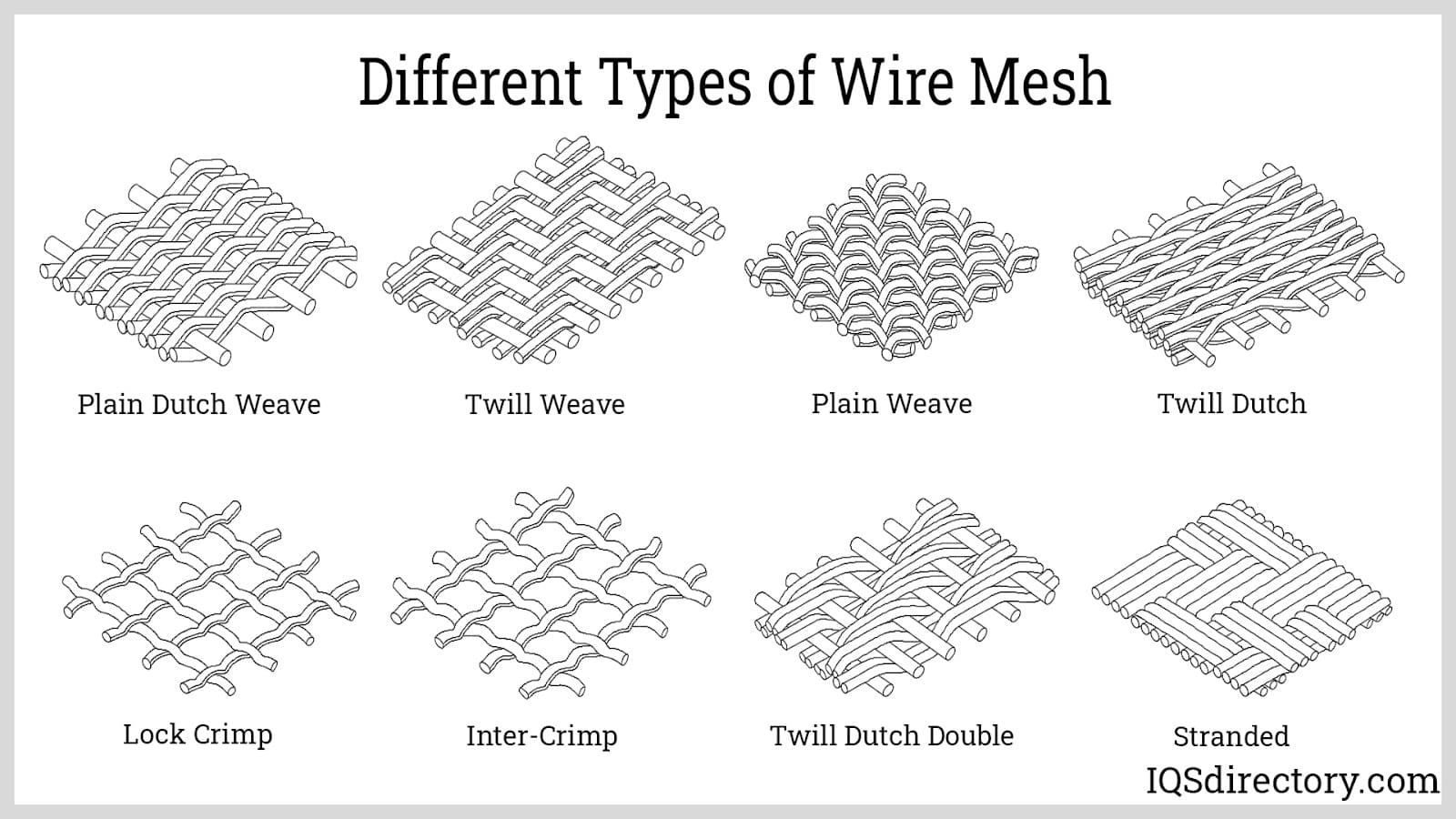
Wire mesh varieties are categorized based on their manufacturing methods, properties, functions, and weave patterns. Each type is tailored to meet specific requirements for strength, weight, and finish. Key factors in selecting the appropriate wire mesh include its finish, metal type, and pattern, with the finish and metal type being the primary considerations.
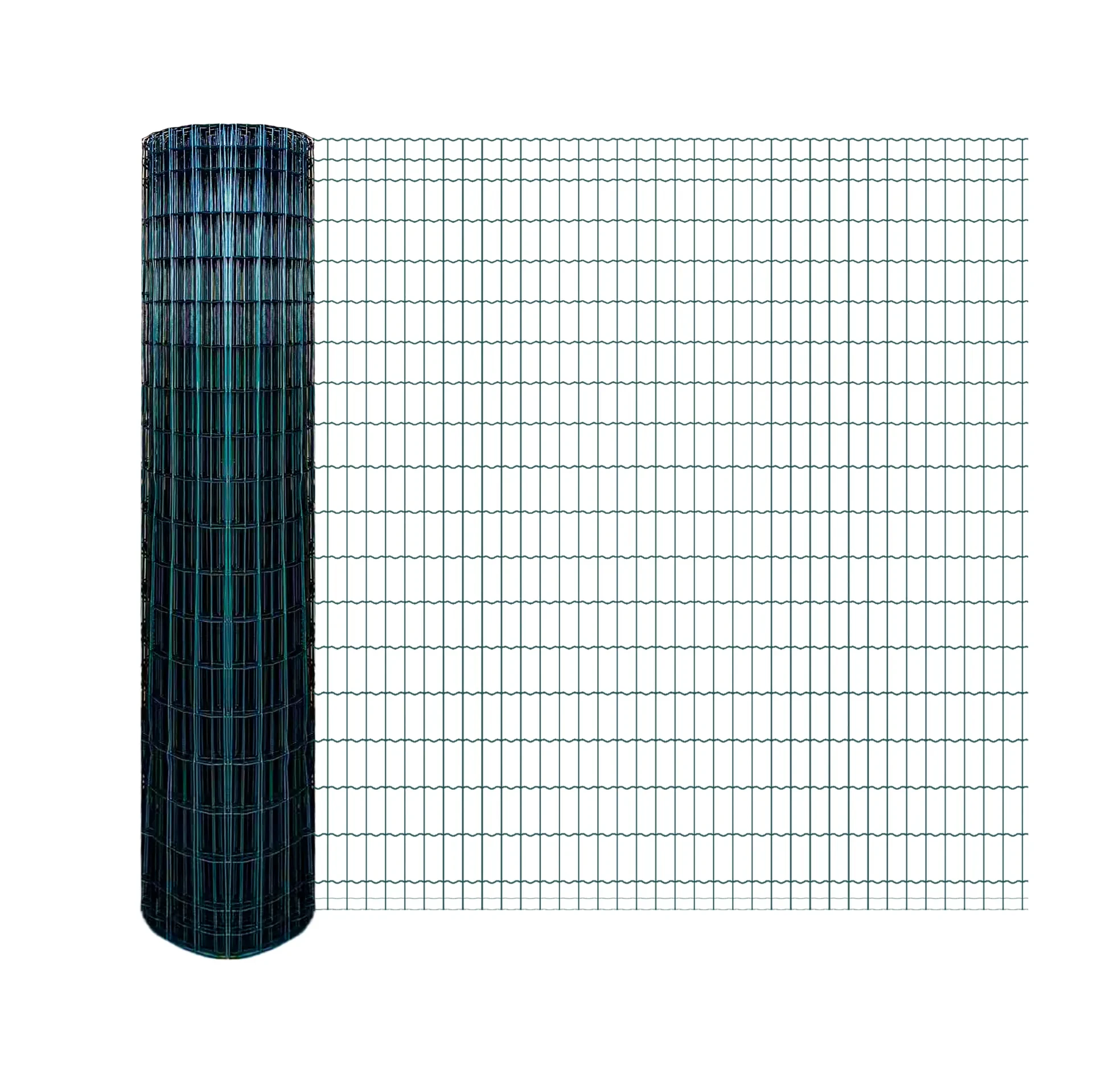
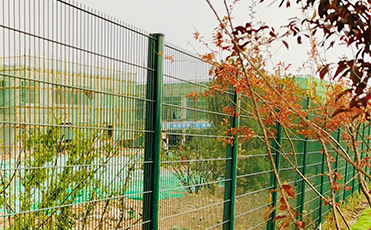
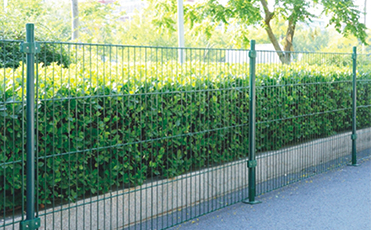
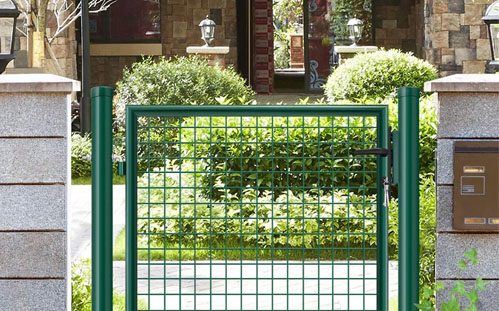
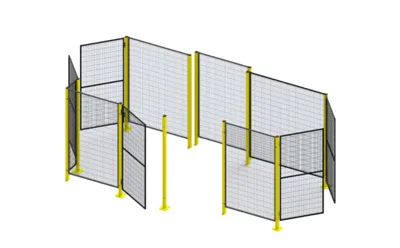
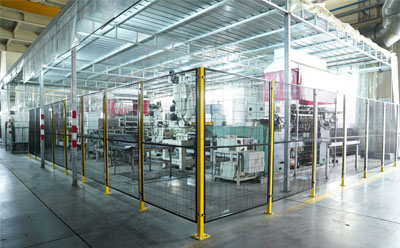
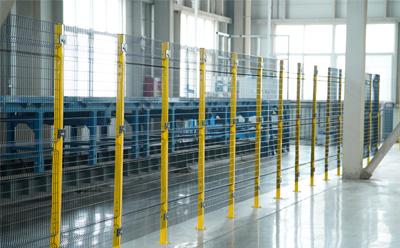
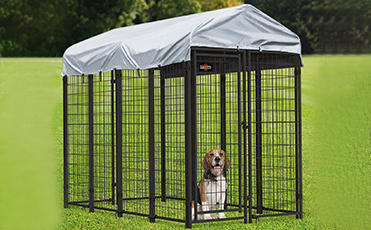
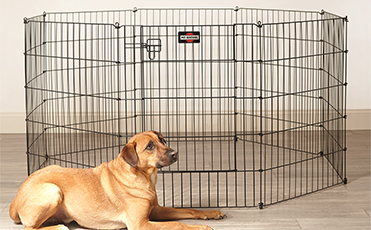
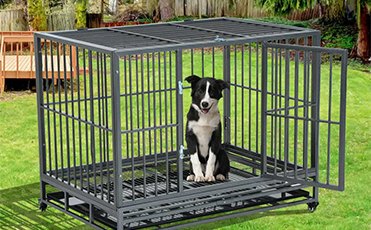
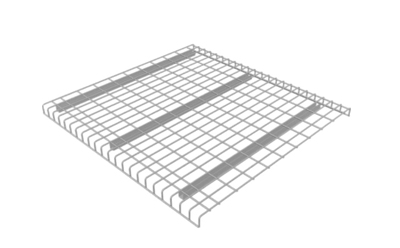
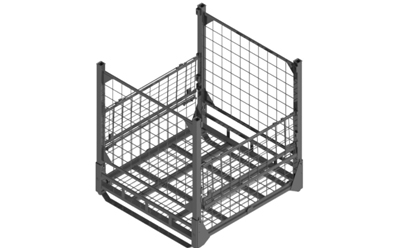
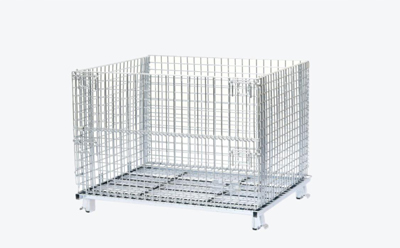
Welded wire mesh consists of square-shaped grid patterns formed by welding the wires together. This method produces a sturdy mesh suitable for various uses, including security fencing, warehouse shelving and storage, lockers, animal enclosures in veterinary clinics and shelters, room dividers, and pest traps.
Welded wire mesh is:
When welded wire mesh is made from stainless steel, it has stainless steel’s durability and corrosion resistance.



Copyright © 2026 Hebei Minmetals Co., Ltd. All Rights Reserved. Sitemap | Privacy Policy | Menu