


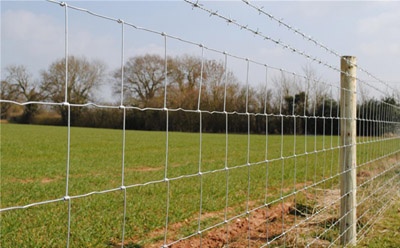
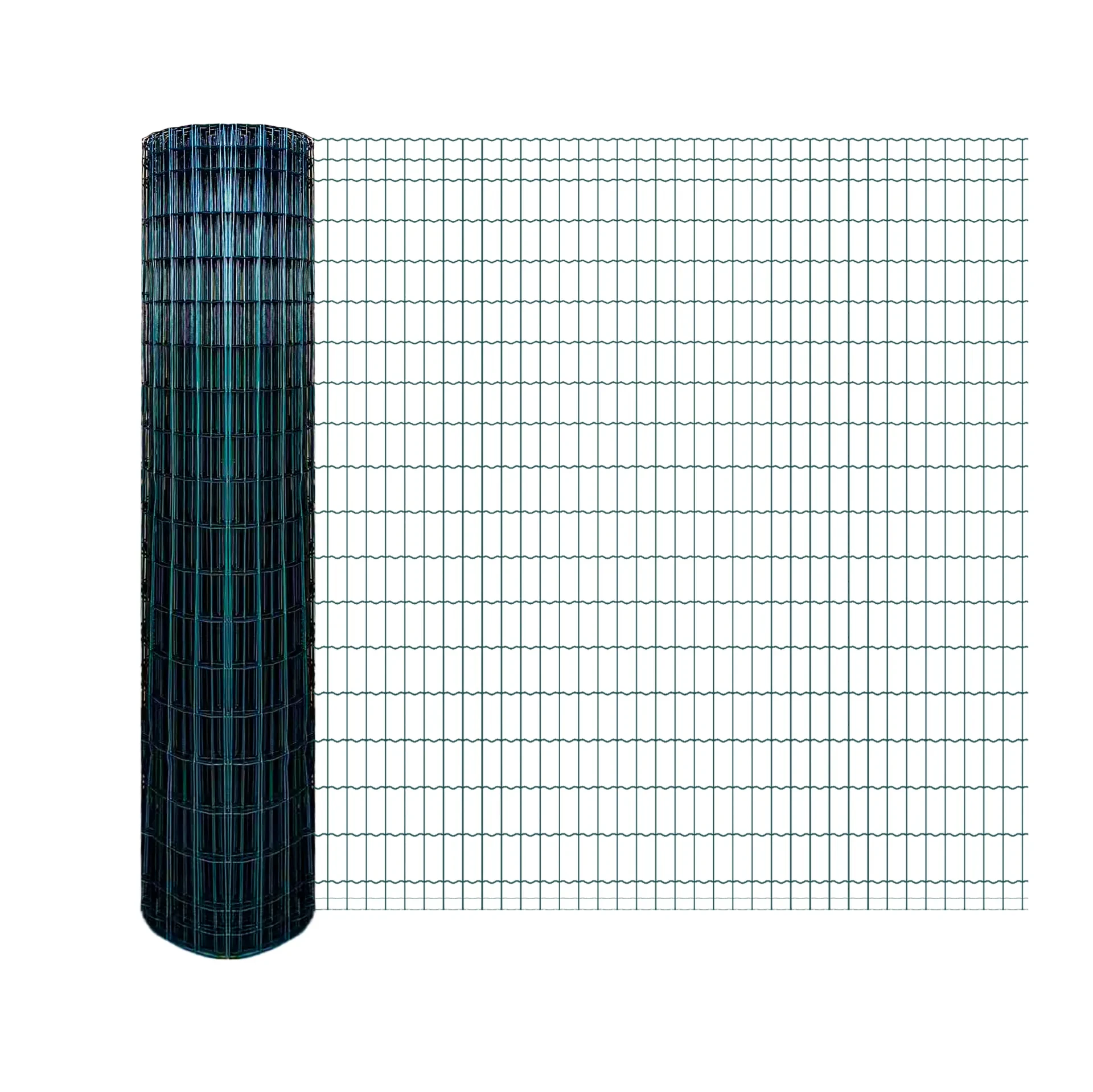
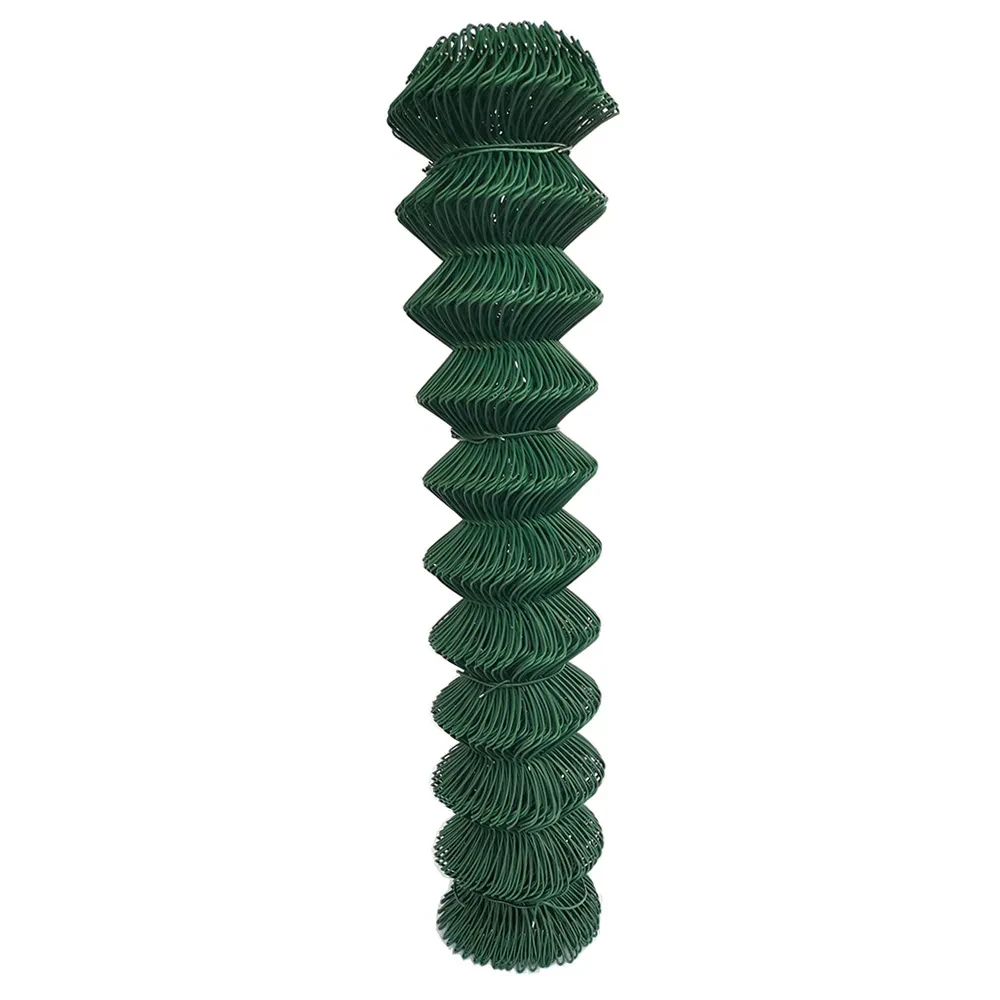
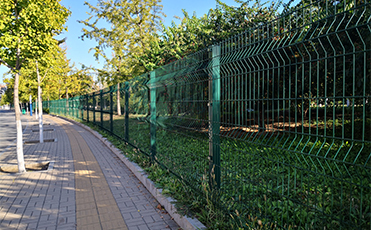
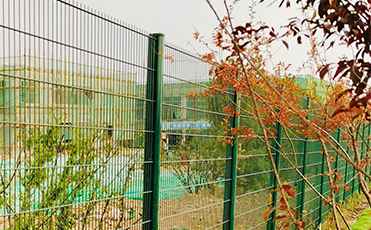
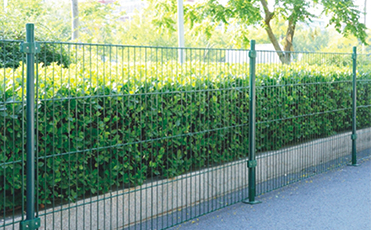
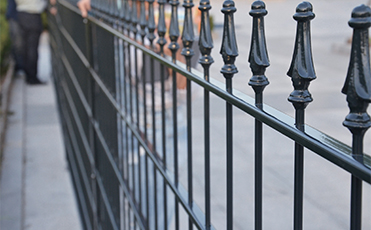
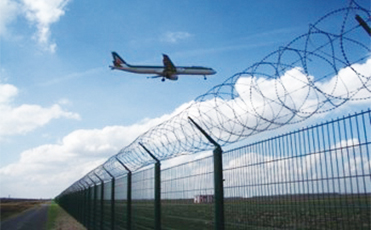
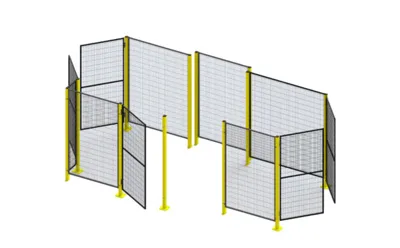
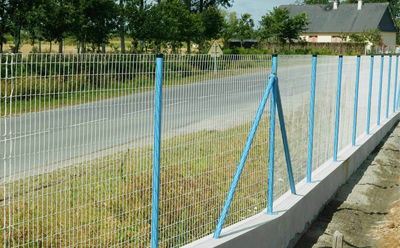
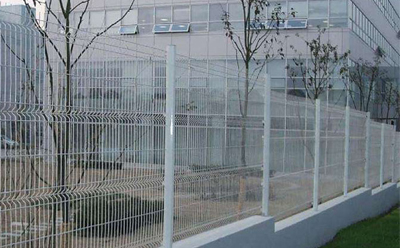
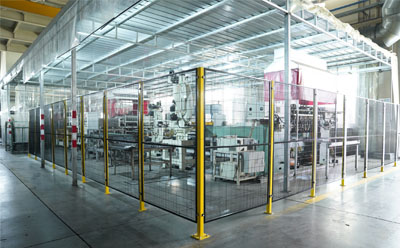
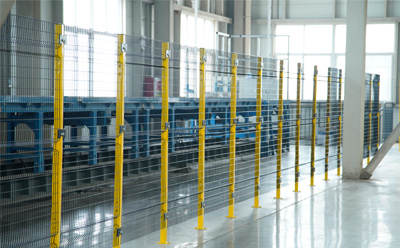
















When it comes to construction or fencing projects, the metal h post might not be the flashiest component, but it’s absolutely essential. Globally, these upright posts have become the unsung heroes for everything from agricultural fencing to security barriers. Not only do they promise durability, but their ease of deployment and cost-effectiveness make them a favorite worldwide—from farms in the US Midwest to remote industrial zones in Asia.
The importance of understanding metal h posts goes well beyond just construction nerds. They impact how governments maintain boundaries, how humanitarian agencies secure vulnerable sites quickly after disasters, and even how innovations in sustainable materials are shaping the future. If you’re involved in construction, agriculture, or disaster relief, getting to know these posts can save time, money, and headaches.
In a world where infrastructure resilience is on everyone’s lips, metal h posts are quietly participating in this narrative. According to recent ISO reports, the demand for quick-deploy, durable fencing solutions has grown by 15% in the last decade, especially in regions facing climate uncertainty and increasing urbanization (ISO Standards).
Think about post-disaster relief: The UN Office for the Coordination of Humanitarian Affairs (OCHA) often needs temporary barriers to secure camps and equipment fast. The metal h post suits this need perfectly—robust yet mobile. This duality also applies to agriculture, where fences must resist weather extremes while being economical.
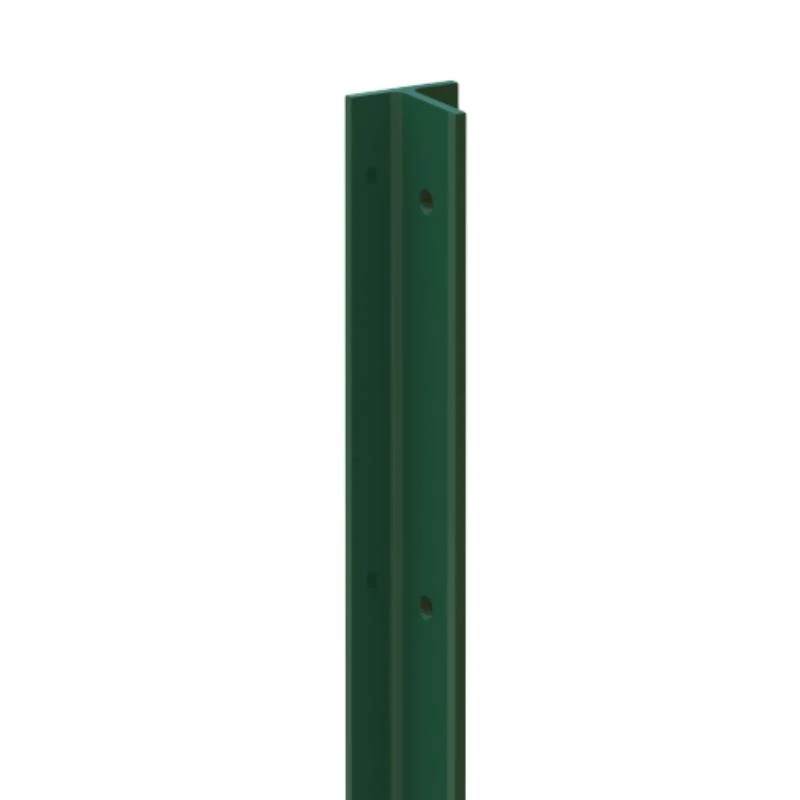
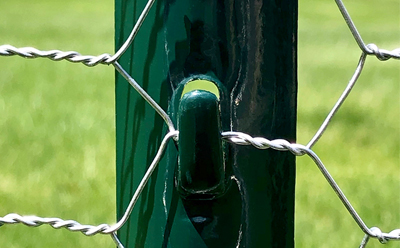
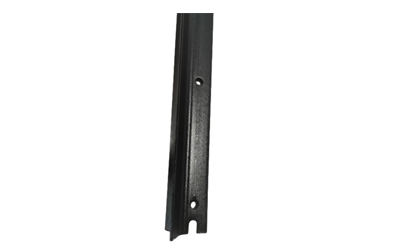
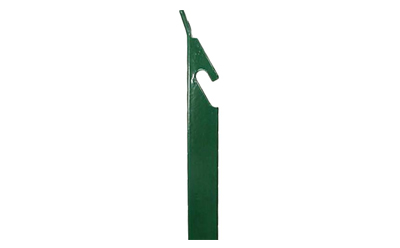
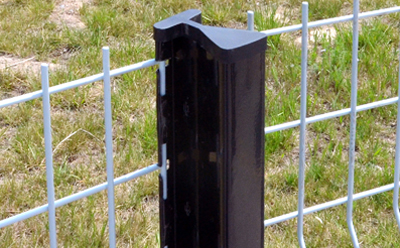
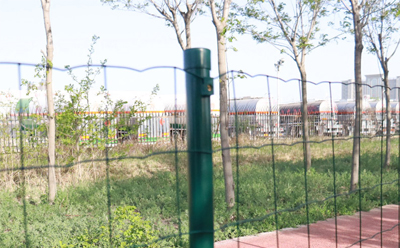
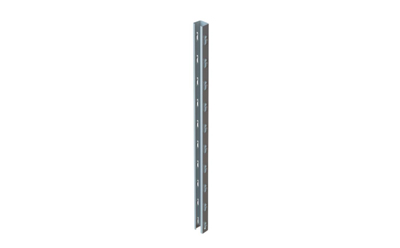
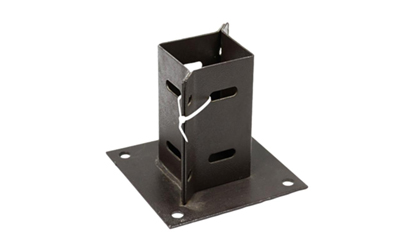
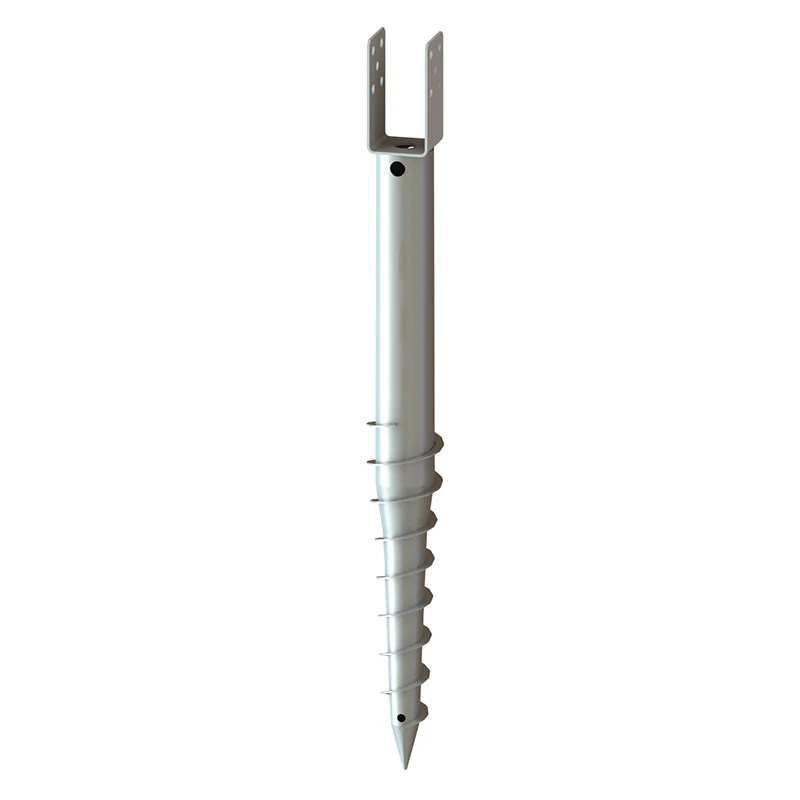
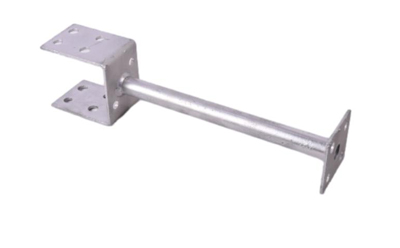
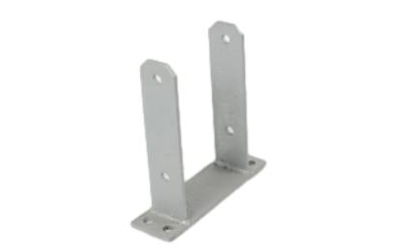
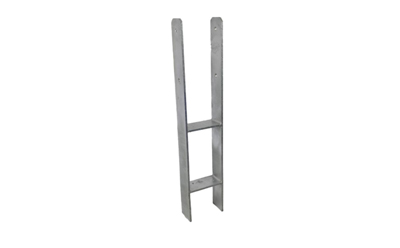
Simply put, a metal h post is a vertically installed steel or galvanized iron post shaped somewhat like a capital “H” when looking at the cross-section. This unique shape optimizes strength and ease of attachment for wire or mesh fencing. The posts are typically perforated with holes or slots, allowing fasteners to be clipped on at varied heights.
While that sounds straightforward, the impact is profound. These posts bridge the gap between traditional wooden poles—and their susceptibility to rot—and modern materials that offer longer life spans and higher load-bearing capacity. For industries and humanitarian efforts, that means reliable fencing that’s ready to face real-world demands.
These posts are usually galvanized, meaning a protective zinc coating fends off rust for years. In coastal or highly humid environments, this makes a world of difference compared to untreated steel or wood. Many suppliers adhere to ASTM A123/A123M standards for galvanizing, ensuring longevity.
Metal h posts come in various heights (typically 5 to 8 feet) and weights. This versatility lets users pick posts fit for light garden fences, heavy livestock boundaries, or even industrial barriers. A typical 7-foot post might weigh around 2.5 kg per foot, balancing strength with ease of handling.
Given their extended service life combined with low maintenance needs, these posts prove much more cost-effective over five to ten years than wooden or plastic alternatives. The initial investment pays off, particularly in large-scale deployments.
One of the clever design features is the series of holes punched along the upright, allowing quick attachment of wires or panels at customized heights. Plus, their "H" design provides good resistance against bending or twisting, minimizing alignment issues during installation.
Steel is highly recyclable, and many metal h posts contain a significant portion of recycled content. This circular economy aspect combats the waste issues that come with other fencing materials, aligning with growing sustainability goals.
| Specification | Details |
|---|---|
| Material | Galvanized steel (ASTM A123 compliant) |
| Shape | H-shaped cross-section |
| Length Options | 5 ft, 6 ft, 7 ft, 8 ft |
| Hole Pattern | Standard spaced perforations for wire attachments |
| Coating Thickness | Minimum 45 microns zinc layer |
| Weight | Approx. 2.2 to 3.5 kg per foot |
In many ways, the metal h post is a global workhorse — showing up in varied climates from the dry Australian outback to storm-prone zones along the Gulf of Mexico.
| Vendor | Material Quality | Pricing | Customization | Global Shipping |
|---|---|---|---|---|
| Hebeimetals | High — Zinc coating per ASTM standards | Competitive for bulk orders | Various lengths, hole spacing available | Available worldwide |
| Global Steel Posts Inc. | Medium — standard industrial grade | Mid-range pricing | Limited customization | North American focus |
| Asian Post Masters | Varies — less consistent quality control | Low-cost options | Basic designs only | Strong regional shipping |
Looking at these posts practically, they offer durability and a surprisingly long service life — often 20+ years with minimal upkeep. The zinc galvanization process not only prolongs life but also reduces maintenance costs and resource use. That’s a win-win if you’re managing tight budgets or large parcels of land.
There’s also an emotional side here — reliable fencing gives peace of mind. Safety for families, protection for crops, and security for infrastructure all boil down to trust in these small metal pieces. Plus, the sustainable nature of steel recycling means investing in metal h posts aligns with growing environmental awareness.
Innovation won’t stop here. We’re already seeing experimental coatings that boost rust resistance beyond galvanization, with nanomaterials playing a role. Digital manufacturing methods allow precision hole spacing and custom lengths on demand — streamlining installation times.
Looking ahead, the integration of smart sensors into metal posts might sound odd but is on the horizon. Imagine posts that can notify managers of breaches or damage instantly, blending physical security with digital monitoring.
Despite the clear benefits, challenges persist. Transportation costs can spike, particularly in remote regions. Plus, improper installation can still lead to bending or corrosion if posts aren’t seated properly or coated correctly. That’s why sourcing from reputable vendors and using professional installation teams matters a lot.
Also, while steel recycling is great, the energy required for production remains significant. Fortunately, suppliers are investing in greener smelting technologies and higher recycled content standards to address this.
All told, the metal h post is more than just a simple fence post. It’s a reliable, adaptable, and sustainably minded solution that supports countless industries and communities worldwide. Whether securing farmland, industrial zones, or temporary relief sites, these posts form the backbone of durable fencing.
If you want to learn more or source your own metal h posts, I recommend visiting the experts at hebeimetals — they combine quality with deep experience in the field.
Keep in mind: choosing the right post, installation method, and vendor is key. Your fence isn’t just a boundary, it’s peace of mind, safety, and long-term value all anchored in one small steel shape.
Takeaway: Metal h posts might seem humble but, frankly, they’re a quiet cornerstone of global fencing needs — strong, cost-effective, and surprisingly innovative.



Copyright © 2026 Hebei Minmetals Co., Ltd. All Rights Reserved. Sitemap | Privacy Policy | Menu