














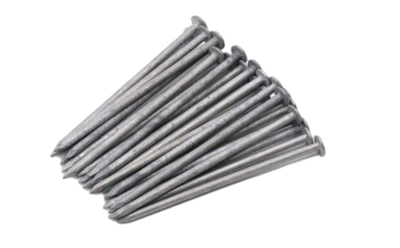
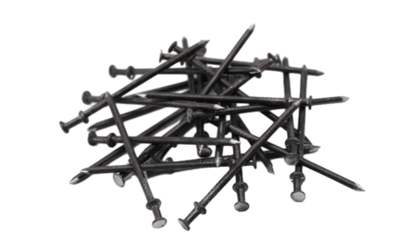
















Duplex nails are specialized fasteners designed for construction projects that require reliable connections and convenient disassembly. Unlike conventional nails with a single head, duplex nails feature two heads on the same shank, making them particularly useful for temporary structures, concrete formwork, scaffolding, and other applications where materials may need to be removed or reused. Their practical design helps construction workers save time while maintaining stability during building operations.
Among the different types of construction fasteners, the double headed concrete nail is valued for its convenient removal and practical performance in temporary construction. The two-head structure allows the nail to be driven into wood while leaving the upper head exposed, providing a point where a hammer or nail-pulling tool can grip it during removal.
For contractors, construction companies, hardware distributors, and wholesale buyers, understanding duplex nail specifications is essential for choosing the right products. Factors such as nail length, shank diameter, material, surface treatment, and intended application all influence fastening performance. By selecting suitable duplex nails, users can improve work efficiency, simplify dismantling, and reduce unnecessary material waste.

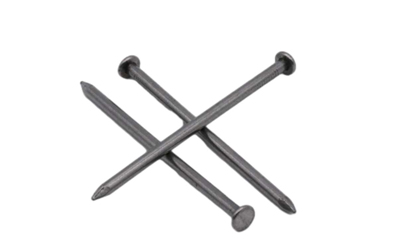
Duplex nails, also known as double-headed nails, are commonly used for temporary fastening. Their distinctive design incorporates two heads separated by a short distance near the upper end of the shank. When the nail is driven into a wooden component, the lower head helps establish the fastening position, while the upper head remains accessible for removal.
The term duplex head nail describes this characteristic two-head design. It is especially useful when temporary wooden structures must remain securely assembled during construction but need to be dismantled afterward. Instead of cutting the nail or damaging the surrounding material during removal, workers can use the exposed head to pull the fastener out.
Duplex concrete nails are often associated with concrete construction because they are widely used in wooden formwork for concrete pouring. It is important to distinguish between nails used in concrete construction and nails designed to penetrate concrete directly. Standard duplex nails are generally intended for fastening wood components, such as formwork panels, temporary supports, and timber frames. They are not automatically suitable for direct installation into solid concrete.
The phrase duplex nails for concrete commonly refers to duplex nails used in concrete-related construction activities, particularly when assembling temporary wooden molds. These molds hold freshly poured concrete in the required shape until it has gained sufficient strength. Once the concrete work is completed and the formwork can be removed, the double-headed nails make dismantling easier.
Another defining feature is the exposed upper head. Conventional nails are usually driven until their heads sit close against the material surface, creating a firm connection. Duplex nails, by comparison, are installed so that the upper head remains accessible. This makes them particularly suitable for applications where removability is more important than achieving a permanently concealed fastening.
Different construction projects may require different nail dimensions and material specifications. Carbon steel is commonly used for construction nails because it provides practical strength and durability. Depending on the manufacturer and intended environment, surface treatments may also be available to help improve corrosion resistance.
When purchasing duplex nails, buyers should confirm the product's material, dimensions, manufacturing quality, and compatibility with the materials being fastened. Choosing the correct specification helps ensure reliable performance during temporary construction and reduces the risk of bending, loosening, or unnecessary damage during removal.
Choosing the appropriate nail dimensions is an important part of successful fastening. The required size depends on the thickness of the materials, the expected holding requirements, and whether the structure will be dismantled after use.
Understanding duplex nail sizes helps contractors select fasteners that provide sufficient penetration without creating unnecessary difficulties during installation or removal. Nail length and shank diameter are two important specifications. The nail must be long enough to hold the wooden components together securely, while its diameter should be suitable for the material and the loads expected during use.
Manufacturers may offer duplex nails in different lengths and diameters to accommodate various construction requirements. Exact dimensions and availability vary by supplier, so buyers should consult the product specifications rather than assume that all duplex nails follow the same sizing system.
For smaller wooden components and light-duty temporary structures, petits clous à double tête may provide a practical fastening solution. Their compact dimensions can be useful when working with thinner timber or smaller formwork components. However, users should ensure that the nail has sufficient strength and penetration for the intended application.
Similarly, small duplex nails can be considered for projects that require smaller removable fasteners. When choosing these products, it is important to evaluate the thickness and type of wood, the spacing between fasteners, and the forces that the assembled structure may experience. Using nails that are too short or too thin can compromise stability.
Material quality is another important consideration. Construction fasteners must withstand the forces generated during assembly, concrete pouring operations, and subsequent dismantling. Nails with consistent shank dimensions and properly formed heads can provide more predictable performance. Buyers should also inspect product uniformity and ensure that the nails are suitable for the intended working conditions.
Surface finish may influence the choice of fastener. Bright steel nails may be appropriate for certain indoor or short-term applications, while other environments may require products with suitable protective coatings. The correct choice depends on moisture exposure, storage conditions, expected service duration, and project requirements.
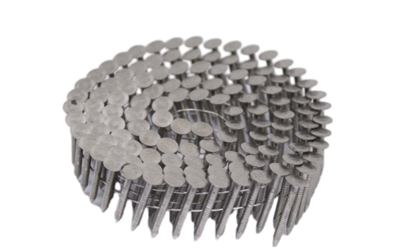
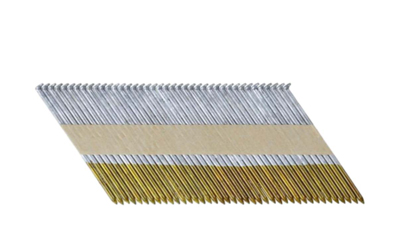
Some buyers also search for duplex nails for nail gun applications. However, standard duplex nails are not necessarily compatible with nail guns. Compatibility depends on the tool design, nail collation method, nail dimensions, and the specific fasteners approved by the equipment manufacturer. Users should verify these requirements before purchasing nails for powered installation.
For projects requiring rapid fastening, choosing a compatible fastening system can improve productivity. Nevertheless, conventional duplex nails are commonly installed with a hammer or other appropriate manual tools. Using an incompatible nail in a nail gun may cause feeding problems, equipment damage, or safety hazards.
When comparing products, construction companies and distributors should request detailed technical information, including overall length, shank diameter, head dimensions, material grade, and packaging quantity. Reliable specifications make it easier to compare products and identify suitable fasteners for different applications.
Understanding utilisation des ongles duplex helps buyers determine whether these fasteners are appropriate for a particular project. Their primary advantage is the ability to provide a temporary connection that can later be removed more conveniently than a conventional nail.
One of the most common applications is concrete formwork. Before concrete is poured, contractors assemble wooden panels to create a mold that determines the shape and dimensions of the finished concrete structure. These panels must remain stable throughout the pouring and curing process. Duplex nails can help fasten wooden formwork components while allowing workers to remove them after the concrete has sufficiently hardened.
This explains why duplex nails used for temporary formwork are frequently selected for construction sites. Once the formwork is no longer required, workers can grip the exposed nail heads and remove the fasteners using suitable tools. Depending on the condition of the nails and the surrounding timber, some components may be recovered for reuse.
Temporary wooden frameworks are another important application. Construction projects often require temporary supports, braces, positioning frames, and other timber assemblies. These structures need to remain secure during a particular stage of work but may need to be dismantled as the project progresses. Duplex nails make these connections easier to separate when removal becomes necessary.
Le duplex head nail design can also be useful in temporary platforms, construction templates, and certain reusable wooden fixtures. In these applications, the ability to remove fasteners without excessive effort can improve workflow and help preserve materials.
However, duplex nails are not intended for every fastening situation. Permanent structural connections, applications exposed to substantial pulling forces, and projects subject to specific building codes may require different fasteners or engineered connection systems. Contractors should follow project specifications and applicable safety requirements when choosing construction hardware.
It is also important to understand the difference between temporary fastening and direct concrete penetration. Although duplex nails are used in concrete-related projects, standard double-headed nails are generally driven into wood rather than directly into hardened concrete. When fastening materials directly to concrete or masonry, purpose-designed concrete nails, masonry fasteners, anchors, or other approved fastening systems may be necessary.
For distributors and wholesale purchasers, product consistency and supply reliability are essential. Construction companies often need multiple nail sizes for different stages of a project, making accurate labeling and clear packaging information particularly valuable. Suppliers should provide product specifications that help buyers identify the correct type and dimensions for each application.
Proper storage can also help maintain product quality. Nails should be kept in suitable conditions to minimize moisture exposure and reduce the risk of corrosion. During use, workers should wear appropriate protective equipment and select tools suitable for the fastener and working environment.
In conclusion, the double headed concrete nail is a practical fastening option for temporary wooden structures used in concrete construction and other applications requiring convenient dismantling. By understanding duplex concrete nails, comparing available duplex nail sizes, and evaluating the intended utilisation des ongles duplex, buyers can select appropriate products for their projects. Whether purchasing standard duplex nails, small duplex nails, or other specialized construction fasteners, careful attention to dimensions, material quality, tool compatibility, and application requirements helps support efficient and reliable construction work.



Copyright © 2026 Hebei Minmetals Co., Ltd. All Rights Reserved. Sitemap | politique de confidentialité | Menu