



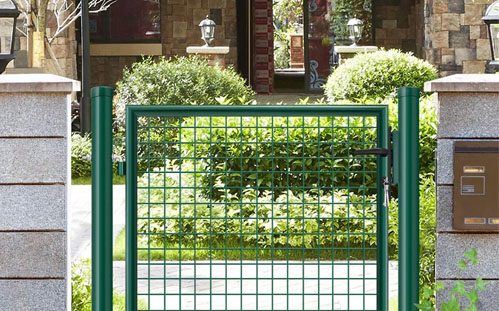
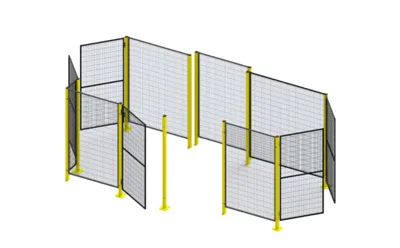
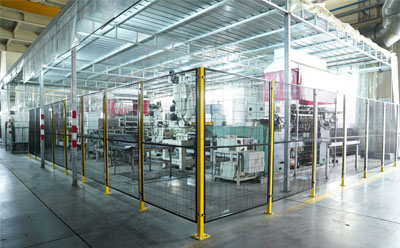
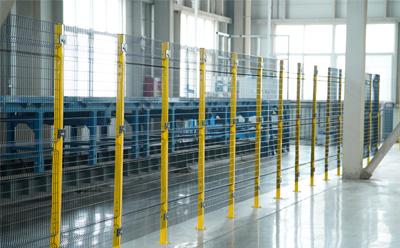











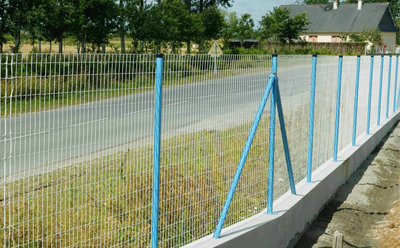
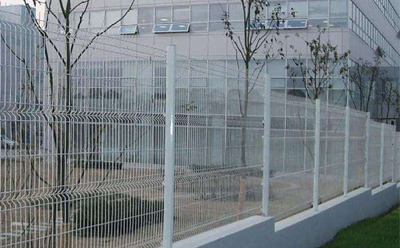
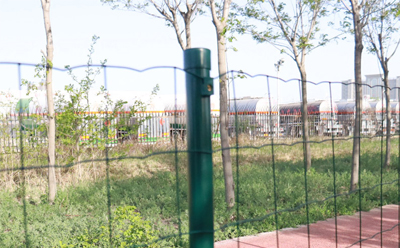
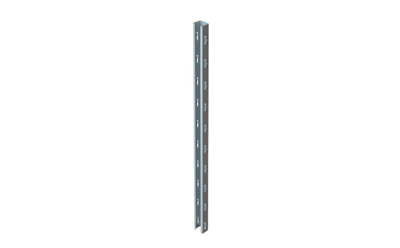
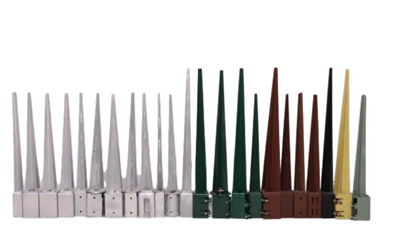
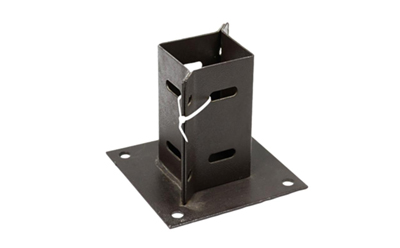
A strong fence starts with a reliable support structure. While wire mesh, welded wire, barbed wire, and other fencing materials provide the physical barrier, fence posts determine much of the overall stability and durability of the system. Among the many options available, Y-shaped steel posts have become a practical choice for agricultural fencing, livestock enclosures, boundary protection, gardens, and various outdoor applications.
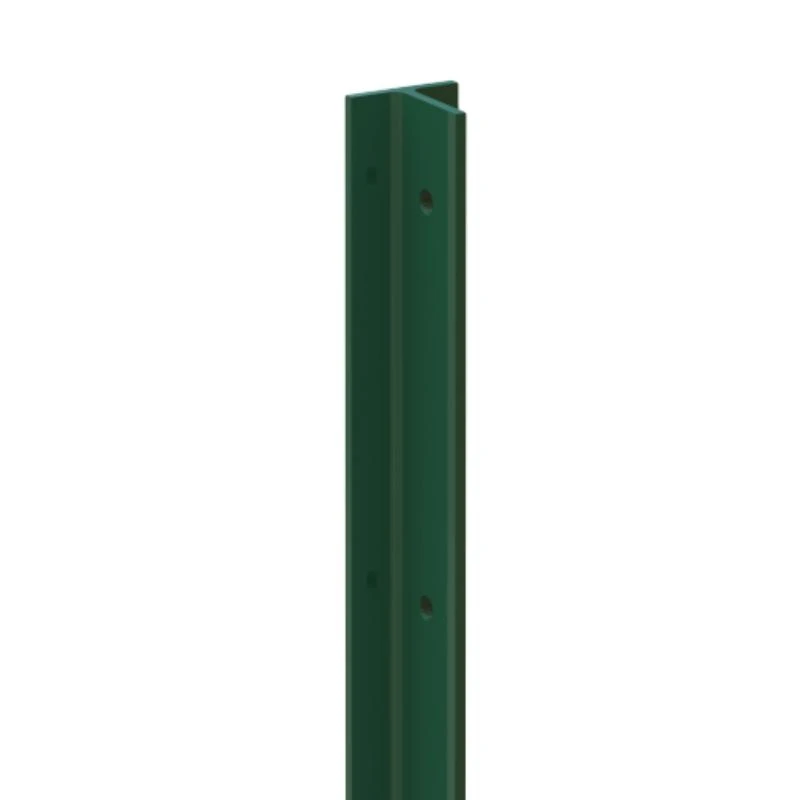
A poteau de clôture is designed with a distinctive Y-shaped cross-section that provides structural strength while offering convenient attachment points for different types of fencing wire. Its design allows the post to support fencing materials efficiently while remaining relatively simple to install. Depending on the application, users can select different lengths, thicknesses, coatings, and configurations.
A properly selected je poste une clôture system can provide a stable and long-lasting barrier. The performance of the entire fence depends on several factors, including post material, profile design, installation depth, soil conditions, wire tension, and surface protection. Therefore, selecting the correct post is just as important as choosing the fencing mesh or wire.
For agricultural and outdoor projects, y post fencing is especially useful because steel posts can provide dependable support in demanding environments. With proper installation and corrosion protection, steel fence posts can remain functional for many years while requiring relatively little maintenance.

The structure of a fence post directly affects its ability to withstand external forces. Wind, wire tension, animal pressure, accidental impact, and changing ground conditions can all place stress on a fencing system. A strong post must therefore provide sufficient rigidity and stability.
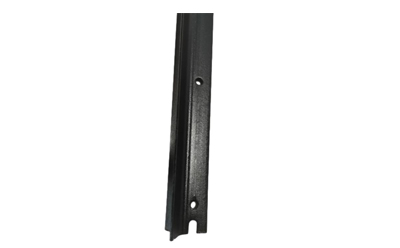
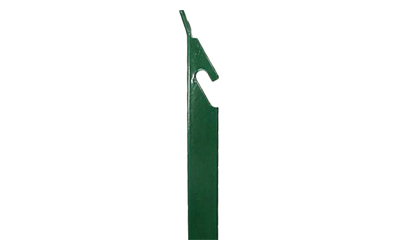
The distinctive profile of a poteau en acier de section y provides several structural advantages. Instead of using a simple flat or round profile, the Y-shaped design creates multiple supporting surfaces. This configuration can increase the post's resistance to bending and help it remain stable after installation.
Steel is another major factor contributing to the strength of these posts. Y steel fence posts are generally manufactured from steel grades selected for structural applications. Steel provides a strong combination of tensile strength, rigidity, and durability, making it suitable for fences that need to withstand outdoor conditions.
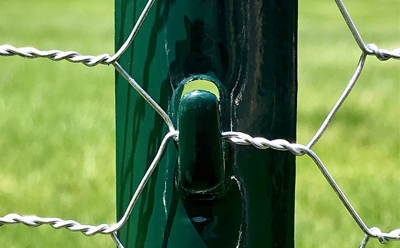
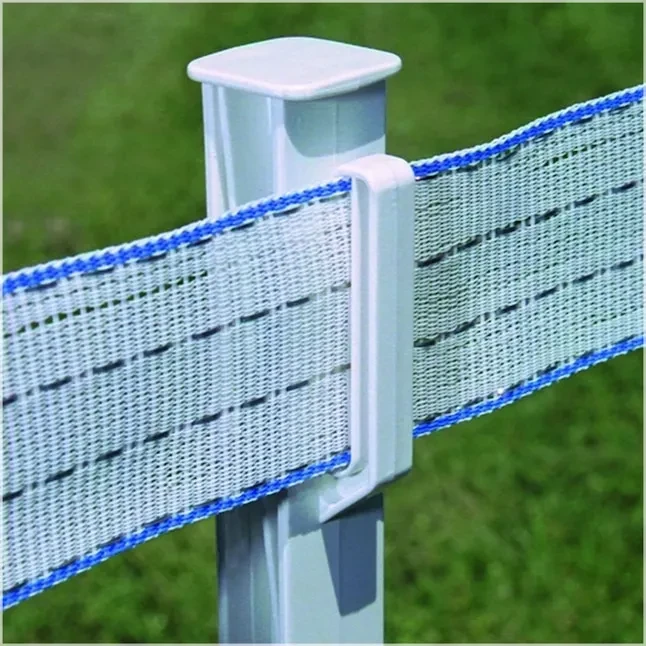
The profile also provides practical points for attaching fencing wire. Depending on the specific design, wire can be secured at different positions along the post. This allows installers to create multiple horizontal lines of wire and maintain consistent spacing.
A poste standard y can be used as a general-purpose support in many fencing projects. However, the exact dimensions should be selected according to the intended application. A taller or heavier post may be required for livestock fencing or high-security applications, while a lighter design may be sufficient for garden or boundary fencing.
Post thickness is another consideration. Thicker steel can provide greater structural strength, while lighter posts may be easier to transport and install. The correct balance depends on fence height, wire type, expected loads, and local environmental conditions.
The post's surface treatment also plays an important role in long-term performance. Steel exposed to rain, moisture, soil, and temperature changes can eventually corrode if it does not have adequate protection. Galvanized coatings and other protective treatments can help reduce corrosion and extend service life.
For agricultural fencing, this is particularly important because posts are often installed directly into soil. The section below ground may be exposed to moisture for long periods. Proper coating and installation can therefore help improve resistance to corrosion.
The combination of a strong Y-shaped profile and steel construction makes these posts suitable for applications where a stable support structure is required. When properly selected and installed, they can help create a durable fence capable of handling everyday environmental stresses.
One of the major advantages of y post fencing is its practical installation process. Compared with some heavier fencing systems, Y-shaped steel posts can be relatively easy to transport and install. Their profile provides good stability while allowing wire or mesh to be attached efficiently.
Before installation, the fence layout should be planned carefully. The installer needs to determine the fence line, post spacing, required height, gate positions, corners, and locations where additional reinforcement may be necessary.
A poteau de clôture is normally driven or installed vertically into the ground. The depth depends on the post length, soil conditions, fence height, and expected loads. Deeper installation generally provides greater stability, particularly for fences exposed to strong wind or pressure.
The spacing between posts also affects the strength of the finished fence. Posts placed too far apart may allow wire mesh to sag or move excessively, while closer spacing can provide additional support. The ideal spacing depends on the type of fencing material being used.
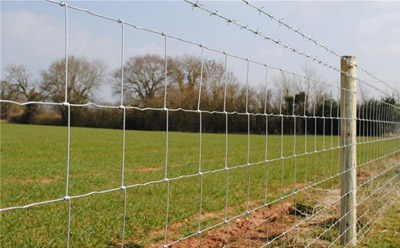
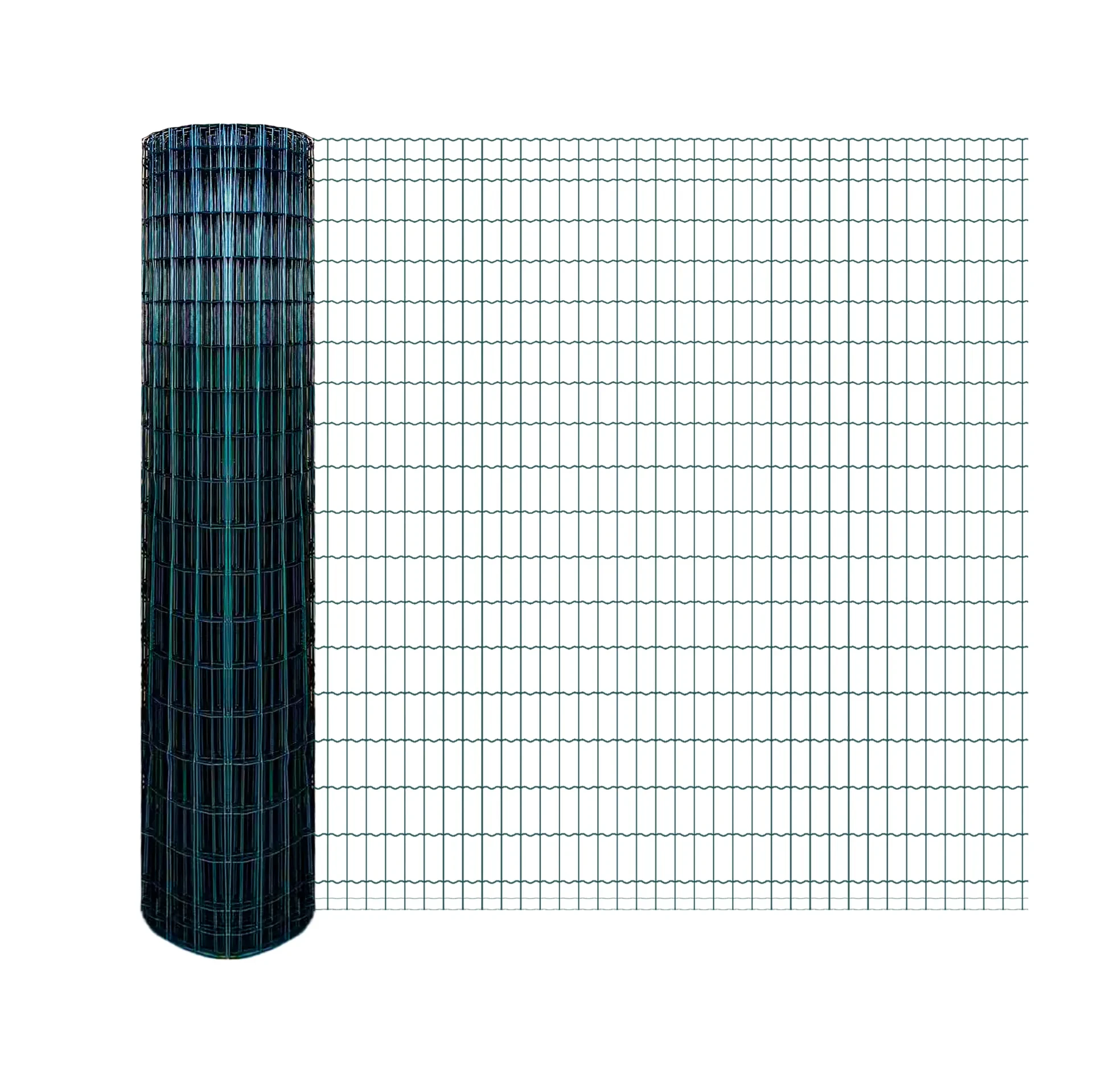
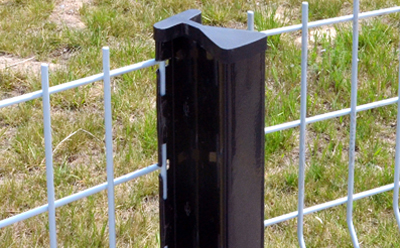
A je poste une clôture can support various wire fencing configurations. It may be used with welded wire, woven wire, field fencing, barbed wire, or other suitable fencing materials. The wire is attached along the post at predetermined heights, creating a continuous barrier.
Agricultural fencing is one of the most common applications. Farmers can use y poteaux de clôture en acier to construct boundaries around fields, pastures, livestock areas, and agricultural properties. The strong steel structure can provide stable support for wire fencing while allowing the fence to cover large areas.
Livestock fencing requires particular attention to post strength and spacing. Animals may push against fencing, so the posts need to remain stable under pressure. A properly installed poteau en acier de section y can provide the structural support needed to maintain the fence's shape.
These posts can also be used for property boundaries and general outdoor fencing. Their simple design makes them suitable for large-scale projects where many posts are required. Their relatively straightforward installation can help reduce labor requirements.
For temporary or semi-permanent fencing applications, Y-shaped steel posts can also be useful. They can provide a practical framework for quickly establishing a boundary or enclosure, although the suitability of a particular post depends on ground conditions and project requirements.
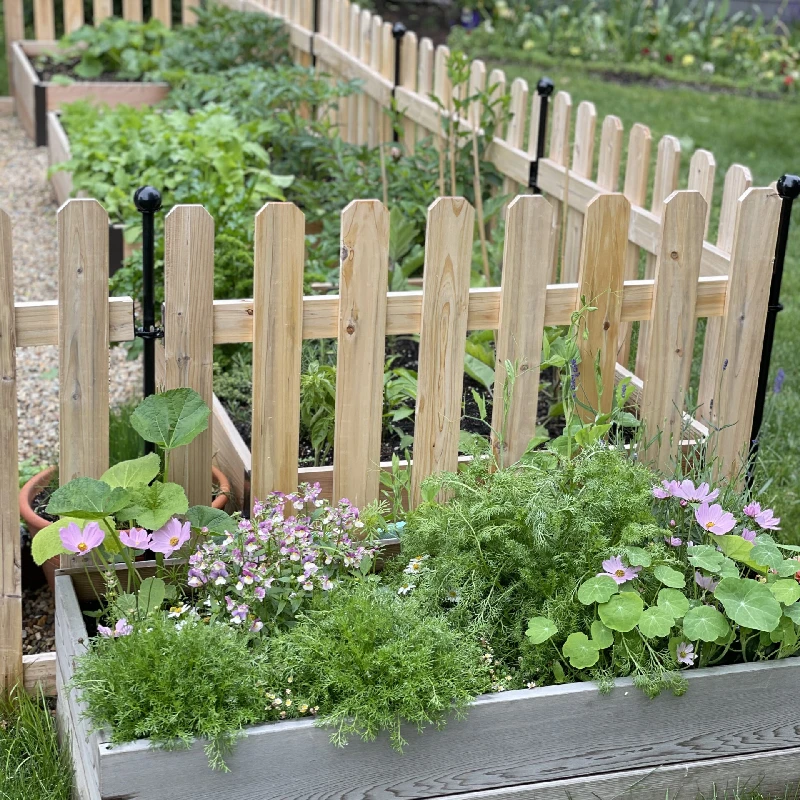
Garden and landscape applications may use lighter versions of poste standard y designs. These can support wire mesh around gardens, protect planted areas, or create boundaries for small outdoor spaces.
When installing the posts, special attention should be given to corners and endpoints. These locations often experience greater tension because the fencing wire changes direction or terminates. Additional reinforcement may be necessary to maintain overall stability.
The wire should also be tensioned appropriately. Excessive tension can place unnecessary stress on the posts, while insufficient tension can result in a loose and ineffective fence. A balanced installation helps distribute loads throughout the system.
Choosing the right post requires considering the environment, fencing material, required height, expected loads, and desired service life. A quality post should provide sufficient structural strength while also offering suitable corrosion resistance for its intended application.
The first consideration is the post profile. A poteau en acier de section y provides a distinctive structural configuration that can offer good resistance to bending. Buyers should select dimensions appropriate for the size and purpose of the fence.
The second consideration is steel quality. Y steel fence posts should be manufactured from suitable structural steel and produced according to consistent dimensional and quality requirements. Stronger steel construction can improve the post's ability to withstand tension and external forces.
Surface treatment should also be evaluated. Since outdoor fencing is regularly exposed to rain and humidity, corrosion protection is essential. Galvanized or otherwise coated steel can provide a protective barrier between the steel surface and the surrounding environment.
The installation environment matters as well. Sandy soil, clay, rocky ground, wet soil, and loose soil can provide different levels of support. In difficult ground conditions, installers may need to adjust post spacing, installation depth, or reinforcement methods.
The required fence height is another important factor. A taller fence generally creates greater wind loads and may require longer and stronger posts. Buyers should therefore avoid selecting posts based only on price or appearance.
For general fencing projects, a poste standard y may provide a practical balance between strength, usability, and cost. For demanding agricultural or security applications, heavier and longer posts may be more appropriate.
The type of wire should also influence the choice. Heavy wire mesh or multiple strands of tightly tensioned wire can create greater loads on the posts. The post should have enough strength to maintain its position and shape under these forces.
Long-term maintenance should also be considered. Although properly treated steel posts can provide good durability, the fence should still be inspected periodically. Damaged coatings, loose wires, leaning posts, or corrosion should be addressed before they affect the wider fencing system.
A well-designed je poste une clôture can provide reliable performance when the posts, wire, installation method, and environmental conditions are properly matched. The Y-shaped profile provides practical support, while steel construction offers the strength needed for many outdoor applications.
For large agricultural properties, y post fencing provides an efficient way to establish boundaries and protect livestock or crops. For smaller projects, a poteau de clôture can provide a simple and durable support solution.
Ultimately, the performance of a fence depends on the quality of its entire structure. Strong y poteaux de clôture en acier, appropriate wire, correct post spacing, sufficient installation depth, and proper corrosion protection all contribute to a stable and durable fencing system.
Whether used for agriculture, livestock, gardens, property boundaries, or general outdoor protection, Y-shaped steel posts provide a practical combination of strength, installation convenience, and long-term performance. By selecting the right poste standard y and ensuring proper installation, users can build a fencing system that remains stable and functional through changing weather and everyday outdoor conditions.



Copyright © 2026 Hebei Minmetals Co., Ltd. All Rights Reserved. Sitemap | politique de confidentialité | Menu