










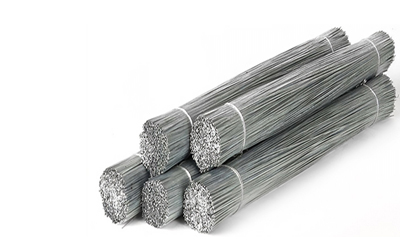
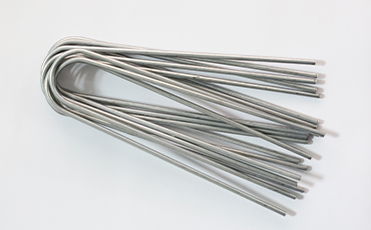
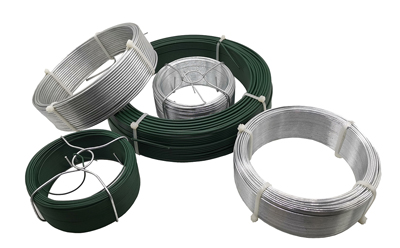
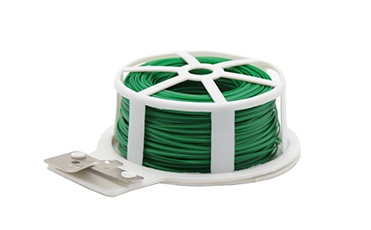



























In construction, agriculture, packaging, and manufacturing industries, binding and fastening materials play a crucial role in ensuring stability and efficiency. Among the most widely used materials are fil de recuit noir, fil d'attache noir, fil de fer noir, et black bailing wire. These products are known for their flexibility, strength, and cost-effectiveness, making them essential in both light-duty and heavy-duty applications. This article provides a comprehensive overview of their characteristics, production processes, and practical uses across different industries.
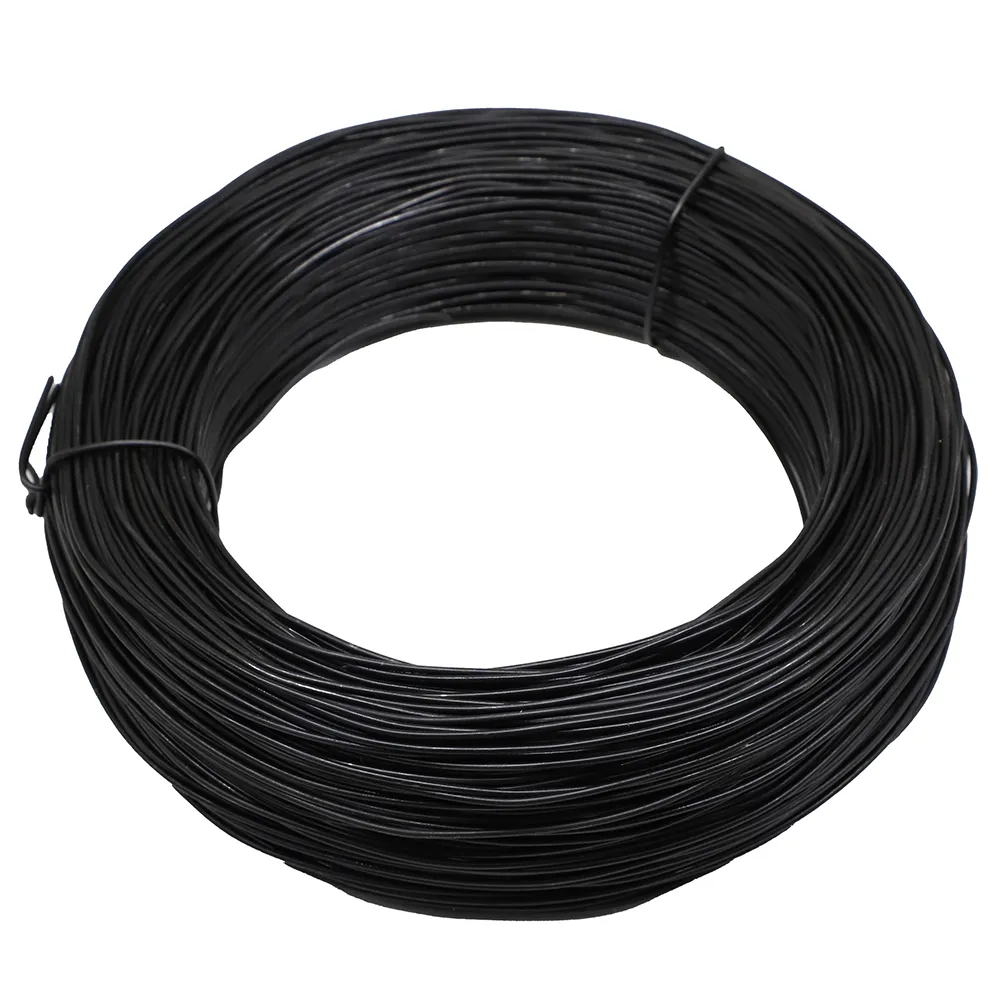
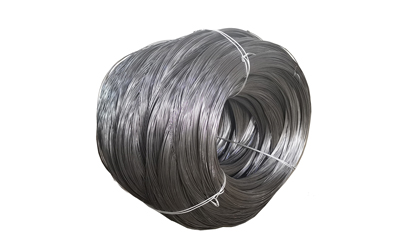
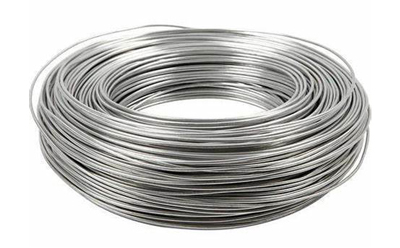
Black anneal wire et fil de fer noir refer to low-carbon steel wires that have undergone an annealing process to improve their flexibility and usability. The annealing process involves heating the wire to a specific temperature and then slowly cooling it. This treatment reduces internal stress, softens the material, and makes it easier to bend, twist, and shape without breaking.
Black iron wire is often used as a general term for untreated or lightly treated steel wire before coating or galvanization. However, in many industrial contexts, it overlaps with fil de recuit noir, as both are commonly used in their dark, oxidized surface condition, which gives them their characteristic black appearance.
The production of fil de recuit noir typically starts with low-carbon steel rods that are drawn into thinner wire diameters. After drawing, the wire undergoes the annealing process in a controlled furnace environment. This improves ductility and reduces brittleness, making the wire suitable for repeated bending and tying applications.
L’un des principaux avantages de fil de fer noir et fil de recuit noir is their balance between strength and flexibility. While they are not as corrosion-resistant as galvanized wire, they offer excellent performance in indoor or temporary outdoor environments where long-term rust resistance is not the primary concern.
These wires are available in various diameters, typically ranging from fine gauges for light tying work to thicker gauges for industrial bundling and construction reinforcement.
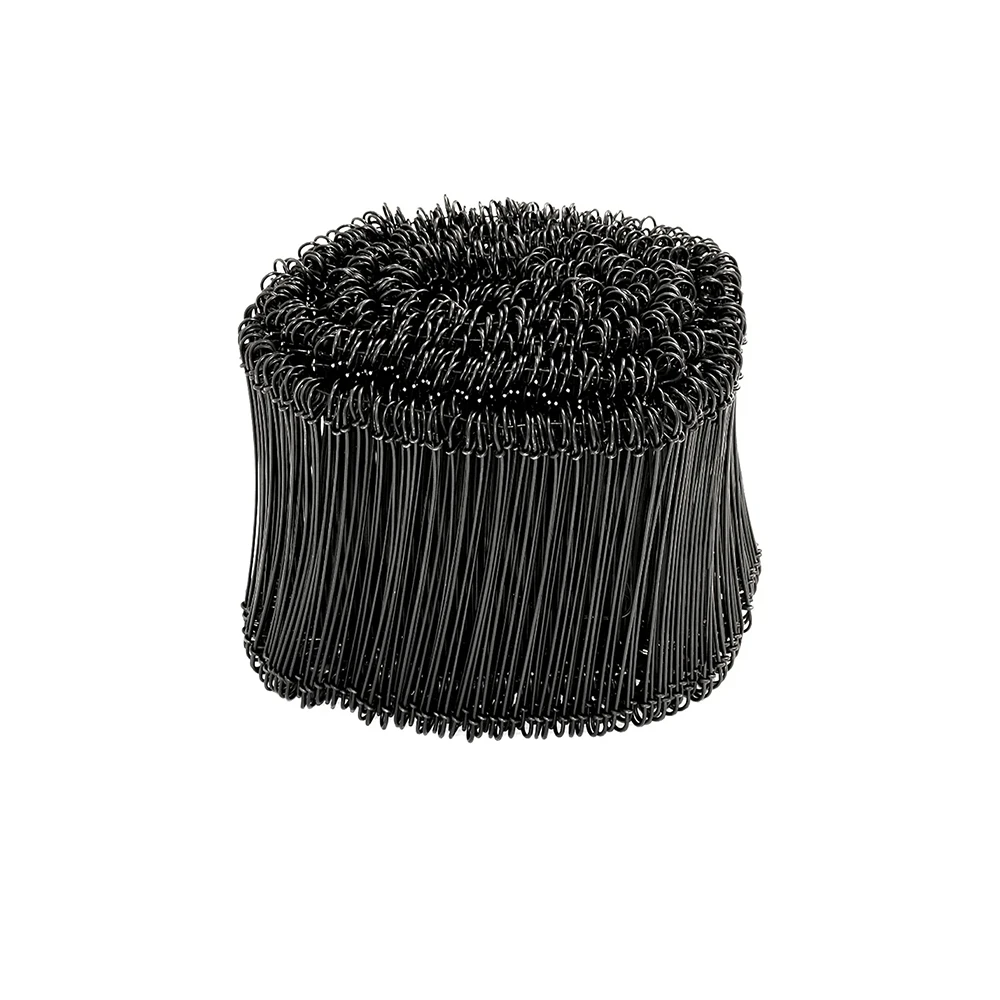
Black tie wire is one of the most widely used forms of soft steel wire in construction and manufacturing. Its primary purpose is to bind, secure, and hold materials together during assembly or transportation.
In the construction industry, fil d'attache noir is commonly used to secure reinforcing steel bars (rebar) in concrete structures. Workers use it to tie intersections of rebar grids, ensuring that the steel framework remains stable before concrete pouring. This application is critical for maintaining structural integrity in buildings, bridges, and infrastructure projects.
Beyond reinforcement work, fil d'attache noir is also widely used in general construction tasks such as bundling materials, securing scaffolding components, and temporary fastening. Its flexibility allows workers to quickly twist and tighten it using simple hand tools, making it highly efficient on job sites.
In manufacturing and industrial settings, fil d'attache noir is used to bundle pipes, cables, and metal parts for storage or transportation. Its ability to hold irregular shapes together makes it especially useful in logistics and warehousing operations.
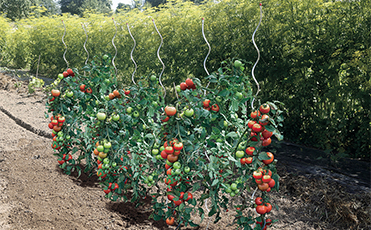
Agricultural applications also benefit from fil d'attache noir, where it is used to support plants, secure fencing, and bundle hay or crops. Farmers appreciate its affordability and ease of use, especially for temporary structures or seasonal work.
Another important advantage of fil d'attache noir is its adaptability. It can be cut to any length and reused in some cases, depending on the application. This reduces waste and makes it a cost-effective solution for many industries.
Black bailing wire is a specialized type of soft steel wire designed primarily for bundling and compressing recyclable materials. It is widely used in recycling facilities, waste management centers, and industrial packaging operations.
The main function of black bailing wire is to secure compressed materials such as cardboard, paper, plastic, textiles, and metal scrap into compact bales. These bales are easier to transport, store, and process, improving overall efficiency in recycling and logistics systems.
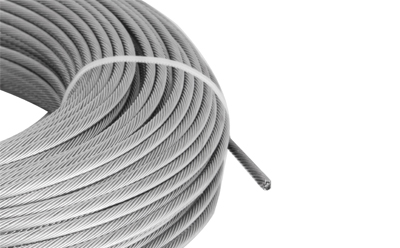
One of the key reasons black bailing wire is preferred in these applications is its high tensile strength combined with flexibility. It must be strong enough to hold tightly compressed materials without snapping, yet flexible enough to be manually or machine-tied around dense bundles.
In recycling plants, black bailing wire is often used with hydraulic baling machines that compress materials into uniform shapes. Once compressed, the wire is wrapped and twisted to maintain the shape until the bale reaches its destination.
Another important advantage of black bailing wire is its cost efficiency. Compared to other fastening systems such as straps or synthetic ropes, steel wire offers better durability and lower long-term costs, especially in heavy-duty industrial environments.
Although black bailing wire does not typically have corrosion-resistant coatings, its use is often in controlled environments such as indoor facilities where exposure to moisture is limited. In cases where outdoor storage is required, operators may choose coated or galvanized alternatives.
Safety is also an important consideration when handling black bailing wire. Because of its strength and tension, workers are advised to use protective gloves and proper tools when cutting or twisting the wire to avoid injury.
Selecting the right type of wire depends on the specific application and environmental conditions. While fil de recuit noir et fil de fer noir are general-purpose materials used for flexibility and basic binding, fil d'attache noir is more construction-focused, and black bailing wire is optimized for industrial compression and recycling tasks.
For construction reinforcement, fil d'attache noir is the preferred choice due to its ease of use and strong holding capability. For general bundling or crafting tasks, fil de recuit noir et fil de fer noir provide a versatile and economical solution.
In high-pressure industrial environments such as recycling facilities, black bailing wire is essential for securing dense compressed materials. Each type of wire serves a unique purpose, but all share the same core characteristics of flexibility, strength, and affordability.
Understanding these differences allows builders, manufacturers, and industrial operators to select the most efficient and cost-effective solution for their needs. Whether it is securing steel reinforcements in concrete or bundling recyclable materials for transport, these wires remain indispensable tools in modern industry.
En conclusion, fil de recuit noir, fil d'attache noir, fil de fer noir, et black bailing wire are essential materials across construction, agriculture, manufacturing, and recycling sectors. Their versatility, ease of use, and economic value make them some of the most widely utilized steel wire products in the world today.



Copyright © 2026 Hebei Minmetals Co., Ltd. All Rights Reserved. Sitemap | politique de confidentialité | Menu