







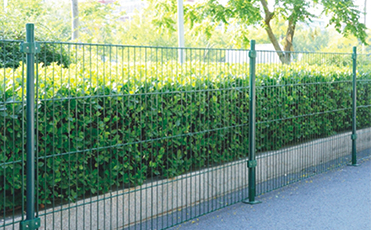
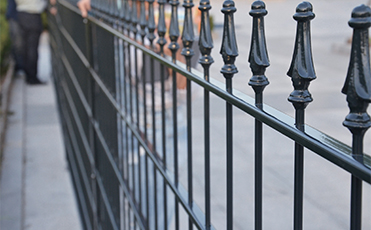

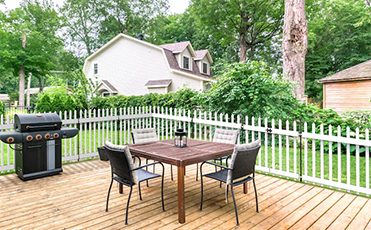
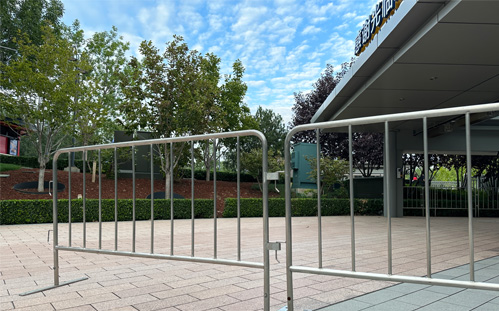


















At first blush, an l shape post might just seem like another piece of metalwork—simple, utilitarian, maybe even a little unexciting. But when you dig a bit deeper, it becomes clear this component plays a surprisingly pivotal role worldwide in construction, infrastructure, and even humanitarian projects. Whether supporting structures, frameworks, or fences, l shape posts provide sturdy, reliable backbone solutions that many industries depend on. Globally, with increasing urbanization and development pressures, understanding the nuances of such components is not just practical; it’s essential.
The United Nations estimates that by 2050, almost 68% of the world’s population will live in urban areas (UN DESA, 2018). That means buildings, roads, and various infrastructures are being built at a staggering pace—with metal posts like the l shape variant often at the core. Their versatility lends itself to everything from rural fencing projects in sub-Saharan Africa to high-rise frames in Asia. Plus, their cost-effectiveness and durability address critical global challenges such as infrastructure resilience and sustainable development.
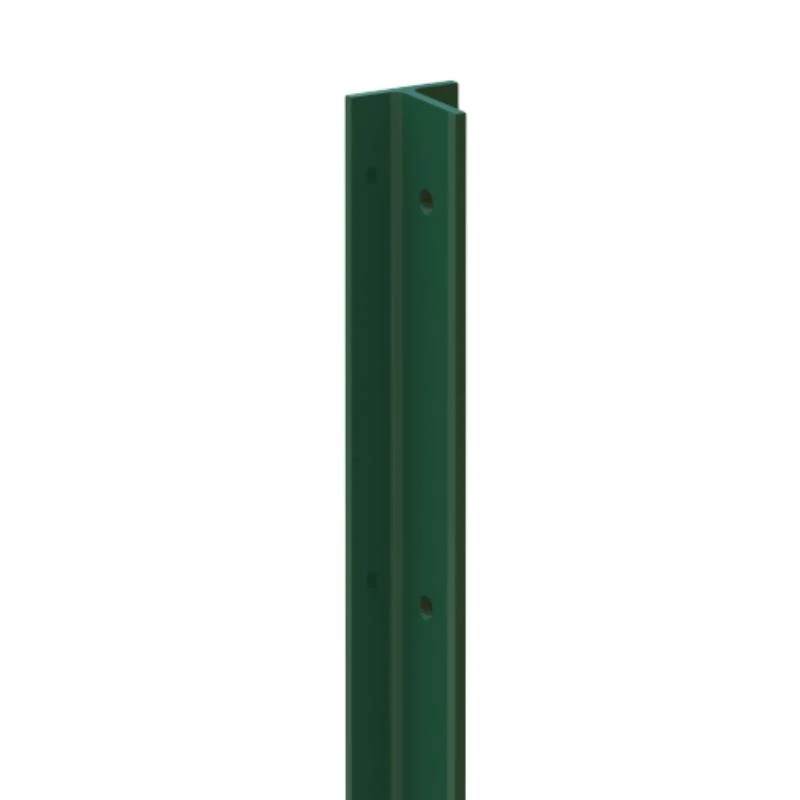
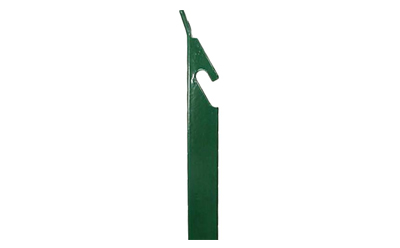
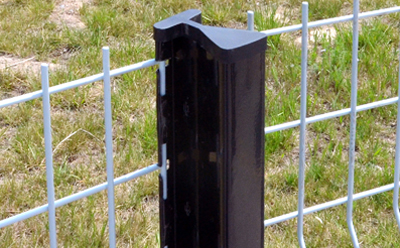
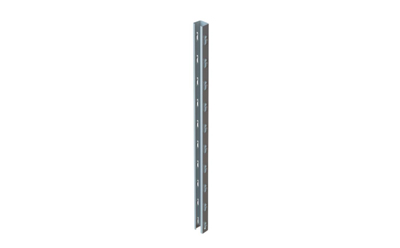
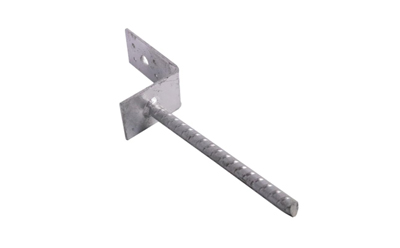
Simply put, an l shape post is a steel or metal post characterized by its cross-section—think capital letter “L.” That bent corner shape offers unique strength and load-bearing properties not as easily matched by flat or round posts. In industries like construction, farming, and logistics, these posts often act as support beams, fence posts, or mounting brackets.
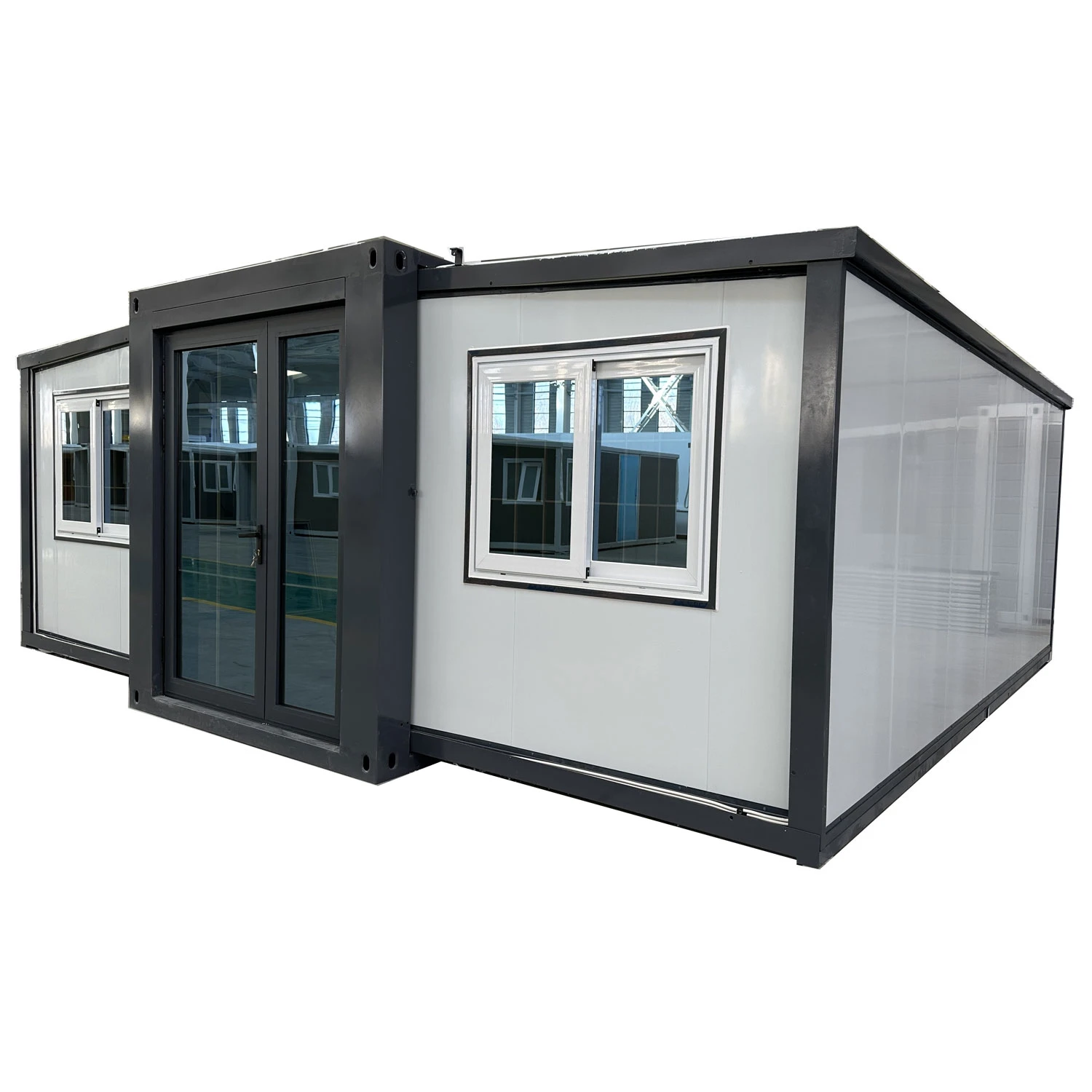
Beyond just metal shapes, l shape posts serve modern needs spanning industrial scaffolding to emergency housing frameworks. Because of their relatively simple design paired with high structural integrity, they’re a favorite for modular and quick-installation projects worldwide.
Most l shape posts are made from galvanized steel, which adds vital corrosion resistance, especially important outdoors or in high-humidity areas. Many engineers note these posts can last decades if properly maintained—a deciding factor for applications in challenging environments.
Available in various lengths and thicknesses, the dimensions dictate load-bearing capacity and installation ease. For example, a heavier gauge post adds strength but may complicate transportation and setup. It’s a balance many project managers weigh carefully.
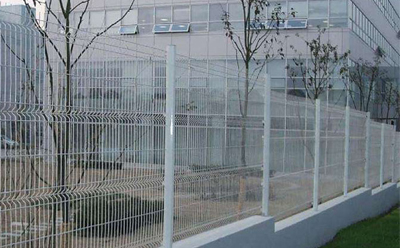
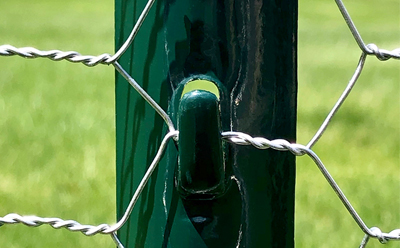
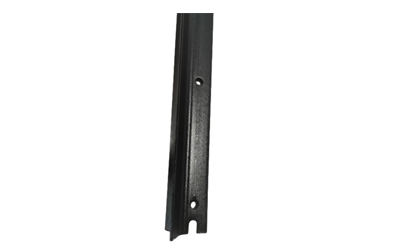
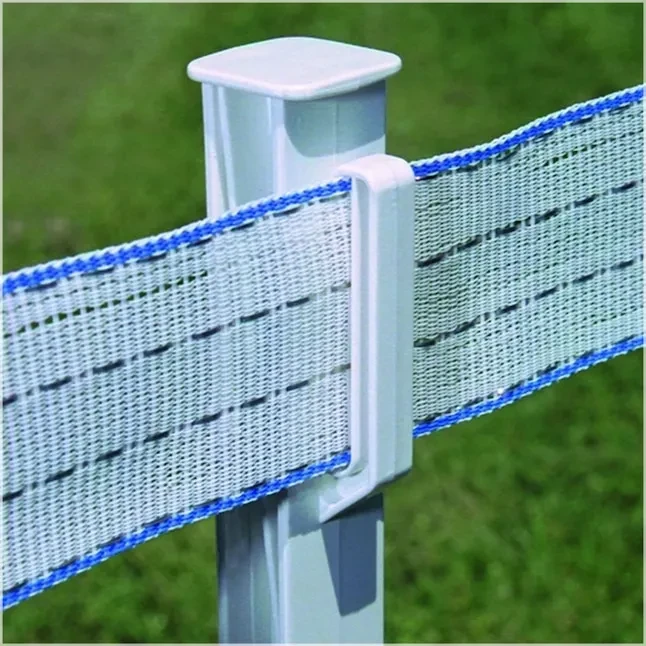
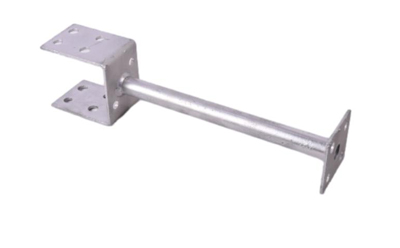
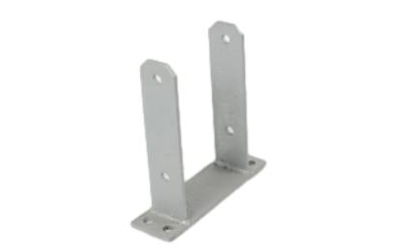
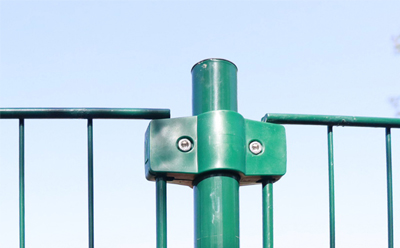
From fencing to signposts to load-bearing frames, their shape lends itself to multiple mounting options and configurations. In fact, you can find adjustable l shape posts with bolt holes for customization or modular growth, critical for scalable projects.
Compared to similar support structures, l shape posts usually offer a competitive price point due to efficient manufacturing and minimal waste. Their long lifespan also reduces replacement cycles, bringing down long-term expenses.
| Specification | Details |
|---|---|
| Material | Galvanized Steel (Grade Q235 or equivalent) |
| Cross-section shape | L-shaped angle (typically 50x50x5 mm or customizable) |
| Length | 1m to 4m standard, custom available |
| Coating | Hot-dip Galvanized or Powder Coating |
| Weight | Approx. 5-12 kg per meter (varies by thickness) |
| Finish | Smooth or Textured |
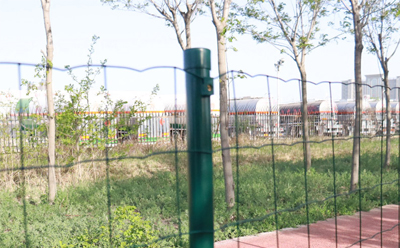
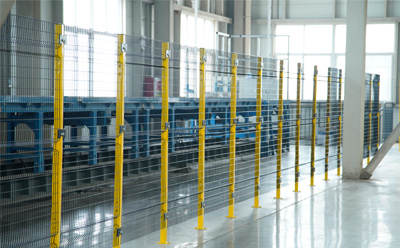
L shape posts pop up in a variety of contexts worldwide:
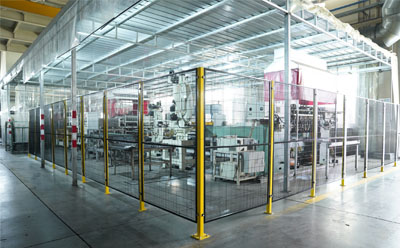
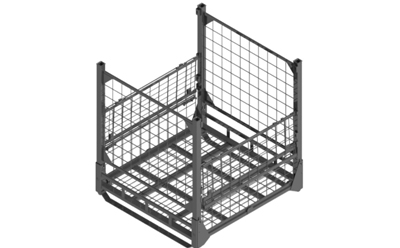
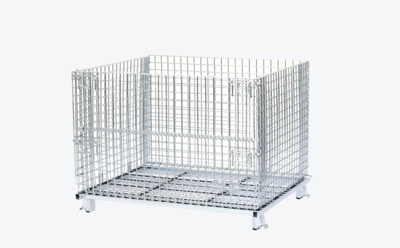
For example, a logistics company in Southeast Asia recently integrated l shape post frameworks for their modular container storage, streamlining setup and boosting durability.
| Vendor | Material Quality | Customization | Lead Time | Price Range (per unit) |
|---|---|---|---|---|
| Hebeimetals | High-grade galvanized steel | Full custom specs available | 2-3 weeks | $$$ |
| SteelPro | Standard galvanized | Limited sizes | 1-2 weeks | $$ |
| Global Metalworks | Premium steel, powder coated options | Custom on request | 3-4 weeks | $$$$ |
The benefits of using l shape posts extend well beyond their simple form:
Plus, the standardization of these posts helps architects and engineers streamline procurement and installation processes—a subtle but impactful operational advantage.
Looking ahead, the l shape post market is evolving remarkably. Innovations in coatings—like eco-friendly powder coatings that reduce volatile organic compounds (VOCs)—are gaining traction. Also, the integration of lightweight composites and smart-metal alloys could redefine strength-to-weight ratios, enhancing structures’ resilience without adding heft.
Additionally, digital fabrication and automation help manufacturers customize l shape posts faster and with less waste. It’s not hard to imagine future l shape posts embedded with sensors for structural health monitoring—a leap for high-stress infrastructure projects.
Of course, no solution is without hurdles. Galvanization quality inconsistencies or supply chain delays can cause headaches. Sometimes, heavier gauge posts push up costs or complicate installation.
However, many vendors, including l shape post manufacturers, now offer pre-drilled or modular variants to speed installation. Advances in coating tech improve corrosion resistance even under harsh conditions. And local sourcing models reduce lead times.
In real terms, the humble l shape post is a small but mighty component, forming the foundational framework for countless projects across the globe. Their blend of durability, cost-effectiveness, and adaptability embodies what modern infrastructure strives for—efficient yet reliable building blocks. Whether you’re an engineer, project manager, or an NGO planning relief operations, understanding and using l shape posts wisely can lead to safer, more sustainable, and impactful outcomes.
For more insights or to explore custom solutions, visit our website at https://www.hebeimetals.com.
A tiny piece, huge impact—that’s the story of the l shape post.
References:



Copyright © 2026 Hebei Minmetals Co., Ltd. All Rights Reserved. Sitemap | Privacy Policy | Menu