



















When it comes to modern construction and industrial applications, the l post might not be the headline star, but it’s one of those quietly essential components holding much together — literally. Globally, the use of l posts spans everything from fencing and shelving to complex structural frameworks. Understanding what l posts are and how they function can unlock numerous benefits, especially when durability and cost-efficiency are priorities.
Across industries, from agriculture to manufacturing, the l post provides a simple yet robust structural member that meets diverse needs. The global construction market, projected to exceed $12 trillion by 2030 (World Bank, 2023), leans on cost-effective and adaptable materials, where l posts often excel. Problems like quick installation, sustainability concerns, and scalability have kept demand steady for structural elements like l posts that offer practical solutions.
In humanitarian and industrial zones, especially where quick deployments of barriers or supports are necessary, the l post’s versatility shines. It bridges gaps between temporary fixes and permanent solutions, offering reliability and flexibility that many other components struggle to match.
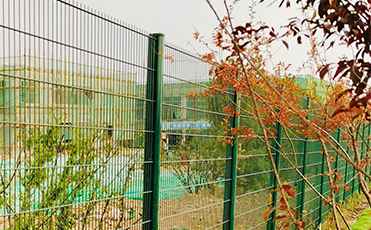
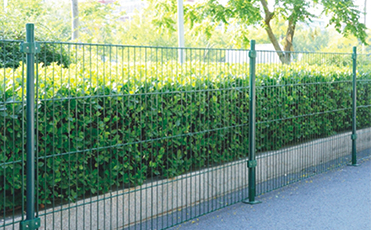
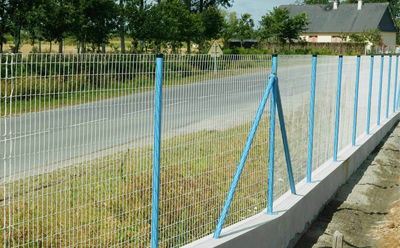
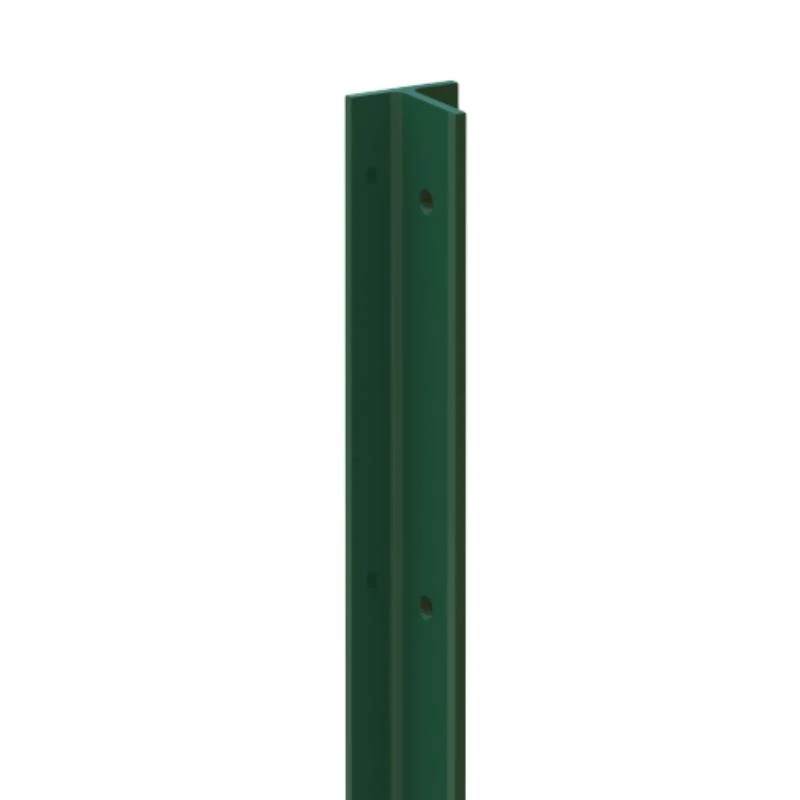
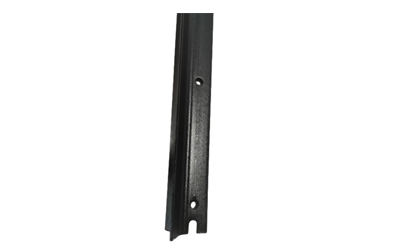
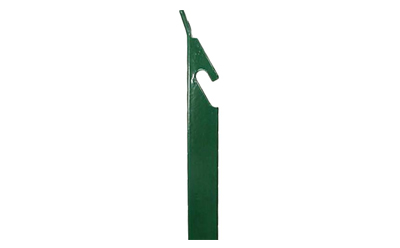
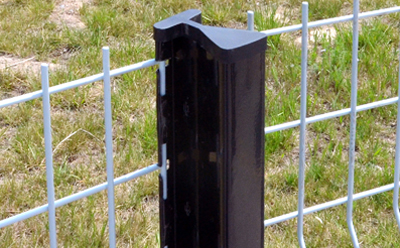
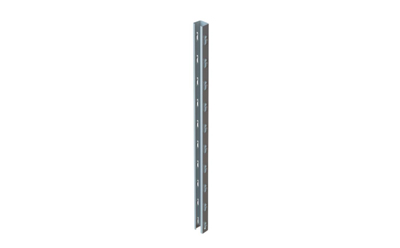
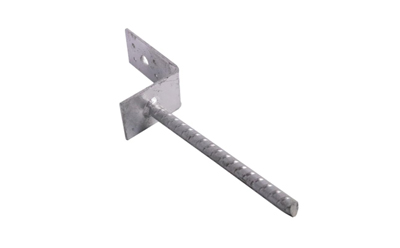
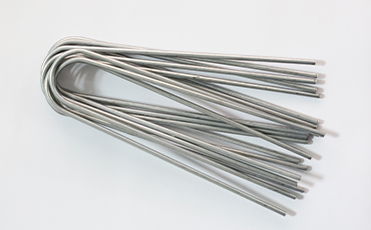
In simplest terms, an l post is a length of steel — sometimes aluminum or composite material — bent into the shape of the letter "L" when viewed in cross-section. This design provides a strong ‘corner’ post that supports fencing panels, signage, or structural frameworks. Its angular shape gives it significant strength with relatively low material usage, and its straightforward geometry means easy manufacturing and installation.
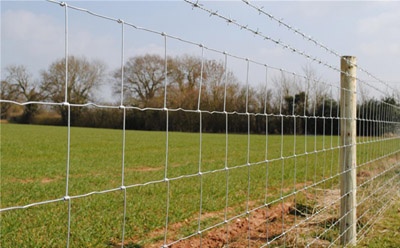
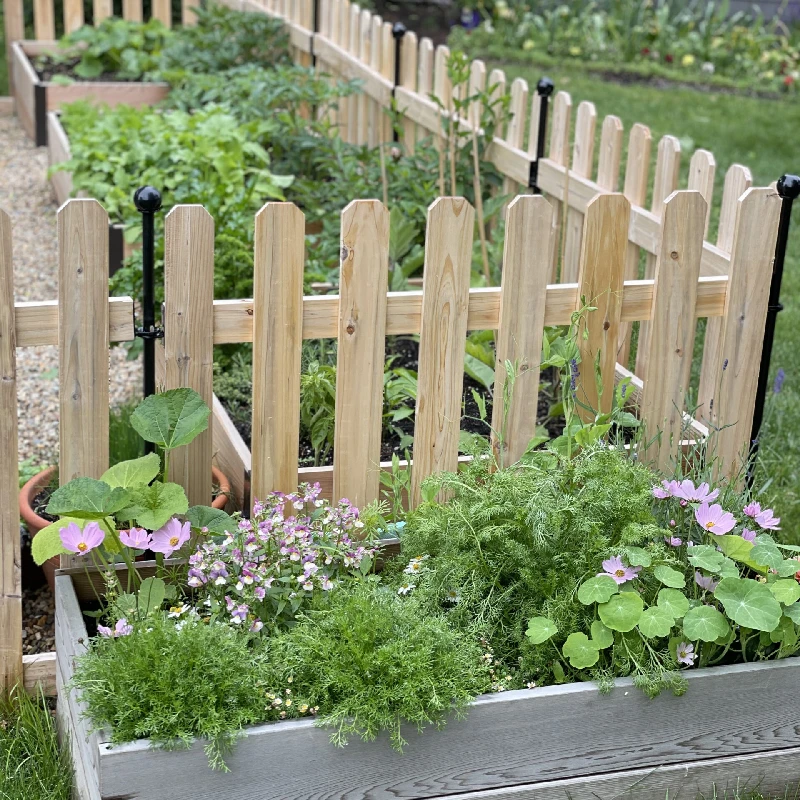
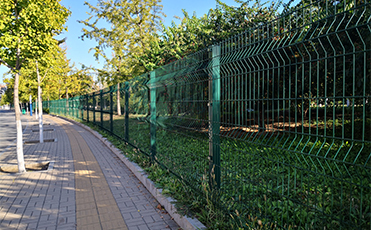
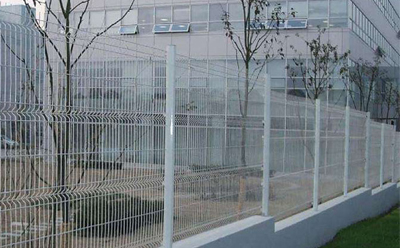
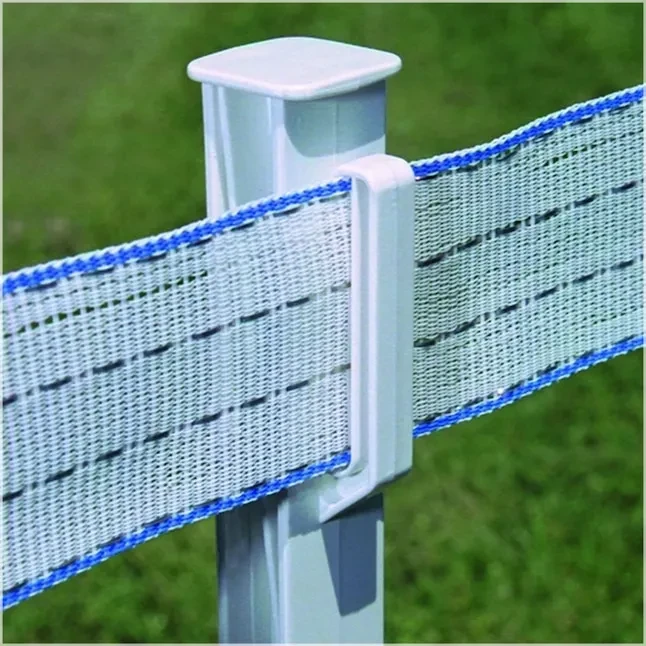
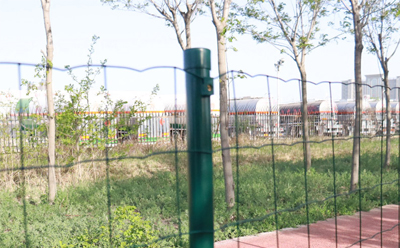
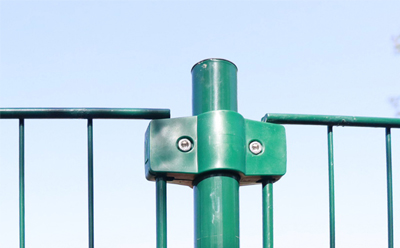
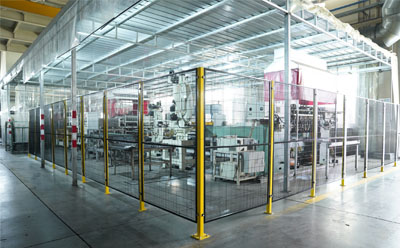
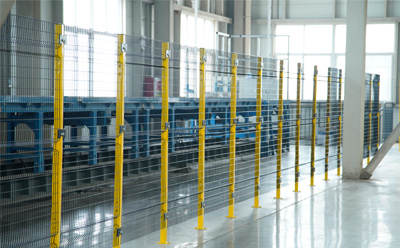
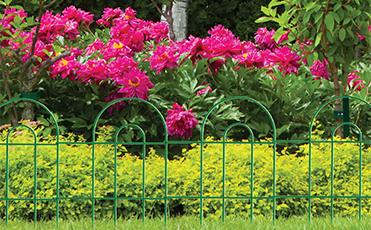
Oddly enough, the beauty of l posts is in their elegant simplicity: no wonder they’ve found a home in everything from farm fencing (think cattle boundaries) to industrial racking systems and protective barriers. At a humanitarian level, they’re used in quickly erected shelters and aid distribution points.
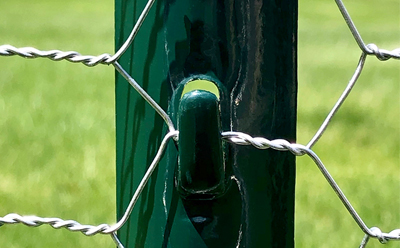
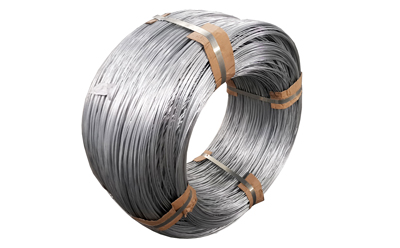
Typically made from galvanized steel, l posts resist corrosion, making them ideal for outdoor use. The galvanization process (usually zinc coating) extends life expectancy dramatically, even in harsh environments.
Because they use less material without sacrificing strength, l posts come at a friendly price point. They’re also lightweight relative to solid posts — reducing transportation and installation costs.
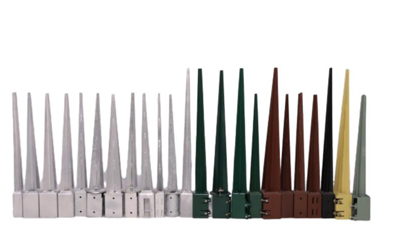
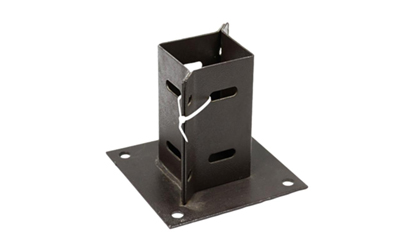
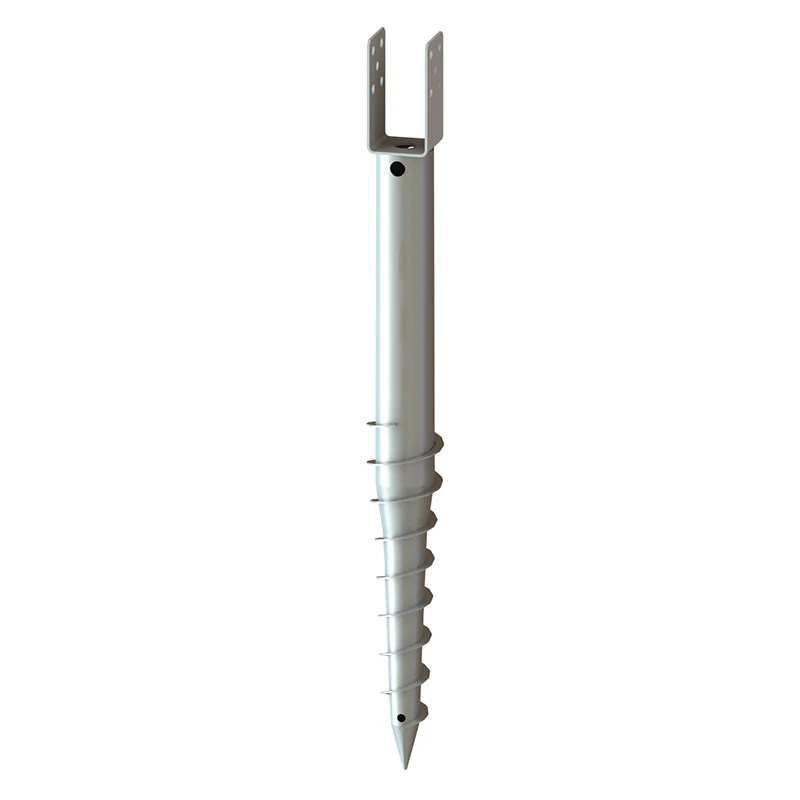
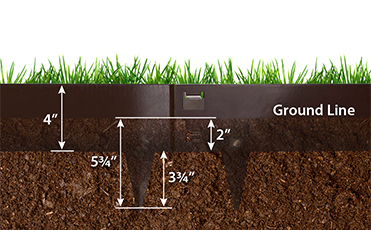
L posts are designed for quick deployment — many come with pre-punched holes or slots for bolts and screws, or simply ground spikes that anchor them without extensive groundwork.
From fencing agricultural lands to industrial shelving and electrical conduits, their “L” shape adapts well. Different lengths and thicknesses accommodate various load requirements.
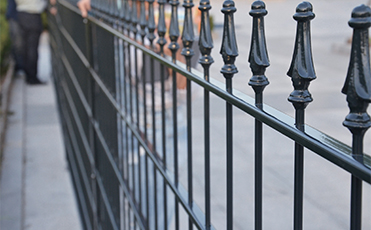
You can order them in custom sizes or with coatings for special applications, like powder coating for aesthetic projects or additional corrosion protection in marine environments.
The value of an l post lies in its fusion of emotional and practical benefits. Because these posts often support fencing that keeps families’ livestock secure or form the skeleton of a shelter, they contribute to a sense of safety and dignity. From a logical perspective, they enjoy long service lives with minimal maintenance — meaning less frequent replacement, fewer disruptions, and lower lifetime costs.
Environmentally, many l posts are recyclable and come with coatings that reduce the need for harsh chemical treatments, supporting green building practices.
| Attribute | Specification |
|---|---|
| Material | Hot-dip galvanized steel |
| Dimensions | 40mm x 40mm x 1.5mm thickness (common profile) |
| Length Options | 1.5m, 1.8m, 2.4m, 3m |
| Coating | Zinc coating thickness approx. 45 microns |
| Weight | Approx. 2.4 to 4.8 kg per post (varies by length) |
| Vendor | Material Quality | Customization Options | Typical Lead Time | Price Range |
|---|---|---|---|---|
| Hebeimetals | High-grade galvanized steel | Lengths, coatings, pre-punched holes | 2-3 weeks | $$ |
| SteelForms Inc. | Standard galvanized | Limited customization | 4-6 weeks | $ |
| EcoPost Supplies | Recycled steel with powder coating | Colors, eco-packaging | 3-4 weeks | $$$ |
The future looks quite interesting. Innovations like integrating composites to reduce weight without losing strength are underway, and sustainable coatings that minimize environmental impact are gaining popularity. With green construction standards rising globally (ISO 21930:2017), l posts could soon incorporate recycled materials or smart sensors embedded for structural health monitoring — basically taking a humble piece of steel into the smart infrastructure era.
Despite their utility, l posts face challenges like susceptibility to rust if coatings fail, or limitations in very high-load structural conditions. Choosing vendors with rigorous galvanization and quality control, alongside regular maintenance inspections, helps mitigate these. In harsh chemical or marine environments, specialized coatings or alternative materials (like aluminum or composites) can provide better performance.
The humble l post packs a surprising punch: it’s cost-effective, durable, and versatile enough to meet diverse industry demands worldwide. From securing farmland to structuring industrial shelving and supporting disaster relief efforts, its global impact is quite significant. If you’re looking for reliable, scalable structural solutions, l posts deserve a spot on your shortlist.
Want to explore high-quality options and customization? Visit Hebeimetals for expert solutions and tailored products designed to meet your specific needs.



Copyright © 2026 Hebei Minmetals Co., Ltd. All Rights Reserved. Sitemap | Privacy Policy | Menu