

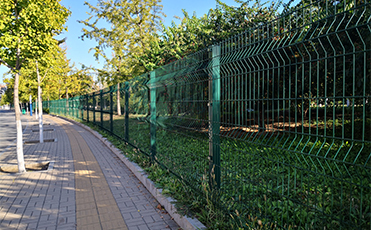
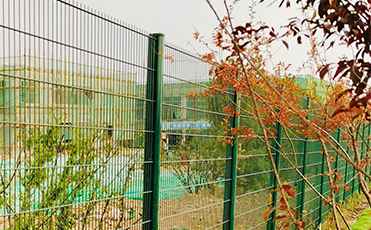
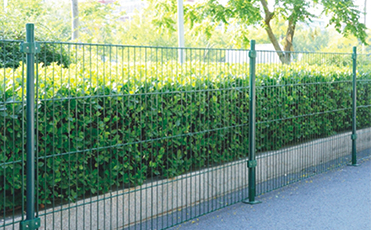
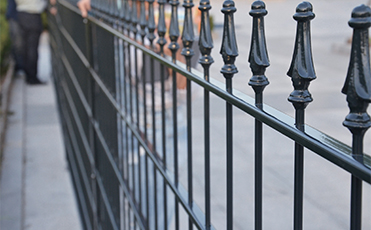
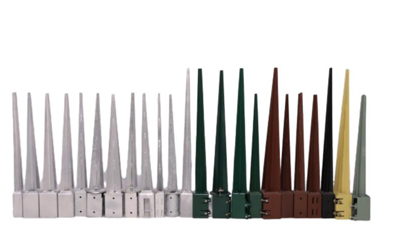
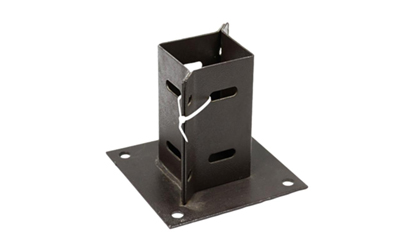
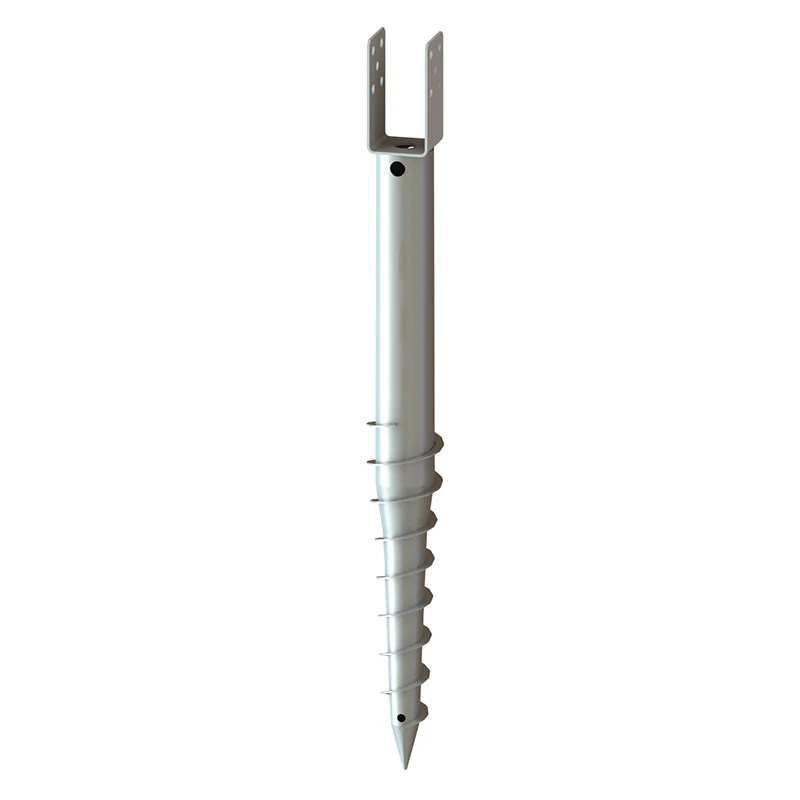
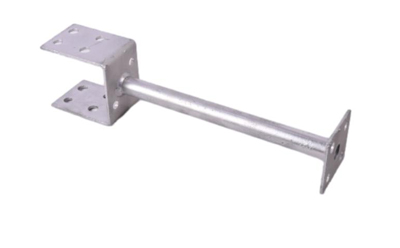
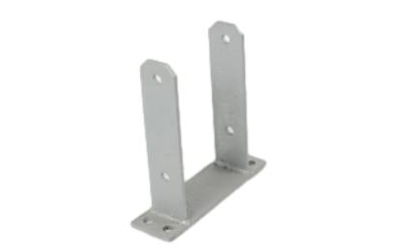
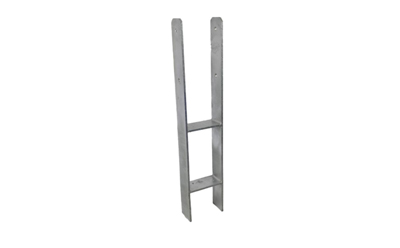
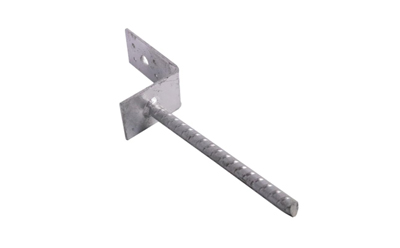
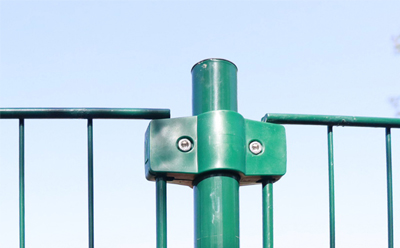
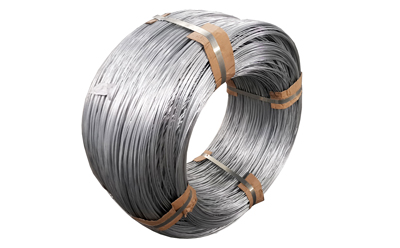
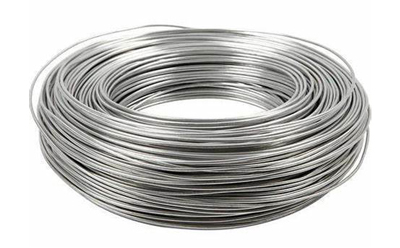
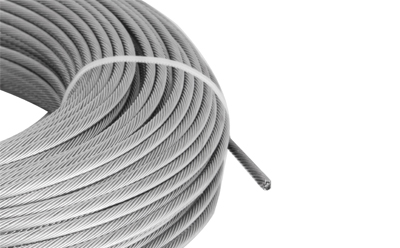
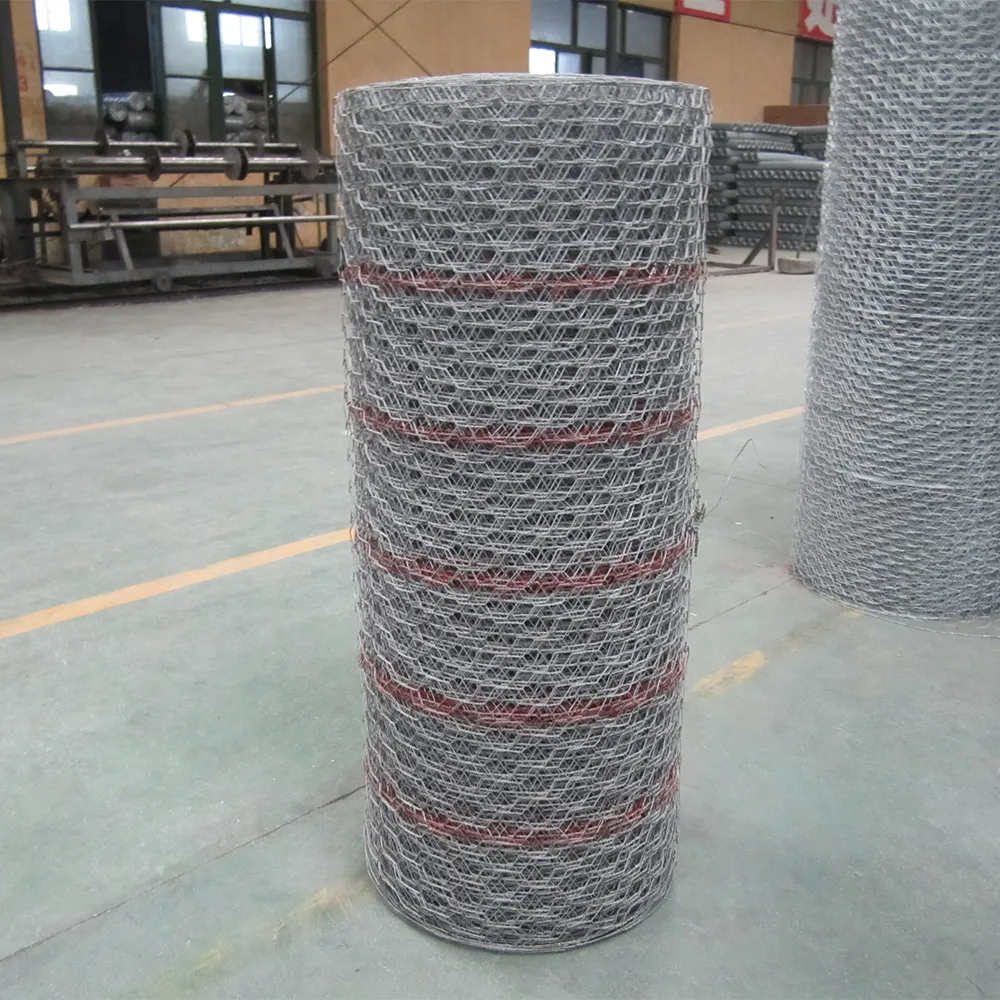
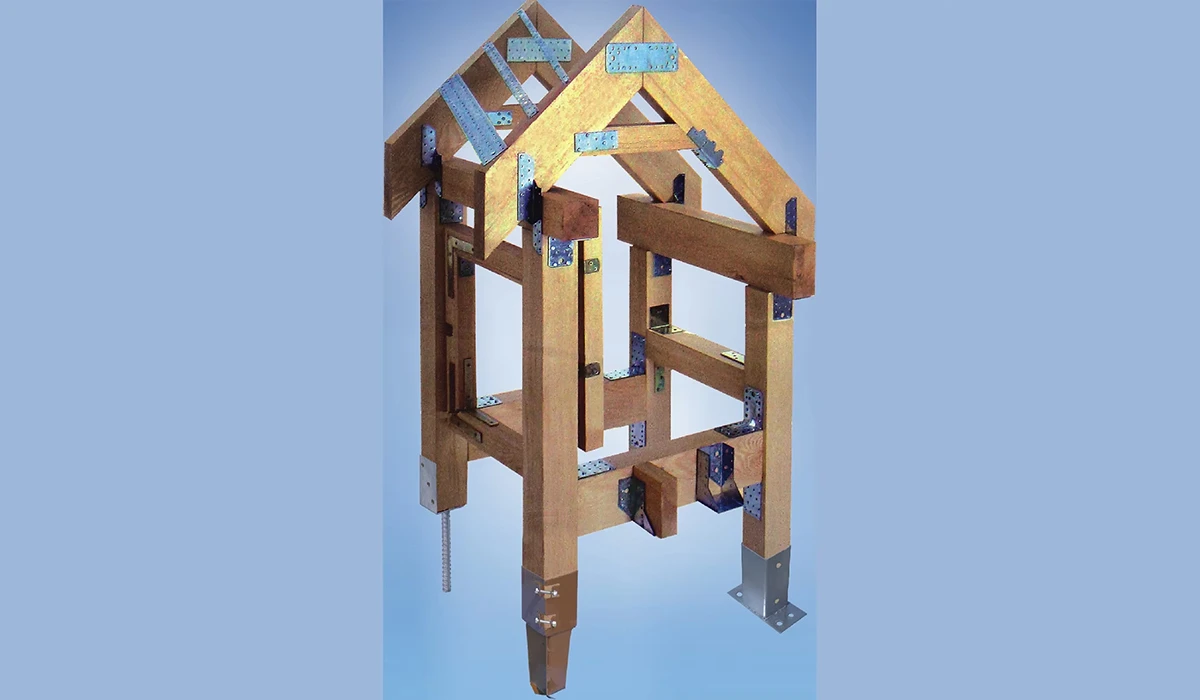


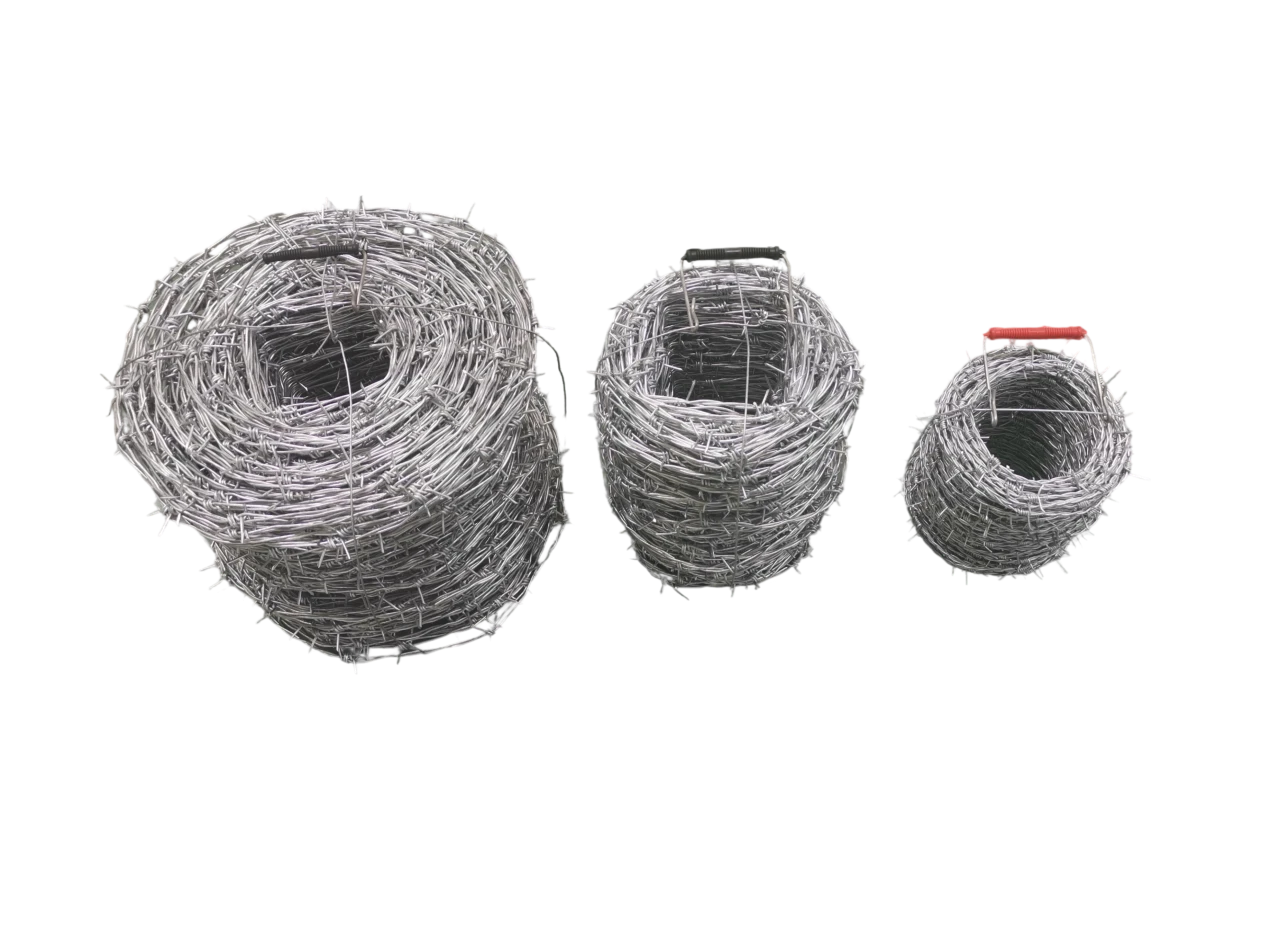










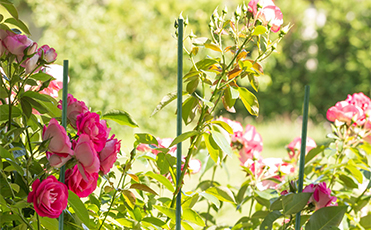
Whether you're wandering through a sun-drenched vineyard in California or strolling among the sprawling grape fields of southern France, you’ve likely passed countless vineyard line posts supporting the delicate vines. Yet, these seemingly simple posts are much more than just wooden stakes—they’re the backbone of vine management and a silent partner in the global wine and fruit industry. But why exactly do vineyard line posts matter worldwide, and what benefits come from grasping their role?
At its core, understanding vineyard line posts opens doors to improving vineyard efficiency, sustainability, and ultimately quality of yield. Grapevines depend on these posts for support, protection against environmental factors, and maintaining canopy structure—critical factors when you’re considering both climate change adaptation and the growing demand for premium grapes.
Globally, vineyards cover approximately 7.4 million hectares (according to the UN’s Food and Agriculture Organization). This sprawling agricultural sector not only feeds wine lovers but supports livelihoods in dozens of countries. Vineyard line posts, while an often overlooked element, are essential to the success and modernization of these operations.
One challenge viticulturists face today is balancing productivity with sustainability. Poorly chosen or aging posts can lead to vine damage, higher labor costs, and even reduced grape quality due to windy or uneven growth. With climate pressures increasing—higher winds, changing rainfall patterns—choosing the right line posts helps vineyards stay resilient. It’s a small part of a big picture solution to sustainable agriculture.
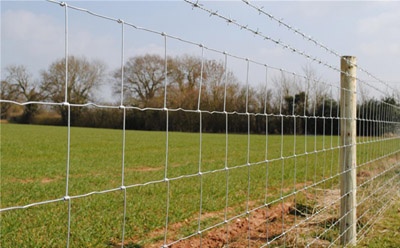
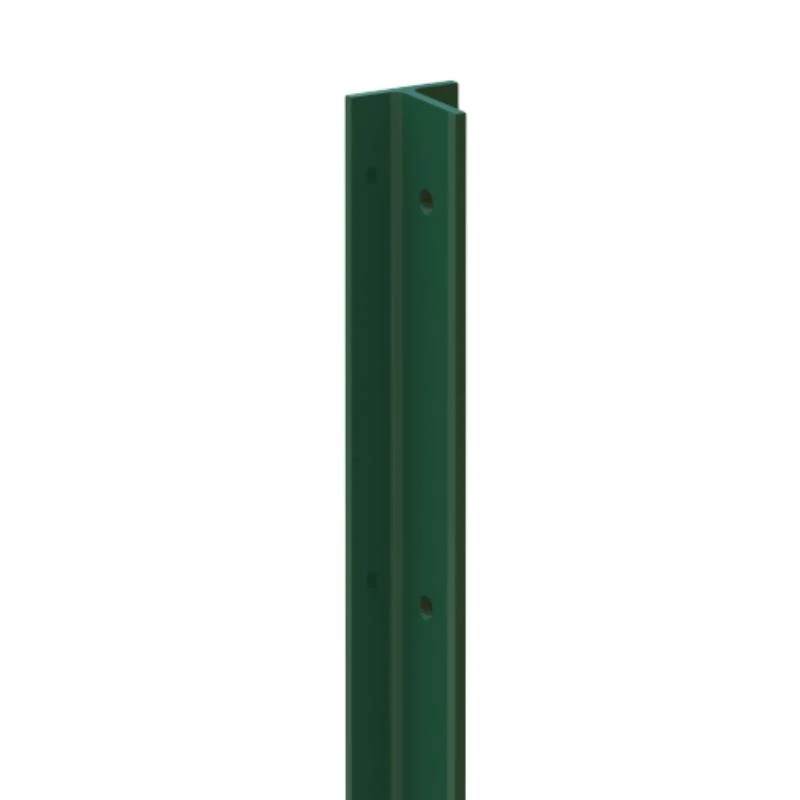
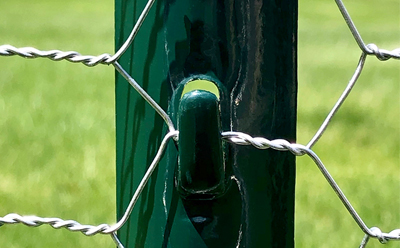
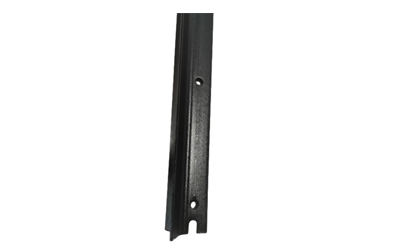
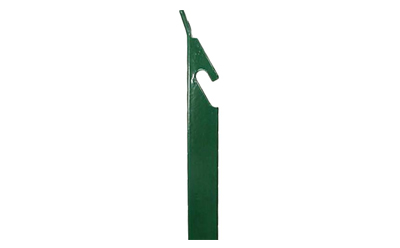
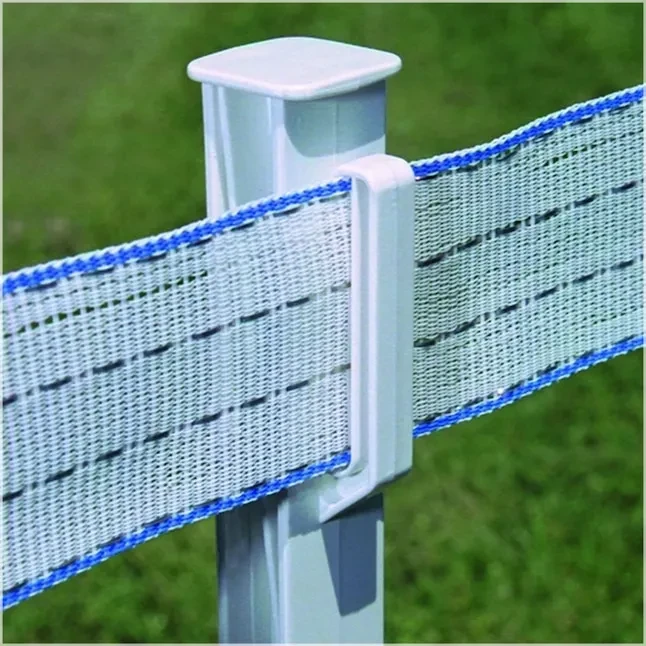
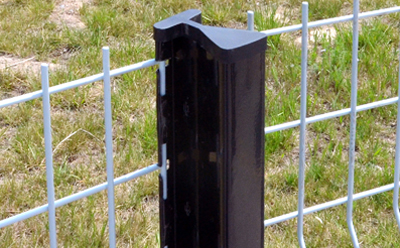
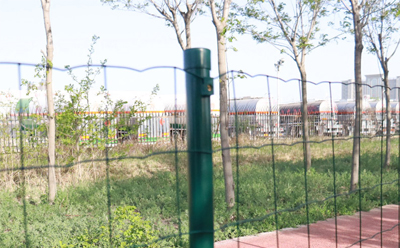
Simply put, vineyard line posts are vertical supports installed in rows to anchor and support grapevines throughout their growth cycle. They typically hold up trellis wires, guiding vine branches and helping optimize sun exposure, air circulation, and fruit quality.
In modern agriculture, vineyard line posts tie directly into practices aiming for high yield and minimal environmental impact. For example, using galvanized steel posts instead of untreated wood reduces deforestation, while providing longer service life—one reason why many producers are shifting materials.
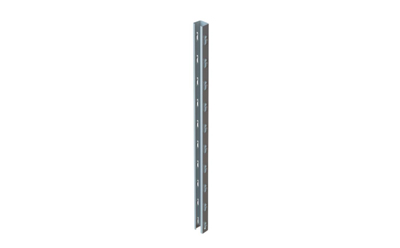
Posts endure weather extremes for decades. Many use galvanized steel or treated hardwood. Steel resists rot and insect damage—key factors in humid or pest-prone areas.
Your choice affects initial investment and ongoing maintenance. Steel posts generally cost more upfront but save money over time by lasting longer and reducing replacements.
Lightweight but strong posts allow faster vineyard setup, meaning savings in labor and disruption. This is especially important for large-scale vineyards expanding acreage.
Posts come in various lengths and strengths, supporting different trellis systems—from simple single wires to complex multi-wire setups. Adaptability means vintners can optimize spacing and productivity.
Recyclability of steel and reduced need for chemical treatments positions modern vineyard line posts as part of a greener future in agriculture.
| Feature | Galvanized Steel Posts | Treated Hardwood Posts |
|---|---|---|
| Material | Steel (galvanized) | Oak or Pine (pressure treated) |
| Average Length | 6-8 feet | 7-9 feet |
| Weight | ~5-8 lbs | ~10-15 lbs |
| Lifespan | 20-30 years | 10-15 years |
| Environmental Impact | Recyclable, Low extraction impact | Requires forests, chemical treatment |
| Vendor | Materials Offered | Cost Range | Lead Time | Customization |
|---|---|---|---|---|
| Hebeimetals | Galvanized Steel, Custom coatings | $$ | 2-4 weeks | Yes |
| VineSuppliers Inc. | Treated Hardwood, Steel | $-$$ | 3-6 weeks | Limited |
| GreenVine Tech | Recycled Plastic Posts | $$$ | 4-6 weeks | Yes |
While vineyard line posts sound like a niche topic, their use extends across the wine-producing regions of Europe, the Americas, Australia, and even emerging markets in Asia and Africa. In places like Italy and Spain, centuries-old vineyards rely on updated post systems to maintain grape quality under extreme weather swings. In California’s Napa Valley, vineyard line posts are integral to mechanized harvesting systems that streamline production.
Oddly enough, vineyard posts are also used in non-traditional sectors—some agroforestry projects adopt similar post-and-wire configurations to support diversified crops in challenging terrains. Humanitarian agricultural projects in vulnerable zones sometimes utilize modular vineyard posts because of their ease of installation and durability.
It feels like these advantages compound over a decade—save costs and increase yields simultaneously. And you know, that’s exactly the kind of practical innovation that vineyard owners appreciate.
The vineyard line posts industry is quietly evolving. You might not hear much about it in the news, but new materials like composite plastics infused with recycled fibers are emerging, offering even higher lifespans and no rust concerns. Moreover, digital transformation is reaching the field—posts integrated with sensors can monitor tension or vine growth, feeding data to vineyard managers in real time.
Green energy also plays a role, with manufacturers adopting cleaner galvanization techniques. Policies globally are leaning toward sustainability certifications, pushing growers to consider the full lifecycle of materials—including vineyard posts.
Still, it’s not all smooth sailing. One common challenge is balancing upfront cost versus long-term benefits. Some growers hesitate to adopt steel posts due to higher initial prices or unfamiliarity. There are also installation concerns—heavy posts require specialized equipment, which can be an obstacle in remote areas.
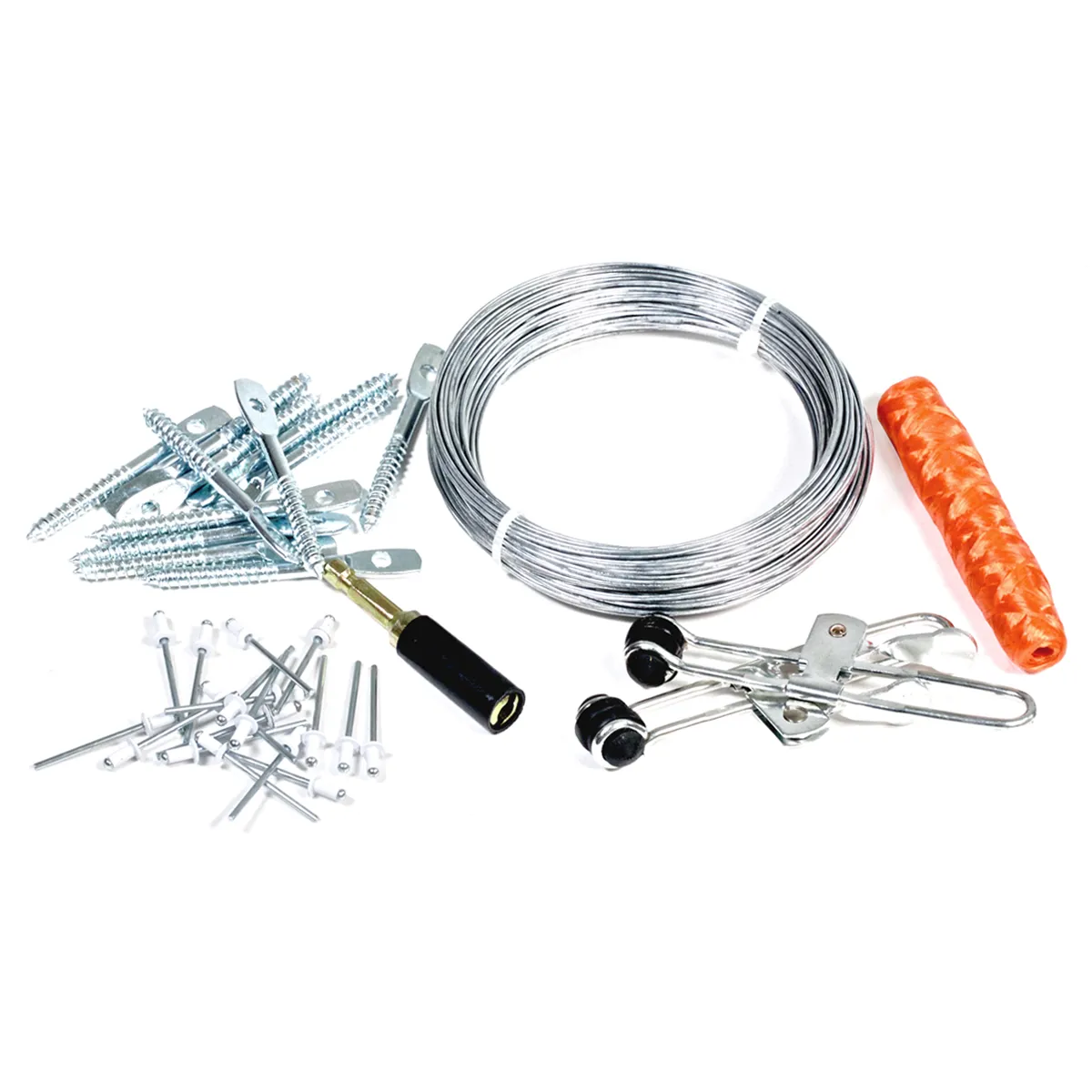
Expert growers and suppliers recommend comprehensive training and incremental adoption. Some supply companies bundle posts with installation tools and support. There’s also exciting research into lighter, stronger alloys to make transport and handling easier without sacrificing durability.
A: Galvanized steel posts are generally preferred in humid areas due to their resistance to rot and pests. They also maintain structural integrity better than untreated wood, reducing maintenance needs.
A: Depending on material, steel posts can last 20-30 years, whereas treated hardwood posts usually last 10-15 years. Lifespan also depends on weather, soil type, and maintenance.
A: Yes, steel posts are highly recyclable, contributing to environmental sustainability. Wooden posts can sometimes be reused but eventually require disposal due to degradation or treatment chemicals.
A: By providing stable support, line posts optimize vine canopy structure, improving air flow and sun exposure. This reduces disease risk and enhances fruit quality.
A: Many suppliers offer customized posts regarding length, coating, and strength to fit specific vineyard needs and climates.
Vineyard line posts, while often overlooked, are critical components that tie directly into the quality, sustainability, and productivity of vineyards worldwide. Investing in the right posts means longer-lasting infrastructure, healthier vines, and ultimately better wines or fruit—outcomes that matter to growers and consumers alike. If you’re looking to empower your vineyard with reliable support structures, don’t forget the importance of choosing posts with care—and expert partners like Hebeimetals can streamline that process.
So, happy planting! And maybe next time you stroll through a vineyard, you’ll notice the quiet strength behind each grapevine—the humble, trustworthy vineyard line post.
It’s funny how something as simple as a post can have such a profound impact on an industry that affects millions globally. Sometimes, small details like these are the unsung heroes in sustainable agriculture.



Copyright © 2026 Hebei Minmetals Co., Ltd. All Rights Reserved. Sitemap | Privacy Policy | Menu