













When you stroll through a sun-dappled vineyard, the rows of grapes seem almost magical. But have you ever paused to think about the structures that support these vines? Vineyard poles are the humble heroes behind thriving vineyards, fundamental for vine growth, crop yield, and ultimately, the quality of wine we enjoy globally. Understanding vineyard poles isn’t just for wine makers or agricultural enthusiasts—it touches on global food sustainability, environmental stewardship, and innovative agriculture design.
Globally, viticulture isn’t just a niche—it’s a $340 billion industry, contributing not only to economies but to regional identities and ecosystems (UN Food & Agriculture Organization). Stable support for grapevines, through vineyard poles, reduces crop loss, enhances growth, and enables efficient harvesting. Given climate uncertainties and evolving vineyard technologies, recognizing the role and innovation in vineyard poles is more relevant than ever.
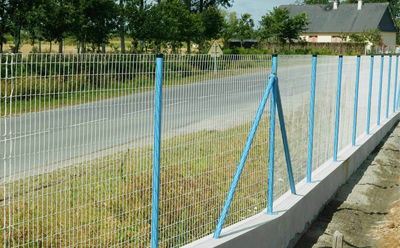
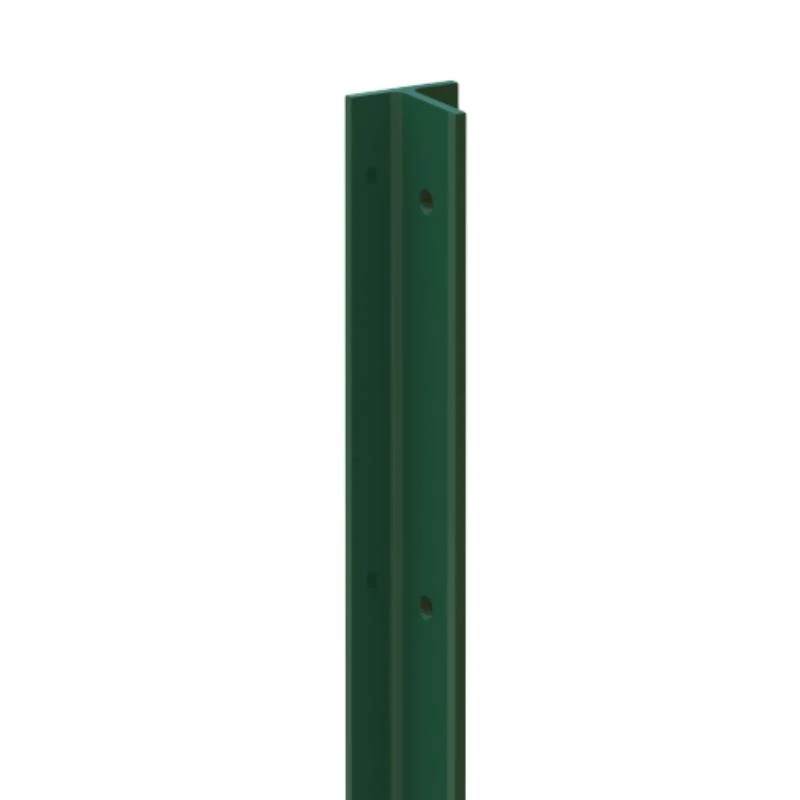
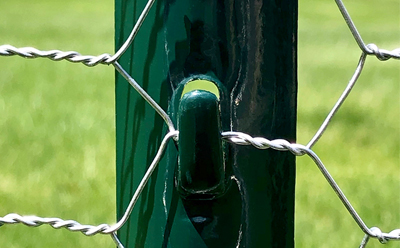
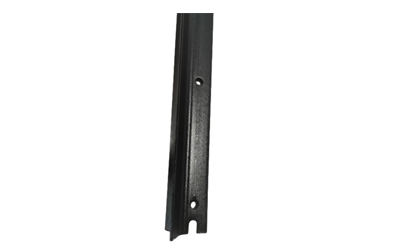
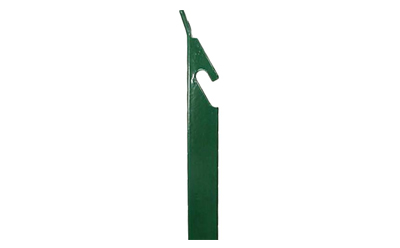
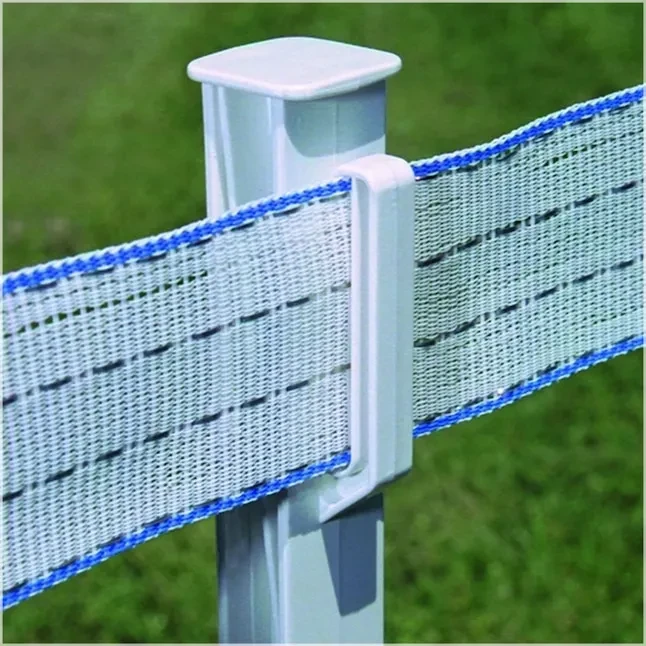
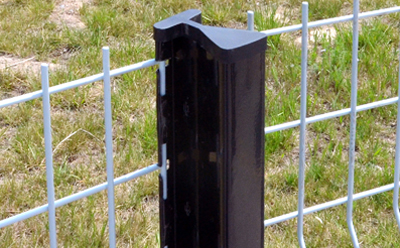
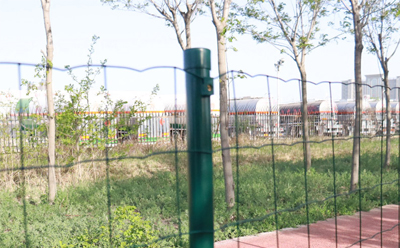
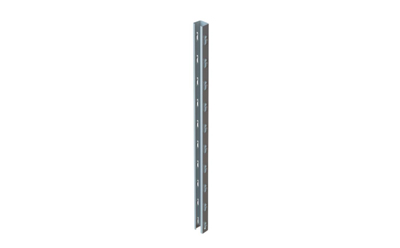
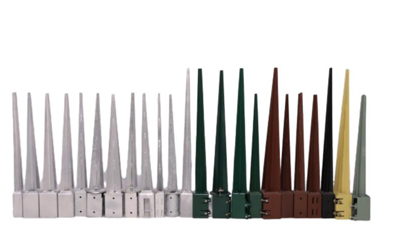
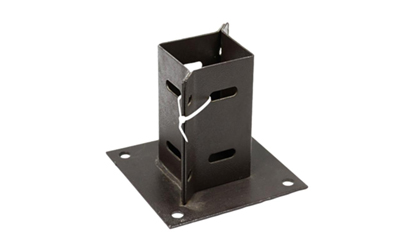
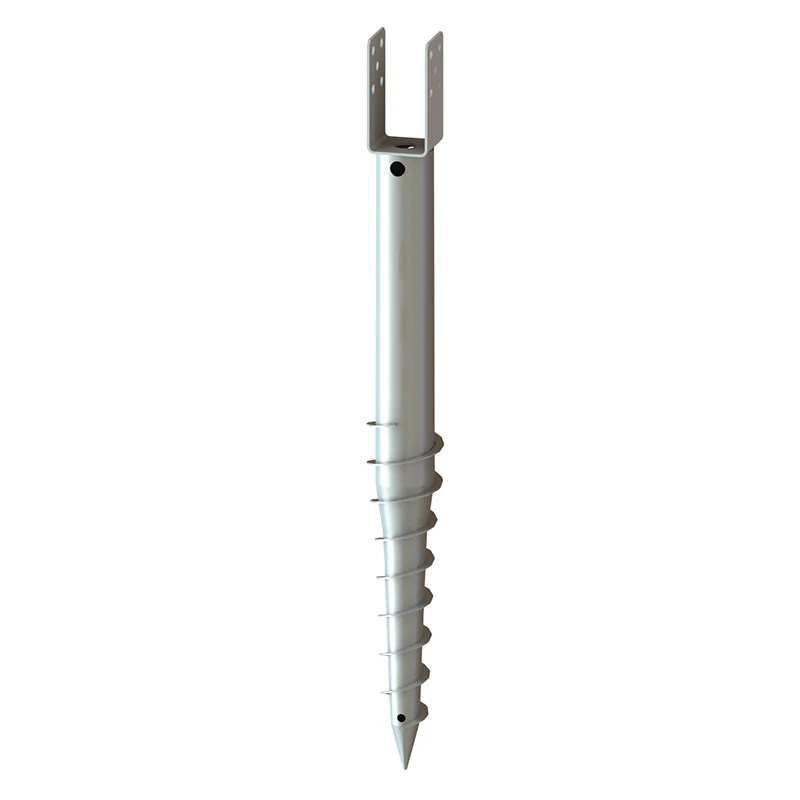
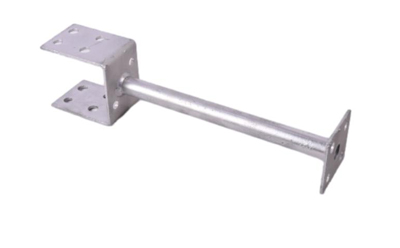
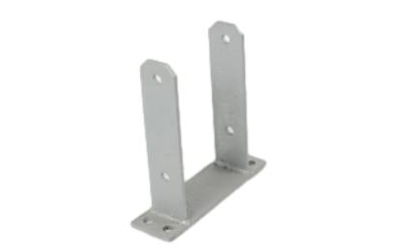
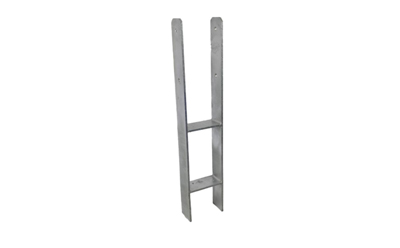
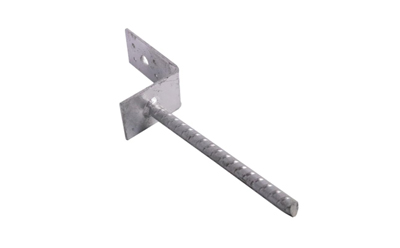
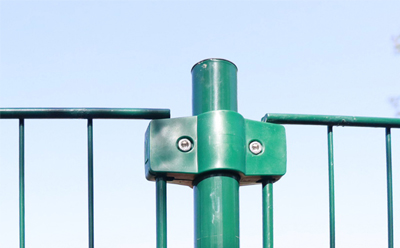
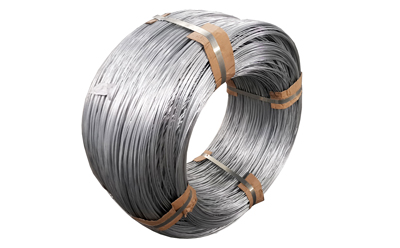
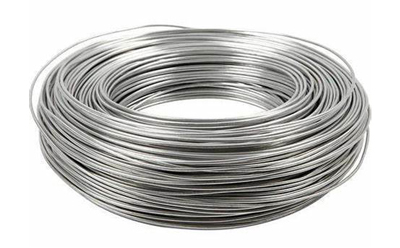
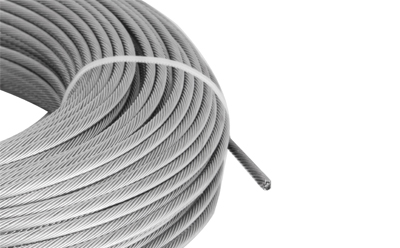
Simply put, vineyard poles are sturdy vertical supports used to train and hold grapevines upright. They form part of the trellis system—like a vine’s skeleton—guiding growth patterns, preventing lodging (plants falling over), and facilitating sun exposure and air circulation. Typical vineyard poles can be made from wood, metal, or composites, balancing strength, cost, and environmental impact.
This may seem straightforward, but vineyard poles tie directly into modern agricultural practices emphasizing sustainability, mechanization, and yield optimization. They also interact with humanitarian and rural development initiatives worldwide that promote smallholder farming and food security.
To sum it up, choosing vineyard poles isn’t just about the physical product; it’s an intersection of agricultural science and business sense.
Across Europe’s old-world vineyards and expanding South American estates, vineyard poles help shape the landscape of viticulture. In France’s Bordeaux region or California’s Napa Valley, quality poles ensure iconic grape varieties flourish under intense sun and variable rain.
In emerging wine-producing regions, like in parts of Africa and Asia, vineyard poles even support local economies and empower smallholder farmers, aiding development goals. Beyond traditional wine grapes, poles are adapted for other fruit crops needing similar structural support.
Interestingly, post-disaster rural renewals sometimes incorporate vineyard poles to quickly rebuild agricultural productivity, a low-tech but high-impact intervention.
Though they may seem traditional, vineyard poles increasingly benefit from technology and sustainability drives. Composites made from recycled plastics and fibers reduce environmental footprint while extending life. Some manufacturers experiment with sensor-embedded poles to monitor microclimate and plant stress digitally—oddly enough, turning poles into “smart” farming tools.
Moreover, precision agriculture and automation call for standardized, durable pole systems engineered for ease of mechanized installation and harvesting, meeting the demands of large-scale high-tech operations.
Despite advances, there remain hurdles. Wood poles can rot or break prematurely in humid or pest-heavy regions. Metal poles may corrode if treatments fail or are costly upfront. Installation labor sometimes strains smaller farms. In response, expert viticulturists suggest combining pole types or using modular anchoring systems to optimize resilience and cost.
Environmental certification and strict quality controls by suppliers also mitigate long-term risks—fostering trust within farming communities and markets.
| Material | Length (ft) | Diameter (in) | Lifespan (years) | Approx. Cost ($/pole) |
|---|---|---|---|---|
| Galvanized Steel | 7–10 | 1–1.5 | 25+ | 5–8 |
| Treated Wood (Pine) | 7–9 | 2–3 | 8–12 | 3–6 |
| Composite (Recycled Fiber) | 7–9 | 1.5–2 | 20+ | 6–9 |
| Supplier | Material Options | Price Range ($/pole) | Certifications | Service & Warranty |
|---|---|---|---|---|
| Hebe Metals | Galvanized Steel, Composite | 5–9 | ISO 9001, FSC Certified Wood Sources | 5-Year Warranty; Custom Solutions |
| EcoPole Inc. | Composite Only | 6–10 | LEED Compliant, Recycled Content Verified | 3-Year Warranty; Installation Guides |
| Woodland Supports | Treated Pine Wood | 3–7 | FSC Certified | 2-Year Warranty; Bulk Discounts |
Frankly, vineyard poles may not grab headlines, but their role in global viticulture, sustainability, and rural development is immense. Durable, efficient poles ensure that grapevines—and the communities behind them—thrive season after season. As innovation continues to blend tradition with sustainability and technology, vineyard poles remain foundational to a greener, more productive future.
Curious to explore high-quality vineyard poles tailored to your vineyard’s unique needs? Visit our website: https://www.hebeimetals.com for expert guidance and premium solutions.
Mini Takeaway: Choosing the right vineyard poles optimizes vine health, enhances yield, and supports sustainable farming practices—making them an unsung staple of viticulture worldwide.
References:
1. UN FAO: Viticulture Overview – www.fao.org
2. International Organization for Standardization (ISO) – www.iso.org
3. Wikipedia: Trellis (agriculture) – en.wikipedia.org/wiki/Trellis_(agriculture)



Copyright © 2026 Hebei Minmetals Co., Ltd. All Rights Reserved. Sitemap | Privacy Policy | Menu