

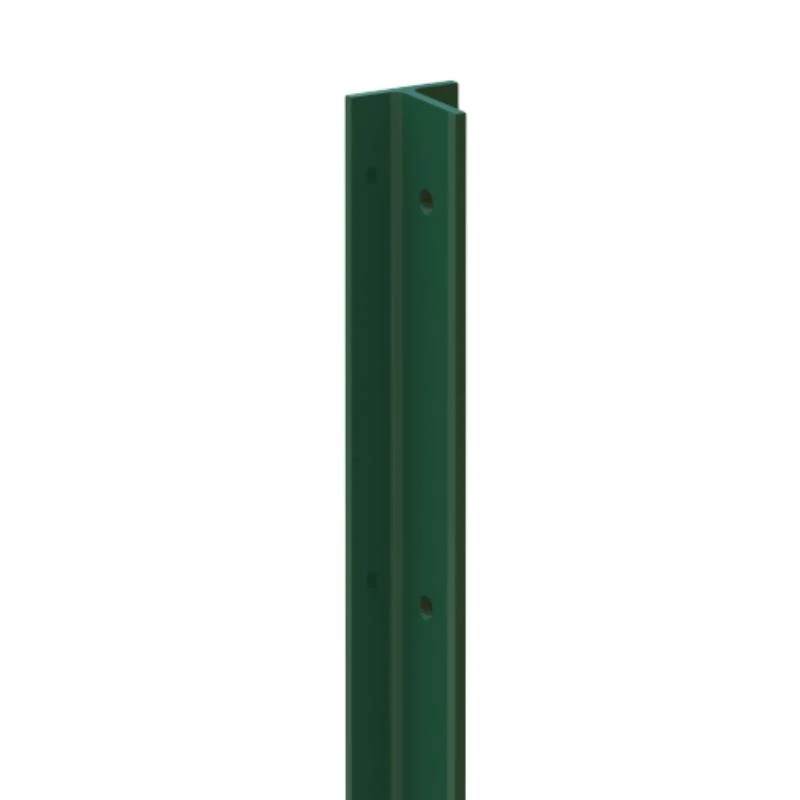
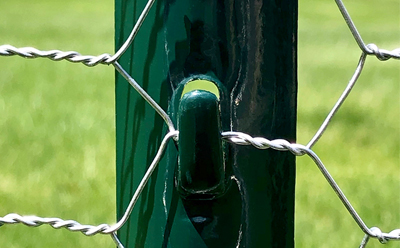
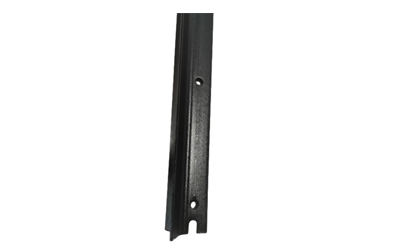
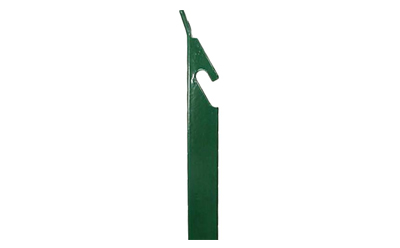
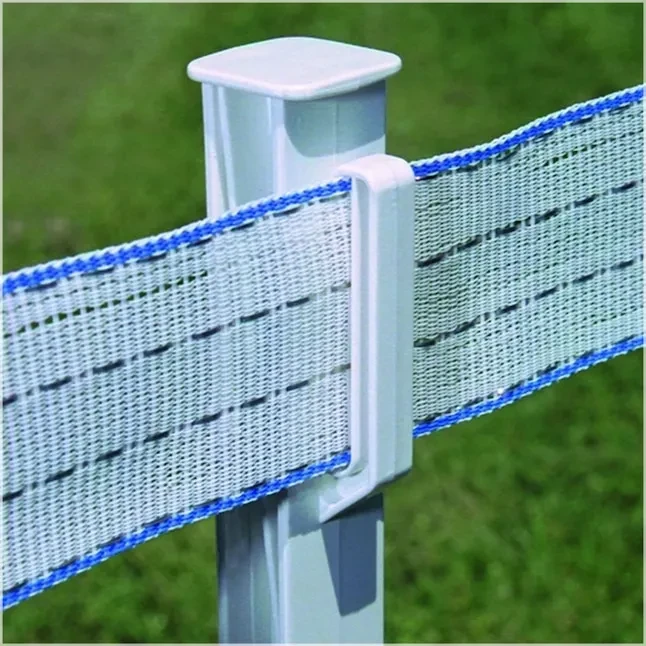
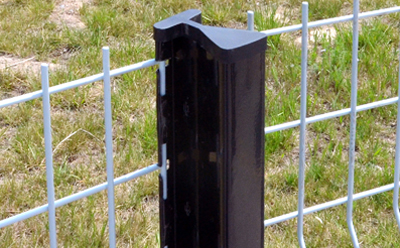
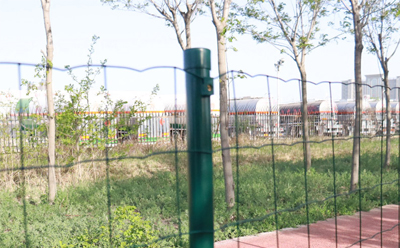
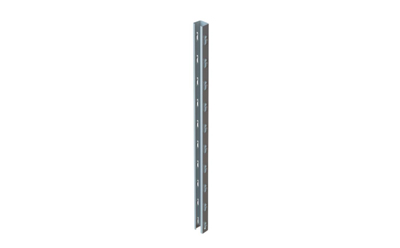
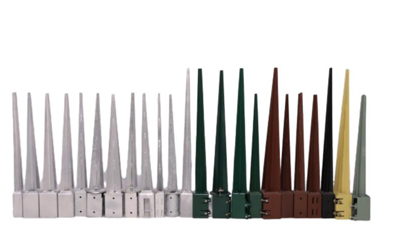
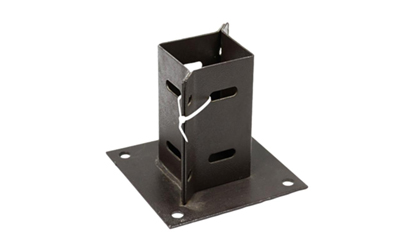
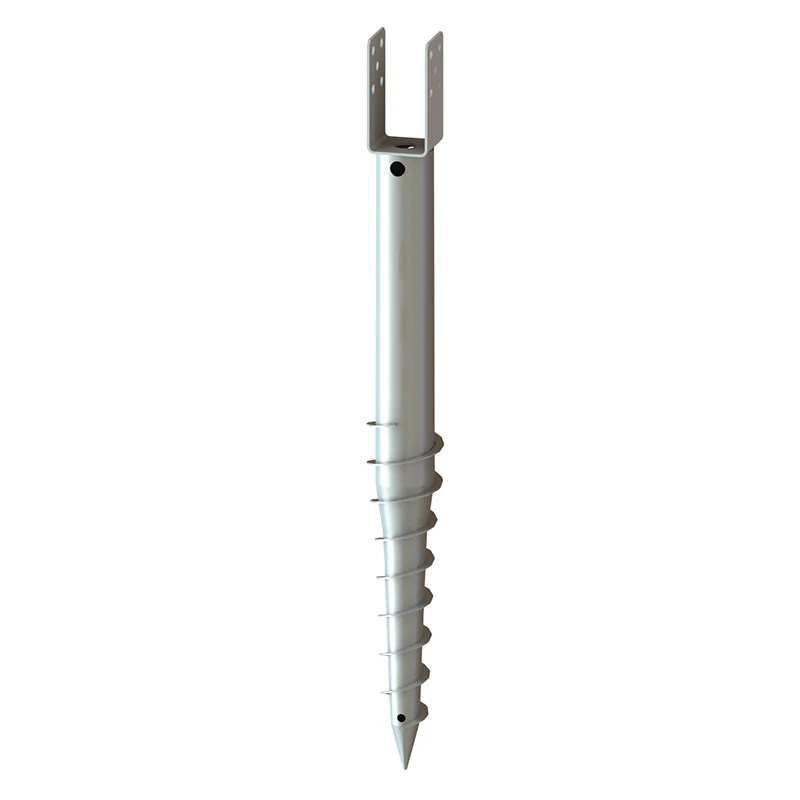
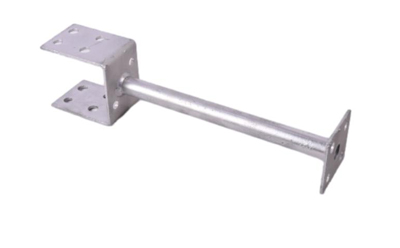
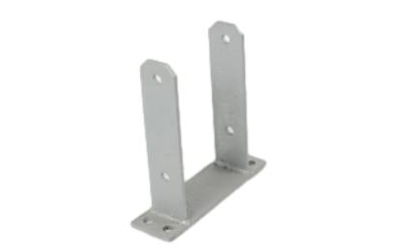
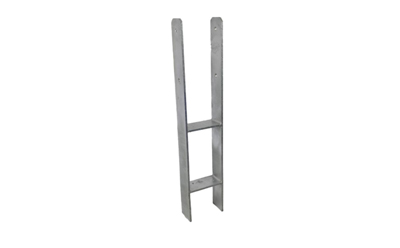
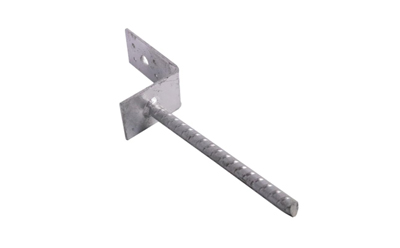
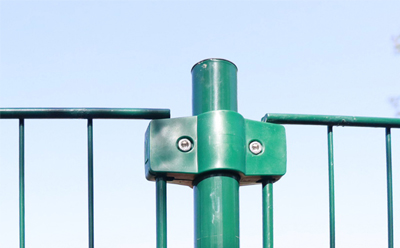













At first glance, vineyard trellis posts might seem like simple wooden or metal sticks holding grapevines up. But dig a bit deeper and you’ll find they’re pivotal to the success and sustainability of the global wine industry. Essentially, vineyard trellis posts for sale refer to the posts farmers purchase to create support systems that foster the healthy growth of grapevines. Why does this matter on a global scale? Because the quality and alignment of trellis posts directly influence grape yield, vine health, and even vineyard longevity—factors that ripple through to economies, cultural heritage, and climate-smart agriculture.
A solid grasp on vineyard trellis posts lets growers optimize their vineyards, which is vital as global wine demand steadily climbs. According to the International Organisation of Vine and Wine (OIV), worldwide vineyard area reached nearly 7.4 million hectares by the end of 2022, emphasizing the massive scale at which these seemingly modest posts perform.
The global viticulture landscape is expanding while navigating challenges like climate change, soil degradation, and sustainability pressures. Vineyard trellis posts for sale aren’t just agricultural supplies—they're vital tools to tackle these hurdles. Their materials, design, and durability determine how vineyards adapt to weather extremes and mechanization trends. And they impact labor needs, safety, and even carbon footprint.
For example, modern vineyards tend to favor metal or composite posts over traditional wooden ones because these offer enhanced longevity and lower maintenance. This aligns with the United Nations’ Sustainable Development Goals (SDGs), particularly those concerning responsible consumption, climate action, and sustainable agriculture.
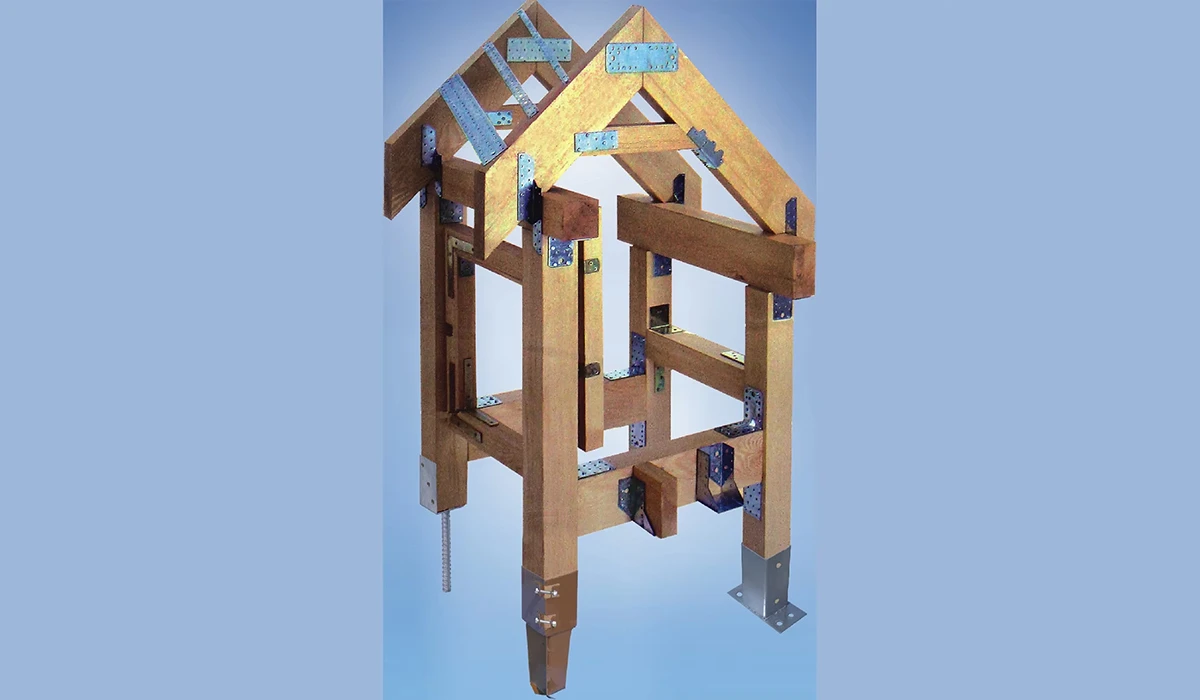
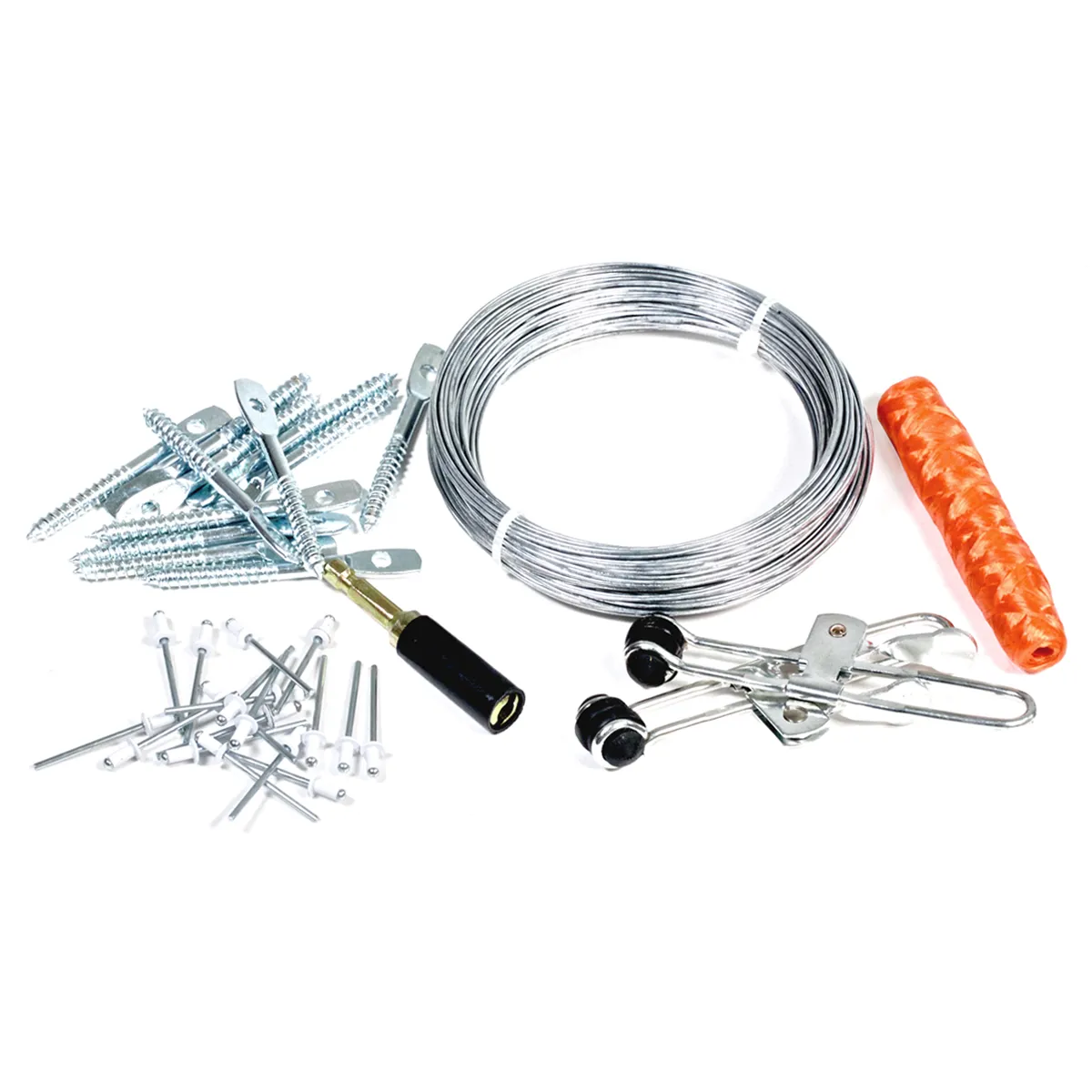
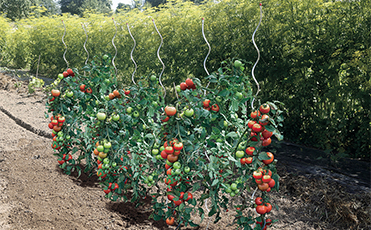
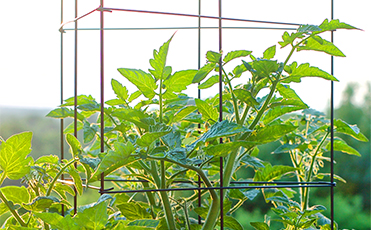
Simply put, vineyard trellis posts are vertical supports embedded into vineyard rows used to train grapevines upward and outward, facilitating optimal sunlight, air circulation, and harvesting efficiency. They're part of a larger trellis system that includes wires and fasteners, which together structure the vine’s growth.
Purchasing vineyard trellis posts means acquiring the backbone of this whole support architecture. A good trellis post system can reduce vine breakage, disease incidence, and labor costs. Oddly enough, this “small” component influences how vineyards perform globally in commercial, sustainable, and even experimental setups.
The most common materials are wood, galvanized steel, aluminum, and fiberglass. While wooden posts are traditional and cost-effective, they suffer from rot and pest damage over time. Metal posts offer longer lifespans — often exceeding 20 years — and withstand wind, moisture, and mechanical vibration better.
Initial purchase price versus long-term maintenance is a balancing act. Although steel or composite posts can be pricier at the start, their long service life often translates to savings, especially in large commercial vineyards.
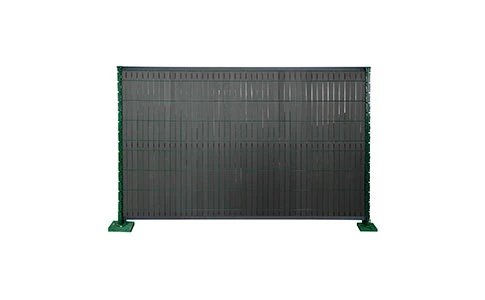
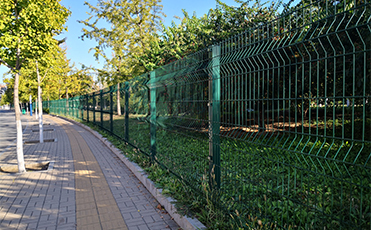
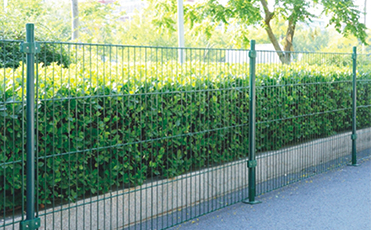
Different vineyards require unique setups. Some benefit from lightweight panels and posts for rapid installation, critical for expansions or quick replacements. Others prioritize heavy-duty systems compatible with mechanized harvesting equipment.
Materials sourced responsibly and options that avoid toxic treatments contribute to sustainability. Recyclability and the carbon footprint of manufacture also matter, as consumers increasingly value eco-conscious practices.
The posts must align well with local varietals, climate conditions, and trellis wire types — this ensures maximum vine support without restricting growth.
| Specification | Wooden Post | Galvanized Steel Post | Fiberglass Post |
|---|---|---|---|
| Typical Length | 6-8 feet | 7-10 feet | 6-8 feet |
| Durability | 5-10 years (prone to rot) | 20+ years (corrosion resistant) | 15+ years |
| Weight | Light to moderate | Heavy | Light |
| Maintenance | Frequent sealing/treatment | Low | Low |
| Environmental Impact | Biodegradable but resource-heavy | Recyclable steel | Non-biodegradable but long lasting |
Mini takeaway: Selecting the right vineyard trellis posts involves a blend of durability, cost, environmental impacts, and vineyard-specific needs.
When sourcing vineyard trellis posts for sale, growers often choose between local agricultural suppliers and specialized industrial manufacturers. Here’s a quick look at three common vendor types:
| Vendor | Material Options | Price Range | Customization | Shipping Regions |
|---|---|---|---|---|
| HebeMetals Co. | Steel, Fiberglass | $$ - Midrange | High (sizes & coatings) | Global vineyard trellis posts for sale |
| Timber Traditions | Wood (various species) | $ - Budget | Low (standard lengths) | Regional |
| Global AgriTech | Composite, Aluminum | $$$ - Premium | Very High (tech integrated) | Global |
Mini takeaway: Each vendor type balances price, durability, and geographic reach differently, affecting the choice based on vineyard scale and budget.
From the cool climate vineyards of France to the sunnier stretches of Australia’s Barossa Valley, vineyard trellis posts are a universal language of support. In high-altitude Andean vineyards, steel posts resist extreme winds and UV exposure. In California’s Napa Valley, many estates mix wooden and metal posts allowing stylistic variation yet retaining function.
Oddly enough, in some emerging wine regions, vineyard trellis posts for sale come paired with innovations like automated wire tensioning and remote monitoring sensors, blending tradition with technology. Organizations focusing on sustainable agriculture have encouraged use of recyclable posts to reduce vineyard environmental footprints, especially in Europe.
It’s fascinating how these structural elements foster both logical efficiency and an almost emotional connection to the land, safety, and legacy the vineyard embodies.
Looking ahead, the vineyard trellis posts market is embracing greener materials—biocomposites that fuse plant fibers with resins are gaining ground. Digital transformation is seen in posts embedded with sensors tracking moisture and tension to enable smart irrigation and pruning decisions. Automation-friendly designs also respond to the growing mechanization trend across large vineyards worldwide.
The main challenges are environmental wear, variable soil conditions, and balancing budget with performance. However, advances such as corrosion-resistant coatings and modular posts for quick replacements are mitigating these issues. Experts also recommend precise soil mapping pre-installation to select appropriate post depth and materials.
Vineyard trellis posts, though often overlooked, are critical pillars supporting the world’s vineyards — literally and figuratively. Choosing the right posts shapes not only vine health but also impacts cost efficiency, sustainability, and vineyard longevity. If you’re seeking quality vineyard trellis posts for sale with reliable global delivery and customization, HebeMetals is a great place to start.
Invest wisely today and watch your vineyard thrive for decades to come.
Reflection: Often, the most unassuming components hold the greatest sway over entire industries. Vineyard trellis posts may not seem glamorous, but they’re foundational to agriculture’s future.



Copyright © 2026 Hebei Minmetals Co., Ltd. All Rights Reserved. Sitemap | Privacy Policy | Menu