















At first glance, vineyard trellis end posts might not command headlines or attract much spotlight. Yet, these unassuming components play an outsized role in modern viticulture, supporting the very framework where grapevines thrive. They’re a critical factor in ensuring healthy vine growth, yield consistency, and, frankly, the sustainability of vineyards worldwide. Given the global rise in demand for wine and table grapes—an industry valued at over $300 billion yearly according to the International Organisation of Vine and Wine (OIV)—it’s crucial to understand vineyard trellis end posts. They influence not only productivity but environmental stewardship and economic viability in many agricultural communities.
The wine industry is highly globalized: vineyards stretch from the rolling hills of France to the sunny valleys of California, from the emerging regions in China to traditional plots in South America. Grape production is subject to many challenges such as climate change, soil erosion, and labor shortages. The role of vineyard trellis end posts here is more than structural; they represent a solution to improve efficiency and reduce losses. According to the Food and Agriculture Organization (FAO), vineyard optimization helps smallholder farmers stabilize incomes—a vital component for rural economic development and food security. Yet, many growers still struggle with end-post durability, installation labor costs, and environmental impact, issues that advanced trellis post technology can address.
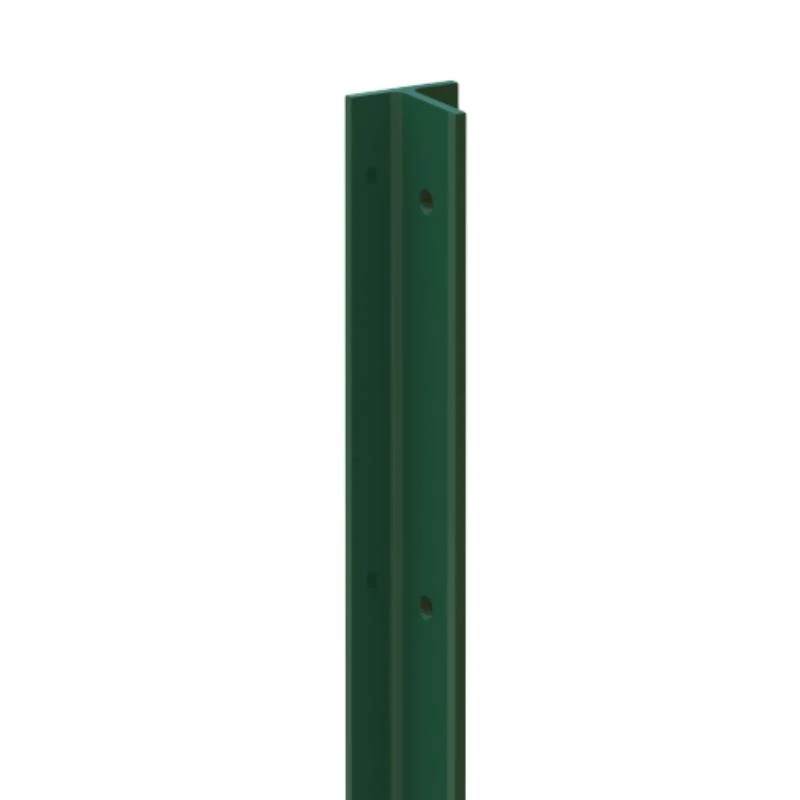
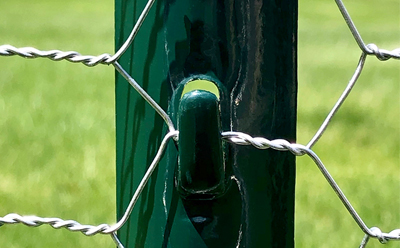
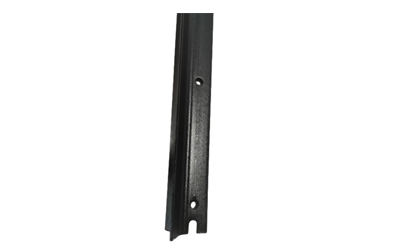
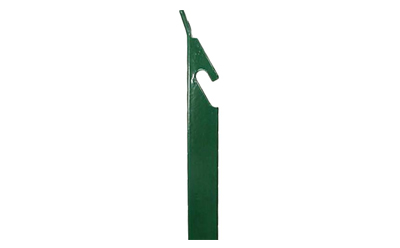
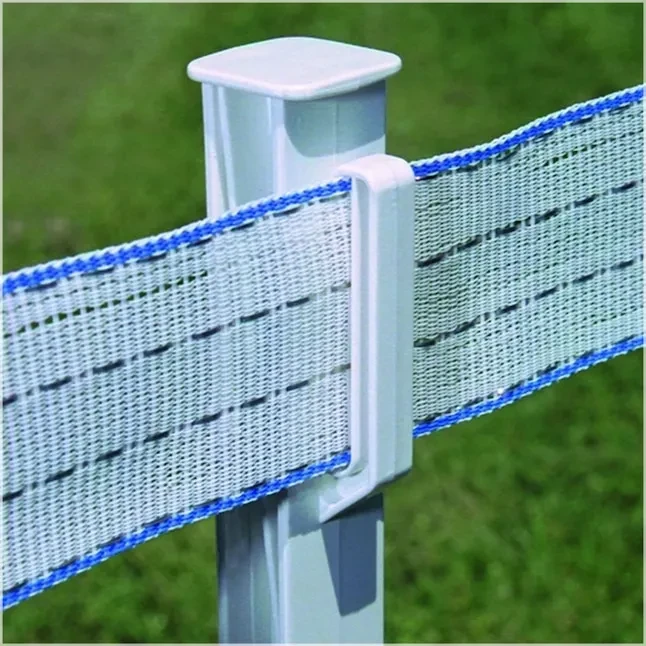
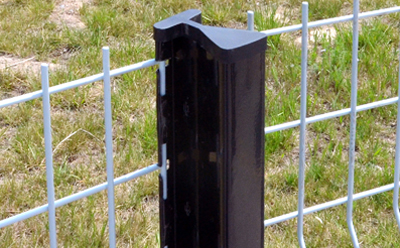
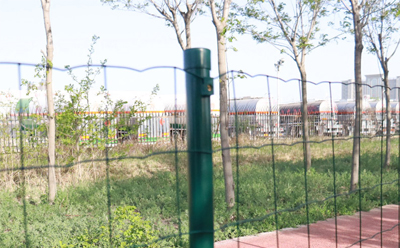
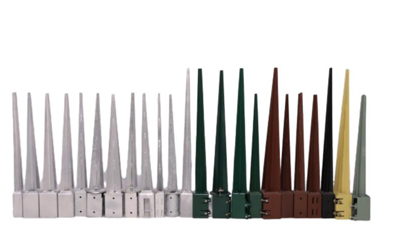
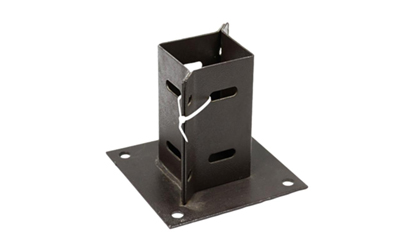
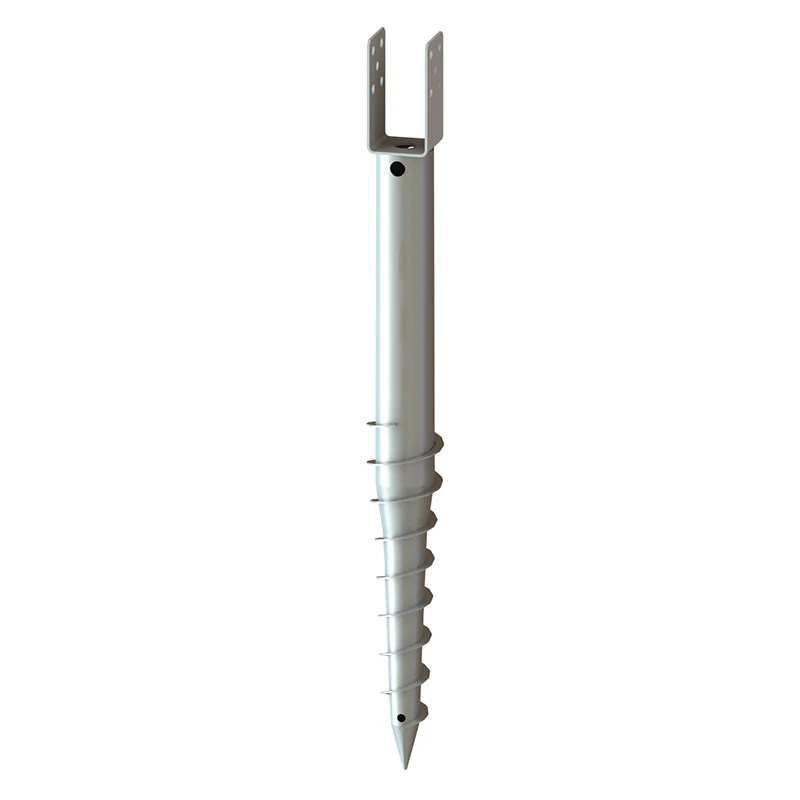
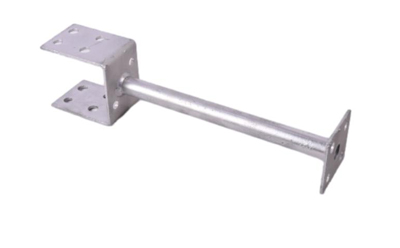
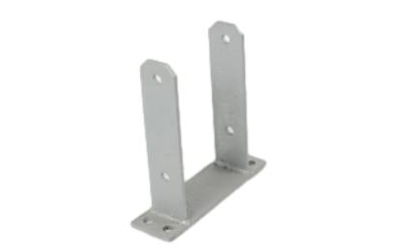
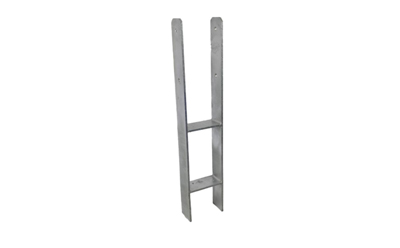
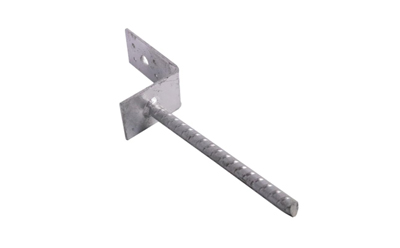
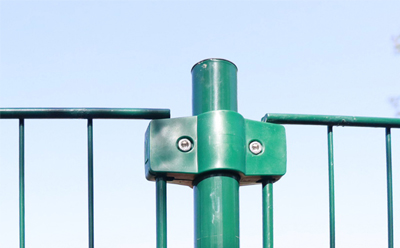
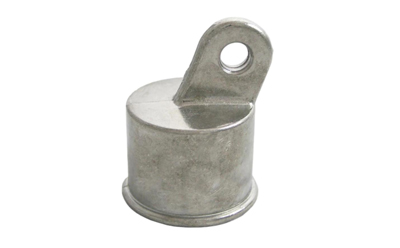
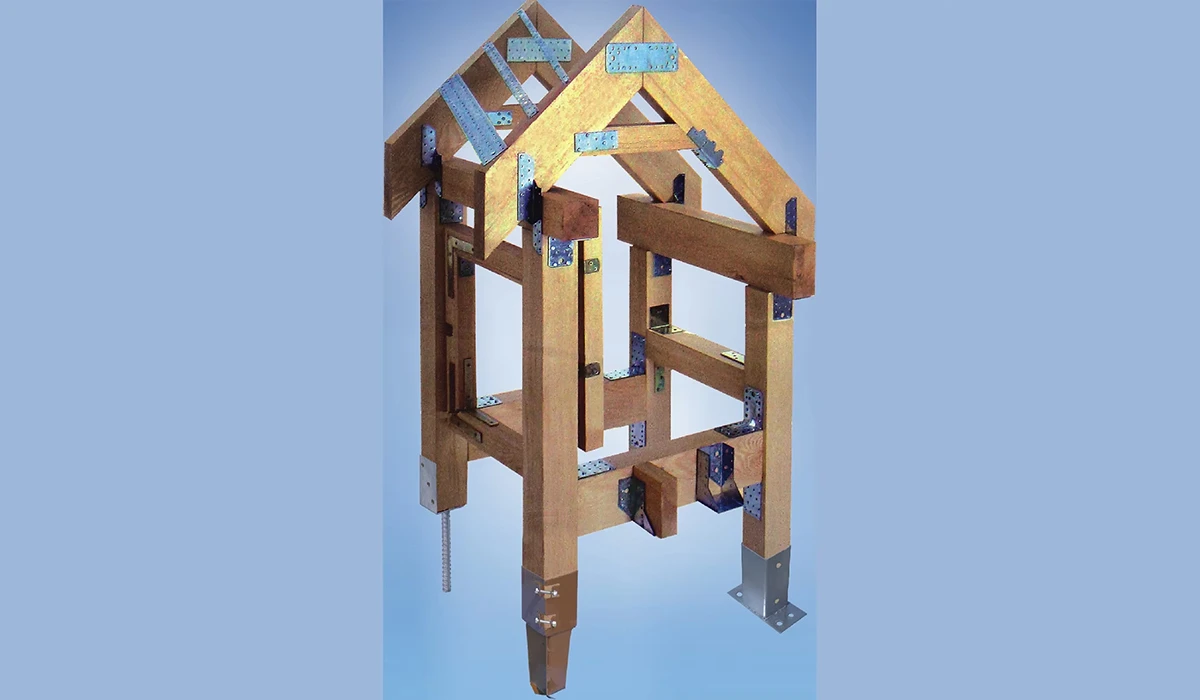
Simply put, vineyard trellis end posts are sturdy vertical supports installed at the ends or corners of a vineyard row system, holding up wiring or cable that trains grapevines. Unlike the intermediate posts spaced uniformly between rows, end posts bear greater tension and thus must be more robust. They are usually made from materials like treated wood, galvanized steel, or composite plastics to withstand weather, pests, and mechanical stress. The better the quality and installation of these posts, the longer the vineyard infrastructure lasts—which means fewer interruptions and lower maintenance costs.
In real-world vineyard management, end posts are the anchor points that maintain row alignment and canopy structure. Modern viticulture increasingly relies on mechanization and automation (like robotic pruning and harvesting), which demands ultra-consistent trellis structures. So, vineyard trellis end posts aren’t just about tradition; they’re essential to adopting new tech and improving labor efficiency.
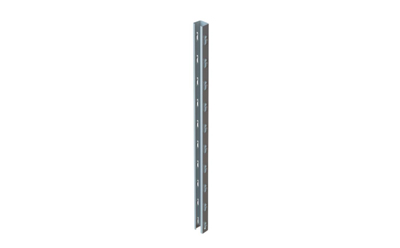
Wood has been a traditional favorite due to its availability and lower cost. But untreated timber deteriorates quickly under sun, wind, rain, and biological agents. That’s why treated wood or galvanized steel end posts are often preferred for longer life. Steel posts resist pests and rot but may corrode without proper galvanization. Composite materials, while pricier, offer excellent weather resistance and longevity.
The end posts need to handle heavy tension since they anchor the wire that supports vine growth. Posts that flex or lean compromise the trellis system, affecting vine health. Industry standards such as those by the International Organization for Standardization (ISO 62045) outline testing methods to ensure posts can withstand seasonal loads, including wind and mechanical harvesting forces.
Initial installation costs vary dramatically by material choice—from economical wooden posts to premium composites. However, getting the lowest upfront price can backfire if posts require frequent replacement or repair. Lifecycle cost assessments often favor galvanized steel, balancing cost with durability. Proper installation techniques and protective coatings also reduce maintenance needs.
Sustainable viticulture increasingly considers the carbon footprint of farm infrastructure. Trellis end posts made from recycled or sustainably harvested materials add to a vineyard’s green credentials. Additionally, longer-lasting posts mean fewer resources consumed over time.
Ease of installation matters—especially in steep or remote vineyard sites—and impacts labor expenses. Modular or prefabricated steel posts reduce setup time. Furthermore, scalability is crucial when expanding vineyard acreage or switching varieties that require different trellis heights or strengths.
| Specification | Wooden Posts | Galvanized Steel Posts | Composite Posts |
|---|---|---|---|
| Typical Length | 2.4 to 3.0 meters | 2.7 to 3.2 meters | 2.5 to 3.0 meters |
| Durability (Years) | 5–10 (treated) | 15–25+ | 20–30+ |
| Weight | Approx. 15–20 kg | Approx. 10–15 kg | Approx. 8–12 kg |
| Maintenance | High | Low | Very Low |
| Environmental Impact | Medium (depends on treatment) | Low (recyclable) | Very Low (often recycled) |
| Vendor | Material Focus | Lead Time | Customization | Warranty |
|---|---|---|---|---|
| Hebe Metals | Galvanized Steel | 2–3 weeks | Yes, size & coating options | 10 years structural |
| VineGuard Supplies | Treated Wood | 1–2 weeks | Limited | 5 years |
| EcoPosts Ltd. | Composite Materials | 3–4 weeks | Yes, color & length | 15 years |
Vineyards across Europe, North and South America, South Africa, and Australasia rely heavily on reliable trellis end posts for crop optimization. For example, in California’s Central Valley, end posts have been adapted to withstand frequent windstorms. In Italy’s Tuscany, traditional wooden posts are being replaced by steel to reduce labor in restoration phases. Oddly enough, emerging vineyards in China and Chile are experimenting with composites to balance cost with environmental sustainability.
Beyond wine grapes, some experimental farms use vineyard trellis systems in agroforestry and permaculture designs, showcasing the versatility of these posts in supporting diverse plant species and soil preservation.
Looking ahead, vineyard trellis end posts will likely incorporate smart materials—such as self-healing composites or embedded sensors—that monitor tension and environmental conditions. The push for greener agriculture means recycled plastics and corrosion-resistant alloys will gain popularity. Digitally-enabled installation tools and AI-driven maintenance schedules might soon become the norm.
Of course, challenges remain. The upfront investment for premium posts can deter smaller growers, and installation in rugged terrain can be slow and costly. Experts suggest modular post systems with adjustable tensioning can help reduce custom labor. Also, initiatives to subsidize sustainable agricultural infrastructure under UN programs may ease financial constraints.
Vineyard trellis end posts might be simple in concept, yet they form the backbone of successful and sustainable grape growing worldwide. Choosing the right material and design directly impacts costs, vineyard health, and environmental outcomes. If you're looking to upgrade or build a new vineyard infrastructure, exploring options like galvanized steel or composite posts can provide long-term value and peace of mind. Curious to learn more? Don’t hesitate to visit our website at vineyard trellis end posts for detailed product offerings and expert advice.
Mini takeaway: The best vineyard trellis end posts blend strength, durability, and sustainability, supporting vines—and vintners—for decades.



Copyright © 2026 Hebei Minmetals Co., Ltd. All Rights Reserved. Sitemap | Privacy Policy | Menu