






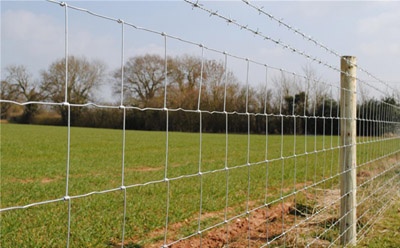
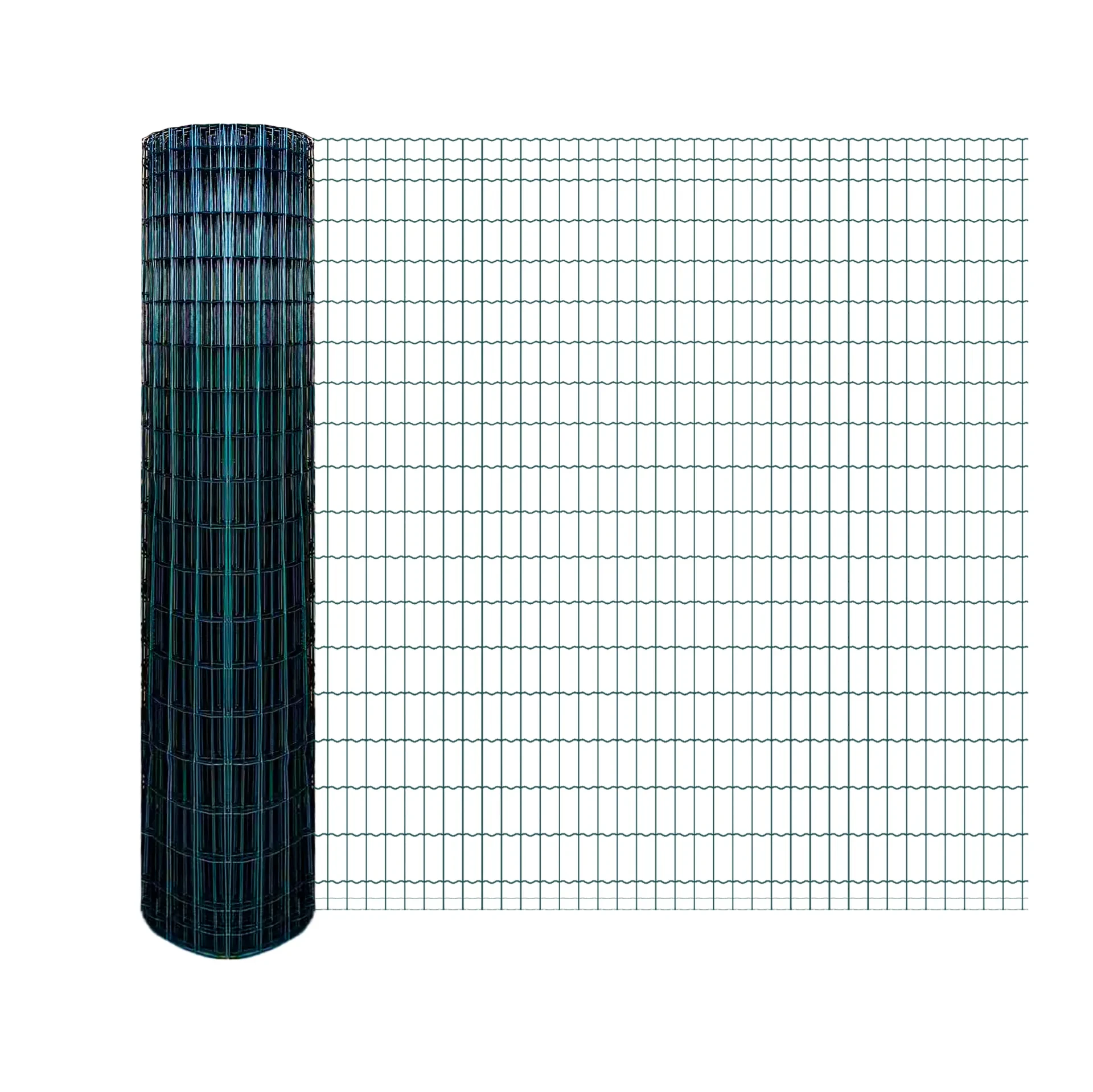
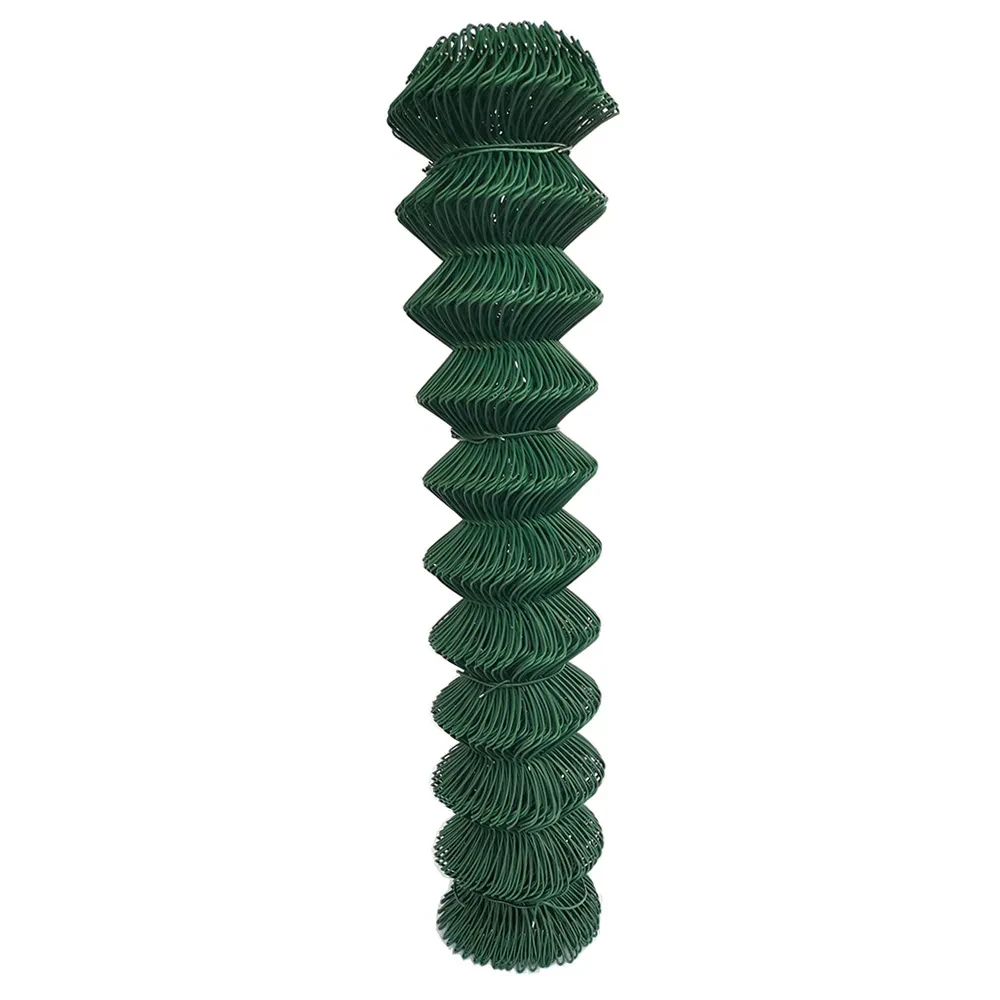


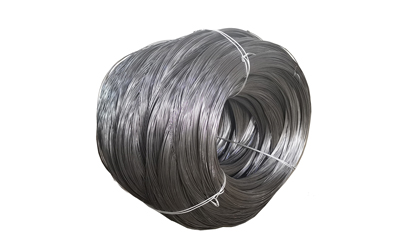
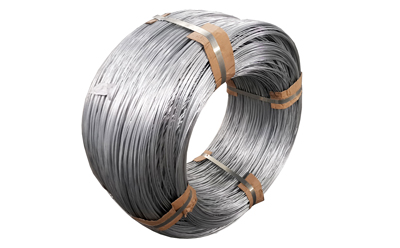
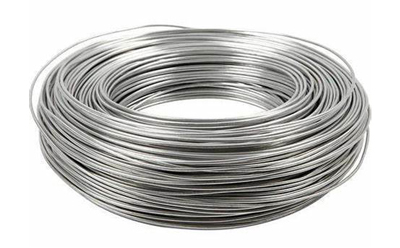



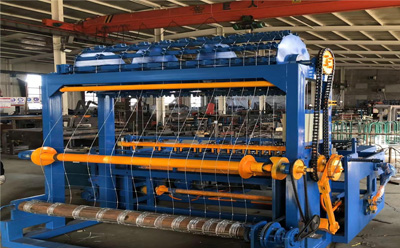
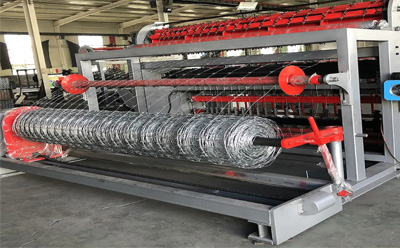
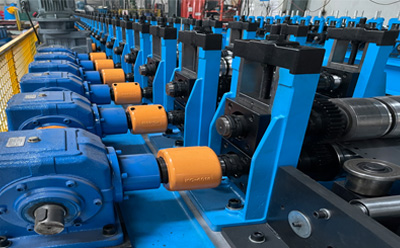
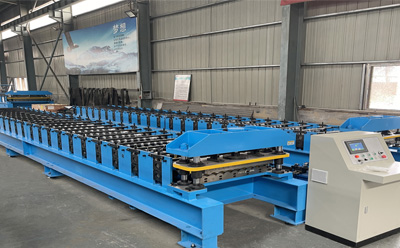















If you’re into viticulture, or just curious about how vineyards stay productive year after year, you’ve probably crossed paths with the term “grape vine trellis posts.” But why should this seemingly humble element capture our attention beyond the vineyard? Well, it’s actually a small keystone in a global agricultural system that feeds millions and supports rural economies worldwide. With smart trellis systems, growers can boost yields, improve grape quality, and extend the lifespan of their vines — all while cutting down on labor and costs. Small component, big impact.
Did you know grape production exceeds 77 million metric tons annually? According to Food and Agriculture Organization (FAO) data, nearly half of this is destined for wine, table grapes, and raisins. Behind these stats, delicate trellis frameworks made of sturdy posts provide the scaffolding for this sprawling grape-growing network.
However, global vineyards face challenges such as climate change, disease pressure, and economic constraints. Robust grape vine trellis posts help solve these by supporting more resilient vine structures, improving air circulation, and optimizing sunlight capture — essential factors for a healthy crop. Considering the World Bank reports over half a billion people rely on agriculture for livelihood, innovations here propagate effects way beyond the farm.
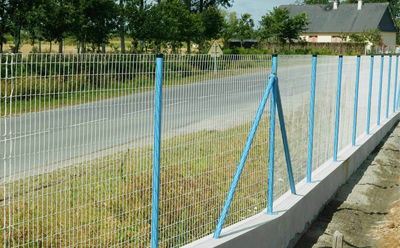
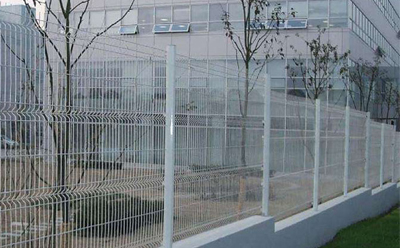
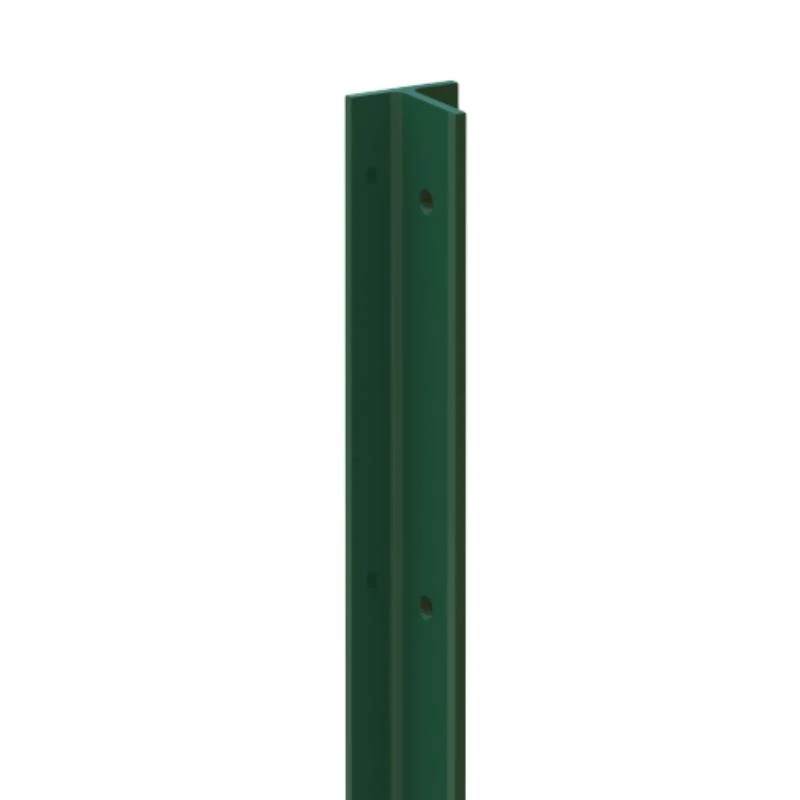
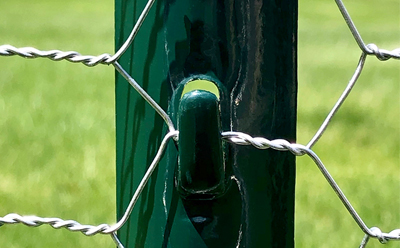
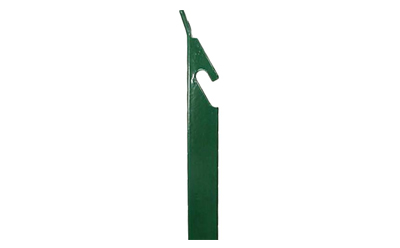
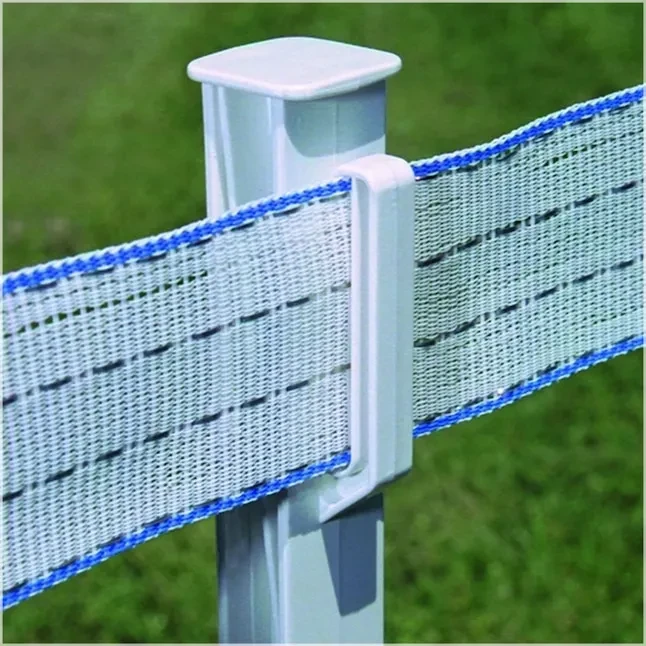
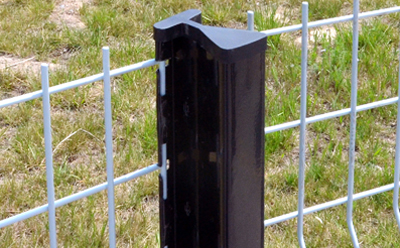
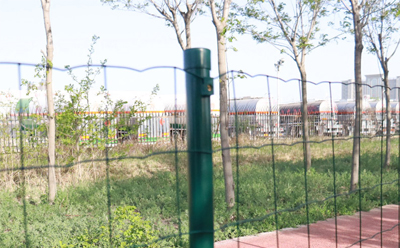
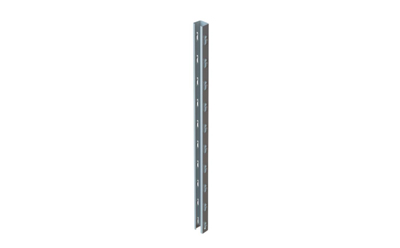
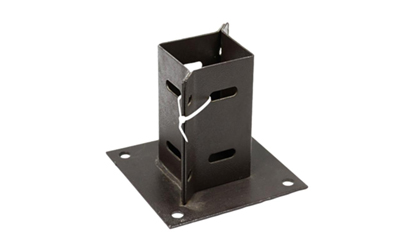
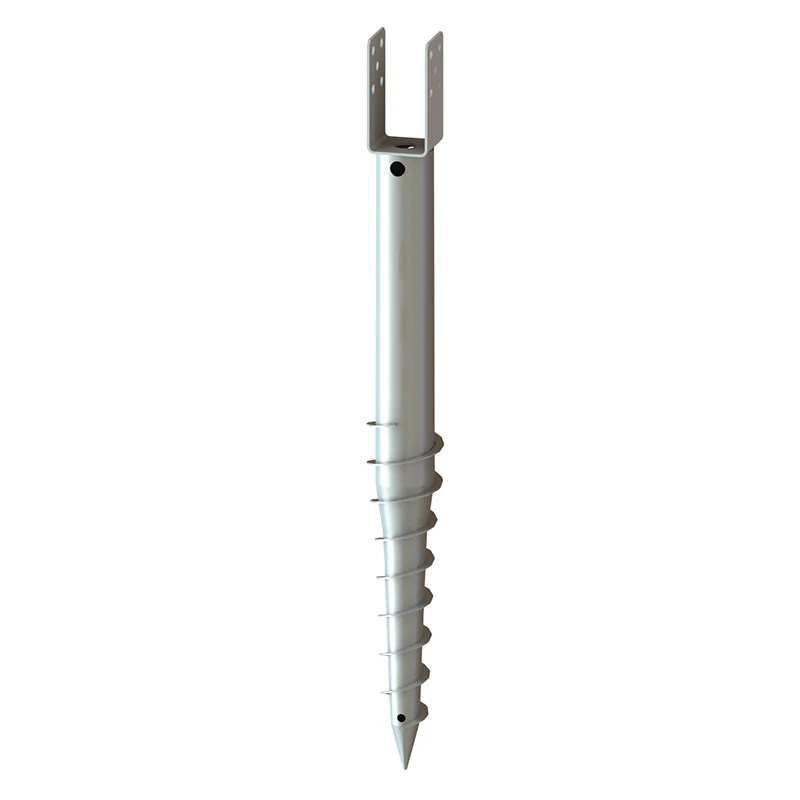
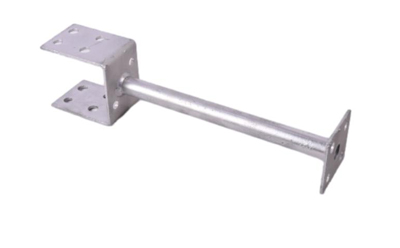
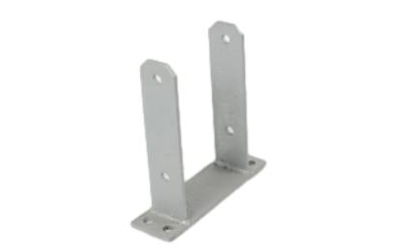
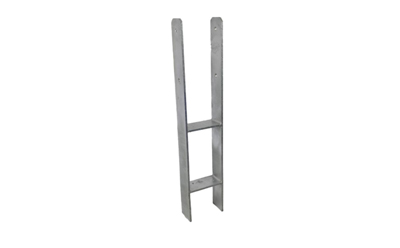
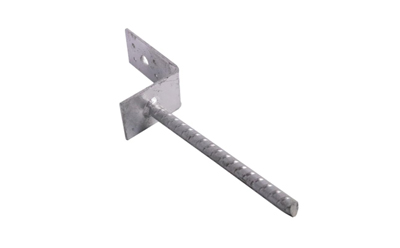
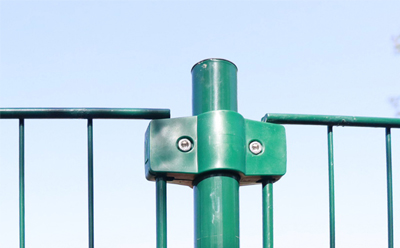
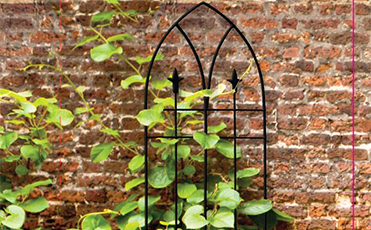
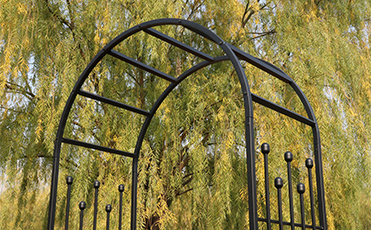
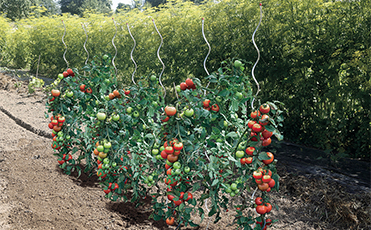
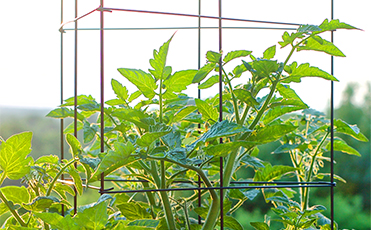
Simply put, grape vine trellis posts are vertical supports embedded in the soil to hold up wire or wood framework which the grapevines climb on. They keep the vine’s canopy organized, support fruit load, and facilitate vineyard maintenance like pruning and harvesting.
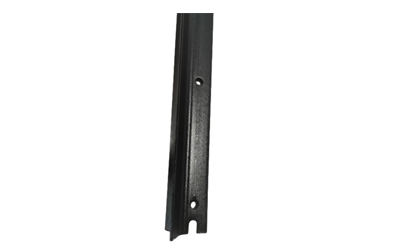
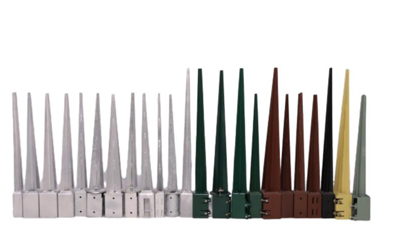
Usually made from treated wood, metal, or composite materials, these posts have to resist weathering, pests, and mechanical stress for years — sometimes decades. Modern viticulture leans heavily on these posts not just for structural reasons but as part of broader sustainability agendas aimed at reducing chemical use by enhancing vine health naturally.
Whatever material you pick, the post needs to hold through strong winds, heavy fruit loads, and relentless sunlight. Pressure-treated timber resists rot and insects, while galvanized steel options excel in longevity with minimal maintenance. Many growers swear by composite posts that combine durability with lightness.
Initial investment and lifecycle costs factor heavily into choosing posts. Wooden posts can be cheaper upfront but may require replacement much sooner. Steel posts tend to have a higher initial price but often prove economical over time due to durability, lowering labor and replacement costs.
Posts must be easy to install and compatible with mechanical vineyard equipment. Scalability matters: as vineyards grow or shift toward precision agriculture, posts and trellis systems should support new layouts or automation. Providers that offer modular or customizable posts gain an edge here.
Growth in eco-conscious viticulture means posts increasingly must’t just last but be sustainably sourced or recyclable. Certifications like FSC for wood or manufacturers’ recycling programs add value for growers focused on reducing their carbon footprint.
Frequent repairs or replacements can quickly add up, so a low-maintenance post means better operational efficiency. The right choice helps avoid interruptions in vineyard management and can reduce chemical treatments for pest or fungal control.
For real-world users, all these factors tie back to one primary goal: stable, healthy vines that yield excellent grapes season after season. Performance and cost-effectiveness often trade-off, and each vineyard owner’s decision balances climate, budget, and desired grape quality.
Across Europe, Asia, the Americas, and Africa, trellis posts shape vineyard efficiency. For instance, in France’s Bordeaux region, wooden posts remain popular for their aesthetic and compatibility with traditional practices. Meanwhile, California's sprawling vineyards tend to use galvanized steel for longevity amid drought and pest pressures.
In emerging wine regions like South Africa and Chile, locally sourced wood posts help smallholders reduce costs, enabling wine production that sustains rural communities. Larger wineries often turn to composite posts, which resist termite damage and extreme weather common in tropical latitudes.
Some NGOs working in disaster-hit agricultural zones also provide trellis materials to restore vineyards quickly, protecting livelihoods and promoting food security.
| Material | Length (ft) | Diameter (inches) | Weight (lbs) | Lifespan (years) | Price (per post) |
|---|---|---|---|---|---|
| Treated Wood | 8 | 3 | 12 | 7-10 | $4.50 |
| Galvanized Steel | 8 | 2 | 9 | 20+ | $12.00 |
| Composite | 8 | 2.5 | 7 | 15+ | $15.00 |
Beyond just “holding up wires,” these posts play a pivotal role in vineyard ecology and economics. They:
It’s not just about profitability but creating a system where everyone benefits—the growers, consumers, and even the environment.
Innovation isn’t sleeping here. Smart trellis posts equipped with IoT sensors for monitoring moisture, strain, and pest damage are becoming a thing. Biodegradable composite materials are making strides, with R&D aimed at reducing plastic waste without compromising strength.
Also, climate-adaptive posts designed to reflect excess heat or better withstand storms signal a growing trend. The push toward eco-certification and integrated digital farm management means grape vine trellis posts of tomorrow aren’t just supports—they’re technology hubs in miniature.
Despite their benefits, grape vine trellis posts face some hurdles:
How to tackle these? Experts suggest subsidized programs for smallholders, modular and lightweight posts that speed installation, and hybrid material designs blending durability with cost savings. Plus, increasing use of local materials helps reduce transport impact and expenses.
| Company | Material Options | Price Range | Customization | Sustainability Practices |
|---|---|---|---|---|
| Hebe Metals | Steel, Composite | $$$ | Custom lengths, coatings | Recycling programs |
| GreenWood Posts Ltd. | Treated Wood | $ | Standard models only | FSC certified wood |
| EcoTrellis Innovations | Biocomposite, Steel | $$ | Design partnerships | Sustainability focused R&D |
It depends on climate, budget, and vineyard size. Treated wood is budget-friendly for small farms; galvanized steel suits harsh weather and longevity needs, while composite posts offer a premium, low-maintenance, and eco-friendly option. Consulting with a supplier like grape vine trellis posts specialists helps match your needs precisely.
Depending on material, you can expect anywhere from 7 years (treated wood) to over 20 years (galvanized steel). Composites usually range around 15+ years. Proper installation and maintenance also play a big role in longevity.
Many composites use recycled plastics and fibers, reducing waste and conserving resources. While not biodegradable, their extended lifespan reduces replacements, a win for sustainability. Certifications and manufacturer transparency are key to verifying eco-claims.
Metal posts are often salvageable if carefully removed, but wooden posts risk damage during extraction. Some growers plan vineyard layouts with future reuse in mind, especially when budgets are tight.
Importing involves compliance with local phytosanitary rules if posts are wooden, tariff considerations, and logistics. Partnering with experienced suppliers like grape vine trellis posts manufacturers who handle export documentation can smooth the process significantly.
In the grand scheme, these support posts might seem small. But when you step back, they’re fundamental pillars bolstering a global food and beverage ecosystem, enabling vineyards to thrive sustainably and innovate continuously. Whether you’re a vineyard manager, wine enthusiast, or supply chain professional, understanding grape vine trellis posts offers fresh perspective on how tiny details sustain big dreams.
Curious to explore more or source your next batch? Visit https://www.hebeimetals.com for expert guidance and top-quality products.



Copyright © 2026 Hebei Minmetals Co., Ltd. All Rights Reserved. Sitemap | Privacy Policy | Menu