

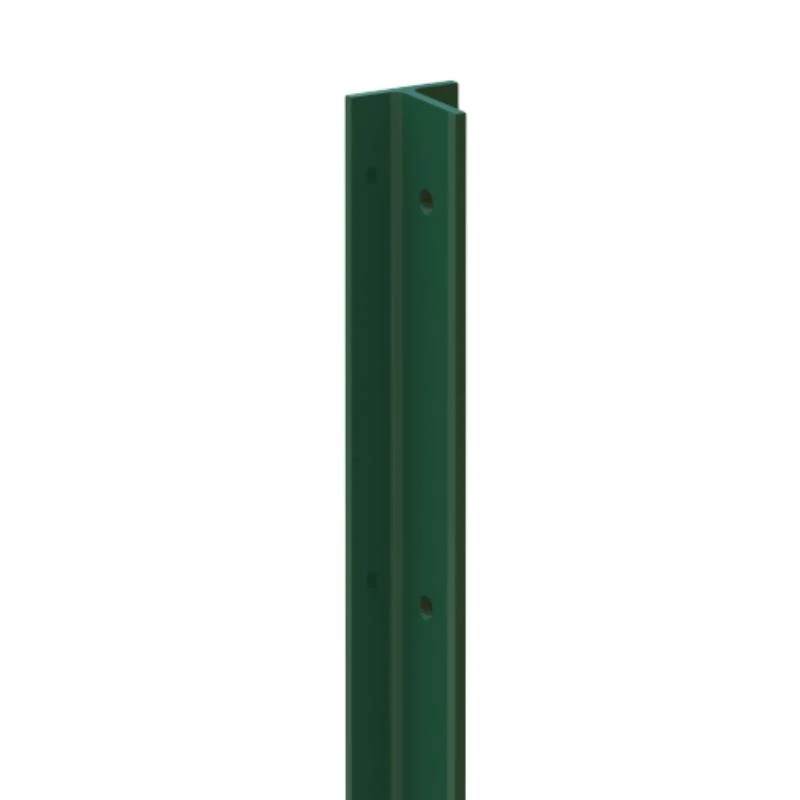
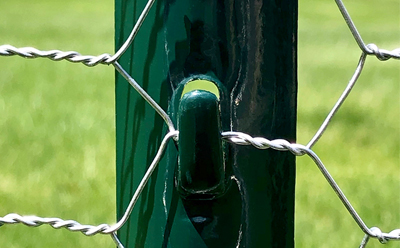
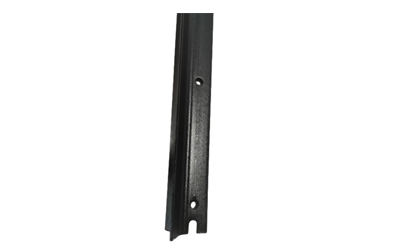
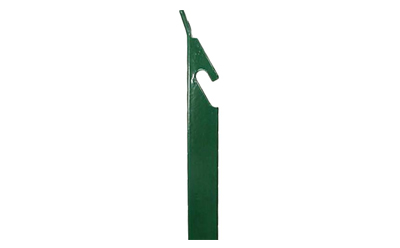
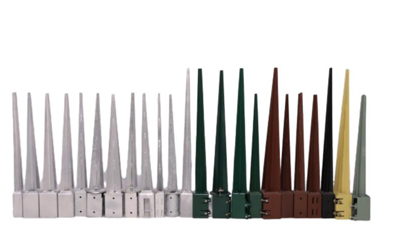
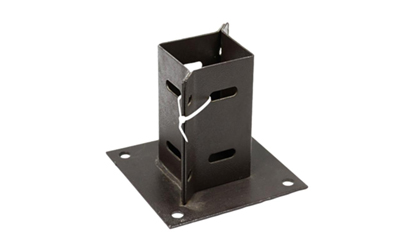
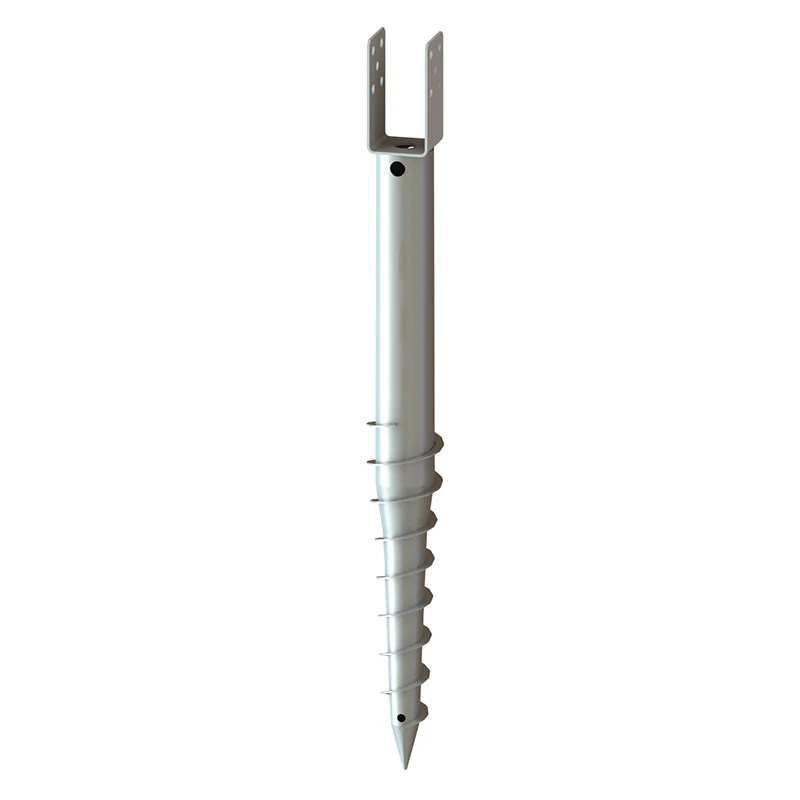
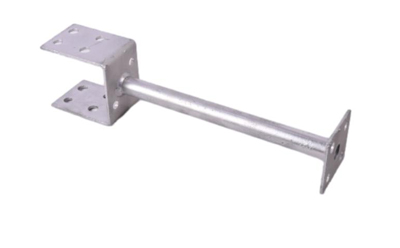
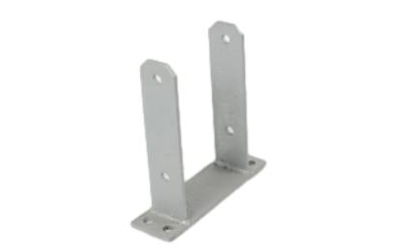
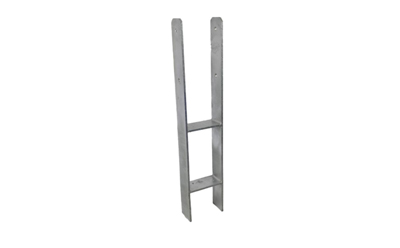
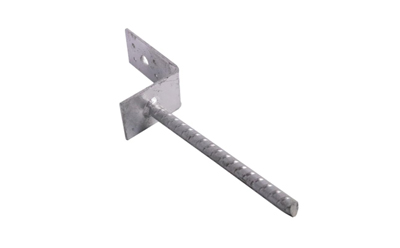
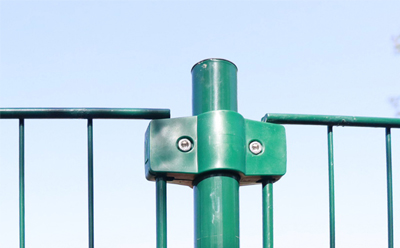















At first glance, a post for grape vines might seem like just another gardening tool. But, as anyone dabbling in viticulture will tell you, these posts are quietly pivotal. They support the sprawling lifelines of grape vines, holding up shoots, leaves, and ultimately, those precious grapes. With global wine production valued at over $300 billion annually (source: UN Food and Agriculture Organization), the humble post plays a role much bigger than many expect.
Why does this matter globally? Well, nearly 7.5 million hectares are cultivated with grapes worldwide, and stable infrastructure—starting with durable posts—is key to ensuring vineyards thrive. Good posts increase yield, improve fruit quality, and reduce labor. Plus, they support sustainability efforts and help farmers face climate challenges by ensuring vines have the proper support to adapt to weather stress.
Mini takeaway: The post for grape vines may seem simple, but it's a core pillar in a billion-dollar, globally significant industry.
Across Europe, the Americas, and parts of Asia, grape-growing is evolving. According to the World Bank, viticulture employs millions directly or indirectly. Yet climate change, labor shortages, and rising costs demand smarter vineyard practices.
Enter quality posts for grape vines — they address key problems such as:
Oddly enough, vineyards have become mini-labs in precision agriculture. The posts themselves are evolving from simple wood stakes to engineered metal or composite materials, reflecting the need for durability and scalability.
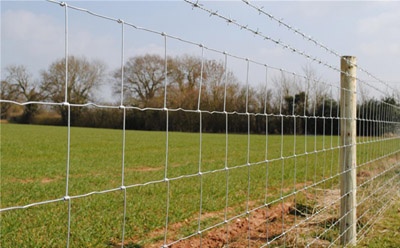
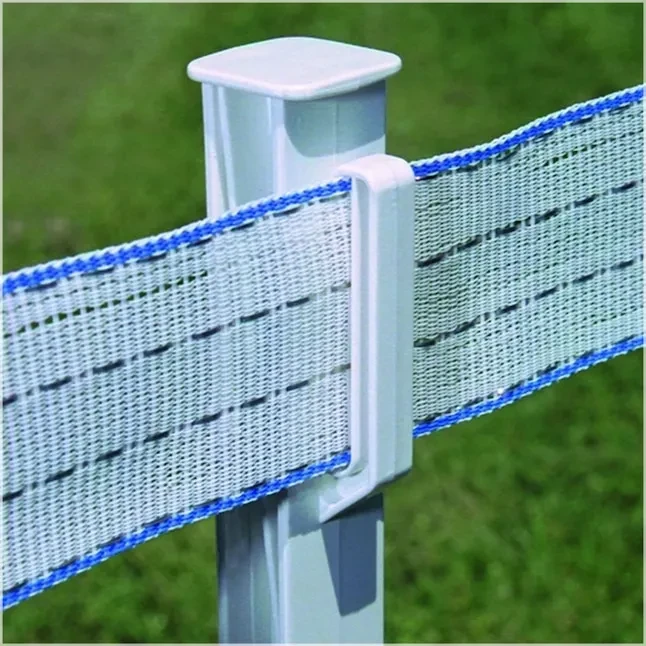
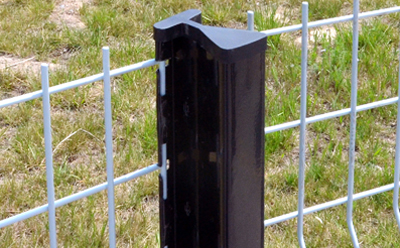
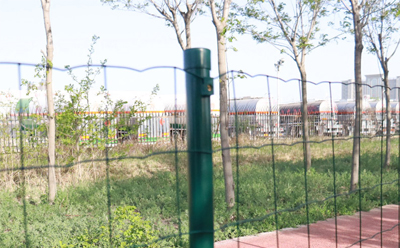
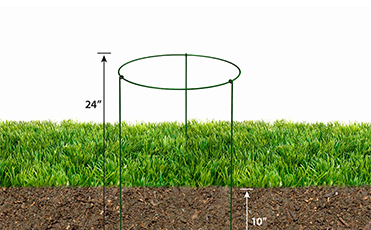
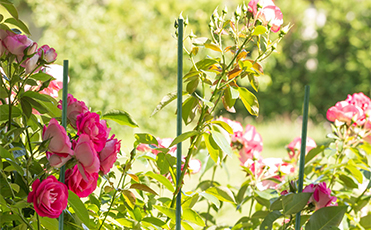
Simply put, a post for grape vines is a vertical support—a stake or column—that physically holds up grape vines. Typically, these posts are arranged in rows, supporting trellising wires on which vines climb. This setup improves sunlight exposure, air circulation, and ultimately grape quality.
In modern viticulture, posts have moved beyond mere wooden sticks. They connect to irrigation, pest control, and even smart agriculture systems, highlighting their role in humanitarian food security and industrial efficiency.
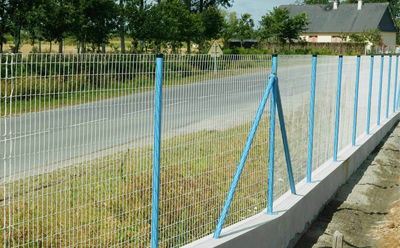
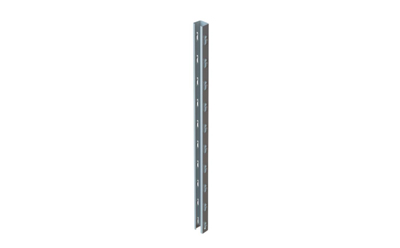
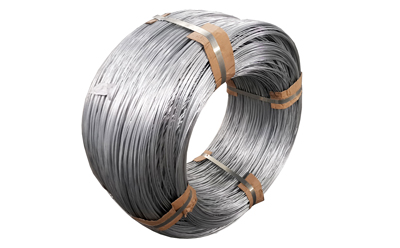
Given vineyards’ exposure to sun, rain, frost, and pests, posts must resist decay and corrosion. Metal posts (usually galvanized steel) last decades without compromising strength. Wood might be cheaper but requires chemical treatment and replacement every few years.
Posts come in various heights and thicknesses to match vine types—from compact table grapes to sprawling wine grapes. Larger vineyards prefer uniform posts allowing mechanization and automation.
Price per post and total lifetime cost matter. While cheaper untreated wood may draw farmers initially, stronger materials reduce long-term expenses and labor downtime.
Lightweight posts that can be driven or bolted into the ground speed up vineyard setup or renovation. Some designs integrate pre-drilled holes for wires, saving critical field time.
Modern wineries often seek posts made with recyclable or sustainably sourced materials, aligning with ISO 14001 environmental management standards.
Vineyard posts are vital from the rolling hills of Tuscany to California's Napa Valley and South Africa’s wine routes. But their use isn’t just for commercial vineyards.
Interestingly, some NGOs even recommend durable posts during agricultural rehabilitation after natural disasters, supporting food security while farms rebuild.
Mini takeaway: A grape vine post isn’t just a vineyard accessory; it’s a critical enabler of global agricultural resilience and innovation.
The emotional side of this? Knowing your vines are protected, season after season, adds a sense of calm to a hard-working farmer’s day. It feels like investing in future generations.
| Specification | Wooden Post | Galvanized Steel Post | Composite Post |
|---|---|---|---|
| Height | 1.8 - 2.4 meters | 1.8 - 3.0 meters | 1.8 - 2.7 meters |
| Weight | 3-5 kg | 4-8 kg | 2-4 kg |
| Lifespan | 5-10 years (treated) | 20+ years | 15-20 years |
| Treatment | Chemical preservatives | Galvanization/coating | UV-resistant polymer mix |
| Environmental Impact | Moderate, requires re-treatment | Recyclable, energy intensive | Low, eco-friendly composites |
| Vendor | Material Types | Average Price Per Post (USD) | Lead Time | Sustainability Certifications |
|---|---|---|---|---|
| Hebe Metals | Galvanized Steel, Composite | $8 - $12 | 2-3 weeks | ISO 14001 |
| GreenVine Supplies | Wood, Composite | $3 - $7 | 1-2 weeks | FSC Certified Wood |
| VineGuard Systems | Steel, Aluminum | $10 - $15 | 3-4 weeks | ISO 9001 |
Innovation rarely sleeps in viticulture. We’re seeing developments like:
Also, many vineyard managers express interest in carbon-neutral products, adding a green premium to posts. The tech and the environmental ambition must align — it’s a fascinating balancing act.
No solution is perfect. Wooden posts rot or attract pests; metal posts corrode if coatings fail; composites sometimes lack wide availability.
Yet, a careful mix-and-match based on region and budget often solves these problems. Plus, innovations in anti-corrosive coatings and local composite manufacturing are pushing the boundaries forward.
Investing in quality posts for grape vines is more than choosing support structures—it’s about securing the foundation for thriving vineyards that feed economies, inspire communities, and embrace innovation. Over the long haul, durable, sustainable posts bring better grape yields, lower maintenance headaches, and contribute to an environmentally aware industry.
If you’re planning your vineyard’s next expansion or simply want to upgrade your trellising infrastructure, consider the material, cost, and sustainability factors carefully. And for trusted products and expert advice, visit Hebe Metals, the pros in vineyard metalwork.
Cheers to stronger vines and fruitful harvests!
References:



Copyright © 2026 Hebei Minmetals Co., Ltd. All Rights Reserved. Sitemap | Privacy Policy | Menu