









0%

Table of Contents

You know, been running around construction sites all year, seeing all sorts of stuff. Lately, everyone's buzzing about these pre-galvanized metal fence stakes. Not new, exactly, but… the demand’s really picked up. Seems like folks are tired of wood rotting out, or those flimsy plastic things bending in the wind. Honestly, it's a bit of a relief. Less troubleshooting for me.

What’s strange is how many people still try to cut corners on the coating. They think a quick dip will do. Have you noticed that? It doesn’t. It never does. You get rust creeping in within a year, and then you’re back to square one. I encountered this at a factory in Ningbo last time, they were so proud of their “cost-saving” method… lasted about six months before the customers started complaining.

And honestly, finding good steel is getting harder. It's all about that carbon content, isn't it? Too much, it’s brittle, too little, it bends. You want something with a good “ring” to it when you knock it – old habit, I know, but it usually tells you something. And the smell… you can tell a good steel mill from a mile away, a sort of… metallic sharpness. Different from that dull, oily smell of the cheaper stuff.
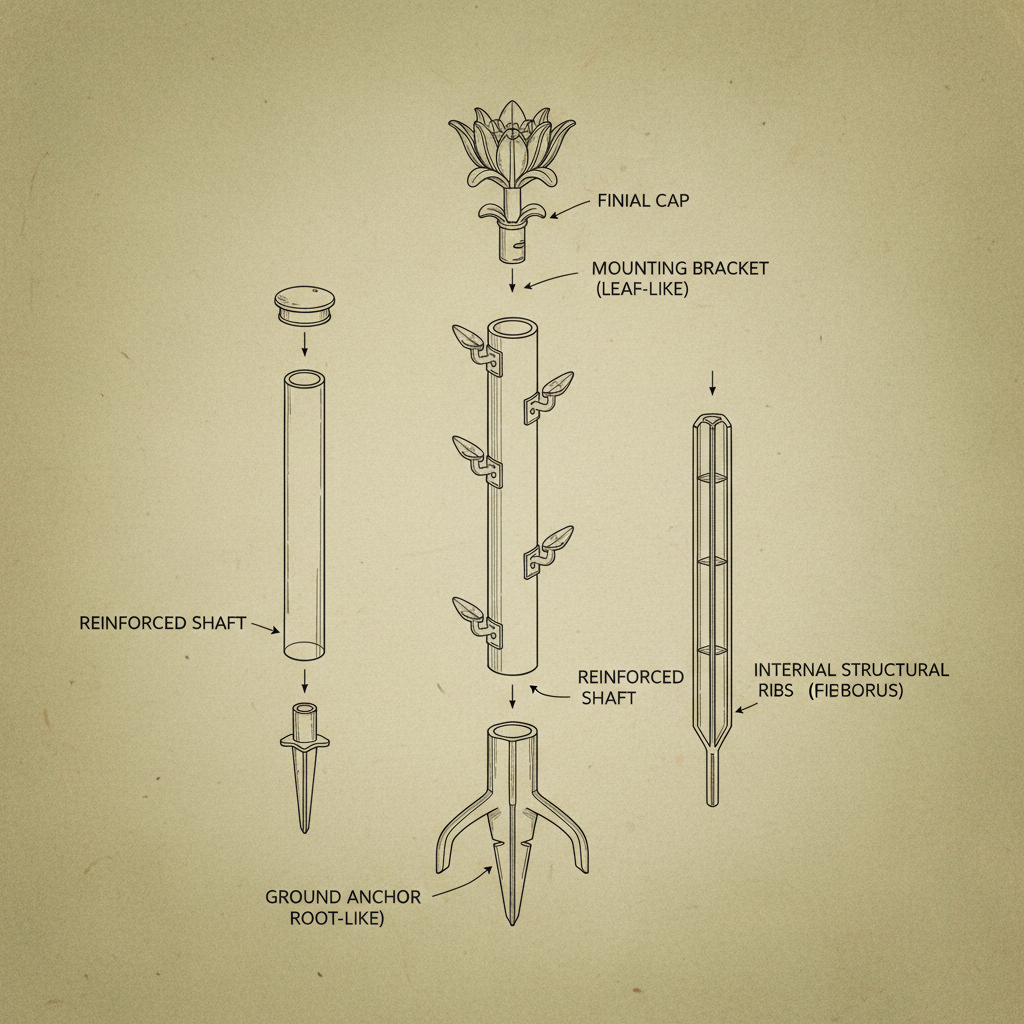
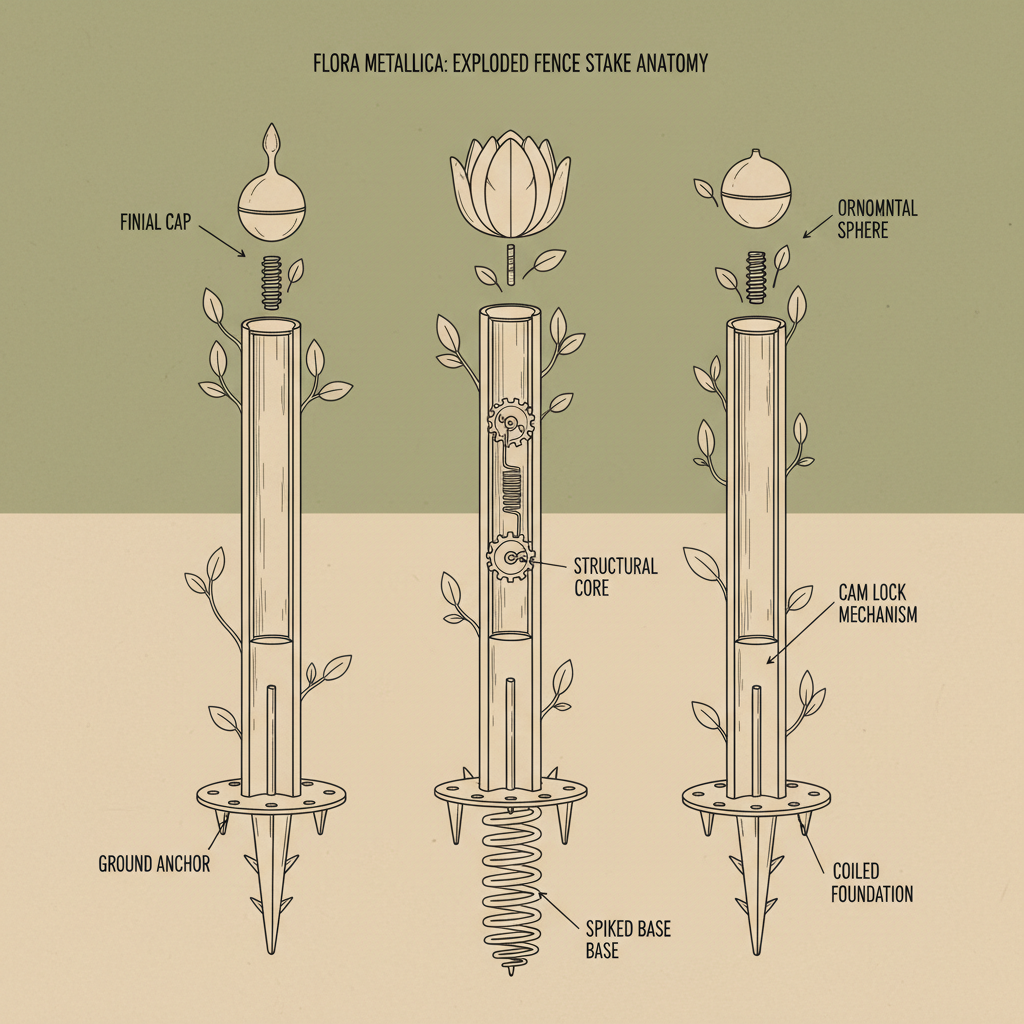
Durable Metal Fence Stakes Performance and Practical Considerations

The Current Trends in Metal Fence Stakes

Durable Metal Fence Stakes Performance and Practical Considerations

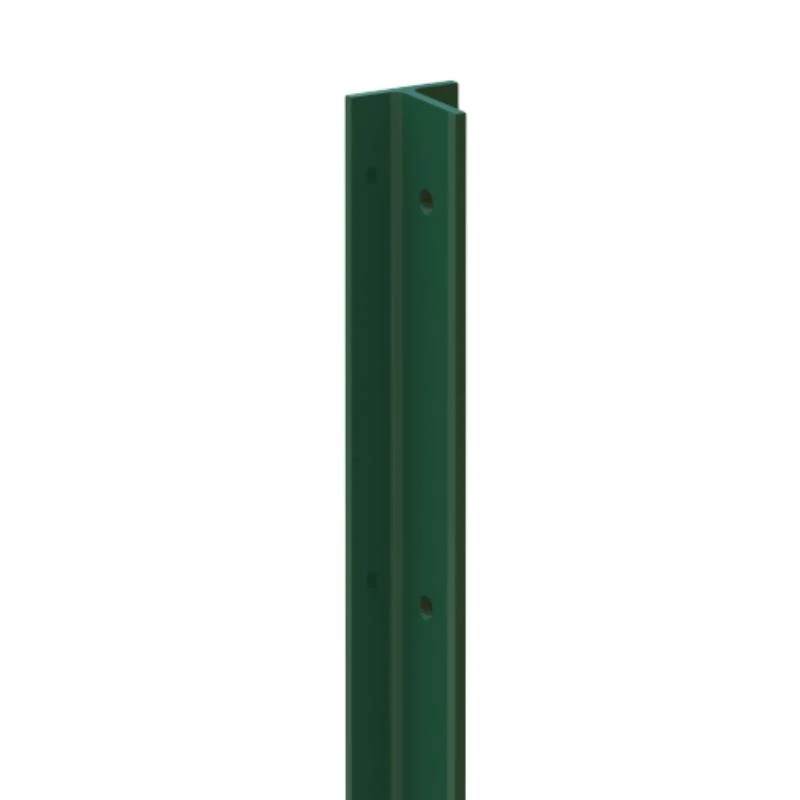
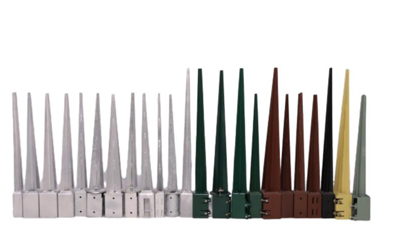
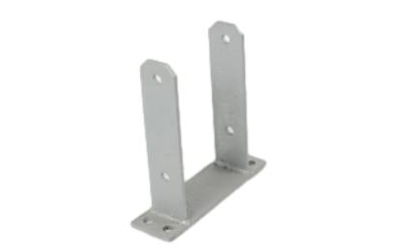
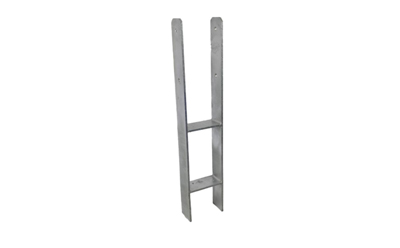
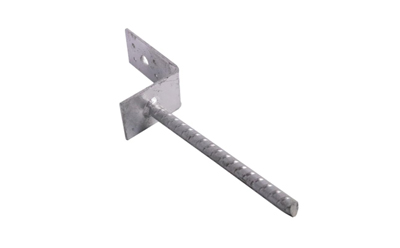
To be honest, the biggest trend I'm seeing is a move towards heavier gauge steel. People are realizing those thin stakes just don't cut it, especially in areas with heavy winds or… enthusiastic livestock. There's also a lot of interest in different coating options - not just galvanized, but powder coating, even some experimenting with specialized polymers. It’s all about longevity, you see. And, surprisingly, a resurgence in pointed stakes. Everyone thought the blunt-end ones were safer, but they just don't hold as well in certain soil types.

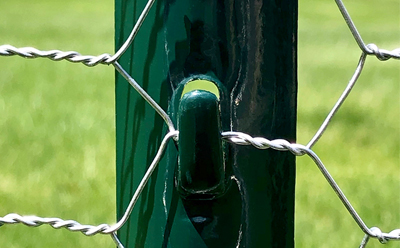
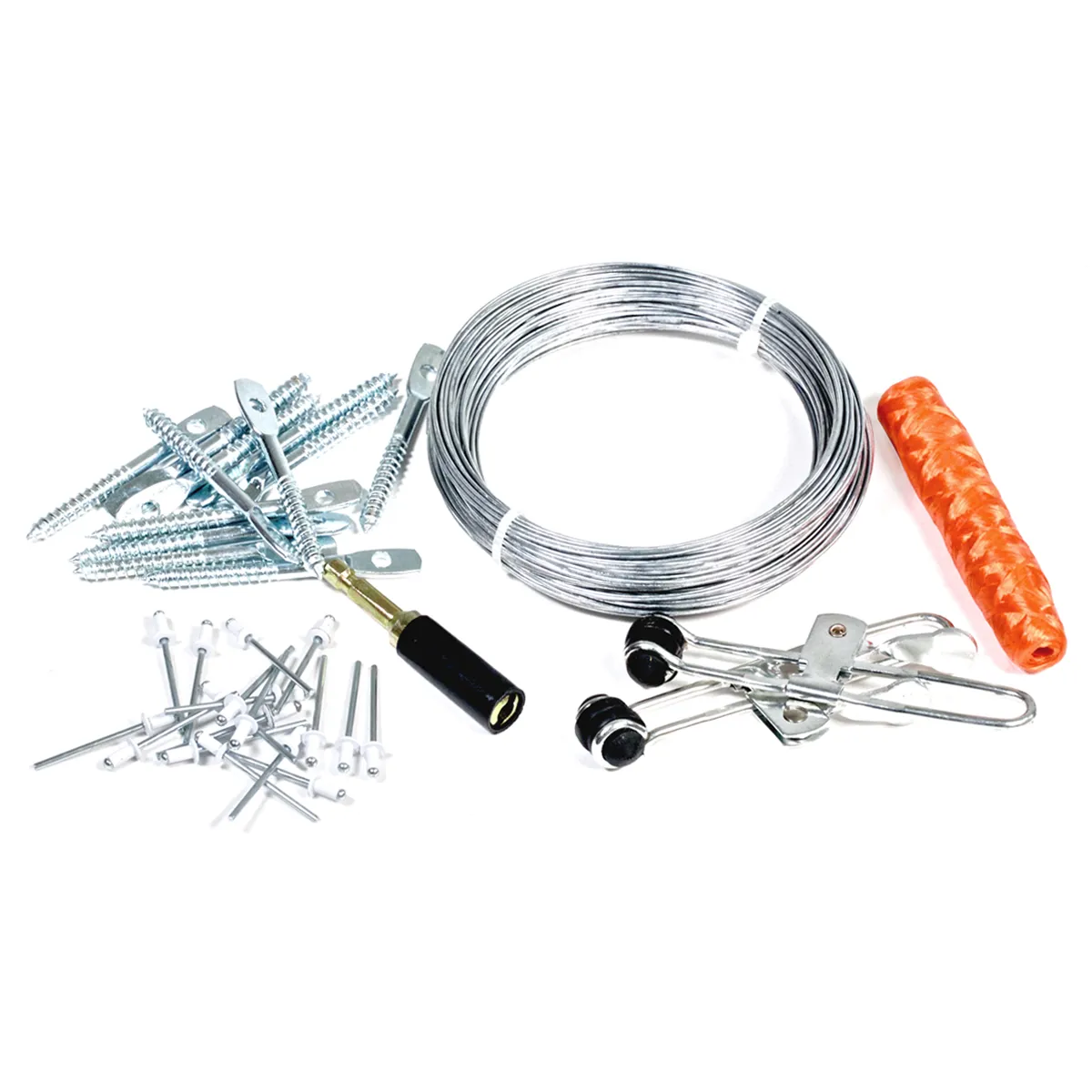
The pre-fabricated kits are popular too. Stake, wire, clips, all in one box. Saves time on-site, less for the guys to fumble with. But… those clips are usually the first thing to go. Cheap plastic, you know?

Common Design Pitfalls

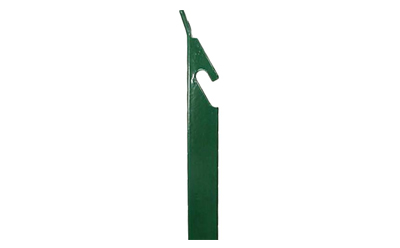
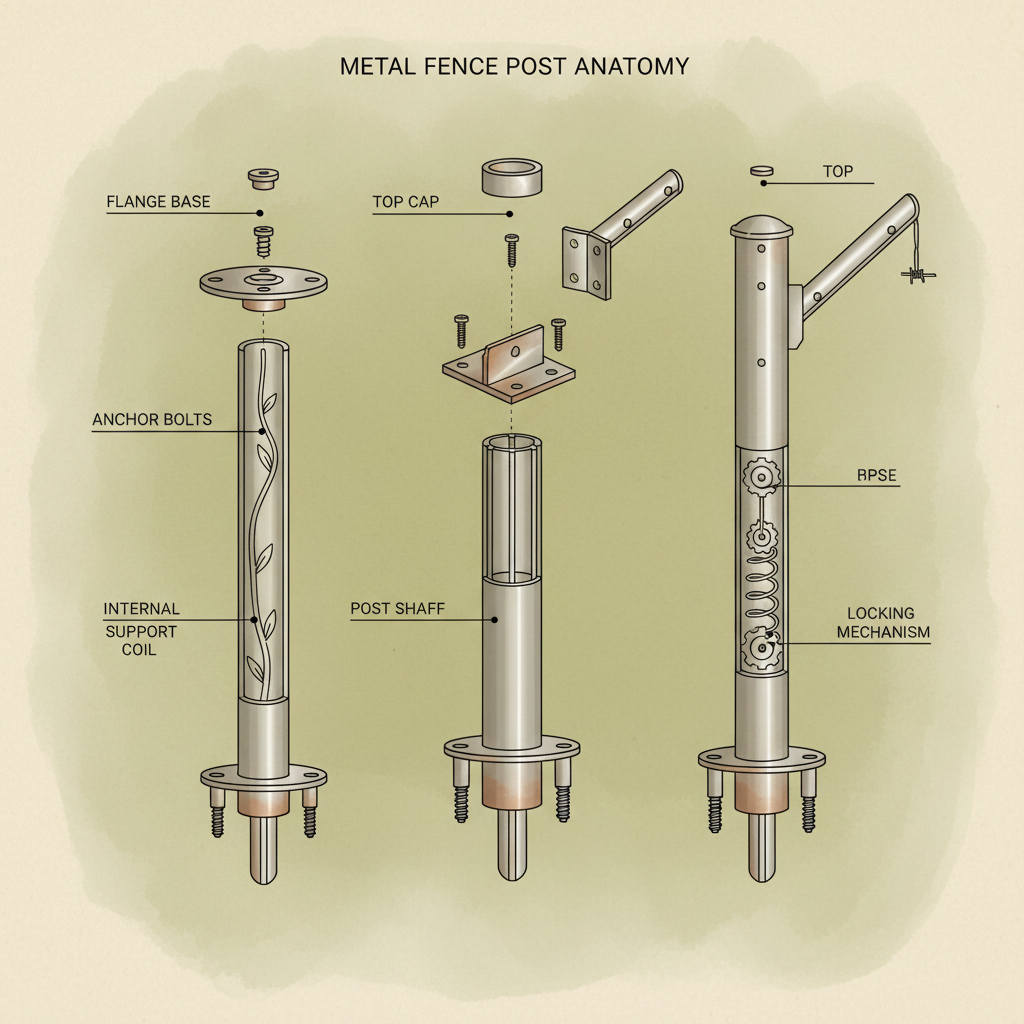
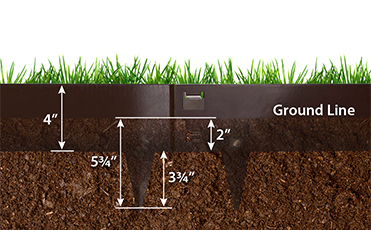
Oh boy, the design pitfalls… where do I even start? One thing I see constantly is insufficient length. People underestimate how much of the stake needs to be buried for stability. You need at least two-thirds underground, minimum. And the point! It needs to be sharp enough to drive in easily, but not so sharp it snaps. Finding that balance is tough.

Then there's the whole issue of corrosion resistance. I’ve seen stakes rust through within months if the galvanization is poorly done. And don't even get me started on trying to weld repairs onto galvanized steel. It's a headache. Another thing – too much reliance on fancy shapes. Sometimes a simple, straight stake is just more effective.

Honestly, engineers overthink it sometimes. They design these intricate stake profiles that look great on paper but are a nightmare to manufacture and don’t offer any real-world benefit. Keep it simple, keep it strong, that’s my motto.

Material Deep Dive

Right, let’s talk materials. Most of the good stuff is Q235 steel, that’s your standard, workhorse carbon steel. Feels solid, takes a beating. You can tell the quality by the weight – a good stake will have some heft to it. Then there's higher grade steel, like Q345, but it’s pricier. Worth it for demanding applications, like securing perimeter fences around construction sites.

Galvanization is key, obviously. Hot-dip galvanizing is the best – that’s where they dunk the steel in molten zinc. Creates a really durable, corrosion-resistant coating. But there are different grades of galvanization too. You want a thick, even coating. You can tell by looking at it – a good galvanized stake will have a slightly textured, matte finish. The cheap stuff looks shiny and smooth, and it won’t last.

And then you have the coatings over the galvanization. Powder coating is popular, gives you color options, adds another layer of protection. But it's not as durable as the galvanization itself. Strangely, some of the guys I work with still prefer painting them with a good old-fashioned rust-preventative paint. Old habits die hard, I guess.

Real-World Testing Protocols

Lab tests are fine, but they don't tell you the whole story. I've seen stakes pass all the lab tests and then bend like pretzels the first time they’re hammered into rocky ground. Anyway, I think the real test is just… using them. We do a lot of pull-out tests on-site. Just hammering a stake into the ground and then trying to pull it out with a jack. Crude, but effective.

Another good test is the “wind load” test. Build a small section of fence, and then just… wait for a windy day. See if it holds. Simple, right? We also look for corrosion. We’ll leave a few stakes exposed to the elements for a year and then inspect them for rust. That's where you really see the quality of the galvanization.

Metal Fence Stakes Performance Metrics


Unexpected User Applications

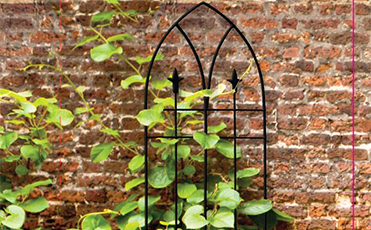
You wouldn't believe some of the things people use these stakes for. I've seen them used as anchors for temporary shade sails, supports for climbing plants, even as makeshift tent pegs. One guy used them to secure a giant inflatable dinosaur for his kid’s birthday party. Seriously.

They’re also popular with farmers for creating temporary paddocks for livestock. Quick, easy, and relatively inexpensive. But they really shine in construction, honestly. Securing erosion control blankets, marking out boundaries, temporary fencing… they’re indispensable.

Advantages & Disadvantages: A Pragmatic View

Okay, let's be real. Metal stakes are more expensive upfront than wood. There's no getting around that. But they last longer, require less maintenance, and are way more reliable. That saves you money in the long run. They’re also safer – no splinters, no rotting, less risk of breakage.

The downside? They can be a pain to drive into hard ground. You need a good hammer and some muscle. And if you bend one, it’s usually scrap. Can’t really repair them easily. Also, they can get hot in the sun – be careful when handling them. But overall, the benefits far outweigh the drawbacks, in my opinion.

Customization Capabilities & A Shenzhen Story

Yeah, you can customize them. Length, gauge, coating, point style… you name it. We had a customer in Shenzhen, a small boss who makes smart home devices, who insisted on changing the interface to , even though it was a fence stake. Said it was for “brand consistency.” Seriously.

It was a disaster. The interface just wasn't strong enough to withstand the hammering. Broke on the first try. He wasted a whole batch of stakes and a lot of time. Lesson learned: some customizations just aren’t practical.

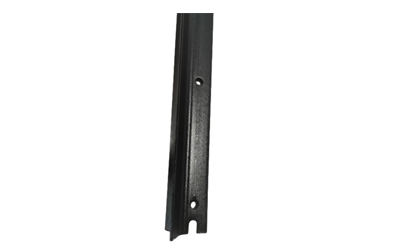
But more reasonable requests, like adding a specific hole pattern for attaching wire, or a custom coating color, we can usually accommodate. It all depends on the quantity and the complexity of the design.

Summary of Customization Options for Metal Fence Stakes

Customization Aspect Feasibility Cost Impact Typical Lead Time
Stake Length High Low 1-2 weeks
Steel Gauge Medium Medium 2-3 weeks
Galvanization Thickness Medium Medium-High 3-4 weeks
Powder Coating Color High Low-Medium 2-3 weeks
Hole Patterns Medium Medium 2-3 weeks
Interface Compatibility (e.g., ) Low (Generally Discouraged) High (R&D Costs) 4+ weeks

FAQS

What is the typical lifespan of a galvanized metal fence stake?

It really depends on the environment, but a properly galvanized stake should last at least 10-15 years, even in harsh conditions. We've seen some still going strong after 20. It all boils down to the quality of the galvanization – thickness, evenness, and any pre-treatment of the steel. Coastal areas with salt spray will reduce that lifespan, obviously.

How do I prevent metal fence stakes from bending when driving them into rocky soil?

Use a heavier gauge stake, for starters. And use a post driver, not just a hammer. A post driver distributes the force more evenly and reduces the risk of bending. You might also try pre-drilling a pilot hole, especially in very hard ground. It’s extra work, but it can save you a lot of broken stakes.

Are metal fence stakes safe for livestock?

Generally, yes, but you need to consider the type of livestock. Sharp points can be a hazard for horses and cattle. Blunt-end stakes are safer for those animals, but as I said earlier, they don't hold as well in some soil types. Also, make sure the stakes are installed flush with the ground to avoid tripping hazards.

What's the best way to store metal fence stakes to prevent rust?

Store them somewhere dry and well-ventilated. Avoid stacking them directly on the ground, especially if the ground is damp. If you’re storing them outdoors, cover them with a tarp. A light coating of oil can also help prevent rust, but it's messy. Honestly, just keeping them dry is usually enough.

Can metal fence stakes be recycled?

Absolutely! Steel is highly recyclable. Most scrap metal yards will take them. Just make sure to remove any wire or other attachments first. Recycling is a good way to minimize waste and reduce your environmental impact. Plus, you might get a few bucks for them.

What’s the difference between galvanized and powder-coated stakes?

Galvanization is a process where steel is coated with zinc to prevent rust. It’s a really effective, long-lasting corrosion barrier. Powder coating is a dry finishing process where a colored powder is applied electrostatically and then cured with heat. It adds a layer of protection and aesthetic appeal, but it doesn't offer the same level of corrosion resistance as galvanization. Powder coating over galvanization is ideal.

Conclusion

So, there you have it. Metal fence stakes aren’t glamorous, but they’re essential. They’re a solid, reliable solution for a wide range of applications, and they’re a lot more durable and long-lasting than most of the alternatives. They've definitely gotten better over the years, with improvements in materials, coatings, and manufacturing processes.

Ultimately, whether this thing works or not, the worker will know the moment he tightens the screw. You can talk about specs and certifications all day long, but the proof is in the pudding, or in this case, in how well that stake holds firm in the ground. And that's what matters. If you need quality stakes, check us out at www.hebeimetals.com.


Michael Davies

Michael Davies

Michael Davies is a Logistics and Supply Chain Manager for Hebei Minmetals. Based out of our US office, he’s responsible for optimizing the movement of goods from our manufacturing facilities to our clients throughout North America. With a background in transportation logistics and warehousing, Michael ensures timely delivery and cost-effective
Previous Durable Metal Gate Posts for Enhanced Security and Aesthetic Appeal
Next Navigating the Modern Construction Landscape with Durable Metal Posts