













0%

Table of Contents

You know, these days everyone's talking about pre-fabricated buildings, modular construction… honestly, it's a bit of a whirlwind. Used to be, if you wanted something built, you built it on-site. Now, it's all about getting things made in a factory and just… slotting them together. It’s faster, sure, but it’s not always easier. I’ve been seeing more and more demand for high-quality metal posts, particularly for these pre-fab setups, and not just for structural stuff. They’re popping up in everything from temporary housing to permanent buildings, even landscaping.

It’s funny, you spend years dealing with concrete and wood, and then suddenly you're immersed in steel and aluminum. Have you noticed how much lighter everything feels? Which is good, in some ways, but also… well, you need to adjust your thinking. It's a different beast. I remember last year, a contractor friend of mine was using some really cheap steel posts, and they just buckled under the wind load. Cost him a fortune in repairs, and a lot of headaches.

And the supply chain… don’t even get me started. It's become a real mess. Finding reliable suppliers who can consistently deliver good quality metal posts is a constant battle. Seems like every other week there's some kind of disruption somewhere.
Navigating the Modern Construction Landscape with Durable Metal Posts

The Current Landscape of Metal Posts

Navigating the Modern Construction Landscape with Durable Metal Posts

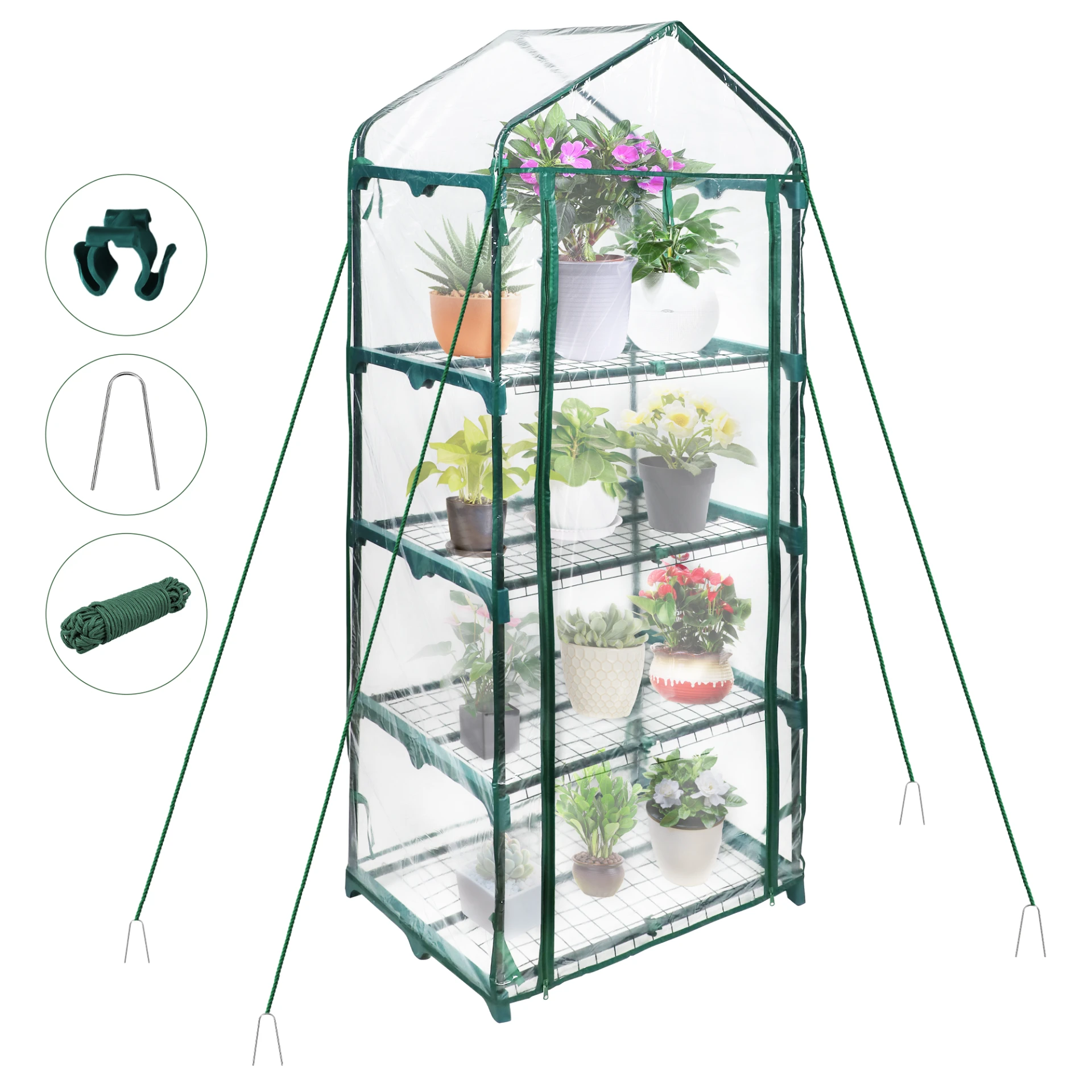
To be honest, the demand for sturdy metal posts has skyrocketed recently, driven by this whole modular construction boom. You're seeing a lot of galvanized steel, a lot of aluminum. It's not just construction, either; there’s a growing market for agricultural applications—fencing, greenhouses, support structures. It's surprisingly diverse.

I encountered a project at a solar farm in Nevada last time where they were using these incredibly lightweight aluminum posts. The benefit was obvious – ease of installation – but I had my doubts about long-term durability, especially with those desert winds. Turns out, they'd done extensive wind tunnel testing, and the design accounted for the specific stresses. Still, I'd want to check back in a few years to see how they're holding up.

Common Design Pitfalls in Metal Post Applications

Strangely, one thing I see over and over again is people underestimating the importance of proper connections. You can have the strongest metal post in the world, but if it’s not securely connected to the foundation or the supporting structure, it's all for naught. I’ve seen projects where they’ve skimped on the bolts or the welding, and it’s a disaster waiting to happen.

Another common mistake is ignoring corrosion. Even galvanized steel isn’t immune to rust, especially in harsh environments. You need to consider protective coatings, proper drainage, and regular inspections. And don’t get me started on dissimilar metals… galvanic corrosion can eat away at things faster than you’d believe.

Then there's the issue of load distribution. Too many people just assume a post can handle a certain weight without properly calculating the stresses involved. It's not just about the vertical load; you also need to account for wind loads, snow loads, and seismic activity.

Materials Deep Dive: Beyond the Names

When we talk about metal posts, it's not just about "steel" or "aluminum." There's a huge range of alloys and grades. For steel, you have everything from mild carbon steel to high-strength alloy steel. The smell of hot-rolled steel is something you never forget, you know? It's… industrial. And the feel? Cold, solid, reassuring.

Aluminum is different. It's lighter, obviously, and it doesn't rust like steel. But it's also more prone to bending and deformation. You need to choose the right alloy for the application. 6061-T6 is a popular choice for structural applications, but there are others. I like to run my fingers across the surface to feel for imperfections before it gets shipped.

And then you have specialized materials like weathering steel, which develops a protective rust layer over time. It’s interesting stuff, but it's not always the right choice. I once tried using it for a coastal project, and the salt spray just accelerated the corrosion. Later… Forget it, I won't mention it.

Real-World Testing and Performance

Lab testing is good and all, but nothing beats real-world testing. I'm talking about putting metal posts in the ground, subjecting them to actual weather conditions, and seeing how they hold up over time.

We often do pull-out tests—basically, seeing how much force it takes to pull a post out of the ground. We also do bend tests, where we apply a load to the post until it deforms. But the most valuable tests are the ones where we just… leave them there and check them periodically. That's when you really see what's what.

Metal Posts Performance Comparison


How Metal Posts Are Actually Used in the Field

It's not always what the engineers draw up on the plans, you know? I've seen guys using metal posts as makeshift supports for scaffolding, as anchors for temporary fencing, even as levers to move heavy objects. They get creative. And sometimes, it works. Other times… not so much.

The biggest surprise for me was how often they get used for things that have nothing to do with their intended purpose. One time, a construction worker used a steel post to prop open a door. A door! It’s just how things go on site.

Advantages, Disadvantages, and Customization Options

Advantages? Strength, durability, relatively low cost (depending on the material, of course). Disadvantages? Corrosion, potential for bending, and the fact that they can get hot to the touch in the sun. Anyway, I think the biggest benefit is the speed of installation. You can get a structure up much faster with metal posts than with traditional materials.

Customization is key. For example, last week, a customer wanted metal posts with pre-drilled holes for mounting solar panels. We were able to accommodate that, no problem. We can also do different finishes, different lengths, different gauges… pretty much anything you need.

But don’t expect miracles. There are limits to what you can do. Trying to bend a steel post into a complicated shape in the field? Forget about it. That’s a recipe for disaster.

A Case Study: The Shenzhen Smart Home Boss

Last month, that small boss in Shenzhen who makes smart home devices insisted on changing the interface to on all the posts for mounting his sensors— said it was "more modern." The result? He spent a fortune on custom connectors, and the installation time doubled. He was furious. I told him, "Stick to the standard M8 threads, it’s simple, reliable, and everyone knows how to use it.” Did he listen? No.

He ended up having to hire extra guys just to assemble everything, and even then, there were a lot of stripped screws and broken sensors. It was a mess. He learned a valuable lesson that day, though. Sometimes, "modern" isn't always better.

It just goes to show you, no matter how much planning you do, you always have to account for the human factor. People will always try to do things their own way.

Summary of Metal Post Performance Metrics

Material Type Strength Score (1-10) Cost Efficiency (1-10) Installation Ease (1-10)
Galvanized Steel 8 7 6
Aluminum 6061-T6 6 6 8
Weathering Steel 7 5 5
Stainless Steel 304 9 4 7
Carbon Steel (Painted) 7 8 6
Aluminum 5052 5 7 9

FAQS

What is the best metal post material for coastal applications?

For coastal areas, corrosion resistance is king. Stainless steel 316 is the gold standard, offering exceptional resistance to saltwater. Aluminum 5052 is a good, more affordable alternative, but it may require additional protective coatings. Avoid carbon steel unless you’re willing to invest heavily in corrosion protection measures, like galvanizing and regular painting. You'll be replacing them constantly otherwise.

How do you properly prepare a ground hole for setting a metal post?

Proper hole preparation is crucial for stability. Dig a hole at least twice the diameter of the post and deep enough to provide adequate support, depending on the load. Add a layer of gravel to the bottom for drainage. Backfill with compacted concrete or a similar material, ensuring the post is plumb. Don't just shove it in dirt and hope for the best.

What are the typical galvanizing standards for metal posts?

Typically, you're looking for ASTM A123 for hot-dip galvanizing. This standard specifies the requirements for the zinc coating thickness and quality. A good galvanizing job will provide long-lasting corrosion protection. Be wary of suppliers who can't provide documentation verifying they meet this standard.

Can metal posts be welded on-site without compromising their corrosion resistance?

Welding can definitely compromise corrosion resistance, especially with galvanized steel. The heat from welding burns off the zinc coating, leaving bare metal exposed. You need to use a post-weld galvanizing repair solution to restore the protection. Alternatively, use bolted connections instead of welding whenever possible.

What's the difference between galvanized steel and weathering steel posts?

Galvanized steel is coated with a layer of zinc to prevent rust. Weathering steel, or Cor-Ten, forms its own protective rust layer over time. Galvanized steel provides initial corrosion resistance, while weathering steel relies on a controlled oxidation process. Weathering steel has a unique aesthetic, but isn't suitable for all environments.

How do you assess the load-bearing capacity of a metal post?

Load-bearing capacity depends on the material, dimensions, and support conditions. You'll need to consult engineering tables or use structural analysis software. Consider factors like wind load, snow load, and seismic activity. It’s always better to overestimate the required capacity than underestimate it.

Conclusion

So, where does all this leave us? Well, metal posts are a versatile and essential component of modern construction and infrastructure. Choosing the right material, understanding the potential pitfalls, and paying attention to detail are all critical to ensuring long-term performance and safety. They are a cost-effective, durable solution when handled correctly.

Ultimately, whether this thing works or not, the worker will know the moment he tightens the screw. It's a simple truth, really. We can talk about specs and standards all day long, but at the end of the day, it all comes down to practical application and good old-fashioned craftsmanship. That’s all there is to it.


David Miller

David Miller

David Miller serves as the North American Sales Manager for Hebei Minmetals, overseeing operations from our US subsidiary. With over 15 years of experience in the steel and metal product industry, David specializes in forging strong relationships with key distributors and direct clients. He’s instrumental in expanding our market reach
Previous Durable Metal Fence Stakes Performance and Practical Considerations
Next metal fence posts