

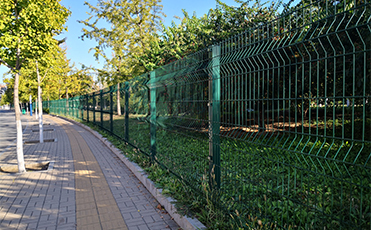
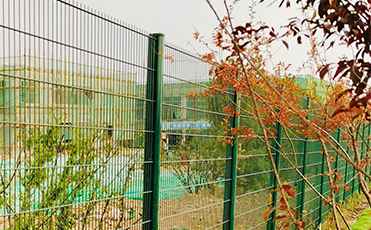
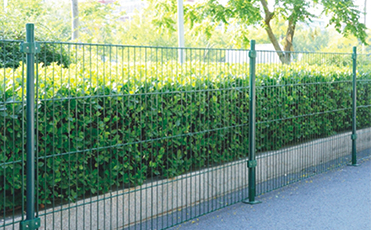
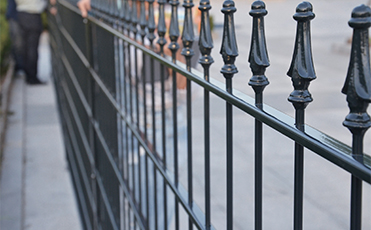
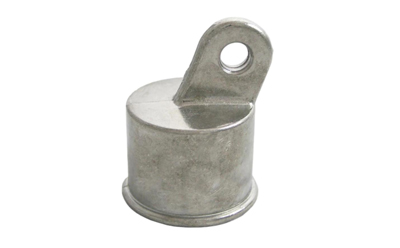
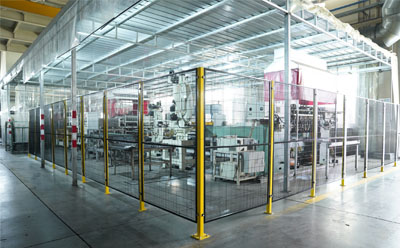
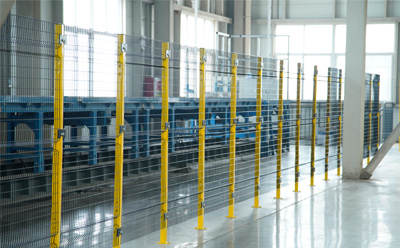
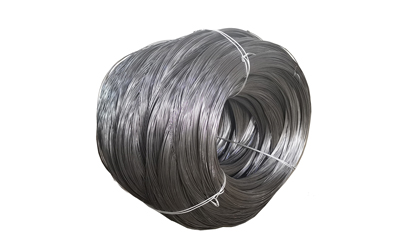












When you hear the term vineyard post, what comes to mind? Perhaps just the sturdy poles supporting sprawling grapevines in sunlit rows. But these seemingly simple structural elements have quietly become essential not only in viticulture but across industries worldwide — from agriculture to construction and relief efforts. Globally, vineyard posts help improve yield, stability, and sustainability in vineyard management, which matters in a world that’s seeing more unpredictable weather and rising demands for sustainable farming.
Understanding the role and design of vineyard posts opens a window into how traditional farming meets modern engineering. It’s not just about holding up grapevines; it’s about resilience, cost-effectiveness, and even environmental impact. Honestly, realizing this is like noticing the humble unsung heroes behind your glass of wine—or the support beams behind many green projects.
Across over 7 million hectares globally dedicated to vineyards as of recent data from the FAO, vineyard posts form the backbone of grape production systems. Regions like Europe, North America, and parts of Asia rely heavily on trellis systems supported by these posts to optimize sunlight exposure, irrigation, and pest management.
Yet, there’s a challenge: traditional vineyard posts made from wood or untreated materials often degrade quickly under harsh environmental conditions, increasing maintenance costs and affecting crop yields. It’s no secret that many vineyard owners worldwide face this, cutting into profitability. According to industry surveys, roughly 30% of vineyard post replacements are due to weather-induced damage, which translates to significant economic and labor costs.
Enter modern vineyard posts—designed with stronger materials and smarter installation methods—to address these challenges while adapting to global sustainability goals outlined by organizations like ISO and the UN Environment Programme.
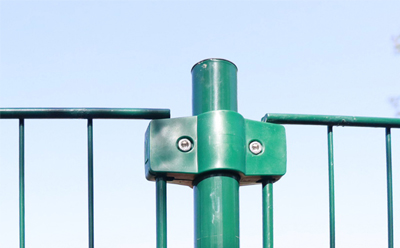
Simply put, a vineyard post is a vertical support element used in vineyards to hold up grapevines and their training wires. But beyond the basic definition lies its crucial role in spreading grapevine canopies, improving aeration, and easing harvest operations. Typically made from wood, steel, or composite materials, vineyard posts vary based on durability requirements, local climate, and vineyard design.
In effect, vineyard posts are more than just poles; they’re part of a sophisticated agricultural infrastructure aimed at maximizing vine health and grape quality. And oddly enough, the tech behind these posts touches on materials science, economics, and even sociology—as they relate to farming communities around the globe.
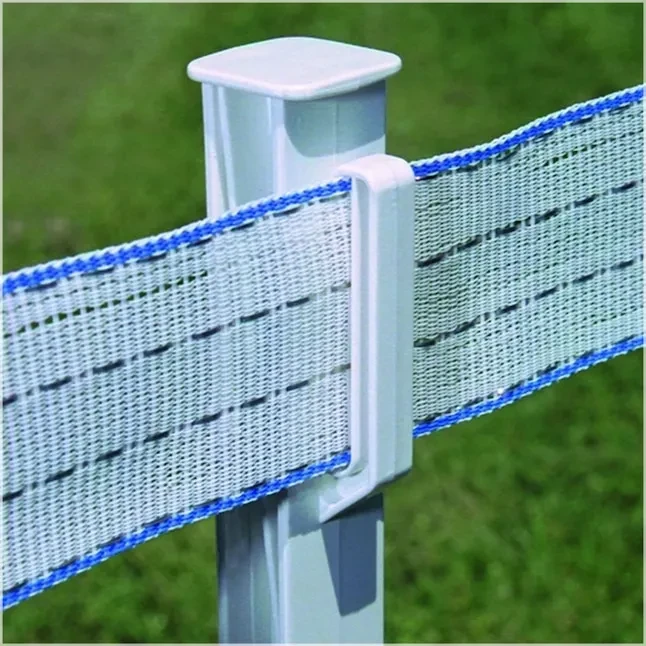
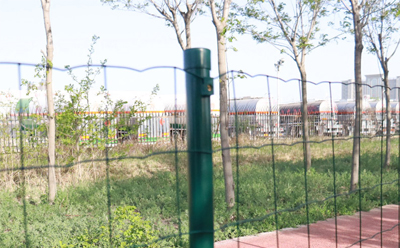
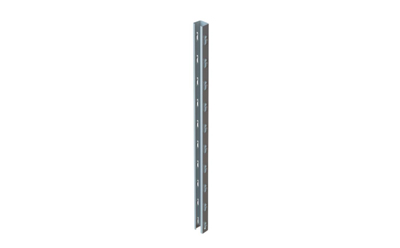
One of the main factors when selecting vineyard posts is durability. Traditional wooden posts, while natural and easy to install, often suffer from rot, insect damage, or warping, especially in humid or rainy climates. Modern steel or galvanized posts offer significantly longer lifespans—some lasting 20+ years—resisting corrosion and mechanical stress better. Composite materials (recycled plastics, fiber-reinforced polymers) are also gaining traction for their eco-friendliness.
Frankenstein approaches aside, it’s the cost per year of service that ultimately drives choices. Though steel or composite posts have higher upfront costs, many vineyard managers find their lower maintenance and replacement rates more cost-effective over decades. Some estimate lifecycle costs reduced by up to 40% versus traditional wood. Plus, installation ease varies, which can affect total project budgets.
Producers and distributors increasingly prioritize renewable materials and recycling programs for vineyard posts. The move toward sustainable agriculture means opting for posts that can be reused, recycled, or made from sustainably harvested wood. The carbon footprint of vineyard support infrastructure now factors heavily into overall vineyard certification and marketability.
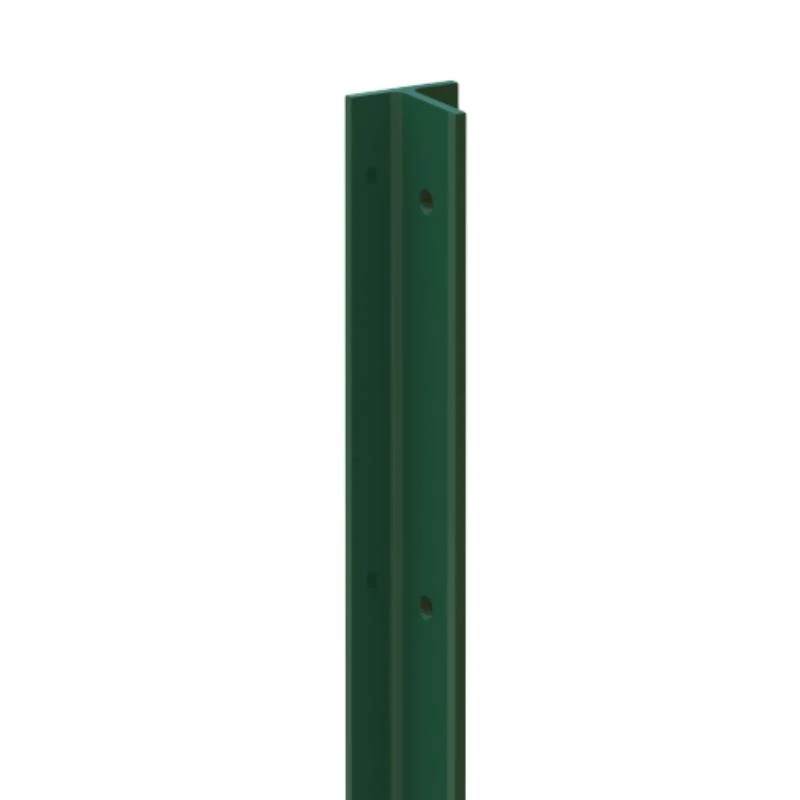
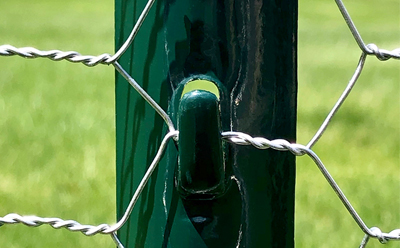
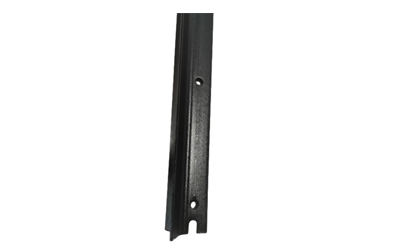
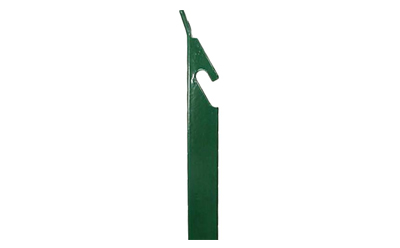
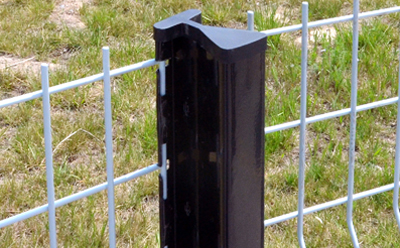
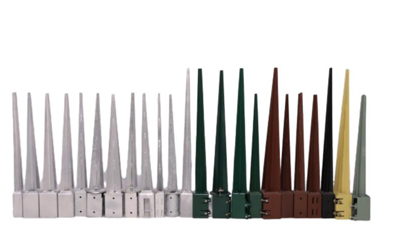
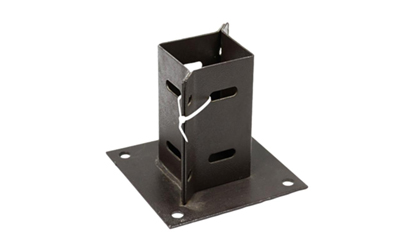
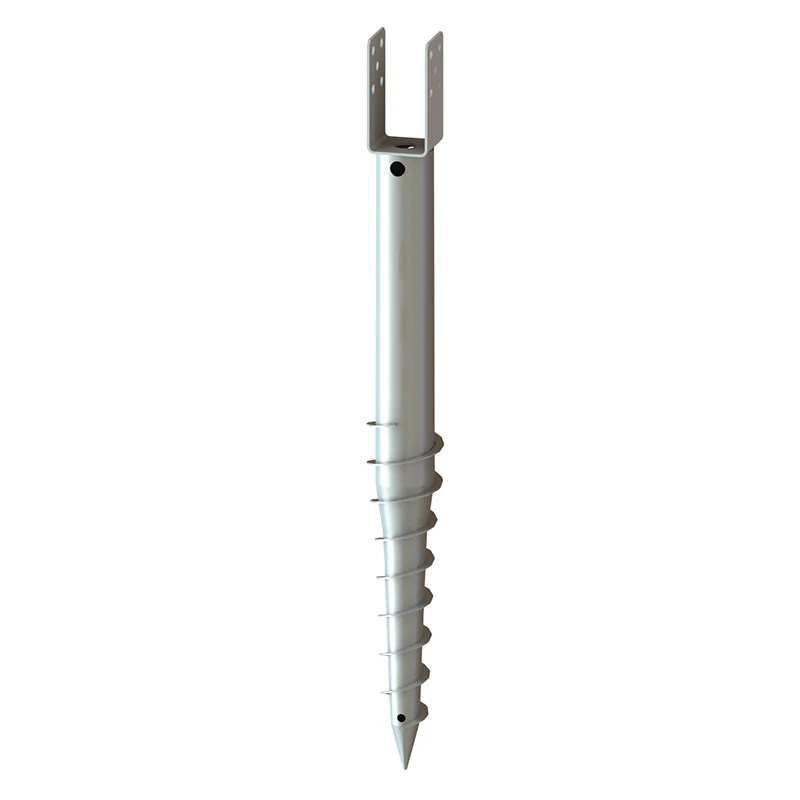
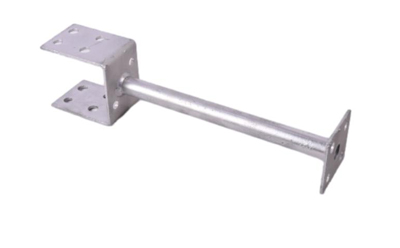
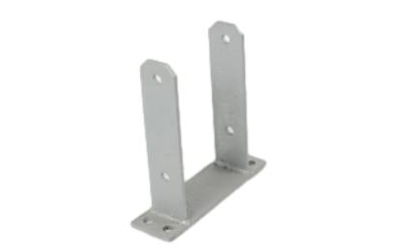
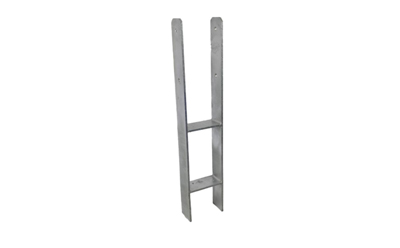
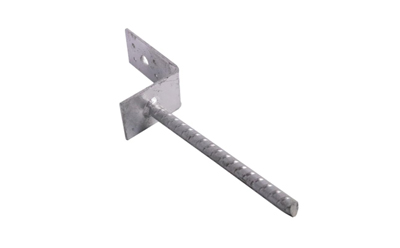
Vineyard posts come in multiple lengths, thicknesses, and shapes depending on terrain and vine type. T-shaped steel posts, round wooden posts, and even adjustable composite posts provide growers flexibility. Many companies also customize posts with anti-slip surfaces, integrated wire clips, and pest barriers to enhance vineyard management.
The ease of installation affects labor costs and downtime. Lightweight posts that can be handled manually speed planting seasons, especially in remote or uneven terrain. Maintenance-wise, corrosion-resistant coatings and built-in tensioning systems reduce routine checks, saving hours.
| Feature | Wood Post | Galvanized Steel Post | Composite Post |
|---|---|---|---|
| Typical Length | 1.5 - 2.5 m | 1.8 - 3.0 m | 1.5 - 2.5 m |
| Weight (approx.) | 4 - 7 kg | 8 - 12 kg | 5 - 7 kg |
| Lifespan | 5-10 years | 20+ years | 15-20 years |
| Corrosion/Rot Resistance | Low | High | High |
| Typical Cost (per unit) | $8 - $12 | $20 - $30 | $15 - $25 |
From the rolling hills of Tuscany to the sun-baked valleys of California, vineyard posts are indispensable. But their value extends beyond pure agriculture. In Australia’s harsh outback, newer composite posts have enabled growers to maintain sustainable vineyards without frequent replacements.
Oddly enough, some relief organizations have adapted the concept of modular structural posts similar to vineyard posts for quick assembly shelters during disaster relief. Their principles of strength, simplicity, and adaptability resonate beyond farming.
Meanwhile, wine producers in South Africa and Chile have reported increased vineyard longevity and reduced labor costs thanks to modern vineyard posts, translating into more reliable harvests and better exports.
| Supplier | Materials Offered | Customization Options | Price Range (per unit) | Lead Time |
|---|---|---|---|---|
| Hebe Metals (www.hebeimetals.com) | Galvanized Steel, Custom Steel Alloys | Lengths, Thickness, Coating Types | $18 - $28 | 2-4 weeks |
| VinoPosts Co. | Wood, Composite | Color, Length | $10 - $22 | 3-6 weeks |
| EcoGrow Supplies | Recycled Plastics, Composites | Custom Colors, UV Resistance | $12 - $25 | 4-8 weeks |
It feels like when you invest in a vineyard post, you’re actually investing in peace of mind and long-term growth. Because farming, after all, is about patience, trust, and nurturing—just like these posts do for vines.
The future is bright for vineyard post innovation. Many manufacturers explore smart posts embedded with sensors to monitor tension, humidity, and vine growth—feeding data straight to growers' smartphones. Combining internet-of-things (IoT) tech with robust post materials could revolutionize vineyard management.
On the materials front, biodegradable composites and advanced coatings reducing UV degradation represent steps towards zero-waste agriculture. Some companies are trialing solar-powered vineyard posts that remotely power micro-irrigation or pest-deterrent systems.
Policy-wise, tighter sustainability standards by agricultural bodies push growers and suppliers to collaborate on greener vineyard infrastructures, paving the way for more funded research and broader adoption of eco-innovations.
Despite advances, challenges remain:
To overcome these, many advisors recommend phased upgrades, local training workshops, and modular designs that can be swapped out seasonally. Industry forums also highlight creative leasing or financing models to soften initial investments.
A1: With proper installation and maintenance, galvanized steel vineyard posts generally last 20 years or more. Their corrosion-resistant coating protects them from rust, making them a preferred choice for long-term vineyards under variable weather conditions.
A2: Yes, many composite posts use recycled plastics or sustainable fibers, reducing demand for virgin materials. Plus, their durability minimizes waste from frequent replacements. Still, it’s important to check the manufacturer’s specific materials and recycling programs.
A3: Absolutely. Providers offer various lengths, thicknesses, and even shapes (round, T-profile) tailored to vineyard slope, soil type, and vine growth patterns. Custom clips and coatings can further optimize performance.
A4: It depends. Metal posts often require specialized tools or anchors, but they can also be lighter or equipped with features for quicker setup. Training or hiring professionals can smooth the installation process.
A5: Many suppliers like Hebe Metals specialize in international logistics, working with customs brokers and offering bulk shipping solutions. Growers should verify product certifications and import regulations depending on their country.
Modern vineyard posts symbolize the fusion of tradition and innovation. They support not only vines but sustainable agriculture itself. For globe-spanning growers, their benefits mean safer, more productive, and eco-friendly vineyards that adapt to future challenges.
If you’re curious about making your vineyard stronger, smarter, and greener, visit our website to explore cutting-edge vineyard post solutions tailored for your needs. After all, every great harvest starts with solid support.



Copyright © 2026 Hebei Minmetals Co., Ltd. All Rights Reserved. Sitemap | Privacy Policy | Menu