

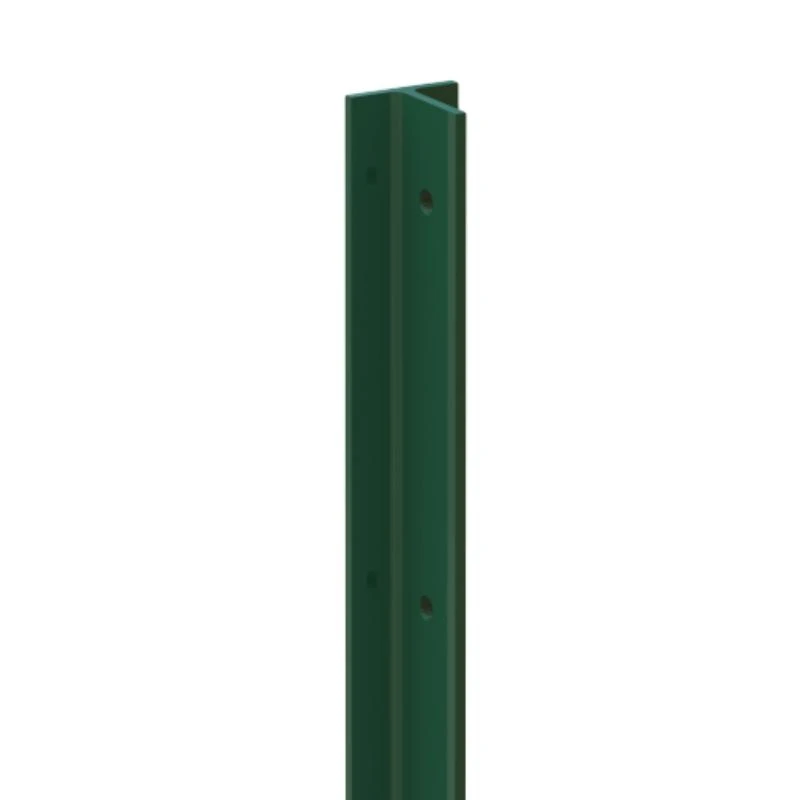
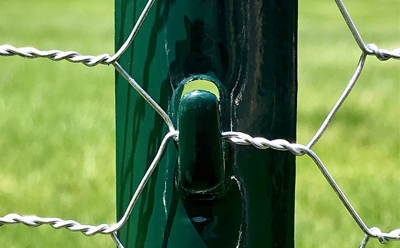
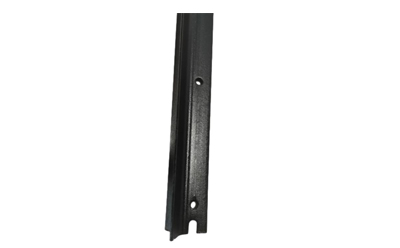
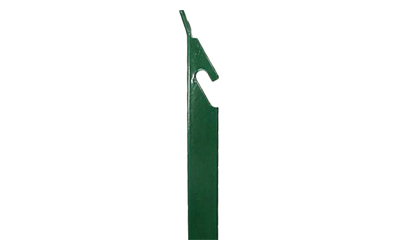












If you’ve ever walked through a vineyard (or even spotted one from afar), you’ve likely noticed the neat rows supported by slender posts holding wires taut. Those are vineyard trellis posts, and while they may seem simple, they are actually pivotal to the entire grape-growing process. Globally, viticulture contributes billions to economies in regions ranging from France to California to Australia, and it’s these posts that largely determine the quality, yield, and longevity of vineyards.
Why should this matter beyond wine lovers? Well, as climate change shifts growing zones and agricultural methods strive to become more sustainable, understanding vineyard trellis posts is crucial for growers and suppliers worldwide to maintain consistency, reduce waste, and improve livelihoods.
Did you know that the global grape production reached roughly 77 million metric tons in 2022 alone (FAO)? A sizable chunk of this comes from vineyards that rely on durable trellis systems to optimize sun exposure and air circulation—critical factors in grape quality and disease prevention. International bodies like the Food and Agriculture Organization (FAO) and the International Organisation of Vine and Wine (OIV) stress sustainable agriculture practices, where well-designed vineyard trellis posts play a surprisingly key role.
Yet, with increasing pressures from extreme weather events—droughts, storms, and temperature swings—the traditional wooden or metal posts sometimes fail, leading to crop damage and economic losses. This is where new materials and design innovation in vineyard trellis posts come in to tackle these issues.
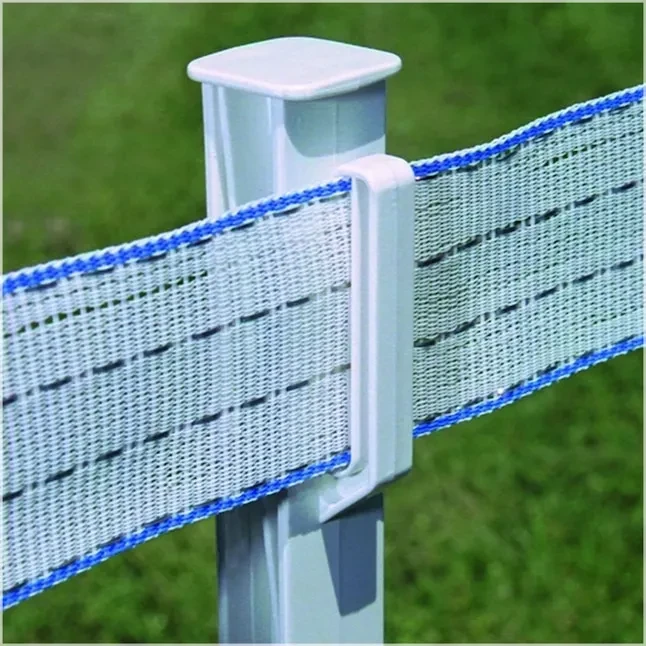
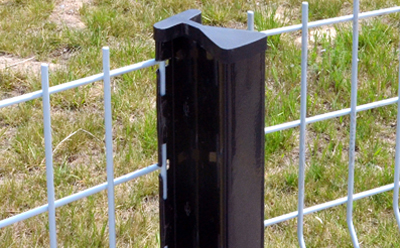
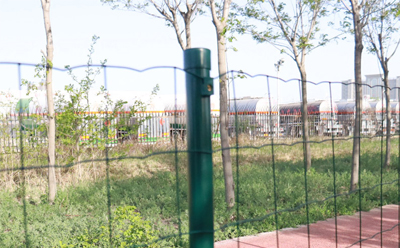
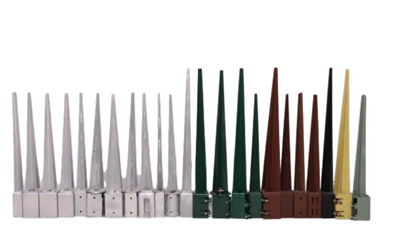
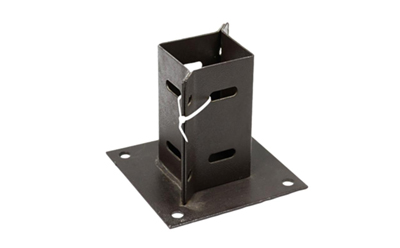
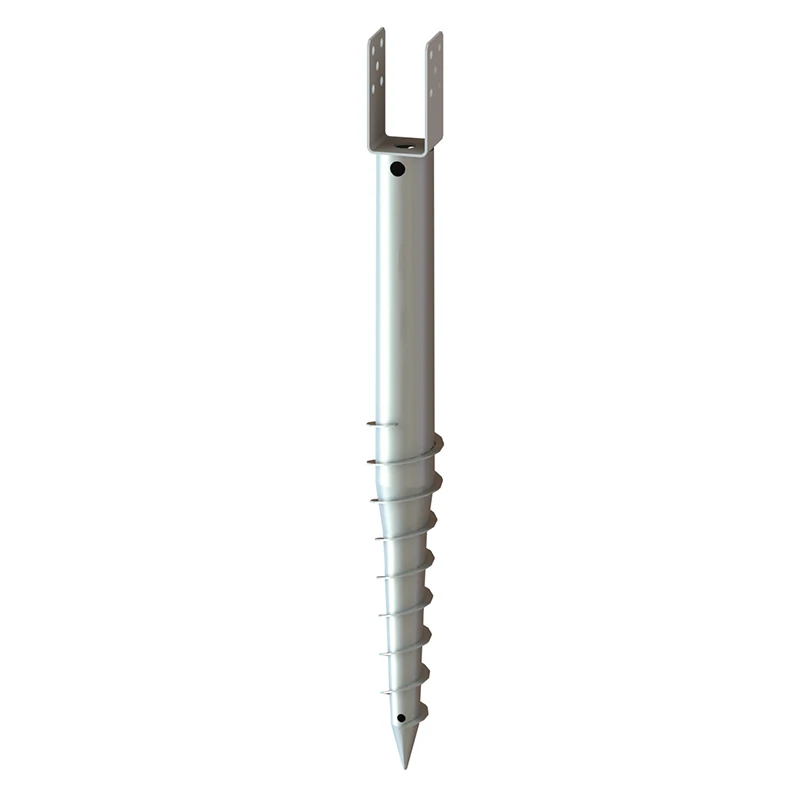
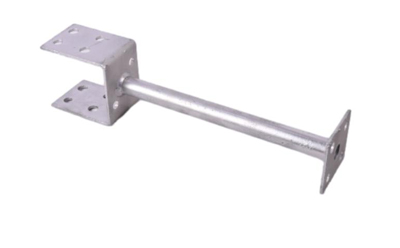
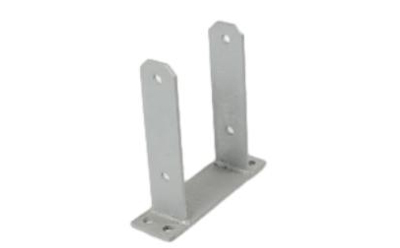
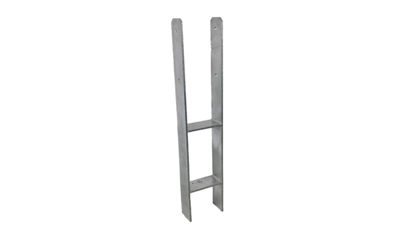
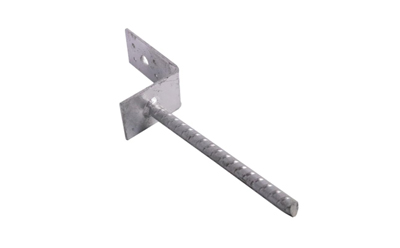
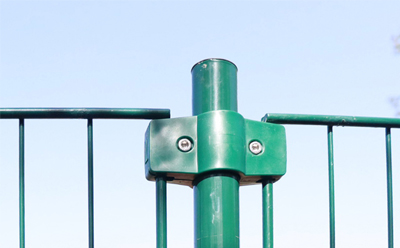
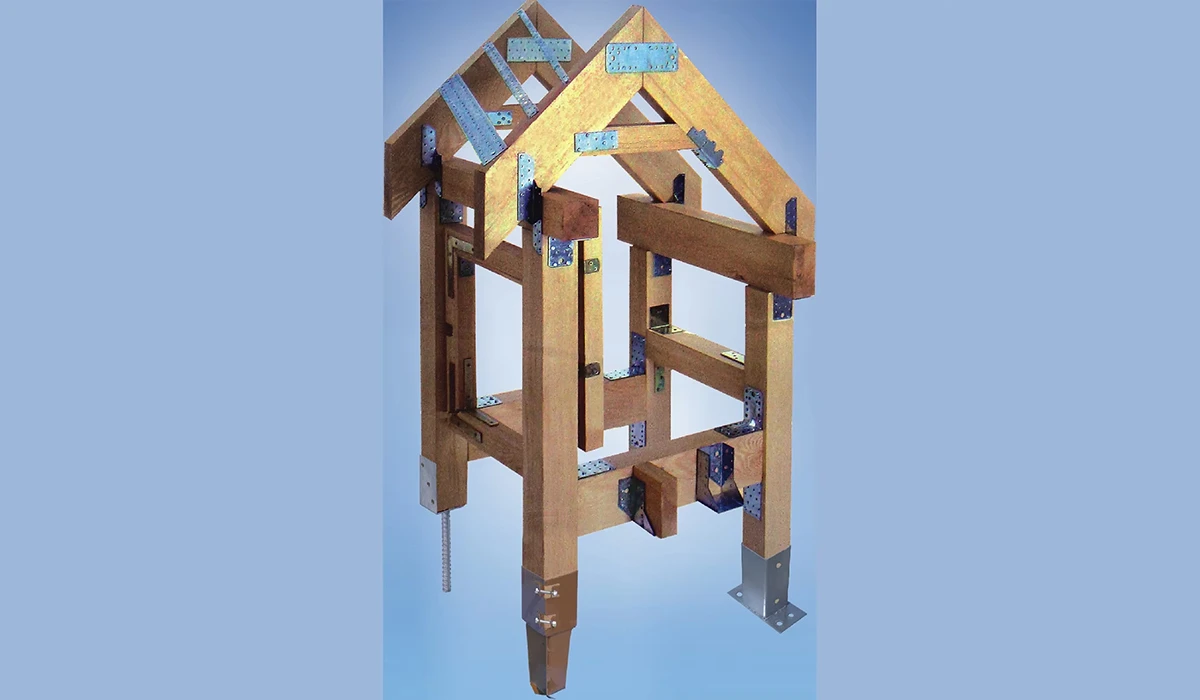
Simply put, vineyard trellis posts are the vertical supports installed in vineyards to hold wires, which in turn bear the grapevines. Imagine them as the vineyard’s skeleton, guiding vine growth in an orderly fashion, enabling sunlight penetration, and helping manage irrigation and harvesting.
While their role seems straightforward, the details — material choice, shape, spacing — are fine-tuned to local soil conditions, climate factors, and the grape varieties grown. Modern vineyard trellis posts are also part of integrated systems that support mechanized pruning and harvesting, making them vital to contemporary viticulture and food security initiatives.
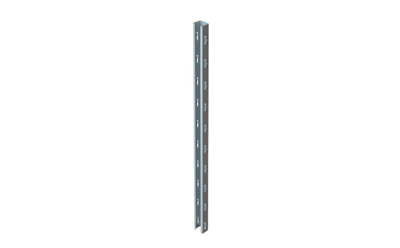
Posts often spend decades out in harsh environments—sun, rain, wind, and even chemical treatments. Materials like treated wood, galvanized steel, fiberglass, and composite plastics each bring different lifespans and maintenance needs. For instance, fiberglass posts resist rot and corrosion better than untreated timber, making them attractive in humid or coastal regions.
Whether you’re managing a few acres or thousands, the trellis system must scale economically. Many modern posts come pre-drilled or designed for easy wire attachment, facilitating fast installation and adjustments — vital for vineyards adapting to shifting market demands.
Costs range from as little as $2 per post for basic wood to over $15 for advanced composite materials. Initial investment is crucial, but so is considering the total cost of ownership—maintenance, replacement cycles, and even the environmental footprint.
Given growing eco-consciousness, vineyard trellis posts made from recyclable or sustainably harvested raw materials are rising in popularity. For example, some posts incorporate recycled plastics or sustainably sourced timber certified by the Forest Stewardship Council (FSC).
Designs often vary depending on vineyard layout, grape varietal training methods (like Guyot, VSP, or cordon systems), and mechanization needs. Vendors now offer customizable posts with adjustable heights, embedded sensors, or even integrated irrigation clips.
| Feature | Wooden Posts | Galvanized Steel Posts | Fiberglass Posts |
|---|---|---|---|
| Average Lifespan | 5–10 years (treated) | 15–30 years | 20–40 years |
| Weight per Post | 4–7 kg | 6–10 kg | 2–4 kg |
| Installation Ease | Moderate | Challenging (requires equipment) | Easy (lightweight) |
| Maintenance Needs | High (periodic treatment) | Low | Very low |
| Environmental Impact | Moderate (sustainable sourcing possible) | High (non-recyclable steel coatings) | Low (recyclable composites) |
From the sun-drenched valleys of Spain to new vineyards emerging in China and South America, vineyard trellis posts support more than just vines. In regions recovering from wildfires or flooding, stronger, longer-lasting posts mean vineyards can rebound faster. I read about a remarkable case in Chile where a vineyard upgraded to composite posts after repeated timber losses during forest fires. The posts not only stood firm but helped workers regain confidence in their land's resilience.
Meanwhile, in Europe, mechanized vineyards rely on steel or fiberglass posts integrated with sensors that monitor vine growth and alert growers about irrigation needs — a tiny glimpse of “smart farming” made practical.
In real terms, it’s about trust in your vineyard’s foundation — literally and metaphorically.
It’s an exciting time. New developments are blending traditional materials with digital tech. Think posts embedded with IoT sensors measuring vine weight, microclimate, even pest presence. Sustainable polymers sourced from bio-based materials are reducing reliance on petrochemicals. Plus, modular trellis solutions promise even faster vineyard establishment, crucial in regions racing to adapt to climate shifts.
Of course, not everything is smooth sailing. Cost remains a big barrier in developing regions where the upfront price of high-tech posts is prohibitive. Additionally, recycling composite posts at end-of-life can be tricky without proper infrastructure. However, many suppliers now offer take-back programs and biodegradable alternatives, showing that innovation isn’t just about product performance but lifecycle responsibility.
| Company | Material Focus | Strengths | Notable Markets |
|---|---|---|---|
| Hebei Metals Co. | Galvanized Steel, Fiberglass | Durability, Custom Fabrication | Europe, Asia, Americas |
| GreenVine Systems | Composite Bio-Polymers | Eco-Friendly, Sensor Integration | North America, Australia |
| EuroTrellis Solutions | Treated Wood, Steel Mix | Cost-Effective, Local Sourcing | Europe, South Africa |
In the end, vineyard trellis posts might look like humble sticks in a field, but they’re robust pillars holding not just vines but the future of sustainable viticulture. Choosing the right post means balancing cost, durability, environmental impact, and innovation. Whether you run a family vineyard or manage large-scale agro-industrial operations, investing time in understanding trellis posts pays off in grape quality and operational resilience.
If you want to explore a broad range of high-quality vineyard trellis posts and custom solutions, don't hesitate to visit our website. The vineyard of the future is built on a foundation you can trust.
Mini Takeaway: Durable, sustainable vineyard trellis posts are quiet heroes in the global grape industry — evolving from simple supports to tech-enabled lifelines for vineyards worldwide.
References:



Copyright © 2026 Hebei Minmetals Co., Ltd. All Rights Reserved. Sitemap | Privacy Policy | Menu