

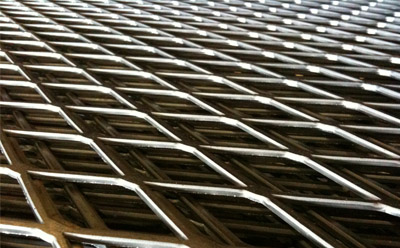
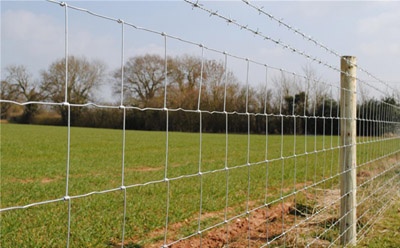
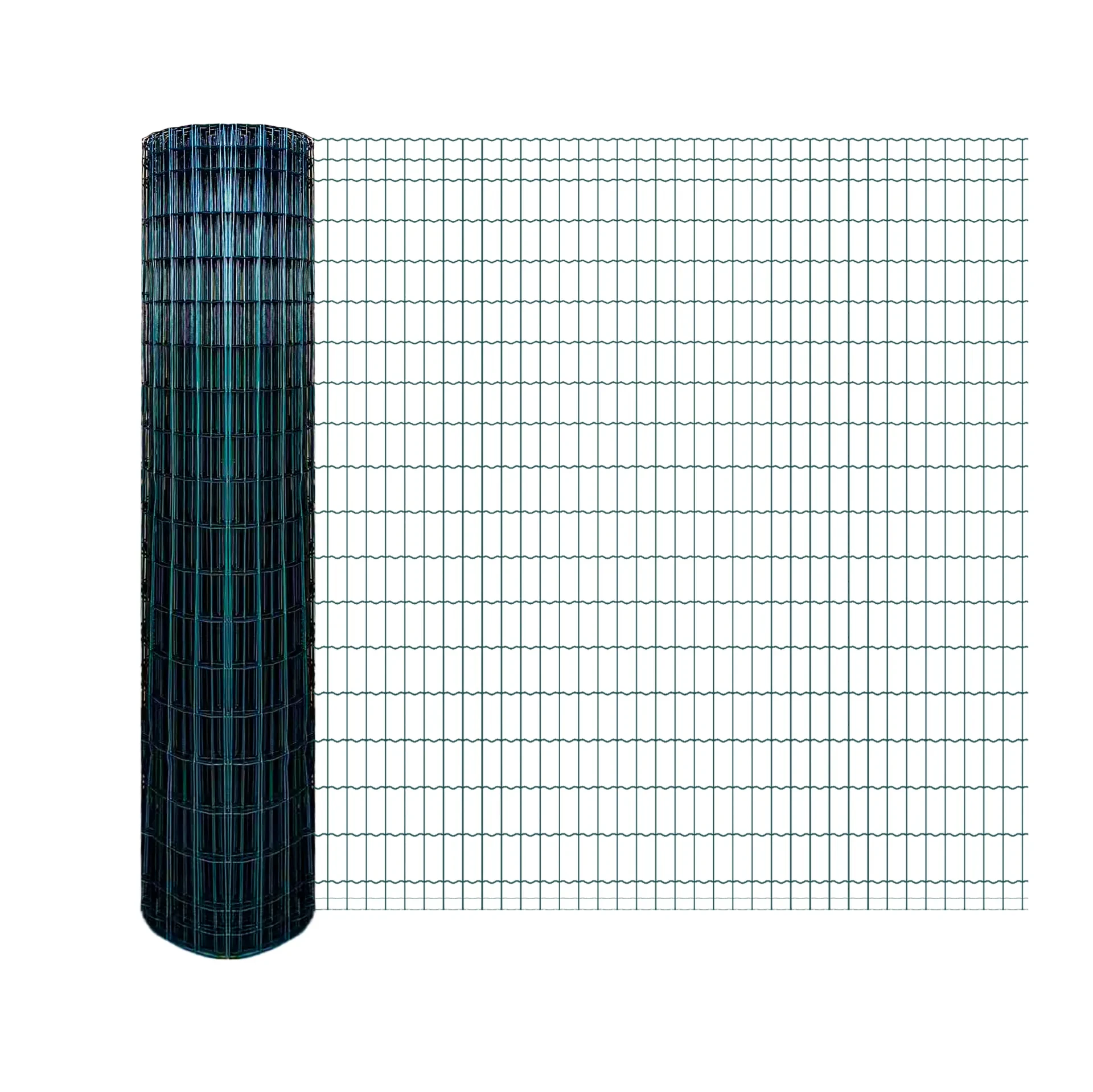
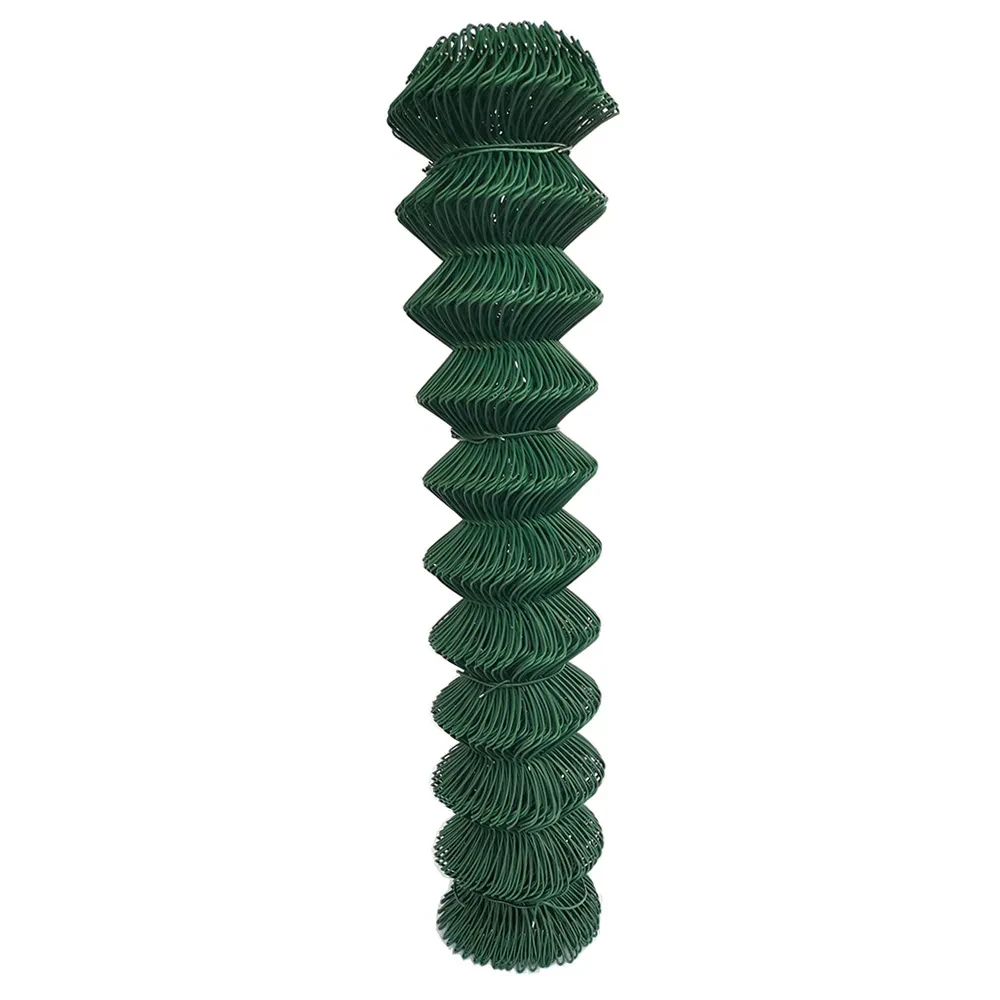
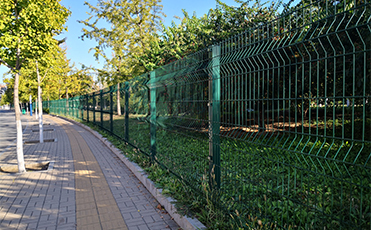
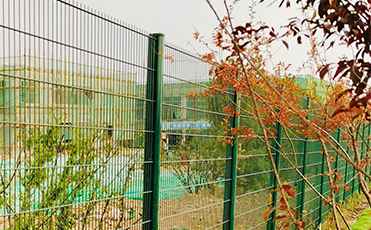
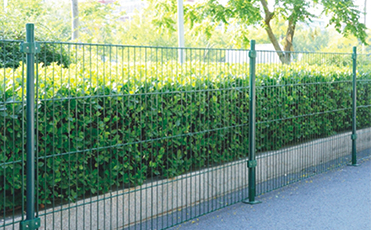
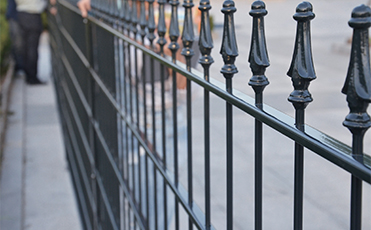
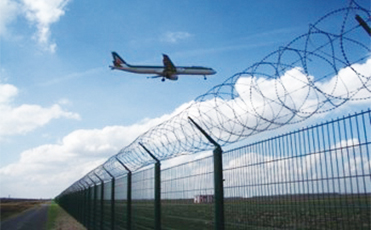
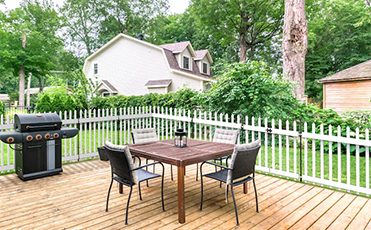
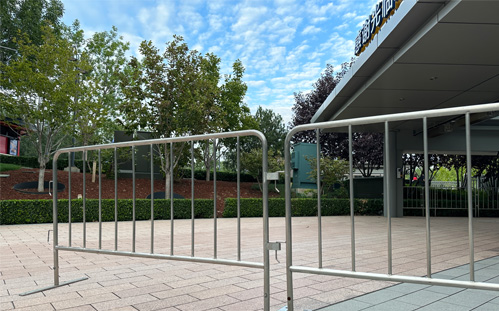
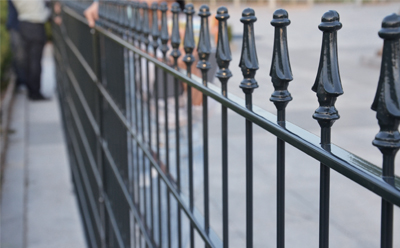
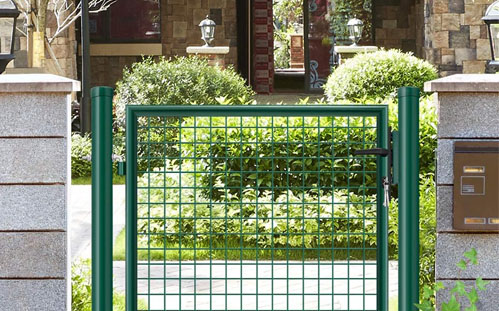
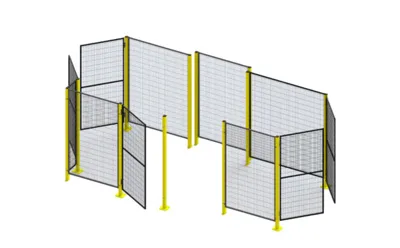
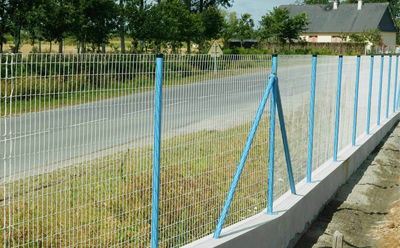
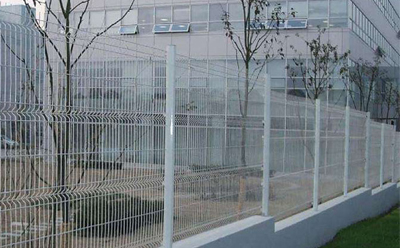
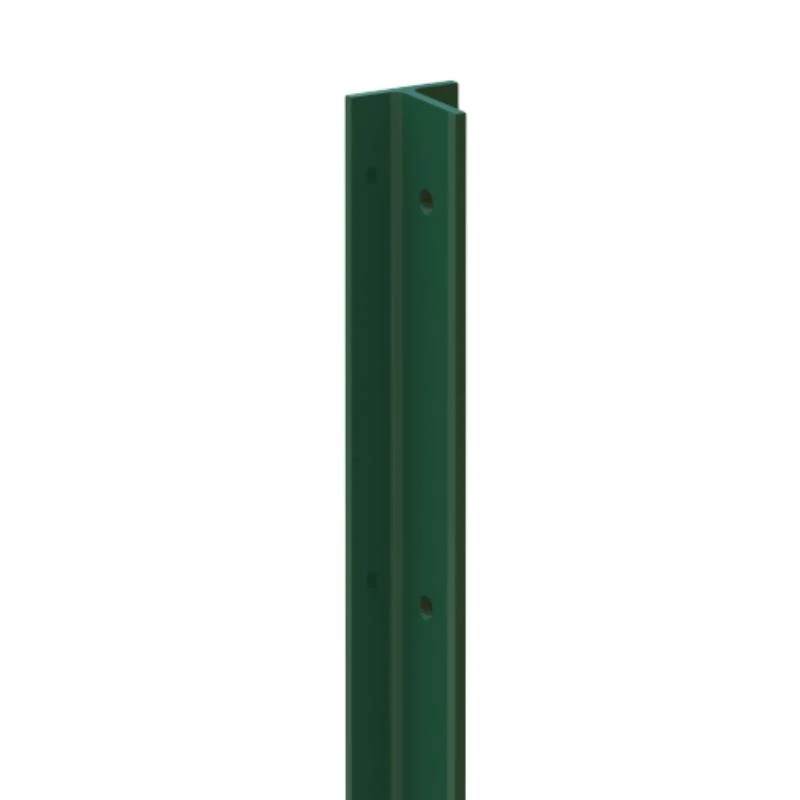
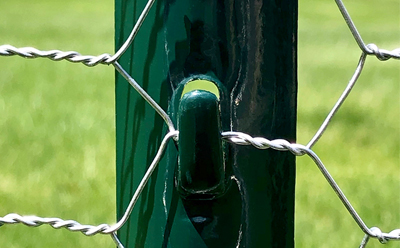
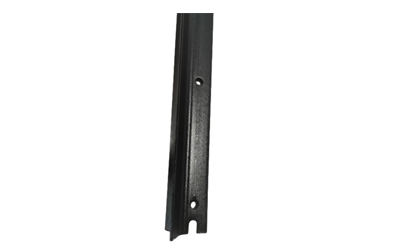
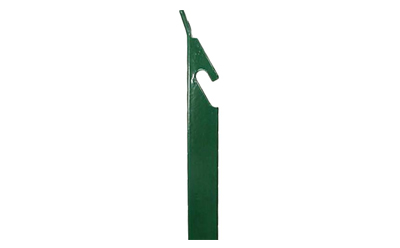
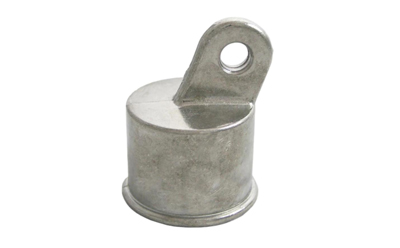
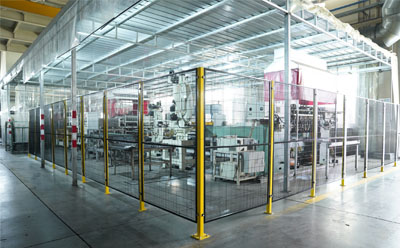
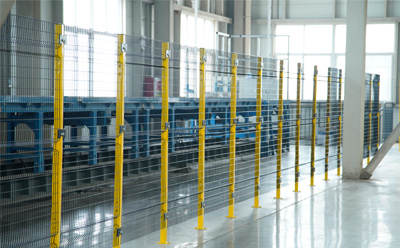
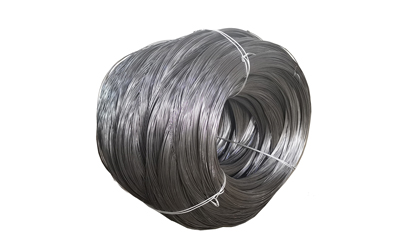














If you’ve ever walked past a neatly fenced field or a secure construction site, there’s a good chance the sturdiness you see owes a lot to wire fence metal posts. Their installation might seem straightforward, but it’s a crucial element not just for property delineation, but for global issues like agricultural management, wildlife protection, and even humanitarian efforts. Put simply, knowing how to install wire fence metal posts properly can save money, enhance safety, and improve durability in environments ranging from rural farmlands to bustling urban zones.
Globally, fences are more than just barriers—they’re lifelines for managing resources and protecting people and animals. According to a report by the FAO, secure fencing supports sustainable land use and reduces conflicts (1). So, understanding this seemingly simple task has surprisingly broad implications.
Fence installation is an uncelebrated hero of infrastructure projects worldwide. The global fencing market is expected to grow steadily—thanks to expanding urbanization, industrial zones, and stricter property regulations (2). In places like Africa and Asia, where agricultural space is expanding and farming needs better wildlife control, the demand is especially strong.
But here’s the kicker: while metal posts are durable, improper installation can cause premature fence failure, costing time and money. And with climate change leading to more extreme weather events, fences must withstand stronger storms and flooding. This is where expert knowledge of how to install wire fence metal posts becomes a vital skill for builders and planners alike.
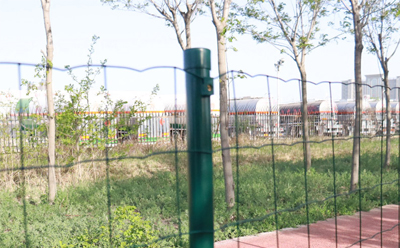
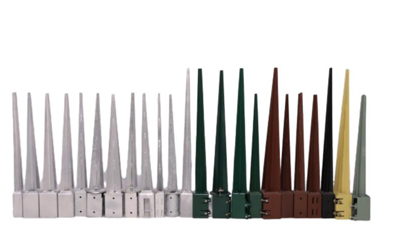
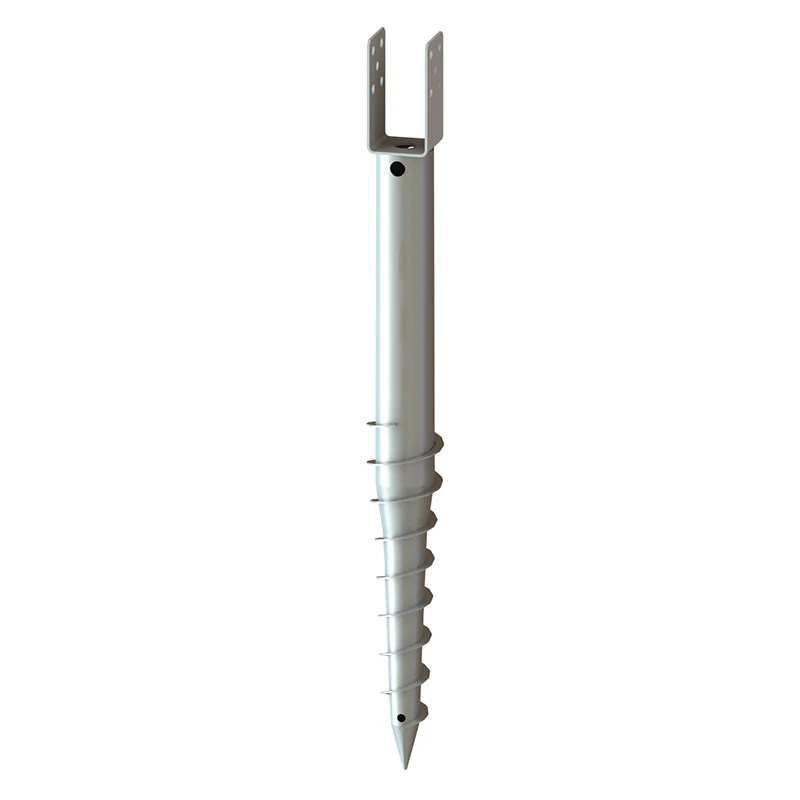
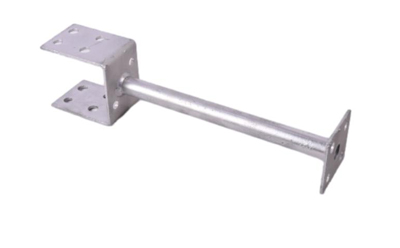
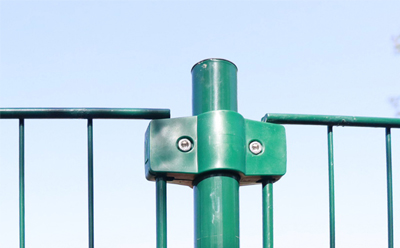
At its core, installing wire fence metal posts means embedding and securing vertical steel or iron supports to hold wire fencing tight and upright. Unlike wooden posts, metal posts resist rot, pests, and warping, which means they’re favored in demanding settings.
This term covers everything from choosing the right post type (like T-posts or U-posts), assessing soil conditions, digging or driving posts into the ground, and tensioning wires properly. It’s as much an art as a science because each site condition demands adjustments.
From modern agricultural enterprises needing multiple-secure enclosures to disaster relief teams erecting temporary barriers, steel fence posts are a versatile solution.
The metal used must be galvanized or coated to resist corrosion. Many engineers say the thickness of steel (expressed in gauge) can mean the difference between a fence that lasts 5 or 50 years.
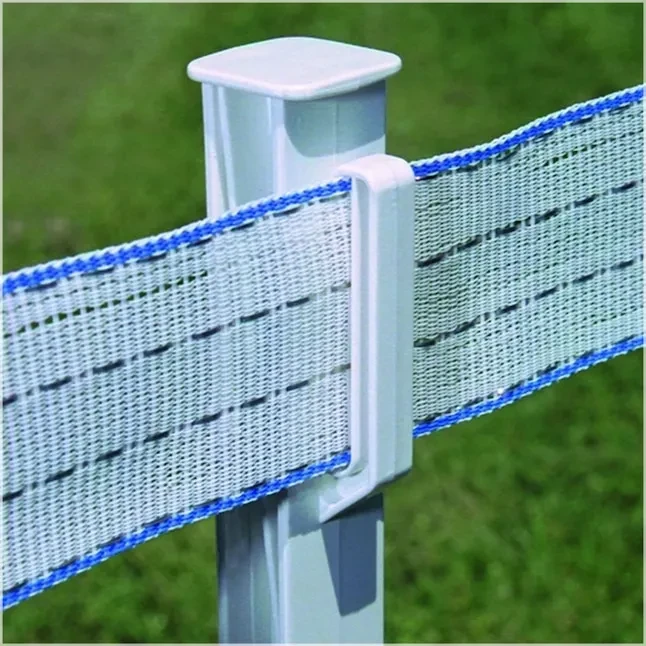
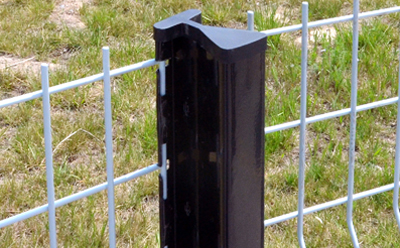
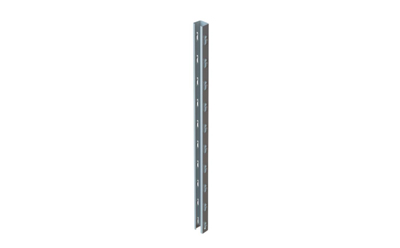
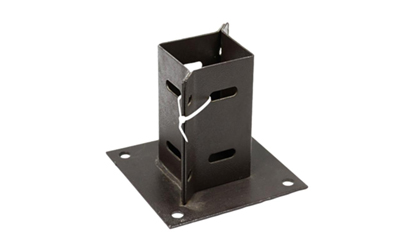
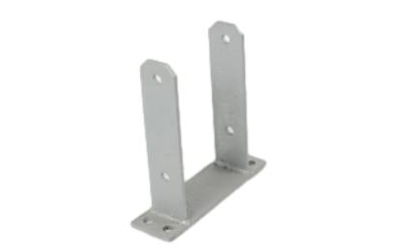
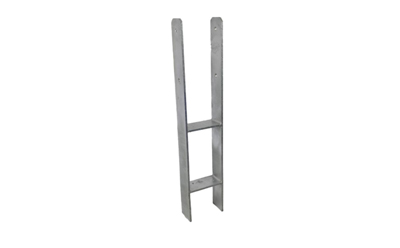
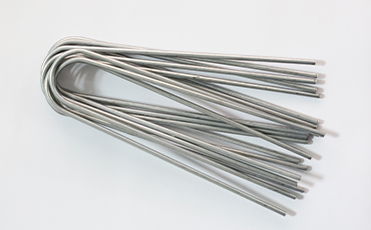
T-posts are common for agricultural fencing because their cross-section holds wire well. U-posts and square tubing serve well in security fencing where rigidity is key.
Whether driven with a manual post driver or set in concrete, proper alignment and depth (usually 2-3 feet) ensure structural stability.
Sandy, rocky, or frozen soils require different installation tactics. For example, frozen ground may need pre-drilling holes.
The wire has to be tightened just right. Too loose and it sags; too tight and the posts risk bending or snapping.
Exposure to salt air, moisture, or chemicals affects post lifespan and maintenance schedules.
The range of where and why wire fence metal posts get installed surprises many. In Australia’s vast outback, they secure livestock across sprawling cattle stations. In Europe, they protect green zones, community gardens, or industrial areas. In disaster-stricken regions, NGOs rapidly install temporary fencing using metal posts to manage camps and ensure safety.
For example, in Kenya, metals posts helped establish improved boundary fencing for wildlife corridors, reducing human-wildlife conflicts (3). And in industrial hubs across China, warehouse facilities rely on metal post fences for security, blending cost and reliability.
People often overlook how a reliable fence can boost local morale—knowing a property’s safe or that livestock are secure is emotional, yes, but it’s real. So the best installers bring skill and respect for these outcomes.
| Specification | Typical Value | Comments |
|---|---|---|
| Material | Galvanized Steel | For corrosion resistance |
| Length | 6 - 7 feet | Suitable for most fencing needs |
| Gauge (Thickness) | 12 - 14 gauge | Balance strength and weight |
| Cross-section | T-Post or U-Post | Popular shapes for wire stability |
| Coating | Zinc galvanization | Prevents rust and increases lifespan |
| Vendor | Product Range | Pricing | Lead Time | Warranty |
|---|---|---|---|---|
| Hebeimetals | T-posts, U-posts, Custom Lengths | Competitive | 2-3 weeks | 5 years |
| SteelSecure Ltd. | Standard T-posts only | Mid-range | 1 week | 3 years |
| GreenFence Co. | Eco-coated metal posts | Higher price | 3-4 weeks | 7 years |
It’s not just about banging metal into the ground anymore. Automation and robotics are starting to assist in post-driving, making installation faster and safer. There’s also growing interest in integrating sensors into fencing for real-time monitoring — preventing breaches or damage.
Materials science is advancing too. New corrosion-resistant alloys and environmentally friendly coatings could reduce chemical usage and increase product lifespans. And with global emphasis on sustainability, more companies are sourcing post materials that are fully recyclable or made from recycled steel.
Some unavoidable hurdles include poor installation in rocky or frozen ground, inconsistent post depth, and wire sag due to improper tensioning. Experts recommend:
Many installers emphasize on-site experience and assessment over rigid checklists — which makes sense, really. Every plot is a little different.
Ultimately, mastering how to install wire fence metal posts means investing in long-term safety, durability, and value. Whether for farming, security, or infrastructure projects, the right post typical of quality and installed well pays dividends over years—sometimes decades. And in a surprisingly interconnected world, these posts quietly support livelihoods, ecosystems, and shelter across continents.
If you’re preparing for your next fencing project or want expert-grade materials, install wire fence metal posts with Hebeimetals. Their experience and quality products can be a real game-changer.
Here’s to stronger fences—and all the stories they keep safe.



Copyright © 2026 Hebei Minmetals Co., Ltd. All Rights Reserved. Sitemap | Privacy Policy | Menu