














At first glance, installing metal garden fence posts might seem like a straightforward task — just dig a hole, set a post, and done, right? Yet, the reality is a bit more nuanced, and grasping its importance on a larger scale is pretty fascinating. Around the world, fencing plays a surprisingly crucial role: securing property boundaries, supporting sustainable agriculture, and even aiding in humanitarian projects. Metal posts especially stand out because of their durability and adaptability, which come in handy wherever a strong, lasting boundary solution is needed.
Whether it's a small suburban garden or a large farming operation, the art of placing these metal supports correctly impacts not only the fence’s longevity but also overall safety and aesthetics. The more you understand about installing metal garden fence posts, the better decisions you make — saving money, avoiding premature repairs, and contributing to greener construction practices.
Globally, agriculture employs more than 27% of the labor force (according to the World Bank). Secure fencing, featuring metal posts, helps protect crops against animals and theft, thereby contributing to food security. In rapidly urbanizing regions, urban fencing defines property lines, enhances safety, and provides visual harmony.
There's also a security and environmental impact. According to ISO environmental standards, using recycled steel for posts reduces carbon footprints by up to 70% compared to wooden posts that demand frequent replacements. Yet, installation continues to be a stumbling block — improper designs or sloppily installed posts cause premature failures or collapse, which potentially wastes resources and frustrates end users.
So, understanding installing metal garden fence posts well aligns with global trends toward sustainability, security, and efficient resource use.
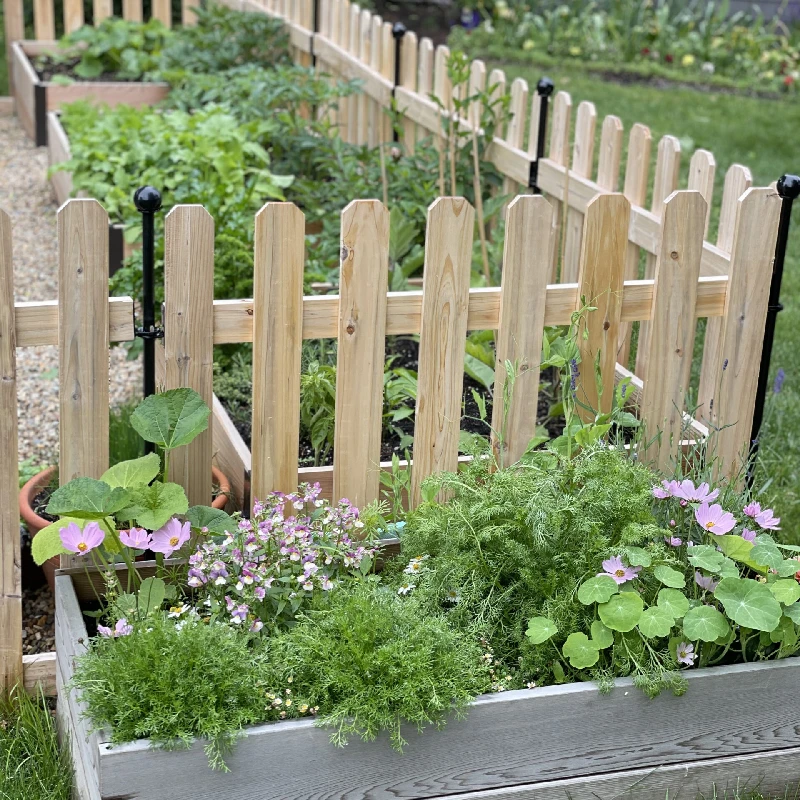
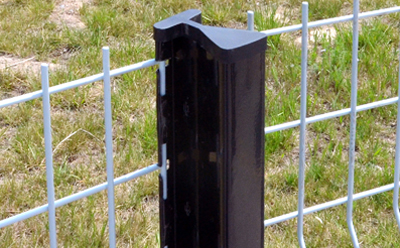
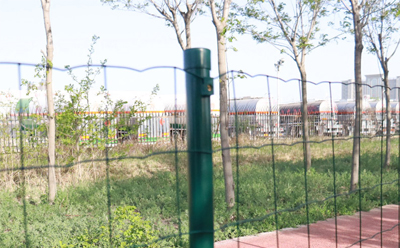
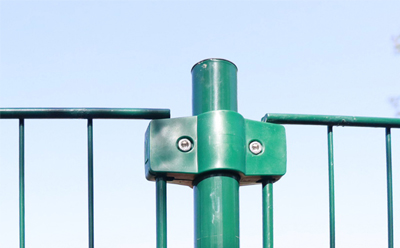
Put simply, this process involves placing vertical metal supports firmly into the ground to hold fencing material like wire mesh, panels, or slats. Unlike wooden posts, metal ones resist rot, insect damage, and weather changes better, making them ideal for long-term use.
But there’s more to it than just digging holes. Proper installation entails selecting the right post type, digging to the correct depth, using appropriate concrete or gravel backfill, and ensuring alignment for the best structural integrity. This technique is increasingly relevant in industries from farming to disaster relief, where quick but sturdy fencing solutions can restore order or protect vulnerable populations.
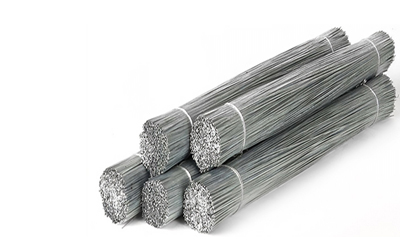
Steel posts are often galvanized or powder-coated to prevent corrosion, a key factor for lasting fences. This durability lowers maintenance costs and reduces environmental waste over multiple fence-life cycles.
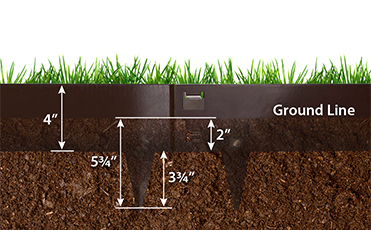
How deep you set the posts can make or break the project. A rule of thumb many engineers swear by is burying at least one-third of the post underground, which improves stability against wind or impact.
Although metal posts might have a slightly higher initial cost than wood, their longevity means you often spend less on replacements and repairs. Long-term savings matter, especially for large properties.
Choosing recycled steel and minimizing concrete use reflects broader eco-consciousness. Some installers now use gravel backfill or polymer stabilizers instead of traditional concrete to reduce CO2 emissions.
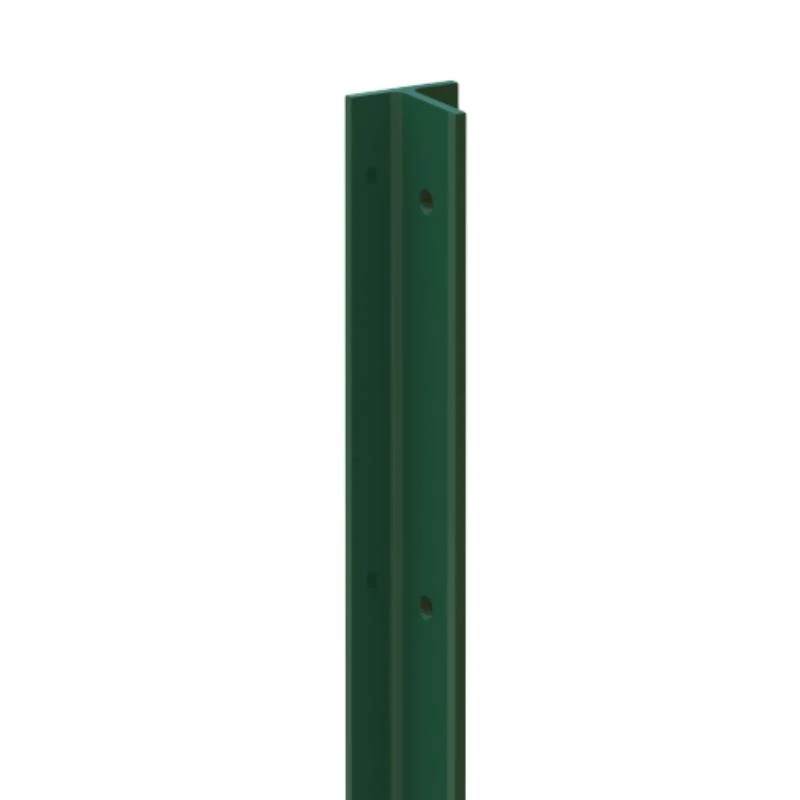
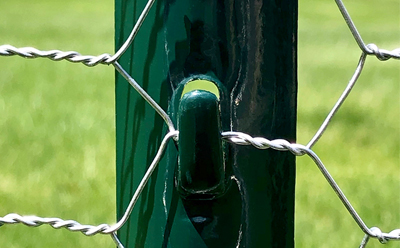
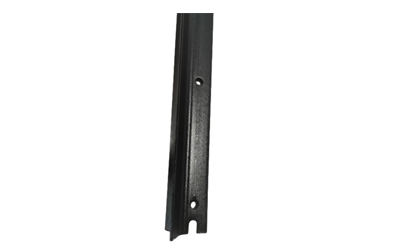
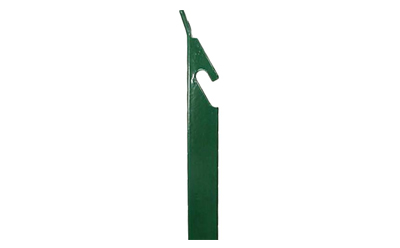
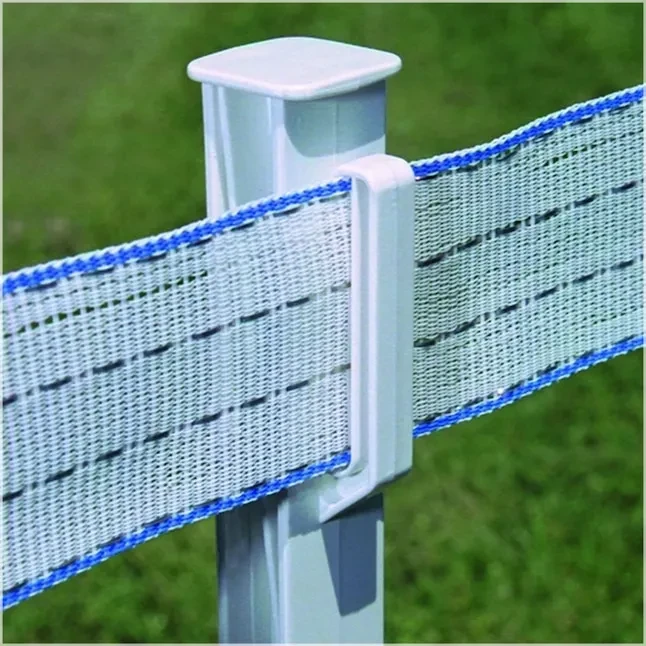
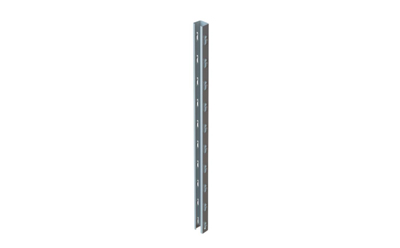
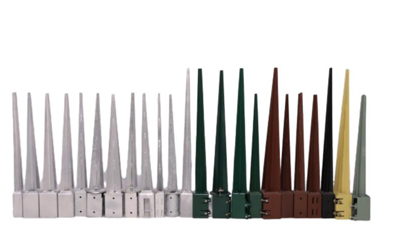
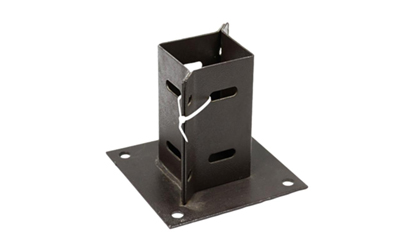
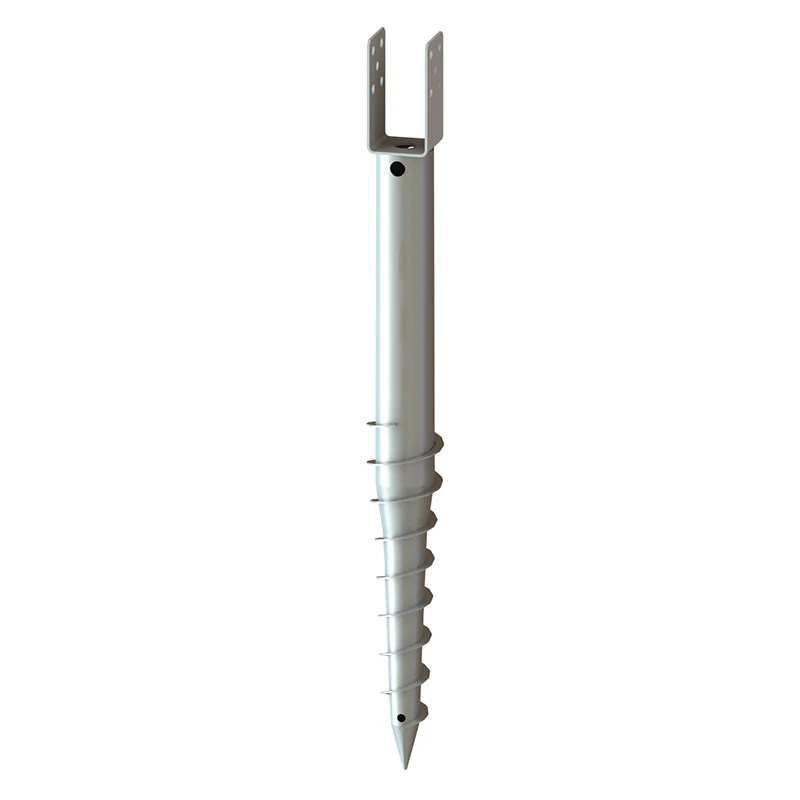
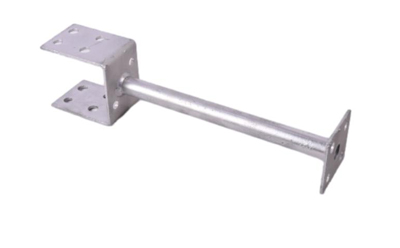
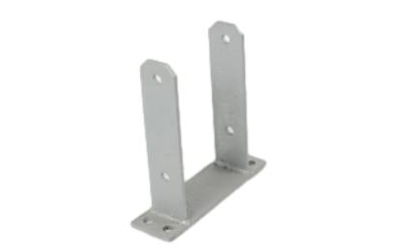
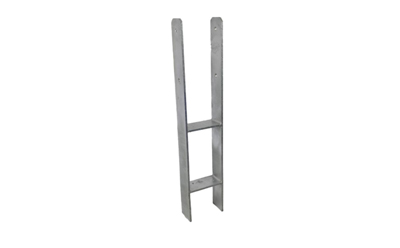
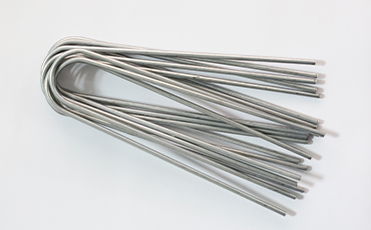
Metal posts come in various shapes (T-posts, U-posts) and lengths, adaptable to different fence types. They can accommodate wires, panels, or even electric fencing for diverse needs.
Following local building codes and safety standards ensures fences remain reliable and mitigates liability risks, particularly in public or commercial settings.
Mini Takeaway: Investing time upfront on the right materials and proper installation technique can spare headaches later — quite literally a hedge against unexpected fence failure.
From Australia’s vast ranches to Europe’s hedged gardens, metal fence posts keep things in check. Here are some examples:
Often, it’s the practicality combined with the adaptability of these metal posts that truly shine in varied global contexts.
Why choose metal posts? Here’s the lowdown:
| Specification | Typical Range | Notes |
|---|---|---|
| Material | Galvanized Steel (Hot Dip) | Resists rust & corrosion |
| Post Length | 1.2m – 2.4m | Depends on fence height & soil conditions |
| Diameter / Cross-Section | 25mm – 40mm round or T/U-shaped | T/U profiles enhance grip for wire |
| Coating Thickness | 45 – 100 microns Zinc Layer | Standard for long-term protection |
| Installation Depth | Minimum 40cm | Deeper in loose soil recommended |
| Vendor | Material Quality | Customization Options | Lead Times | Price Range (per post) |
|---|---|---|---|---|
| Hebe Metals | High—Hot-dip galvanized | Full range of shapes & coatings | 2-3 weeks | $2.50 - $4.00 |
| SteelSafe Co. | Medium—Galvanized | Limited shapes | 1-2 weeks | $2.00 - $3.50 |
| RustGuard Metals | High—Powder coated | Wide color options | 3-4 weeks | $3.00 - $5.00 |
Oddly enough, what feels like a traditional craft is evolving fast. Innovations include:
Despite their advantages, metal posts aren’t perfect:
In real terms, thinking ahead and partnering with seasoned vendors like Hebe Metals makes a world of difference.
There’s something quietly reassuring about a well-installed metal garden fence — it protects, defines, and lasts. In a world that values sustainability, cost-effectiveness, and safety, understanding the ins and outs of installing metal garden fence posts isn’t just useful, it’s smart. Whether you’re a homeowner, a farmer, or someone working in urban planning, investing in quality posts and proper installation unlocks years of trouble-free use and peace of mind.
If you’re ready to upgrade your fencing or simply curious about the best options, head on over to our website. You might be surprised how far a little metal can go.



Copyright © 2026 Hebei Minmetals Co., Ltd. All Rights Reserved. Sitemap | Privacy Policy | Menu