



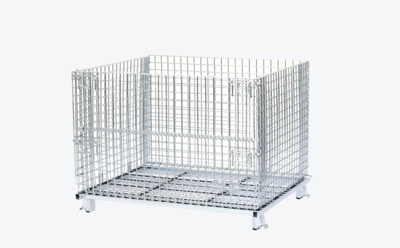














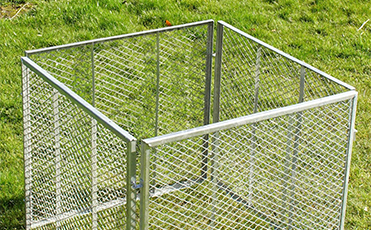
In modern landscape architecture and civil engineering, gabions have become one of the most versatile and durable construction materials available. From decorative garden features to large-scale infrastructure projects, gabion cages, gabion fence systems, and gabion wall baskets are widely used for both functional and aesthetic purposes. Their growing popularity comes from their strength, sustainability, and natural appearance.
A gabion structure is typically made from galvanized steel mesh filled with stones, rocks, or other durable materials. These structures can be stacked, connected, and customized to create retaining walls, fences, erosion control barriers, and architectural features. Whether you are designing a residential landscape or constructing a commercial retaining solution, gabion wall cages and gabion basket retaining wall systems provide long-lasting performance with minimal maintenance.
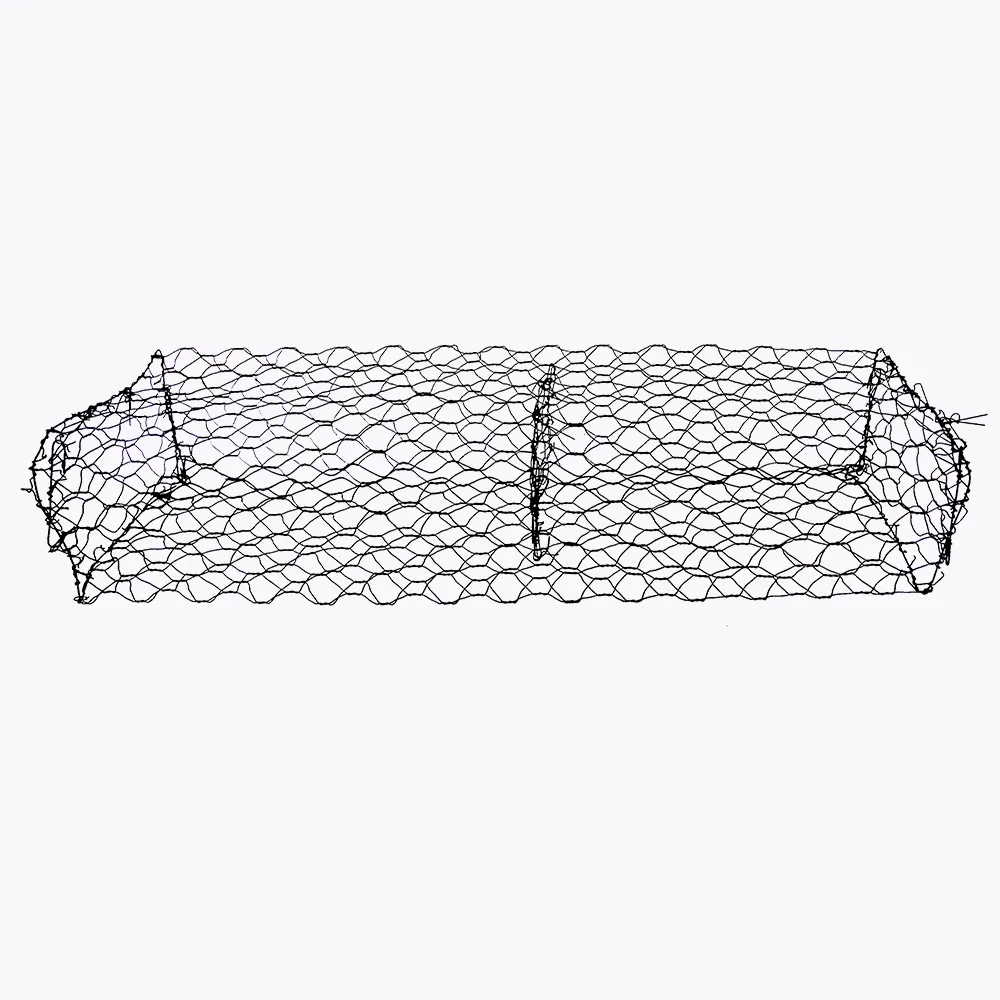
The demand for gabions has increased significantly in recent years because they offer a perfect balance between engineering efficiency and visual appeal. Unlike traditional concrete walls, gabion systems blend naturally into outdoor environments while maintaining excellent structural integrity.
One of the biggest advantages of gabion cages is their flexibility. The wire mesh structure can adapt to slight ground movement without cracking, making them ideal for unstable soil conditions. This flexibility is especially important in applications such as riverbank stabilization and hillside reinforcement.
Another key benefit is drainage. Traditional retaining walls often require additional drainage systems to prevent water pressure buildup. However, gabion wall baskets naturally allow water to pass through the rock fill, reducing hydrostatic pressure and improving long-term durability.
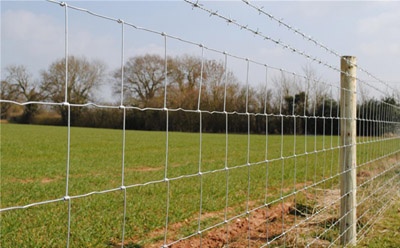
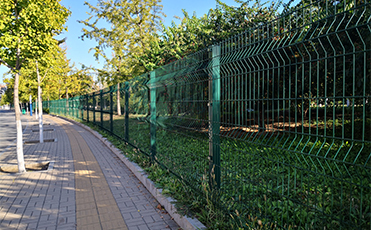
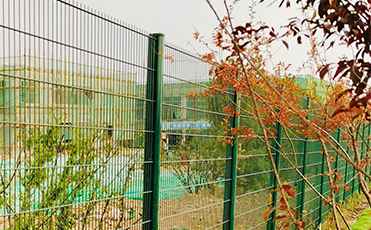
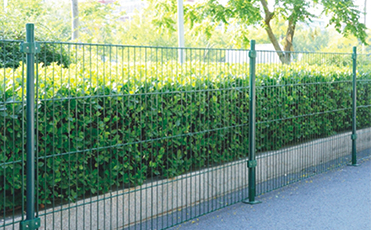
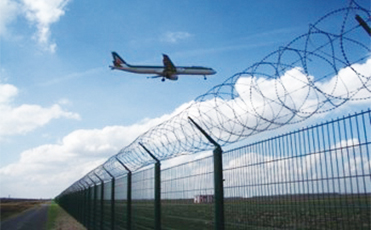
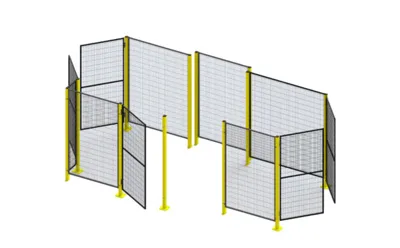
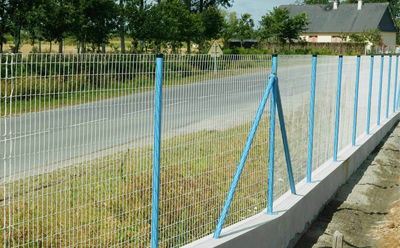
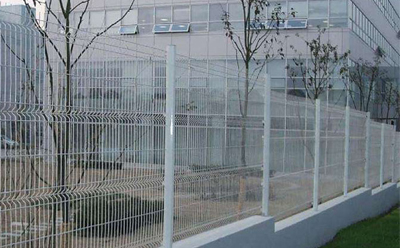
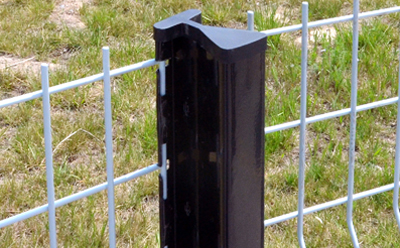
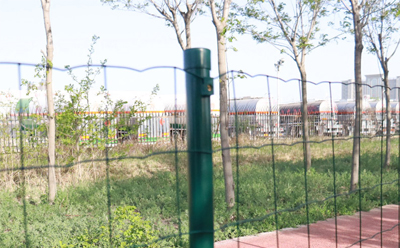
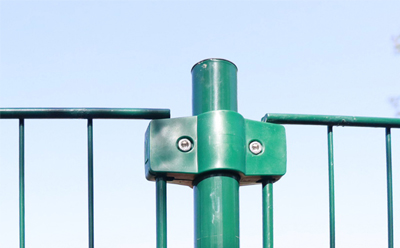
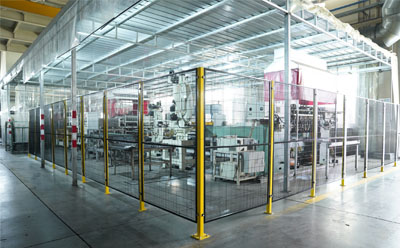
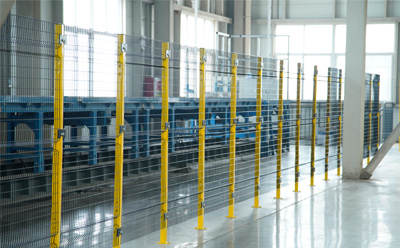
In addition, gabion fence systems have become increasingly popular in residential and commercial properties. They provide privacy, noise reduction, and a unique modern appearance. Property owners often combine metal mesh with decorative stone to create visually striking fences that also offer excellent security.
Environmental sustainability is another reason many engineers and landscapers choose gabion wall cages. Since gabions use natural stone fill and require less concrete, they have a lower environmental impact compared to conventional construction methods. Many projects also use locally sourced rocks, reducing transportation costs and carbon emissions.
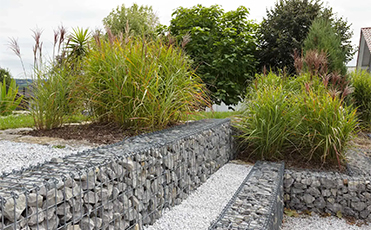
The versatility of gabion wall baskets allows them to be used in a wide variety of projects. One of the most common applications is retaining wall construction. A rock cage retaining wall is highly effective for stabilizing slopes, preventing soil erosion, and supporting elevated landscapes.
In residential landscaping, homeowners frequently install gabion basket retaining wall systems to create terraced gardens, raised planting beds, and decorative boundaries. These retaining walls not only serve a structural purpose but also enhance the natural beauty of outdoor spaces.
Commercial and municipal projects also benefit from gabion wall cages. Highways, railways, and bridge approaches often require strong retaining systems capable of withstanding heavy loads and environmental stress. Gabion structures are particularly useful in these environments because they are durable, permeable, and resistant to weather damage.
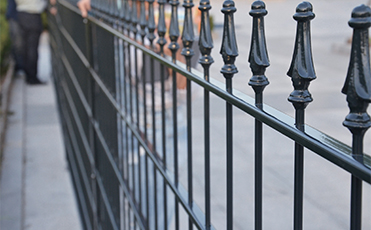
A gabion fence is another increasingly popular application. Unlike traditional wooden or concrete fences, gabion fences can last for decades with minimal maintenance. They are resistant to rust, insects, and weather-related deterioration. Many designers combine stone-filled cages with timber, glass, or metal panels to create contemporary outdoor designs.
In coastal and riverbank areas, gabions are widely used for erosion control. Water currents can gradually wear away soil and destabilize land, but gabion systems absorb and disperse hydraulic energy effectively. This makes them ideal for flood protection and shoreline reinforcement.
Architects are also incorporating gabion cages into urban design projects. Decorative walls, seating areas, outdoor fireplaces, and acoustic barriers can all be created using gabion technology. Their industrial yet natural appearance complements modern architectural styles perfectly.
Selecting the correct rock cage retaining wall solution depends on several factors, including project size, soil conditions, load requirements, and aesthetic goals. Understanding the different types of gabion wall baskets and installation methods is essential for achieving long-term performance.
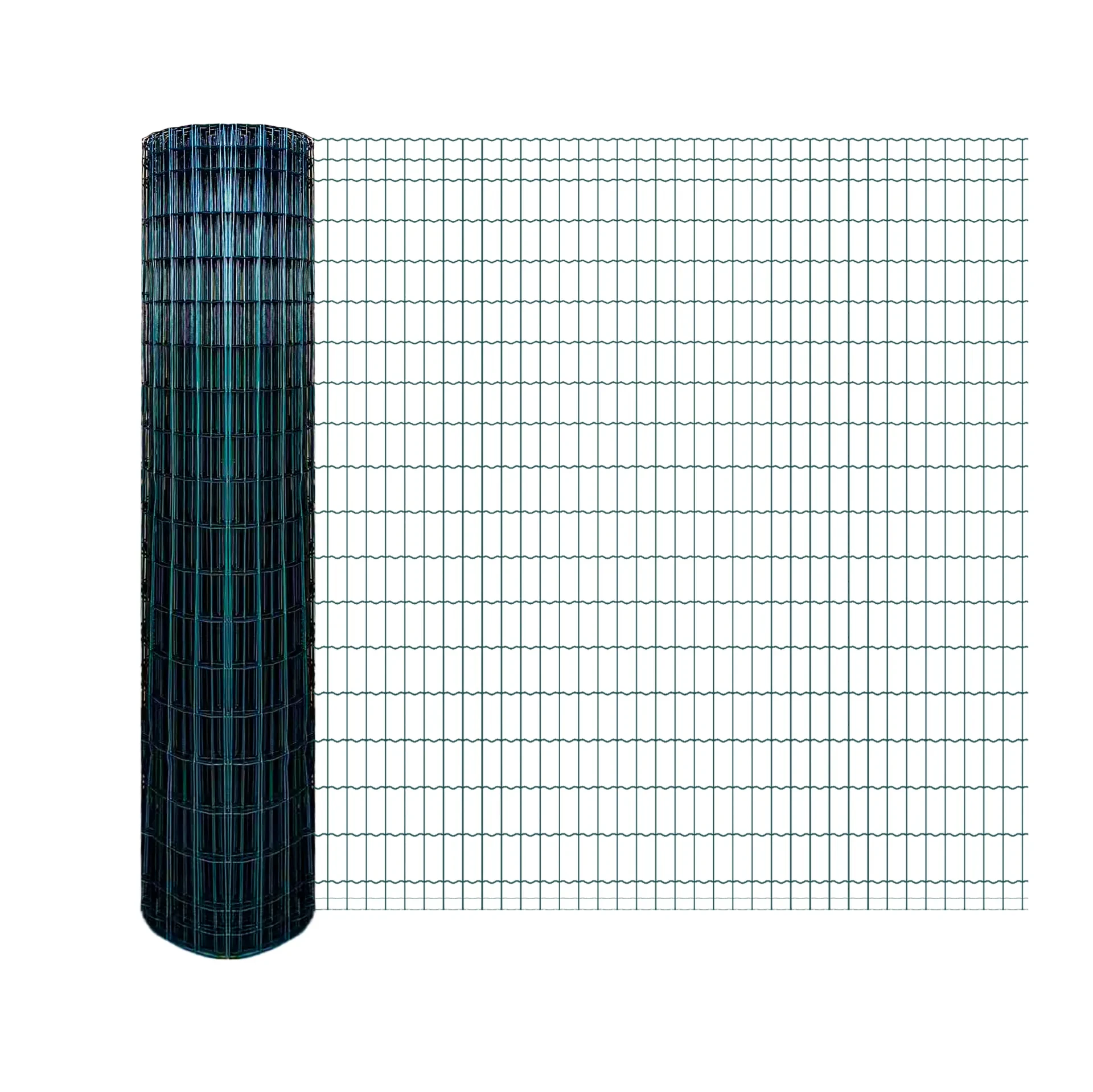
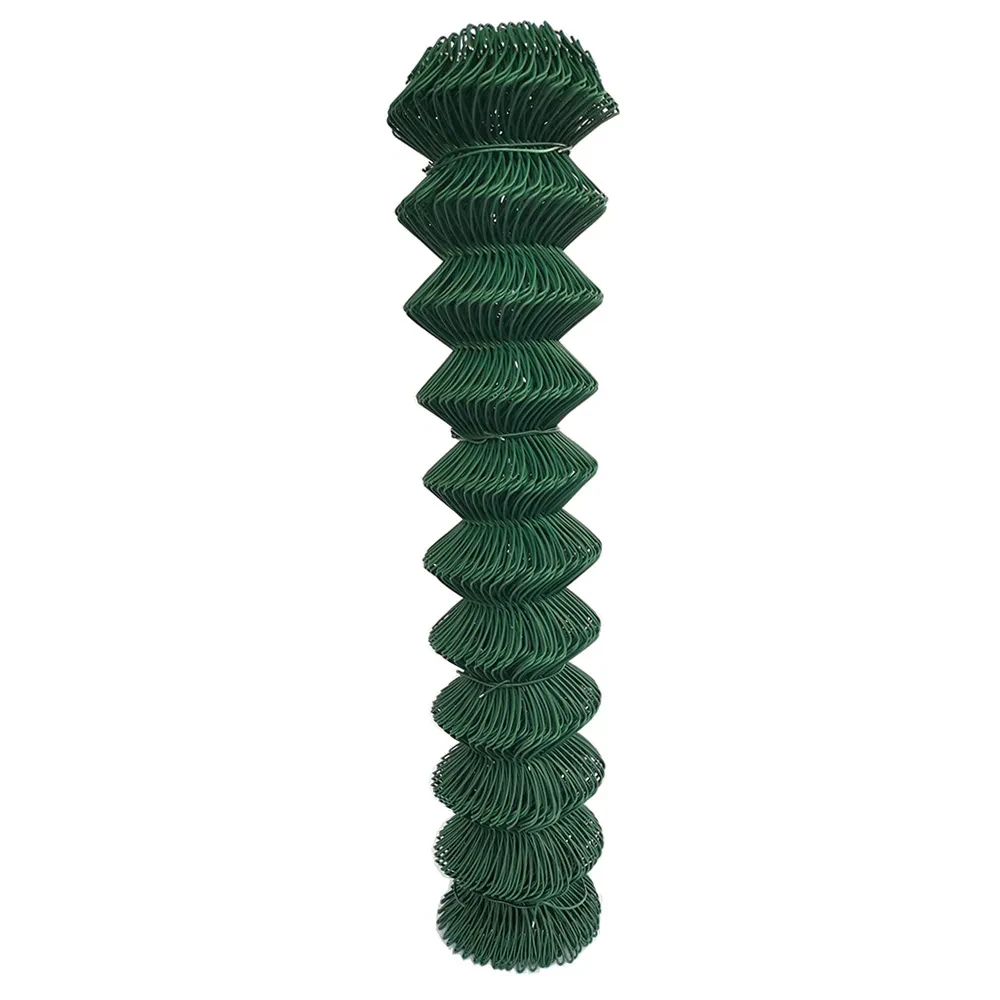
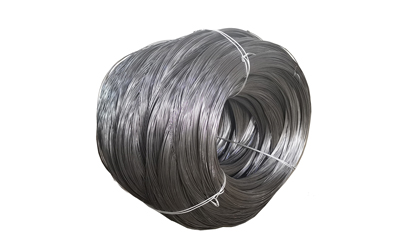
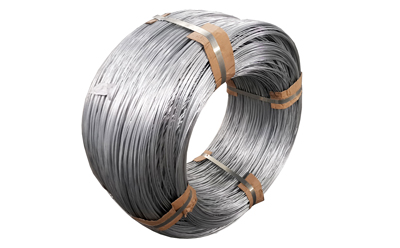
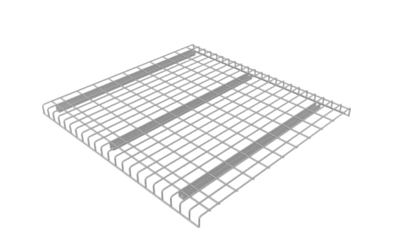
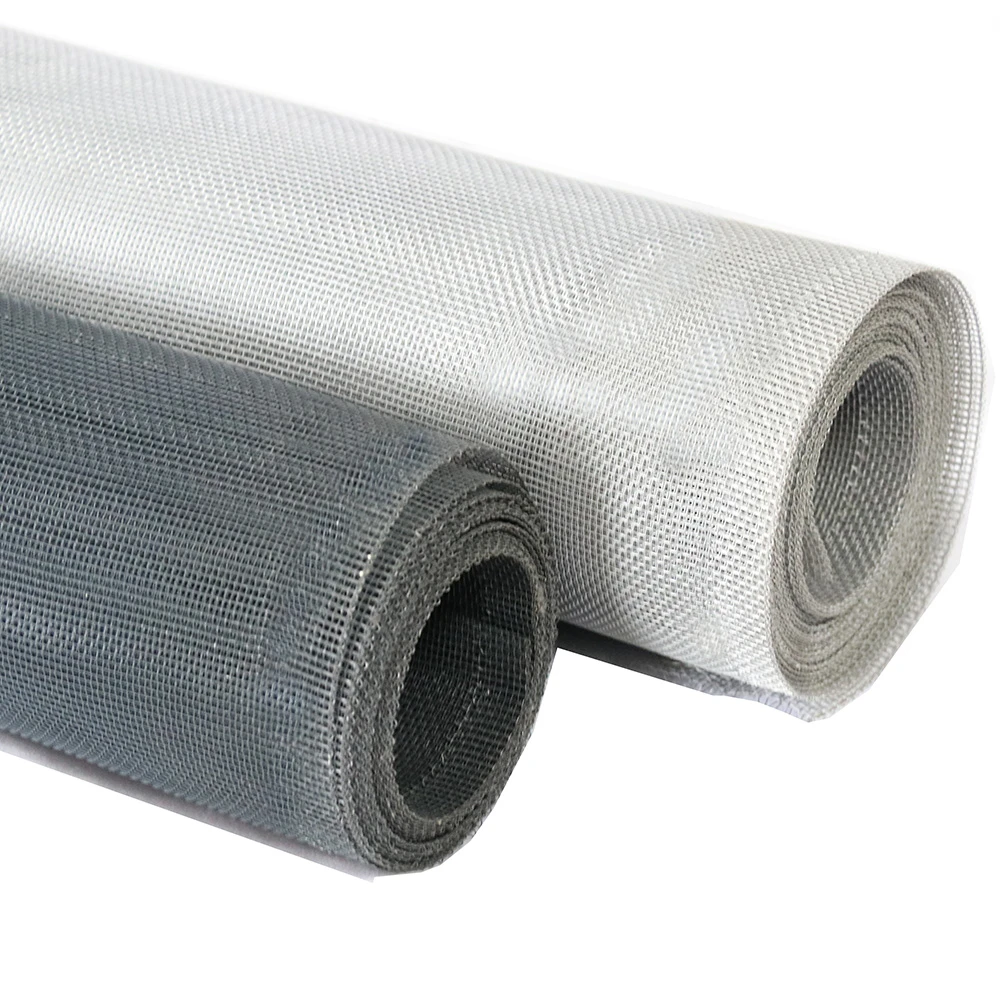
The first consideration is the wire mesh quality. High-quality gabion cages are typically made from galvanized or PVC-coated steel wire to resist corrosion. In harsh environments such as coastal areas, PVC-coated options provide additional protection against moisture and salt exposure.
The choice of stone fill is equally important. The rocks used in gabion basket retaining wall systems should be durable, angular, and appropriately sized to prevent movement through the mesh openings. Natural stones such as granite, basalt, and limestone are commonly used because of their strength and visual appeal.
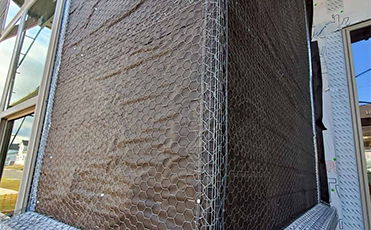
Proper installation is critical for any gabion wall cages project. The foundation should be level and compacted to ensure stability. Larger retaining walls may require geotextile fabric, tie-back systems, or engineering analysis depending on the height and load conditions.
When building a gabion fence, design considerations include fence height, stone color, mesh thickness, and overall style. Some property owners prefer uniform stone for a clean modern look, while others choose mixed rock textures for a more natural appearance.
Maintenance requirements for gabions are generally low. However, periodic inspections are recommended to check for wire damage, settlement, or vegetation growth. Properly installed gabion systems can remain functional for decades, even in demanding environmental conditions.
Cost efficiency is another major advantage of rock cage retaining wall systems. Since gabions often require less excavation and drainage infrastructure than concrete walls, installation costs can be lower. Additionally, the modular nature of gabion wall baskets allows for faster construction timelines.
As landscape and infrastructure design continue to evolve, the popularity of gabion cages, gabion fence structures, and gabion basket retaining wall systems is expected to grow even further. Their combination of strength, sustainability, drainage capability, and architectural beauty makes them an excellent solution for both residential and commercial projects.
Whether used for erosion control, decorative landscaping, or structural reinforcement, gabions provide reliable and visually appealing performance. By selecting high-quality gabion wall cages and using proper installation techniques, property owners and contractors can create durable structures that stand the test of time.

Pervious
This is the First article



Copyright © 2026 Hebei Minmetals Co., Ltd. All Rights Reserved. Sitemap | Privacy Policy | Top Blog丨Menu