

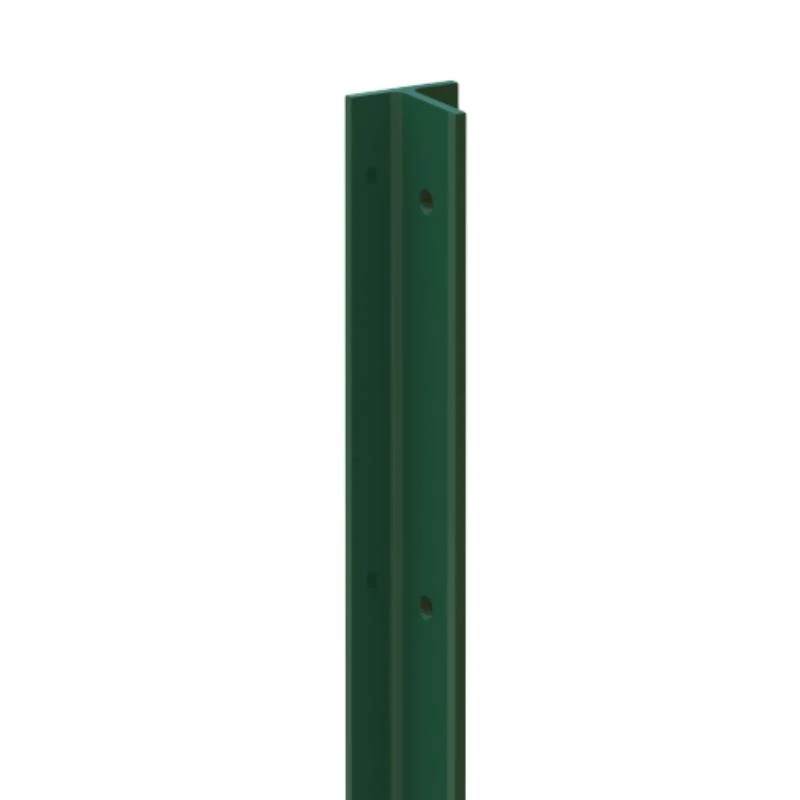
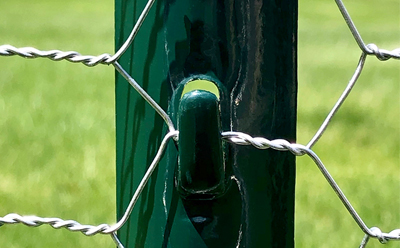
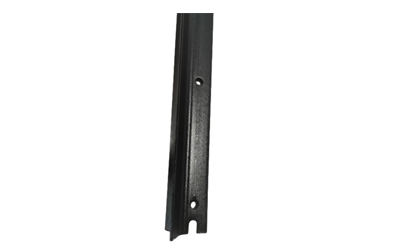
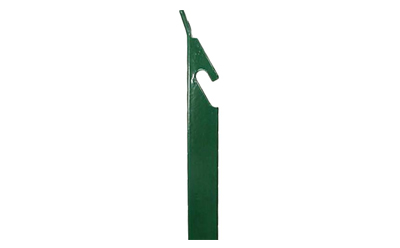












At first glance, vineyard posts might seem like just simple poles holding wires and vines. But a quiet revolution is underway, driven by galvanised steel vineyard posts. These aren’t just your everyday fence posts—they’re engineered solutions that are transforming vineyards worldwide. Why does this matter? Well, grape growing is a huge global industry, touching economies from the rolling hills of France to the sunburnt soils of California, and even emerging regions in Asia and South America. And behind every luscious grape cluster, sturdy support structures play a subtle but essential role.
Understanding galvanised steel vineyard posts isn’t just for vineyard owners and engineers; it’s useful for anyone interested in sustainable agriculture, smart infrastructure design, or even rural development. They improve efficiency, longevity, and reduce environmental impact, all while standing up to harsh elements. Let’s dig into why these posts matter globally, how they’ve evolved, and how they might shape the future of vineyards everywhere.
Globally, the wine industry is valued at over $400 billion (Statista, 2023), and vineyard acreage keeps expanding to meet rising consumer demand. According to the United Nations Food and Agriculture Organization (FAO), vineyards cover more than 7.5 million hectares worldwide. With climate change making weather less predictable and soil conditions more challenging, farmers need infrastructure that lasts and adapts.
Before galvanised steel posts became popular, vineyards often relied on untreated wood or cheaper materials, which fell victim to rot, pests, and weather damage — increasing costs and time for replacements. The adoption of galvanised steel posts addresses many of these challenges, providing strength while reducing maintenance. These posts tackle problems like corrosion in humid or salty environments, vital in coastal wine regions like Chile or South Africa.
In short, as vineyards spread and climate-related challenges mount, galvanised steel posts are part of the silent but critical infrastructure keeping the global wine industry sustainable.
If you’re unfamiliar, galvanised steel vineyard posts are steel structural supports coated with a zinc layer (galvanisation) that protects them from rust and corrosion. This process not only extends the life of the posts but also ensures they remain sturdy through seasonal weather changes, mechanical strain from trellising systems, and heavy crop loads.
In the vineyard, these posts are installed vertically into the ground to hold up wires that support grapevines. They replace traditional wooden posts for a more durable, eco-friendly option that’s easier to install and maintain.
On a broader level, this product fits into the modern agricultural toolkit emphasizing longer-lasting, recyclable, and performance-oriented materials, often required in humanitarian or industry contexts where resources are limited and reliability critical.
Simply put, galvanised steel vineyard posts combine strength with longevity, making grape growing more efficient and weather-proof worldwide.
The galvanised coating—usually hot-dipped zinc—provides excellent resistance to rust, often lasting 25+ years in field conditions. Many winemakers I’ve met praise this durability, especially in humid or rainy climates where untreated wood, sadly, doesn’t survive a full decade.
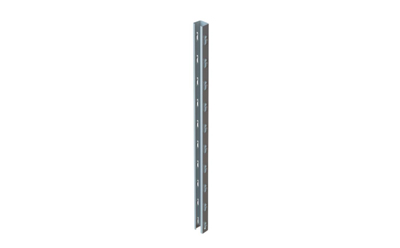
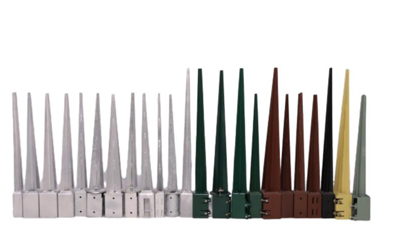
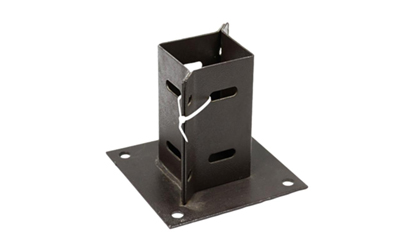
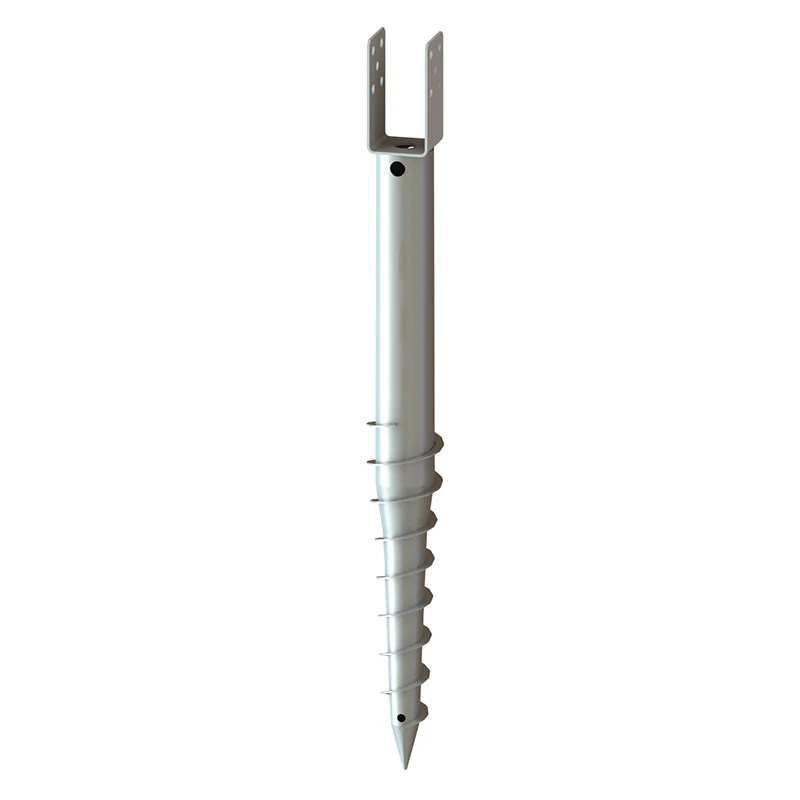
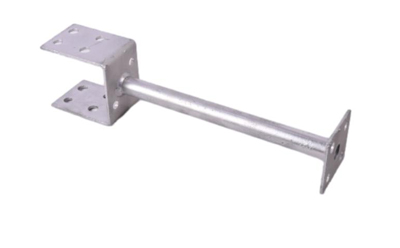
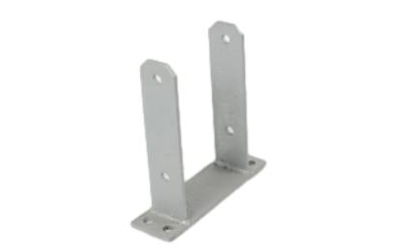
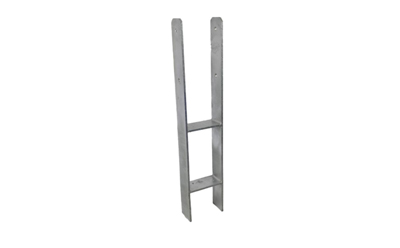
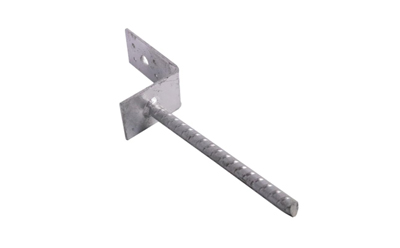
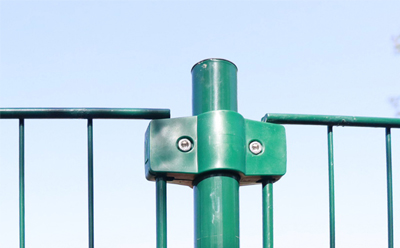
Steel posts come in standardized lengths and shapes (T-posts, U-posts, round posts), allowing easy system expansion or replacement. This flexibility is key when vineyards grow or change trellis designs as new grape varieties or farming methods evolve.
Although the upfront cost is higher than wood, the drastically reduced maintenance and replacement fees mean galvanised posts can save vineyards significant sums over a decade.
Galvanised steel is recyclable. In fact, scrap steel retains value and gets reused, aligning with global agriculture’s push for greener methods. This contrasts sharply with wood harvesting, sometimes from sensitive forest areas.
Lightweight and easy to transport, these posts can be set up quickly with minimal tools, saving labor. Precision in design ensures even weight distribution on trellis wires for healthier vine growth.
The combination of strength, adaptability, cost savings, and environmental benefits explains the growing global shift to galvanised steel posts.
From sun-drenched Australian vineyards to the chilly slopes of Germany’s Mosel region, the practicality of galvanised steel vineyard posts has been embraced worldwide:
One case worth mentioning is a vineyard in New Zealand hit by severe storms in 2019. The vineyard’s switch to galvanised steel posts beforehand helped prevent total trellis collapse, saving years of work and investment.
Real-world applications confirm that the durability and reliability of galvanised steel vineyard posts translate into tangible resilience against nature’s unpredictability.
| Specification | Typical Range/Value |
|---|---|
| Material | Hot-dip galvanised steel (mild carbon) |
| Dimensions | Length: 1.8–2.4m; Diameter: 25–38mm (varies by design) |
| Coating Thickness | Average 85 microns (μm) zinc layer |
| Weight | Approximately 1.2 to 2.0 kg per post |
| Corrosion Resistance | 25+ years in typical vineyard environments |
| Installation | Hand-driven or machinery-assisted placement |
| Supplier | Coating Type | Customization Options | Lead Time | Support & Warranty |
|---|---|---|---|---|
| Hebeimetals (China) | Hot-dip galvanised standard | Custom lengths & shapes | 2–4 weeks | 12-month warranty; 24/7 client support |
| EuroSteel (Europe) | Hot-dip & electro galvanising | Selective coating thickness | 3–5 weeks | 5-year warranty; engineering consultancy |
| VinePost Co. (USA) | Hot-dip galvanised + powder coating option | Color & length customized | 1–3 weeks | 10-year warranty; on-site support |
What gets me excited is how technology keeps creeping into even traditional farming tools like vineyard posts. There’s ongoing research to improve the coating processes — more ecological galvanising baths, zinc-aluminium alloys for stronger corrosion resistance, and even nano-coating applications.
Another frontier is integrating digital sensors into posts to monitor tension in trellis wires or detect environmental data — sort of a “smart vineyard” concept. Automated installation robots might arrive sooner than you think, especially as labor shortages hit agriculture globally.
Then there’s the sustainability angle, where companies experiment with CO2-efficient steel production methods, fitting into future climate regulations.
Galvanised posts aren’t perfect. Sometimes their rigidity can be a challenge in very rocky soils where flexibility is needed. Also, while corrosion resistance is excellent, mechanical damage during installation can expose steel underneath. That reminds me of a vineyard owner who stressed the importance of gentle handling.
Some innovative growers combine steel posts with flexible vine ties or dampers to reduce wear-and-tear. Coating repair sprays and more careful shipping protocols have helped reduce common setbacks too. Honestly, it’s about balancing cost, durability, and practical realities.
A1: In most vineyard environments, galvanised steel posts can last 25 years or more. Their zinc coating protects against rust, and proper installation plus periodic inspection ensures they maintain structural integrity for decades.
A2: Yes. Steel is highly recyclable, and galvanising extends product life, reducing the need for replacements. While wood is renewable, it often comes from timber plantations, sometimes impacting ecosystems. Steel's long life and recyclability give it an edge in sustainability.
A3: Absolutely. Most manufacturers, like galvanised steel vineyard posts suppliers, offer customization in length, cross-section shape, and coating thickness to suit specific trellis systems or soil types.
A4: They perform exceptionally well. The zinc coating protects against salty air and moisture, important in coastal vineyards like those in Chile or South Africa, where untreated materials would degrade quickly.
A5: Maintenance is minimal but advisable. Visual inspections for mechanical damage or coating wear should be done periodically. Damaged areas can be touched up with galvanising spray paint to extend service life further.
Galvanised steel vineyard posts—simple yet brilliantly engineered—offer a balance of durability, cost-efficiency, sustainability, and versatility. From estate vineyards in Europe to emerging wine regions in Asia, they form the strong, invisible framework supporting thriving grapevines and better yields.
If you’re considering an upgrade, or planting a new vineyard, exploring galvanised steel posts is a smart move. They let you focus on what really matters: quality grape growing.
Want to learn more or browse options? Visit galvanised steel vineyard posts to discover how these posts can support your vineyard’s success.
References:



Copyright © 2026 Hebei Minmetals Co., Ltd. All Rights Reserved. Sitemap | Privacy Policy | Menu