

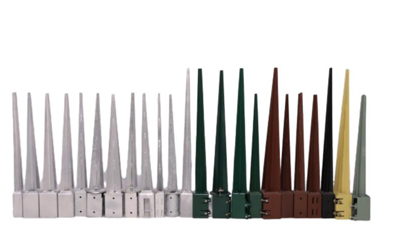
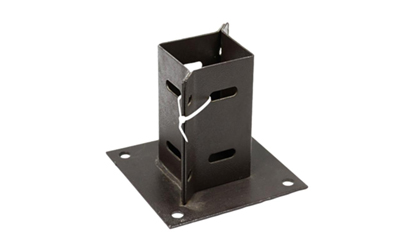
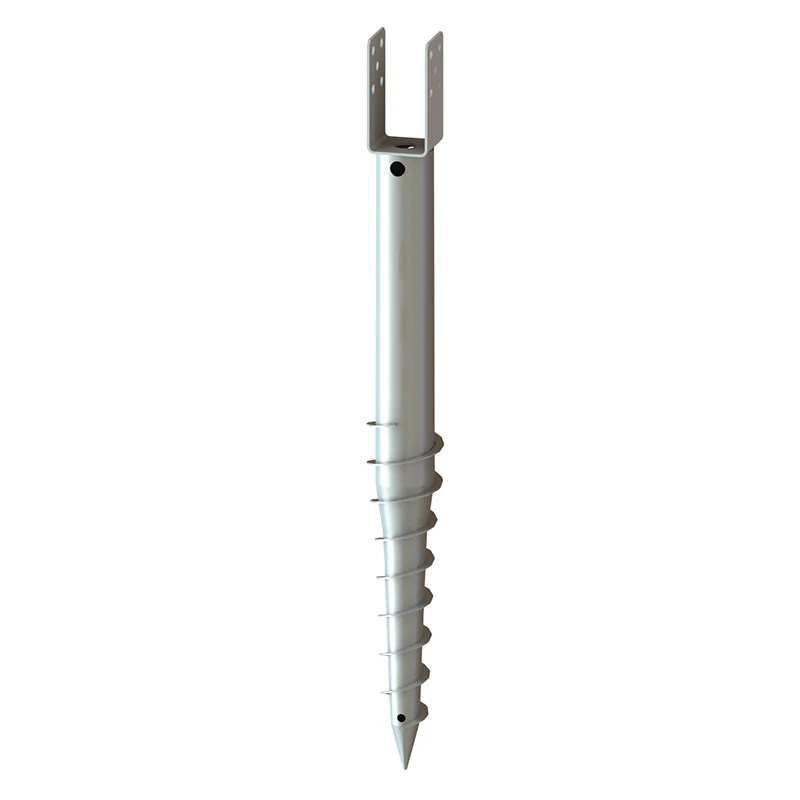
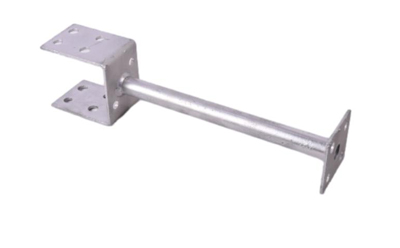












When you picture a vineyard, you probably imagine neat rows of grapevines stretching across sunlit hillsides. But behind that idyllic landscape lies a critical piece of hardware — the steel vineyard post. These unsung heroes support grapevines, enabling growers to maximize yield, streamline harvest, and ultimately produce better wine. Globally, with vineyard areas expanding due to changing climates and shifting agricultural zones, understanding steel vineyard posts isn't just for farmers—it's for engineers, suppliers, and environmentalists too.
Frankly, the role of sturdy, reliable support structures in viticulture is often overlooked but vitally important. With climatic challenges like wind storms, heavy rains, or extreme drought, vineyards need robust infrastructure to thrive. Steel vineyard posts offer resilience, cost-effectiveness, and long life—all crucial in a competitive global agricultural market.
Mini takeaway: Steel vineyard posts combine agricultural tradition with modern material science, shaping the future of sustainable viticulture worldwide.
The global viticulture industry currently covers over 7.3 million hectares, with the largest producers in Europe, the Americas, and Australia. According to the International Organisation of Vine and Wine (OIV), vineyards represent not only an economic powerhouse but also a significant cultural and ecological asset. Yet, many vineyards face soil erosion, unpredictable weather, and resource management issues.
Steel vineyard posts emerged as a solution to replace traditional wooden stakes, offering longer-lasting, eco-friendlier options. With challenges such as deforestation and wood cost volatility, steel has become the go-to material in many growing regions. Plus, rising labor costs make installation efficiency more critical than ever, and steel vineyard posts often arrive pre-treated and pre-configured.
Oddly enough, what began as a small innovation for row support is now embedded in the global strategy for sustainable agricultural infrastructure. Whether in wine country of California or the subtropical terrains of South Africa, steel vineyard posts help vineyards withstand environmental pressures and nurture quality fruit.
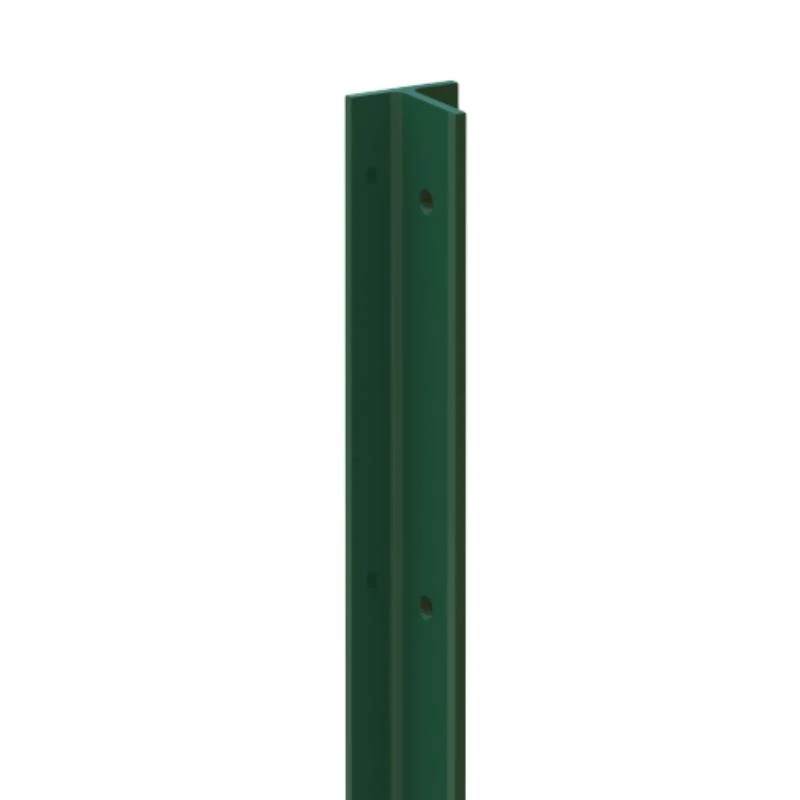
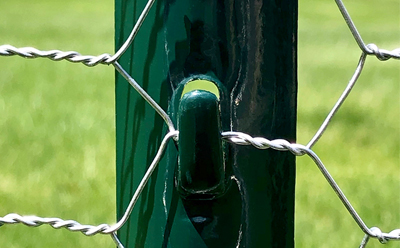
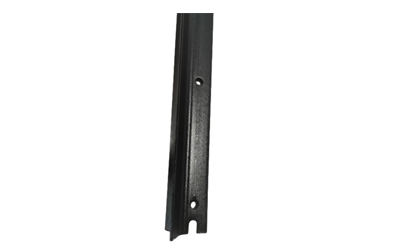
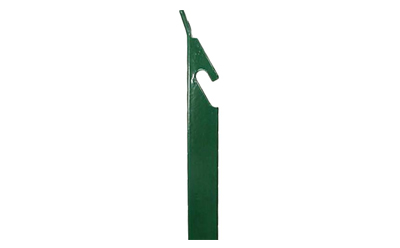
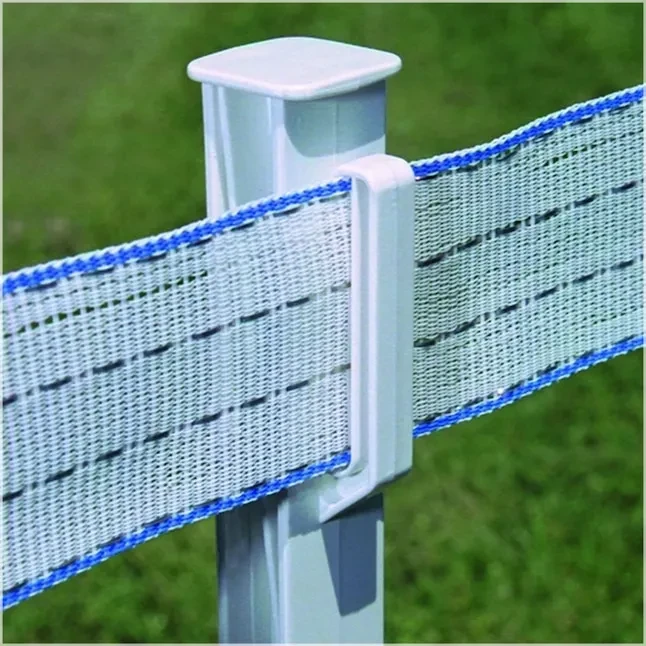
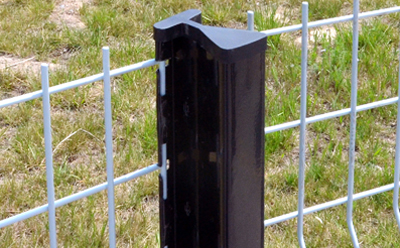
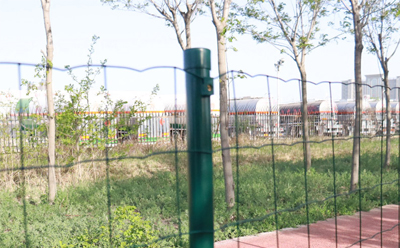
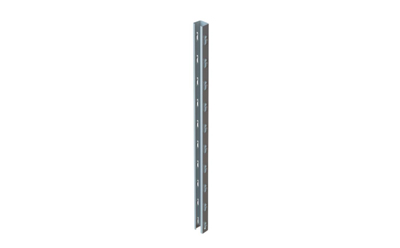
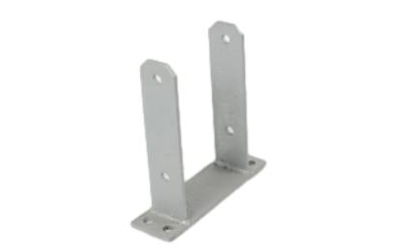
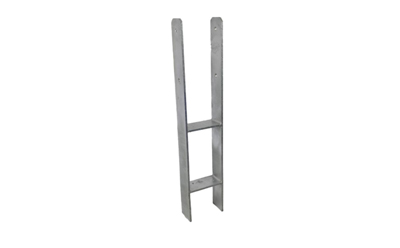
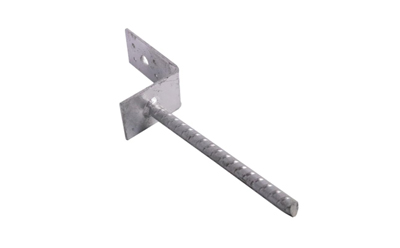
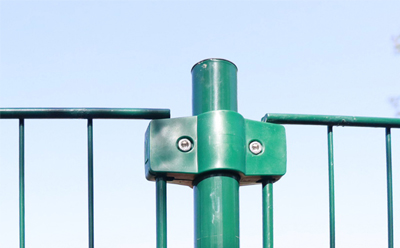
Simply put, steel vineyard posts are metal stakes designed to support grapevines in vineyard rows. They serve as anchors for trellising wire systems that hold up grapevine canopies, leaves, and fruit. Unlike wooden posts, steel comes in tubular or H-shaped profiles, treated to avoid corrosion, and engineered to withstand mechanical strain.
In humanitarian and industrial terms, these posts symbolize durability and adaptability—feeding the world without sacrificing the environment. Many modern designs integrate galvanized coatings to extend service life beyond 30 years, reflecting industry standards (such as ISO 12944 for corrosion protection).
Steel vineyard posts are not just strong—they’re also designed to resist rust, rot, and damage caused by soil chemicals. Many suppliers use hot-dip galvanization or powder coating to ensure posts keep their integrity for years. This means less frequent replacement cycles, reducing vineyard downtime.
One of the nicer aspects of steel posts is their flexibility. Ranging from simple T-posts to sophisticated H-shaped profiles, they can be tailored for different soil types, climates, and canopy weights. This scalability allows growers to invest smartly, adapting post size and spacing according to vintage conditions or vine variety.
Initial costs might look higher compared to wood, but when you factor in labor savings, lifespan, and minimal maintenance, steel vineyard posts often come out ahead. Plus, many steel products today include warranties that cover corrosion and structural failures.
Steel is recyclable, and many manufacturers use recycled content in production. Using steel vineyard posts responsibly contributes to sustainable farming, aligned with global efforts like the UN’s Sustainable Development Goals, reducing deforestation and waste in agricultural supply chains.
Because of uniform shapes and consistent lengths, steel posts simplify mechanized installation, saving time during busy planting seasons. This enhances labor productivity—a critical factor as seasonal workers become harder to secure in many regions.
Mini takeaway: When considering vineyard infrastructure, steel vineyard posts offer a checkmark in every box—durability, scalability, cost, sustainability, and efficiency.
Steel vineyard posts aren’t confined to fancy wineries or large estates; their footprint is global and diverse:
In a post-disaster context, say after floods or storms, steel vineyard posts facilitate rapid re-establishment of trellis lines—a piece of the puzzle toward economic recovery and food security. Industrial zones also use them for orchards and non-wine agriculture, proving their versatility.
It’s tempting to just think about cost when choosing vineyard posts. But the real benefits go far beyond money:
Emotionally speaking, using steel posts feels like investing in vineyard legacy and reliability—because a vineyard isn’t just land. It’s heritage.
Green tech now plays a role here too. Besides greener manufacturing practices, companies are experimenting with:
Ultimately, these innovations promise to further optimize yields while reducing the environmental footprint of vineyard infrastructure.
Still, it’s not all smooth sailing. Some challenges persist, such as:
Innovative responses include:
Engineers and vineyard managers say planning for climate and soil conditions up front leads to smarter purchasing and longer posts’ lifespans.
| Specification | Value |
|---|---|
| Material | Galvanized Steel (G90) / Hot-dip Galvanized |
| Shape | T-Post, U-Post, H-Post |
| Length Options | 1.2m to 3.0m (customizable) |
| Weight | 2.5 to 5.0 kg per post |
| Corrosion Protection | Hot-dip galvanizing or powder coating |
| Warranty | 10-15 years (depending on coating) |
| Feature | Hebe Metals | Greenfield Steel | VinoPost Ltd. |
|---|---|---|---|
| Material Grade | G90 Hot-Dip Galvanized | G60 Electro-Galvanized | Powder Coated Steel |
| Customization Options | Length, Profile, Coatings | Length Only | Length, Color |
| Minimum Order Quantity | 100 pcs | 500 pcs | 200 pcs |
| Lead Time | 2 Weeks | 4 Weeks | 3 Weeks |
| Warranty | 15 Years | 10 Years | 12 Years |
Looking at the big picture, steel vineyard posts offer a blend of practicality and forward-thinking sustainability. They stand up to harsh environmental conditions, promote efficient farming processes, and align with global efforts toward greener agriculture. If you want your vineyard to thrive for decades—whether in sunny California, green Europe, or emerging wine regions—you owe it to yourself to consider high-quality steel vineyard posts.
Don’t wait until the wood rots or storms knock down your supports—make an informed choice now and give your vineyard its best chance at success. For detailed specs and bulk pricing, visit our website and explore your options today.
Mini takeaway: Strong, sustainable, and smart—steel vineyard posts are a foundational element for modern viticulture.



Copyright © 2026 Hebei Minmetals Co., Ltd. All Rights Reserved. Sitemap | Privacy Policy | Menu