








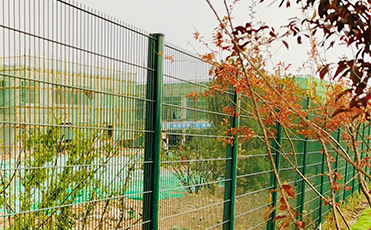
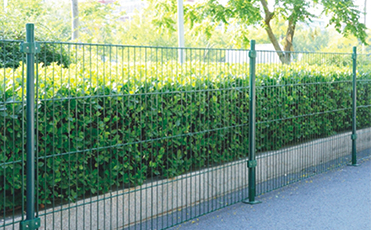
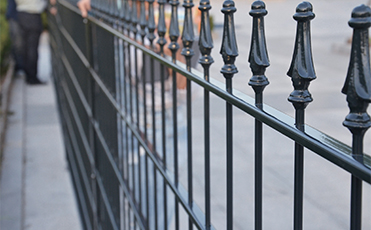
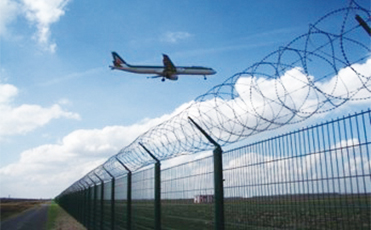















Barbed wire fencing remains a practical and widely used solution for protecting properties, agricultural areas, industrial facilities, transportation infrastructure, and restricted sites. With different materials, wire structures, and security requirements available, choosing the right fencing system requires careful consideration of strength, durability, installation, and the level of protection required. From traditional flat barbed wire to specialized high tensile barbed wire fence systems, modern products can provide effective perimeter security for a wide range of applications.
The right fence should not only create a physical boundary but also discourage unauthorized access. Depending on the location and security requirements, customers may choose metal barbed wire, reinforced fencing systems, or more specialized security products such as prison razor wire. Understanding the differences between these solutions makes it easier to select a fencing system that provides reliable and long-lasting performance.

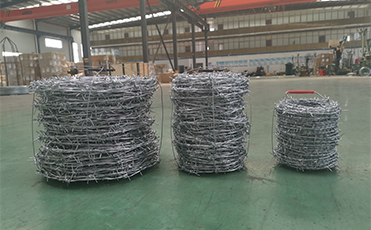
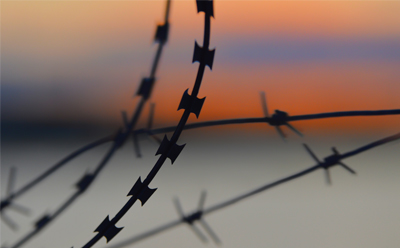
Barbed wire is manufactured in several configurations to meet different security and boundary protection needs. Traditional designs use twisted metal wires with sharp barbs positioned at regular intervals. These barbs create a physical and visual deterrent while keeping the overall fencing system relatively simple to install.
Flat barbed wire is one option for applications where a compact security barrier is preferred. Its flat or linear configuration can be installed along walls, fences, gates, and other existing structures. Compared with conventional round-wire arrangements, flat designs can provide additional coverage while making efficient use of limited installation space.
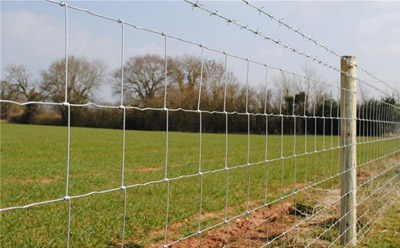
For agricultural and large-area applications, a high tensile barbed wire fence can be an effective choice. High-tensile steel wire is designed to withstand considerable tension, allowing longer fence spans with fewer supporting posts in suitable applications. It is commonly considered for farms, ranches, livestock areas, and property boundaries where strength and durability are important.
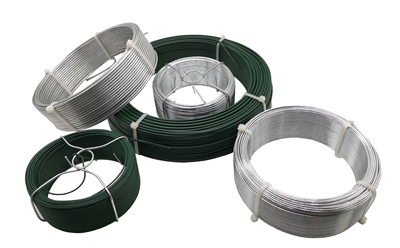
Metal barbed wire is another broad category that includes steel-based fencing products designed for outdoor use. Galvanized steel is often selected because its protective coating helps reduce corrosion caused by moisture and weather exposure. Material selection should take into account the local climate, expected service life, maintenance requirements, and installation environment.
For customers looking for a more contemporary appearance, modern barbed wire solutions can combine traditional perimeter protection with updated structural designs. These systems may be incorporated into modern property boundaries, industrial facilities, and infrastructure projects where security and appearance both need to be considered.
The most suitable type depends on whether the primary objective is property separation, livestock management, perimeter deterrence, or higher-security protection. Therefore, users should evaluate the intended application before selecting the wire configuration.
Security requirements vary significantly between homes, commercial properties, warehouses, factories, and other facilities. A residential installation generally requires a different balance between security, appearance, and practicality than a restricted industrial or institutional facility.
A house razor wire fence may be considered for properties that require a higher level of perimeter deterrence. Razor wire uses sharp-edged metal strips formed into coils or other configurations, creating a more difficult barrier to cross than conventional barbed wire. Because of its aggressive security characteristics, installation should be carefully planned and comply with applicable local regulations.
For residential and commercial properties, conventional barbed wire can sometimes be installed above walls, chain-link fences, or other perimeter barriers. This approach can increase the overall height and security of an existing boundary without requiring a completely new fence structure.
A military barbed wire fence is designed for applications where strong perimeter control and reliable deterrence are especially important. Military and defense-related sites may require fencing capable of functioning in demanding outdoor environments. Material strength, corrosion resistance, installation stability, and compatibility with existing security infrastructure are important considerations.
For institutional facilities, a prison barbed wire fence can form part of a multi-layer perimeter security system. Correctional facilities typically require carefully designed barriers that can work together with walls, security fencing, gates, surveillance systems, and controlled access points. In such applications, the fencing material is only one component of a broader security strategy.
A prison razor wire system provides a more restrictive physical barrier and is generally associated with high-security environments. When used around sensitive facilities, the design should be selected according to the required security level, local regulations, installation conditions, and professional security standards.
When choosing fencing for a home or commercial property, it is important not to select a product based only on appearance or price. Wire diameter, tensile strength, coating, barb spacing, fence height, support-post spacing, and environmental conditions can all affect overall performance.
Before purchasing a barbed wire fencing system, buyers should evaluate several technical and practical factors. The first consideration is material quality. Steel with suitable tensile strength can provide better resistance to stretching and mechanical stress, while galvanized or otherwise corrosion-resistant surfaces can improve outdoor durability.
Fence structure is equally important. The wire diameter and barb configuration influence strength and deterrence. For large agricultural boundaries, a high tensile barbed wire fence may provide a strong and efficient solution. For higher-security environments, specialized razor-wire systems may be more appropriate when permitted and professionally installed.
The installation environment should also be considered. Outdoor fences are continuously exposed to rain, sunlight, temperature changes, wind, and soil conditions. Choosing corrosion-resistant metal barbed wire can help reduce maintenance requirements and extend the service life of the fence. In coastal or highly humid environments, additional attention should be given to surface treatment and corrosion protection.
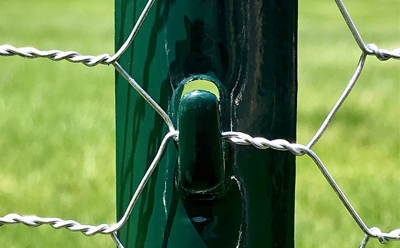
Another factor is compatibility with existing infrastructure. Barbed wire can often be installed on steel posts, concrete posts, chain-link fences, walls, or other supporting structures. Before installation, users should confirm that the supporting system can safely handle the tension and weight of the selected wire.
For residential projects, visual appearance may also influence the final decision. Some forms of modern barbed wire can be integrated into contemporary perimeter designs while maintaining a clear security function. However, where razor wire or highly restrictive systems are considered, property owners should check local laws and safety requirements before installation.
Cost should be evaluated over the entire service life rather than by purchase price alone. A lower-cost product may require more frequent replacement or maintenance, while a properly specified high-quality wire can offer better long-term value. Buyers should compare material, coating, tensile strength, wire dimensions, packaging, installation requirements, and expected service life.
Ultimately, the best fencing solution depends on the specific application. Agricultural properties may prioritize strength and long spans, residential projects may require a balance between appearance and deterrence, while industrial and high-security facilities may need more advanced perimeter protection. By carefully evaluating material quality, construction, environmental resistance, installation conditions, and security requirements, buyers can select a barbed wire system that provides dependable boundary protection and long-term performance.



Copyright © 2026 Hebei Minmetals Co., Ltd. All Rights Reserved. Sitemap | Privacy Policy | Menu