















































Choosing the right crate is an important part of creating a safe, comfortable, and organized environment for dogs. A well-designed crate can provide a dedicated resting area while also supporting house training, transportation, temporary confinement, and everyday pet care. Among the many options available, wire crates are popular because they combine strength, ventilation, visibility, and practical maintenance.
A wire dog crate is generally constructed from steel wire panels that create an open and well-ventilated enclosure. The design allows dogs to see their surroundings while providing owners with convenient access to the interior. Depending on the structure, wire crates can be suitable for puppies, adult dogs, homes, training facilities, boarding environments, and pet service businesses.
Different dogs have different requirements, so selecting a crate should involve more than simply choosing a product based on appearance. Size, wire strength, door configuration, portability, cleaning convenience, and safety should all be considered. Products such as a wire pet crate, wire puppy crate, and wire mesh dog crate can serve different purposes depending on the dog's size and lifestyle.

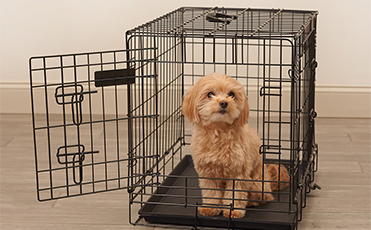
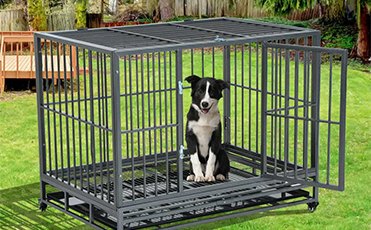
One of the most common options is the standard wire pet crate. It usually consists of a metal wire frame, one or more doors, and a removable bottom tray. The open structure provides good airflow and visibility, making it suitable for everyday indoor use.
For households with young dogs, a wire puppy crate can provide a dedicated space for resting and training. Puppies often need a secure area while learning household routines. A correctly sized crate can help establish a consistent sleeping and resting area while preventing access to potentially unsafe areas when direct supervision is not possible.
When choosing a puppy crate, size is particularly important. A crate that is excessively large may provide enough room for a puppy to separate its sleeping and toilet areas, while a crate that is too small can restrict comfortable movement. For growing puppies, some crates include adjustable dividers that allow the usable space to expand as the dog grows.
A wire folding dog crate is designed with portability and storage in mind. Folding construction allows the crate to be collapsed when it is not being used, which can save space in a home, vehicle, storage room, or pet facility. This type of crate can be particularly useful for owners who travel frequently or need a temporary enclosure.
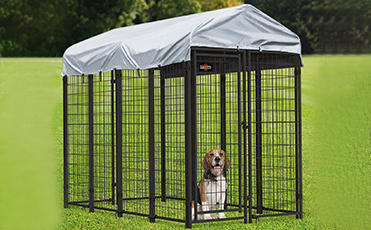
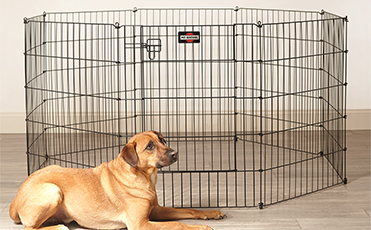
Another option is a wire pet cage, which generally refers to a metal enclosure designed to provide a controlled and secure area for pets. The exact structure can vary depending on the intended application. Some models are designed for domestic use, while larger configurations may be suitable for professional pet-care environments.
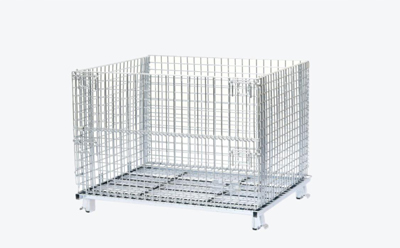
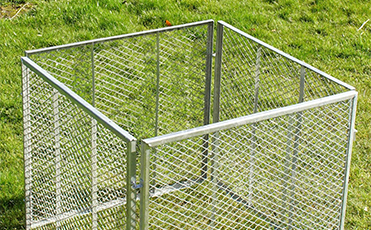
A wire mesh dog crate provides another variation of the open-metal design. The combination of wire or mesh panels creates a secure enclosure while maintaining ventilation and visibility. When selecting this type of product, buyers should evaluate the spacing between wires or mesh openings to ensure that the design is appropriate for the dog's size and behavior.
For convenient cleaning, a wire dog crate with metal pan can be particularly practical. The metal pan is positioned underneath the crate and can collect hair, dirt, food particles, or accidental messes. A removable pan can be taken out for cleaning without requiring the entire crate to be disassembled.
The choice between different designs should depend on the dog's size, age, temperament, frequency of use, available space, and intended application.
One of the main advantages of a wire dog crate is ventilation. Unlike fully enclosed plastic or solid-panel structures, wire construction allows air to circulate through multiple sides of the crate. This can help create a more comfortable environment, particularly in warmer indoor conditions.
Visibility is another useful feature. Dogs can see their surroundings through the open wire structure, while owners can easily check on their pets without opening the crate. This can be helpful during training, rest periods, travel, or routine supervision.
Wire construction can also provide good structural strength. Steel wires and reinforced frames can withstand regular use when properly manufactured. However, the appropriate wire gauge and construction should always be selected according to the dog's size and behavior.
Cleaning is another important consideration. A wire dog crate with metal pan can simplify routine maintenance because the removable pan can be taken out and cleaned separately. This is particularly useful for puppies that are still developing reliable toilet habits.
A wire crate can also support flexible use. Depending on the model, it may function as a sleeping area, training space, temporary enclosure, or travel crate. Some products can accommodate bedding and accessories to create a more comfortable resting environment.
Portability is especially important for owners who travel. A wire folding dog crate can be folded down when transportation or storage is necessary. This design can make it easier to move the crate between rooms or take it along on trips.
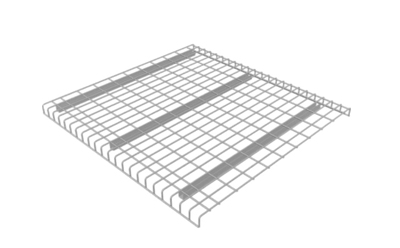
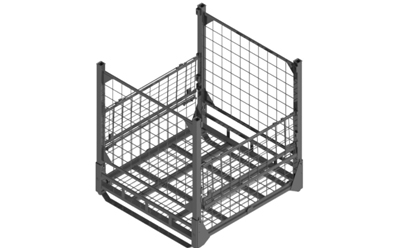
For pet businesses, wire crates can also offer practical advantages. Boarding facilities, groomers, trainers, veterinarians, and pet-care providers may require multiple enclosures that are easy to clean and organize. Modular or stackable designs can help make better use of available floor space when the product is specifically designed for that purpose.
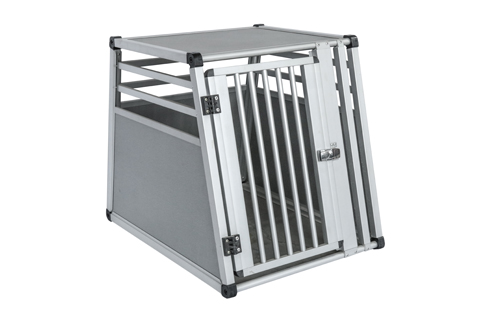
Durability is another reason metal crates are widely used. With proper construction and maintenance, a quality wire pet crate can remain functional for an extended period. Buyers should look for secure welds, stable frames, reliable door latches, and corrosion-resistant finishes.
Safety should always remain a priority. The wire spacing should be narrow enough to prevent the dog from getting its head or limbs caught. Door locks should be secure, and there should be no sharp edges or exposed wire ends that could cause injury.
A crate should also never be used as a substitute for exercise, interaction, or appropriate supervision. Dogs need regular physical activity, mental stimulation, food, water, and social interaction outside their crate.
The first and most important factor is crate size. A dog should be able to stand naturally, turn around comfortably, sit without restriction, and lie down in a relaxed position. Measuring the dog's body length and height before purchasing can help determine an appropriate crate size.
For puppies, owners should consider expected adult size as well as current dimensions. A wire puppy crate with an adjustable divider can be useful because it allows the interior space to be modified as the dog grows.
The dog's temperament should also influence the choice. Calm dogs may be comfortable in a lightweight wire structure, while strong or highly active dogs may require a heavier-duty frame and stronger wire construction. Buyers should select a crate based on the dog's actual behavior rather than relying only on breed recommendations.
Material quality is another key consideration. Steel construction can provide excellent strength, but the quality of welding, frame design, wire thickness, and surface coating can significantly affect overall performance. A durable coating can also help protect the crate from corrosion and everyday wear.
The door design should be evaluated carefully. A secure latch is essential, particularly for dogs that are curious or capable of manipulating simple closures. Some crates include multiple doors, which can make access more convenient depending on the location of the crate.
For owners who frequently move or store their crates, a wire folding dog crate may be the most practical option. Before purchasing, check how easily the crate folds, how compact it becomes, and whether the folded structure can be transported conveniently.
For everyday home use, a wire pet cage should fit comfortably within the available room while leaving sufficient space around the enclosure for access and cleaning. The location should also be away from extreme heat, direct drafts, and potentially hazardous household items.
A wire mesh dog crate should be checked for appropriate mesh or wire spacing. Smaller dogs and puppies generally require smaller openings to reduce the risk of accidental entrapment. The surface should be smooth and free from sharp points.
A removable pan is also worth considering. A wire dog crate with metal pan can provide easier cleaning and better long-term hygiene. Metal pans are generally durable and can be suitable for repeated cleaning, although users should follow the manufacturer's care recommendations.
Finally, consider the crate's intended use. A crate for home training may have different requirements from one used for transportation, professional pet care, or temporary outdoor use. Buyers should compare dimensions, materials, portability, ventilation, security, and cleaning features before making a final decision.
In conclusion, a high-quality wire dog crate can provide dogs with a secure and practical personal space while giving owners greater convenience in training, transportation, and everyday care. Whether choosing a standard wire pet crate, a portable wire folding dog crate, a specialized wire puppy crate, or a wire dog crate with metal pan, the most important factors are appropriate sizing, durable construction, secure doors, good ventilation, and easy maintenance. By selecting a crate that matches the dog's needs and intended application, owners can create a safer and more comfortable environment for their pets.



Copyright © 2026 Hebei Minmetals Co., Ltd. All Rights Reserved. Sitemap | Privacy Policy | Menu