













































In a world powered by trade, construction, and maritime exploration, the humble sea spike anchor quietly plays a massive role. It’s one of those components that hardly gets the limelight, yet it underpins global shipping safety, offshore installations, and emergency salvage operations. Why should you care? Because understanding anchors like this helps us appreciate the unseen backbone of maritime infrastructure—and the profound technical innovation hidden beneath simple steel spikes.
Simply put, the sea spike anchor is a specialized anchoring solution designed for extreme underwater holding power, especially on challenging seabed conditions. Getting this right means guaranteeing the stability of everything from floating bridges to deep-sea research stations—critical in today’s global economy. It might sound niche, but the ripple effects on safety, sustainability, and commerce are vast.
Quick takeaway: The sea spike anchor is a fundamental gear item ensuring maritime and offshore infrastructure stays firmly grounded. It’s a quiet hero in industry, commerce, and even humanitarian operations.
Globally, shipping accounts for over 80% of world trade by volume, according to the International Maritime Organization (IMO). Every ship, floating platform, or offshore wind turbine depends critically on secure anchoring solutions. The sea spike anchor has emerged as a preferred choice for complex marine settings — those where conventional anchors struggle to hold.
Consider this: with climate change driving stronger storms and rising seas, infrastructure resilience is paramount. Anchors that can reliably grip shifting sands, soft mud, or rocky seabeds are no longer just nice-to-haves; they’re essential for disaster prevention and recovery. This is particularly true across vulnerable coastal regions from Southeast Asia to the North Sea.
Moreover, in humanitarian aid contexts—think emergency floating hospitals or rapid-deployment shelters in flood zones—these sea spike anchors provide quick, secure moorings that save lives.
Quick takeaway: Sea spike anchors respond to pressing global challenges from rising storm intensity to expanding offshore energy farms—making them indispensable for future-ready marine infrastructure.
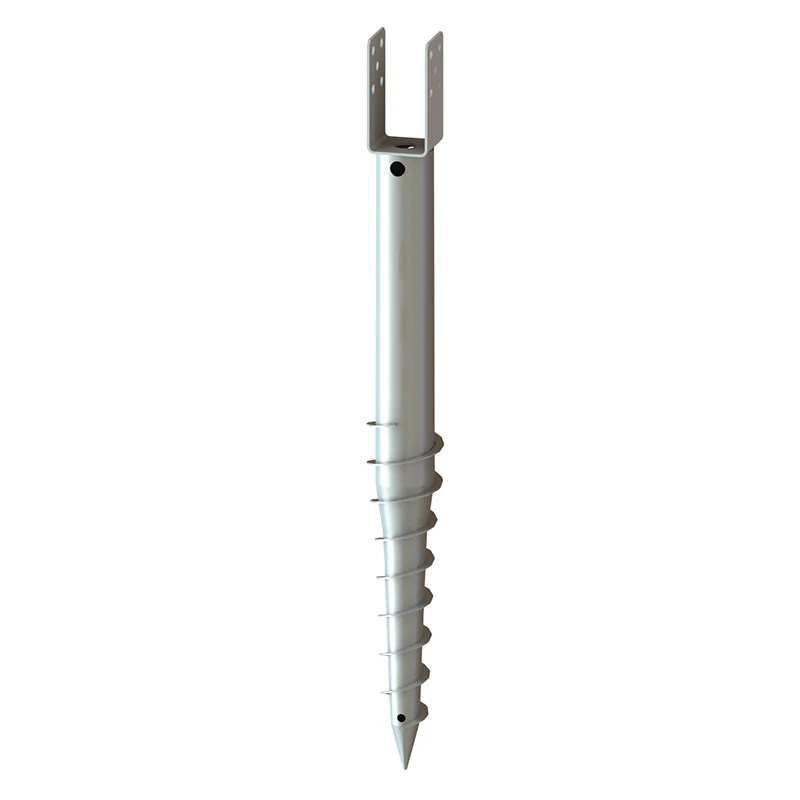
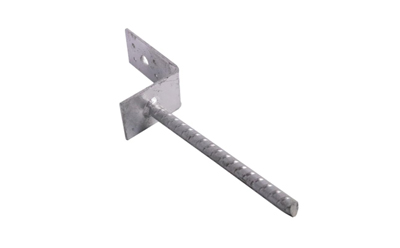
At its core, the sea spike anchor is a pile-like steel spike driven deep vertically into the seabed to offer holding power against lateral and vertical movement. Unlike traditional fluke or plow anchors that rely on digging horizontally, sea spike anchors penetrate the substrate deeper, making them suitable for loose sediments or unstable bottoms.
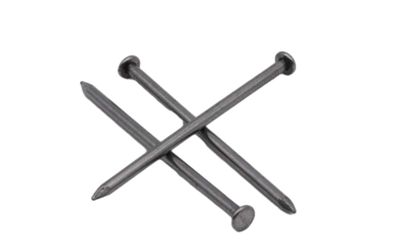
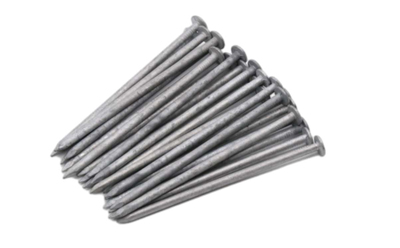
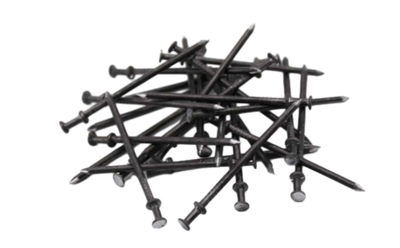
Imagine it like a giant metal nail hammered straight into a wooden board—except the board is the seabed, and the nail keeps vessels or platforms from drifting in turbulent conditions. The design can vary, but the principle is consistent: maximize penetration and embedment to resist pullout forces.
This makes them favored for modern offshore industries where dynamic loads from waves and currents require trustworthy anchors, often combined with sea spike anchor chains or specialized mooring lines.
Quick takeaway: The sea spike anchor is a vertical, deep-penetrating steel pile anchor offering superior grip, ideal for complicated seabed conditions and demanding marine projects.
The materials used for sea spike anchors are mostly high-grade marine steel with anti-corrosion coatings. Saltwater can be brutal, so longevity depends on smart metallurgy and protective finishes—think galvanized or epoxy coatings. Engineers choose these materials to balance toughness, weight, and resistance to biofouling.
A sea spike anchor’s real test is in its load rating—how much lateral and vertical pull it can withstand. Depending on size, these anchors can hold anywhere from 10 tons to over 100 tons, critical for ships, drilling platforms, or floating wind turbines facing natural forces.
What’s clever about sea spike anchors is their modularity. You can scale them up or down depending on application. There's a fascinating range, from deployable anchors for fast-rescue vessels to massive version used in industrial marine construction.
At first glance, these heavy steel piles might seem pricey. But their longevity and lower failure rates mean fewer replacement costs, fewer accidents, and less downtime—which translates into serious savings over time.
Depending on seabed type, installation may involve mechanical driving or vibration techniques. Both methods aim to insert the spike anchor swiftly and securely—sometimes underwater robots assist in deep waters.
Quick takeaway: The sea spike anchor’s mix of durable steel, versatile sizing, and robust load capacity makes it a practical choice that balances upfront costs and long-term reliability.
Sea spike anchors aren’t just theoretical; they’re powering realities worldwide. In the North Sea, they secure offshore oil rigs subjected to severe storms. Along the coasts of Indonesia and the Philippines, these anchors stabilize floating platforms critical for fisheries and disaster relief staging.
In recent years, the renewable energy sector has adopted sea spike anchors to moor floating wind turbines in deep waters, where seabeds are softer and traditional anchors inadequate. Even the military employs these anchors for temporary harbors and floating bridges during operations.
For example, during a typhoon aftermath in the Philippines, relief teams quickly set up floating medical units using sea spike anchors to prevent drifting, ensuring treatment centers remained operational amid flooding.
Quick takeaway: Whether it’s taming stormy seas for energy farms or anchoring emergency floating shelters, sea spike anchors prove versatile across geographies and industries.
It’s not just about holding ground; it’s about enabling trust in industries reliant on ocean stability—something many people take for granted but is utterly crucial.
Looking ahead, several exciting trends are reshaping sea spike anchor tech. Advanced composites may replace steel for lighter-weight, corrosion-resistant spikes. Digitally monitored anchors equipped with embedded sensors can report real-time load and environmental data, integrating with smart marine infrastructure.
Sustainability goals push for eco-friendly coatings and recyclable materials. Automation in deploying and retrieving anchors—using autonomous underwater vehicles—is already being piloted. These technologies promise increased efficiency and environmental stewardship.
Of course, it’s not all smooth sailing. Challenges include seabed variability, installation costs, and regulatory hurdles for underwater construction. For instance, rocky or heavily cluttered seabeds can hamper penetration, requiring pre-treatment or specialized designs.
Innovative solutions like geotechnical surveys combined with adaptive spike designs tailor anchors to local conditions. Also, hybrid anchoring systems that combine traditional and spike elements help address site-specific demands.
| Specification | Typical Range | Notes |
|---|---|---|
| Material | Marine Grade Steel (A572 / A690) | Coated with Galvanized/Epoxy for corrosion resistance |
| Length | 5 to 20 meters | Customizable per project requirements |
| Diameter | 150 - 500 mm | Determines load capacity and penetration effort |
| Load Capacity | 10 - 120 tons | Depends on spike size & seabed conditions |
| Installation | Mechanical driving or vibration | Requires specialized marine equipment |
| Corrosion Protection | Galvanized / Epoxy / Cathodic protection | Extends lifespan in saltwater environments |
| Vendor | Product Range | Customization Options | Lead Time | Certifications | Pricing |
|---|---|---|---|---|---|
| Hebeimetals Co. | 5m–20m length anchors | Full customization on size & coatings | 4–6 weeks | ISO 9001, API, DNV | Competitive mid-range pricing |
| Maritime Anchors Ltd. | 10m–25m, premium grade only | Limited customization | 6–8 weeks | DNV, GL | Higher pricing tier |
| Offshore Solutions Inc. | 3m–18m anchors | Custom coatings only | 3–5 weeks | ISO 9001, API | Budget friendly |
Unlike traditional fluke or plow anchors that resist movement by digging horizontally into seabed sediment, the sea spike anchor is driven vertically, penetrating deeper to achieve higher holding power, particularly in soft or loose seabeds. This makes it especially valuable in complex marine environments where conventional anchors might fail.
Maintenance mainly involves periodic inspections for corrosion or structural damage, especially in harsh saltwater. Protective coatings typically extend lifespan, but depending on deployment length, the anchors may need recertification every few years—a prudent practice to ensure reliability.
Yes, one advantage is their adaptability. Vendors often tailor spike diameter, length, and coating type based on geotechnical surveys and specific site requirements, ensuring optimal embedment and performance.
Installation speed varies but can be relatively fast using mechanical or vibratory driving techniques. Some rapid deployment systems allow anchoring platforms or vessels within hours, critical for disaster or military operations.
Modern sea spike anchors use eco-conscious coatings and materials, and their stable hold reduces seabed disturbance over time compared to more invasive anchoring. However, environmental impact assessments are standard before deployment in sensitive areas.
Sea spike anchors might not be the flashiest feature in maritime tech, but their impact is tangible and growing. From safeguarding offshore industries to enabling emergency relief deployments and fostering renewable energy projects, they embody resilience, innovation, and practicality.
If you want reliable, customizable, and durable anchoring solutions, consider visiting Hebeimetals — a trusted name working at the forefront of sea spike anchor technology and manufacturing.
Remember, as seas become rougher and offshore ventures expand, only the best anchors hold steady—and sea spike anchors fit that bill.



Copyright © 2026 Hebei Minmetals Co., Ltd. All Rights Reserved. Sitemap | Privacy Policy | Menu