




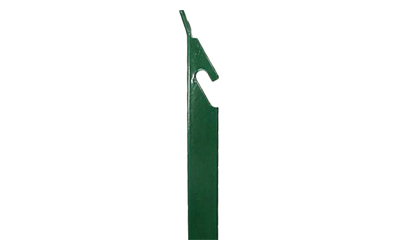
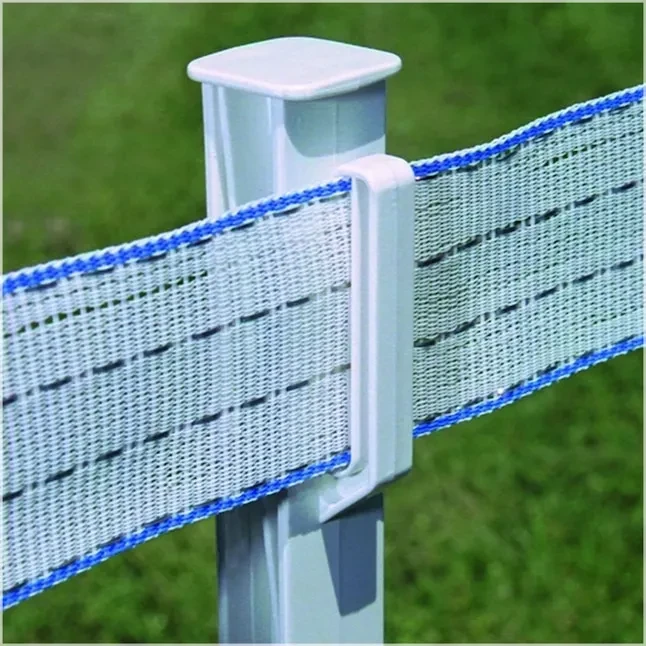
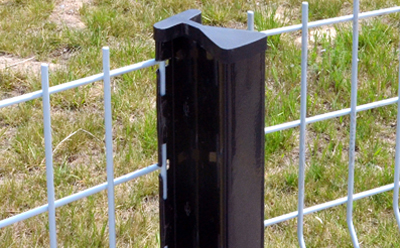


















Have you ever wondered how simple yet ingenious tools like the self hammering beach spike play an unexpectedly big role in industries ranging from construction to disaster relief? In essence, these spikes are designed for ease of installation—no heavy machinery needed—making them crucial for rapid deployment in challenging environments. Globally, their ability to secure structures quickly and reliably matters, especially when time and stability are everything. Knowing how and why these spikes work lets engineers, planners, and even humanitarian workers optimize resources, cut costs, and improve safety in situations that demand quick and steady anchoring.
It might surprise some to learn that global infrastructure efforts heavily rely on tools like the self hammering beach spike. According to the United Nations Office for Disaster Risk Reduction (UNDRR), rapid, reliable anchoring solutions are vital in coastal and disaster-prone regions where urgency and ruggedness collide. Nearly 40% of the world's population lives within 100 km of the coastline ([UN Habitat, 2020](https://unhabitat.org)), and securing temporary or permanent structures on sandy or unstable soil challenges most conventional fasteners. That’s the problem these spikes address: they help stabilize fabric structures, fencing, or signage quickly without heavy machinery or skilled labor.
In industries like offshore wind installation, beachside tourism infrastructure, or post-tsunami rebuilding, the spike’s value rises sharply. They remove bottlenecks. Plus, with increasing climate change vulnerabilities, the demand for rapid, reliable anchoring just won’t fade.
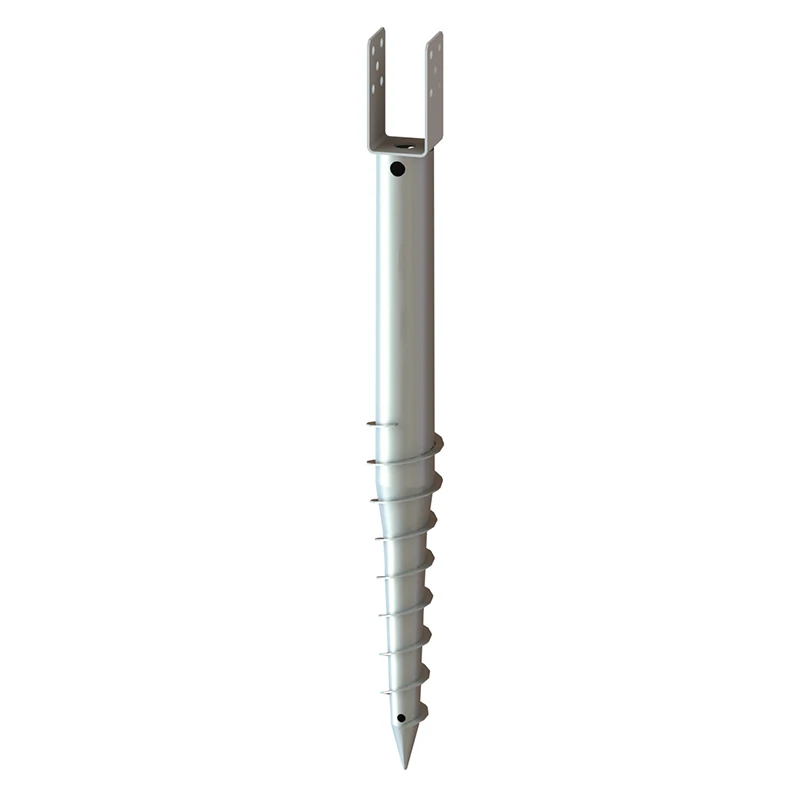
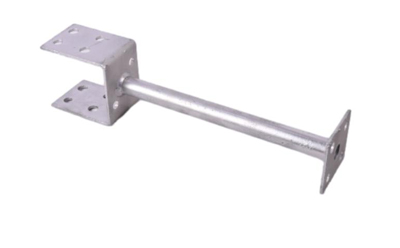
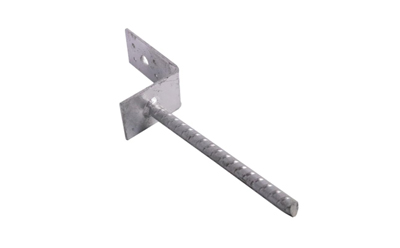
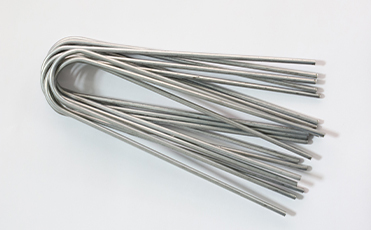
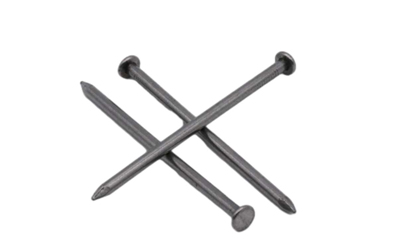
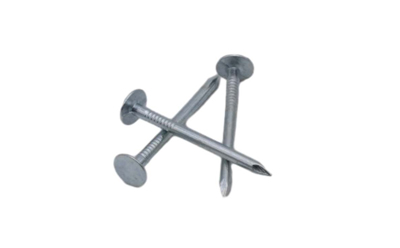
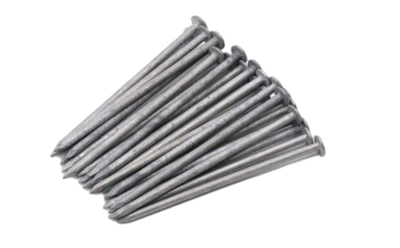
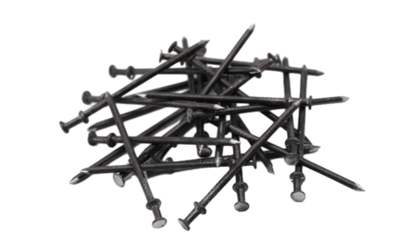
Think of a spike designed to drive itself into soft ground just by twisting or light hammer taps—no sledgehammer or fancy crane needed. That’s a self hammering beach spike in a nutshell: an engineered anchoring spike with a helix or screw end, often made from galvanized steel or aluminum alloys, that “bites” into sandy or loose soil with minimal effort.
Its design focuses on simplicity and strength. In industrial circles, it's prized for reducing manpower and time during installation. Humanitarian teams love it too—when pitching tent cities or temporary shelters after a disaster, speed and reliability literally mean lives saved.
In real terms, these factors mean less equipment, less expert labor, and often, a smaller environmental footprint.
Durability is the foundation. Most spikes use galvanized steel or marine-grade aluminum to resist rust, especially crucial when working in saline environments. This assurance makes them last years even under tough conditions.
Because of its screw-like helix, you need only a manual mallet or even just torque to set it firmly, compared to driving conventional spikes with full-blown hammers. This can reduce installation time by up to 50%, according to field engineers.
While lightweight, these spikes can surprisingly take heavy loads—tens of kilonewtons in static load tests—far exceeding what one might guess at first glance.
They work best in sandy or loosely compacted soils, typical to beaches, deserts, and some riverbanks. Their use elsewhere requires careful soil testing.
Designed for transportability, these spikes fit easily into compact toolkits and kits—perfect for remote or temporary setups.
| Specification | Detail |
|---|---|
| Material | Galvanized steel, marine-grade aluminum |
| Length Range | 30 cm – 90 cm |
| Diameter | 10 mm – 25 mm |
| Load Capacity | Up to 15 kN (static) |
| Installation Method | Manual hammer or torque-based rotation |
| Corrosion Resistance | High (coating and alloys) |
Oddly enough, these devices quietly anchor some of the world’s most crucial projects in very diverse contexts:
For example, in post-2018 Kerala floods, local NGOs distributed self hammering beach spikes for quick setup of medical tents at remote locations where conventional stakes failed to hold in the saturated soils.
These spikes aren’t just hardware; they’re enablers of speed, safety, and adaptability in critical environments around the world.
In my experience, the spike’s true value shines when budgets are tight and stakes are high. Here’s why:
The future looks even brighter for these humble spikes. New composites with carbon fiber blends promise lighter weight yet superior strength. Automation is seeping in—some prototypes now feature torque feedback tools to ensure perfect embedment without over-exertion.
Environmental awareness influences design too; biodegradable coatings and recyclable metals are becoming standard. Factories are aligning production with ISO 9001 and ISO 14001 quality and environmental management standards, to address increasing demand for sustainable anchoring solutions.
That said, there are limitations. Loose soil isn’t always uniform; sand beds sometimes mix with gravel or clay, making single-type spikes less effective. Double-helix designs or modular spikes with adjustable lengths are emerging to solve this. Also, standardization across vendors can be patchy, causing confusion in international procurements.
Luckily, many manufacturers collaborate to improve compatibility, while ongoing R&D targets tougher and more adaptable materials and geometries. When selecting a spike, it pays to check certifications and field tests.
| Vendor | Material Quality | Price Range | Global Shipping | Certification |
|---|---|---|---|---|
| Hubei Hebei Metals Co. | Marine-grade Aluminum | $$ | Yes | ISO 9001, CE |
| Coastal Anchors Ltd. | Galvanized Steel | $ | Limited | CE |
| OceanFix Systems | Composite Coated Steel | $$$ | Yes | ISO 14001, CE |
Self hammering beach spikes reduce installation time dramatically and require less physical effort or specialized equipment. Their design allows them to bite firmly into sandy or loose soils where traditional stakes might fail or need reinforcement.
When made from galvanized steel or marine aluminum, these spikes resist corrosion effectively and can last anywhere from 5 to 15 years depending on exposure and maintenance.
Yes, many models are designed for easy removal without damaging the spike or the surrounding ground, making them sustainable for multiple setups and relocations.
Many manufacturers offer international shipping and bulk purchase options. It’s important to check for certification compliance like ISO or CE to ensure quality and smooth customs clearance.
They work best in sandy, loose soils commonly found on beaches and deserts. For firm clay or rocky soils, other anchoring solutions may be necessary.
Frankly, this little engineering marvel packs a punch in terms of practical impact. Whether you’re a relief organization racing against time, an engineer designing temporary industrial setups, or a beach resort operator managing seasonal installations, the self hammering beach spike is a smart investment. Speed, reliability, ease of use, and environmental friendliness combine to make it an indispensable anchor in modern challenges.
To explore trusted options and latest models, visit Hubei Hebei Metals Co. —a leader in delivering quality and innovation in this niche.
References:



Copyright © 2026 Hebei Minmetals Co., Ltd. All Rights Reserved. Sitemap | Privacy Policy | Menu