



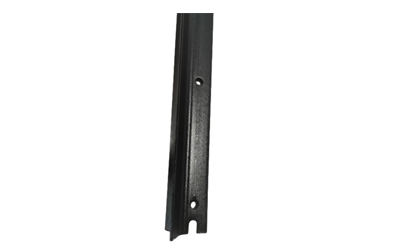
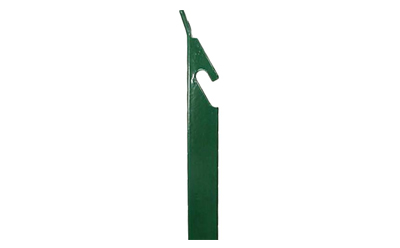
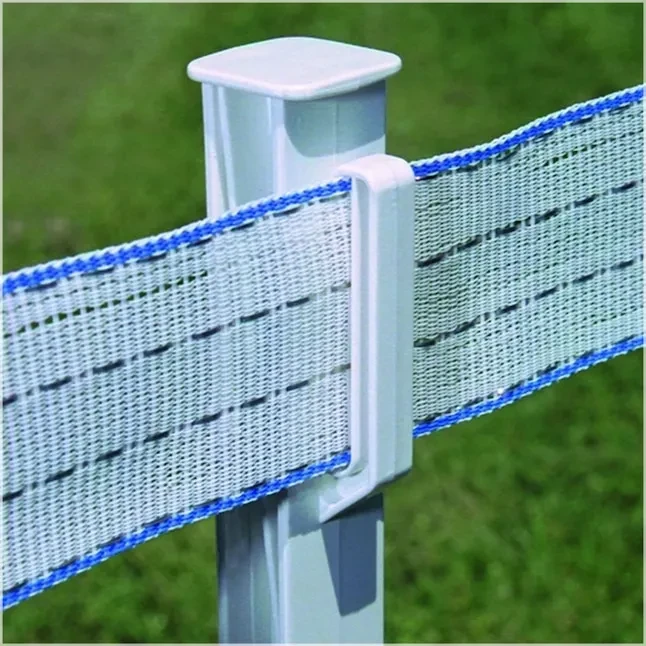
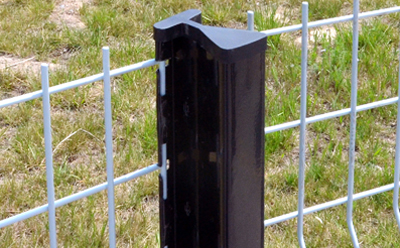
















When you think about fencing, chances are you imagine wooden posts or maybe metal pipes sticking out of the ground. But there’s a quietly growing star in the fencing world that often flies under the radar: the step in poly fence post. These posts offer incredible value from rural farms in Australia to bustling construction sites in Europe and even humanitarian zones in Africa. Why? Because they mix practical durability with ease of installation in ways that older materials struggle to match.
Simply put, a step in poly fence post is a type of fence support made from high-density polyethylene (HDPE) plastic designed to be pushed or ‘stepped’ into the ground without needing concrete. This method allows for faster deployment and minimal disturbance to the soil, making them popular for temporary or permanent fencing applications. Globally, they are addressing some big challenges—think erosion control, livestock management, and even rapidly securing disaster relief perimeters.
The United Nations (UN) reports increasing needs for quick-fix, sustainable infrastructure especially in developing and disaster-prone regions.[1] Traditional wooden or metal posts often require heavy machinery and considerable manpower, leading to delays and higher expense. According to ISO data, plastic composites like polyethylene have risen by 15% annually in outdoor industrial uses since 2015,[2] reflecting their growing popularity. So frankly, step in poly posts respond directly to a global push for sustainability, efficiency, and cost control in fencing.
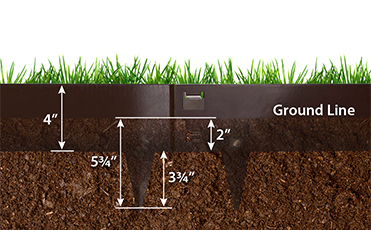
These posts are typically hollow or solid tubes extruded from durable plastic polymers—HDPE being the most common due to its toughness and UV resistance. Unlike traditional posts that sit in pre-dug holes filled with concrete or packed soil, step in poly posts are literally 'stepped' or hammered directly into the ground using a boot or a simple post-driver tool. This simplicity reduces installation time, and because HDPE is corrosion-resistant, they last longer in harsh environments.
One of the main appeals is their resistance to rot, rust, and insect damage, all common afflictions for wooden or metal posts. This means less maintenance and longer fence life.
The “step in” design speeds things up significantly. No digging or heavy tools are needed, which is a game changer for large-scale or remote fence projects.
UV-stabilized polyethylene withstands sun exposure year-round and can handle wet or acidic soils better than wood.
While the upfront material cost might be slightly higher than wood, the total cost of ownership is usually lower thanks to minimal installation labor and reduced replacement rates.
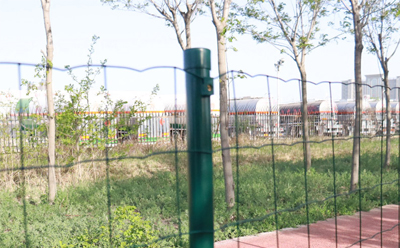
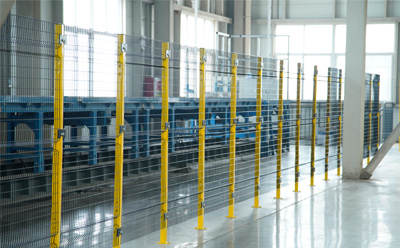
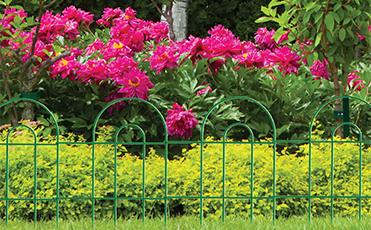
They come in various heights, thicknesses, and can be fitted with different types of fencing materials – from wire mesh to electric fencing.
Step in poly fence posts combine rugged technology with user-friendly installation, making them a practical choice for many sectors.
They appear everywhere from Australian cattle stations to European highway construction sites. In Africa and Asia, NGOs use them extensively for quickly securing sanitation blocks or temporary shelters post-disaster. Even wildlife reserves in North America use these posts for creating flexible, minimal-impact boundaries.
Beyond durability and ease, step in poly fence posts represent a subtle but meaningful leap in sustainability—they reduce waste from rotting wood or rusted steel and their installation leaves the soil comparatively undisturbed. Plus, there’s an emotional peace of mind knowing fences are reliable, less likely to fail unexpectedly, and even safer under electric fencing setups because plastic posts don't conduct electricity like metal.
| Specification | Value |
|---|---|
| Material | UV-stabilized HDPE |
| Length | 1.2m to 2.4m (4ft to 8ft) |
| Cross-section Shape | Round, Square, or T-Profile |
| Installation Method | Step in / drive with post driver |
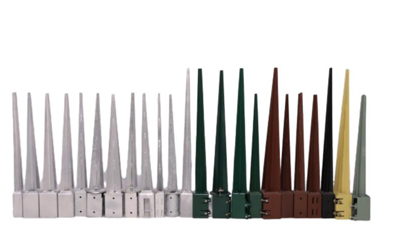
| Color Options | Green, White, Black (UV resistant) |
| Typical Weight | 0.8kg - 1.5kg per post |
Poly fence posts are evolving along with environmental and tech trends. For example, antimicrobial coatings are being tested to reduce mold and moss growth on posts in humid climates. The integration of IoT sensors for smart fencing—such as monitoring post integrity or electric fence charge remotely—is on the horizon. Manufacturers are also increasingly focusing on recycled polyethylene to close the loop on plastic use.
No solution is perfect. Step in poly posts can sometimes struggle in extremely rocky or compacted soils, where installation becomes difficult without pre-drilling. Some users note that color fading can still happen over many years despite UV treatment. To counter these issues, complementary tools like specialized soil augers and improved polymer blends are recommended, which manufacturers are actively developing.
| Vendor | Material Quality | Price Range | Special Features | Shipping Availability |
|---|---|---|---|---|
| PolyFence Tech | High-density UV-stabilized HDPE | $$$ | Recycled content, antimicrobial coating | Global |
| GreenPost Solutions | Mid-range HDPE blend | $$ | Limited colors, quick ship | North America, Europe |
| EarthGuard Posts | Basic HDPE with UV additive | $ | Bulk discounts, rental program | Australia, Asia Pacific |
It’s oddly satisfying to see such a simple product carry so much potential for impact. Whether for improving rural livestock safety, speeding up construction site setup, or facilitating rapid response in humanitarian work, step in poly fence posts make an elegant yet rugged solution. They embody modern values: efficiency, sustainability, and adaptability. If you're curious about how these could work for your project or industry, I’d recommend checking out step in poly fence post suppliers who specialize in innovative, durable fencing solutions.
Sometimes, the simplest tools make the biggest difference in the world.
Step in poly fence posts are a cost-effective, eco-conscious fencing choice that’s reshaping how we think about boundary and safety solutions globally.



Copyright © 2026 Hebei Minmetals Co., Ltd. All Rights Reserved. Sitemap | Privacy Policy | Menu