




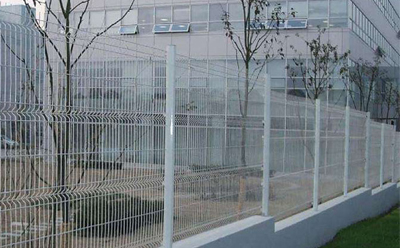
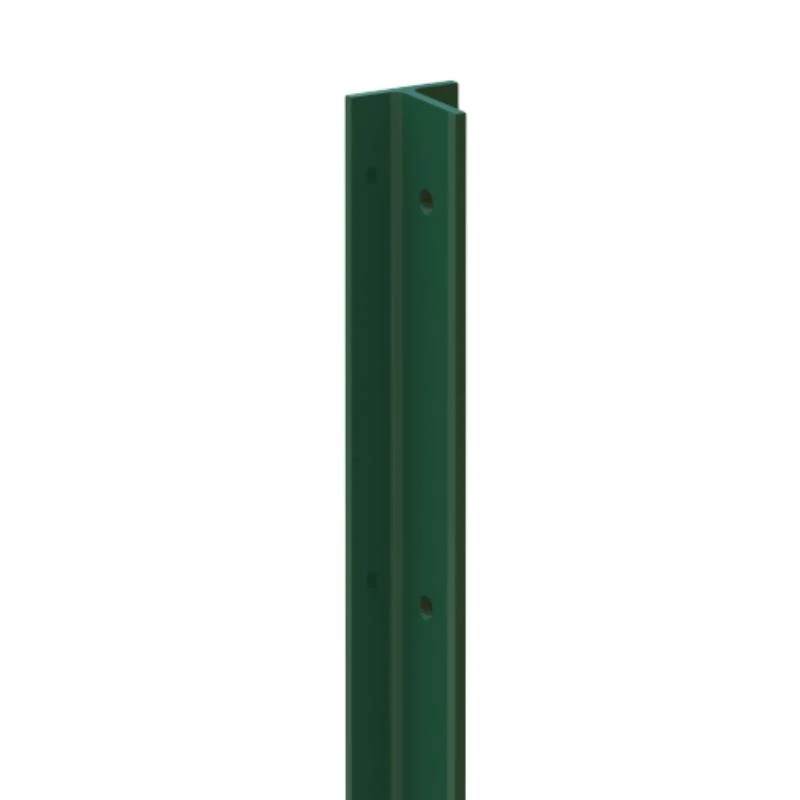
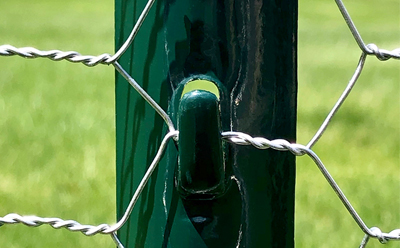
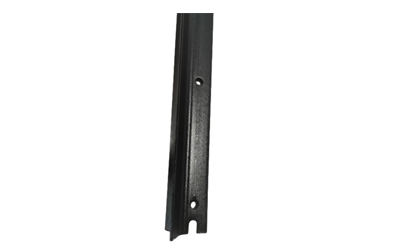
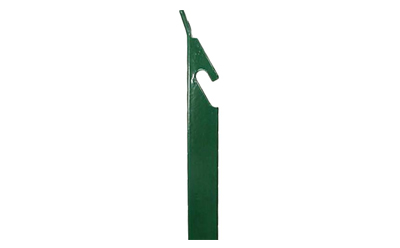
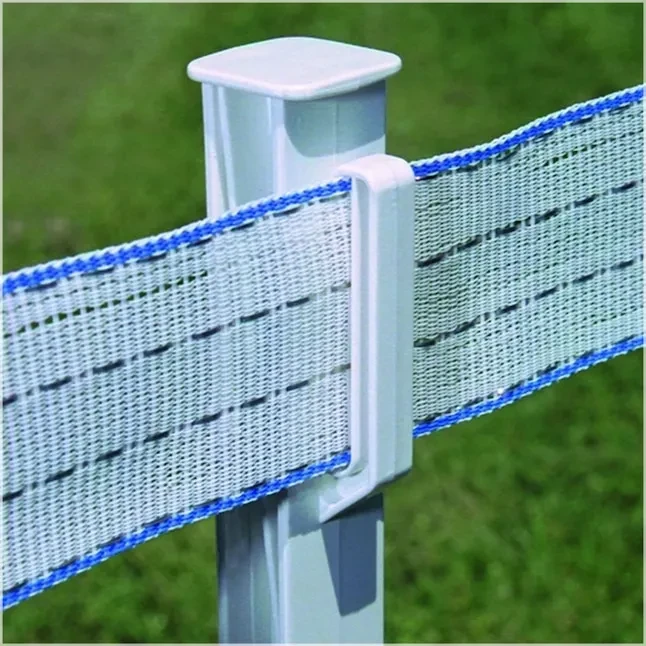
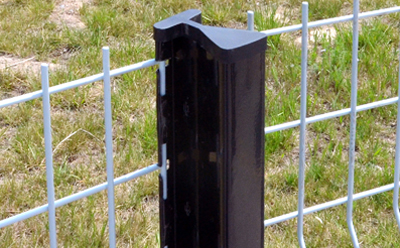
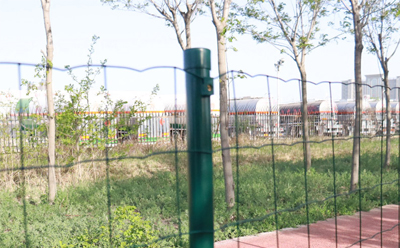
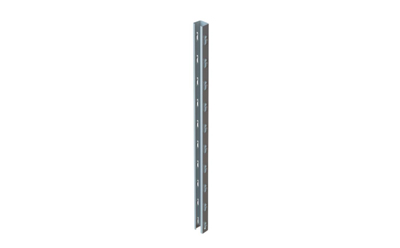
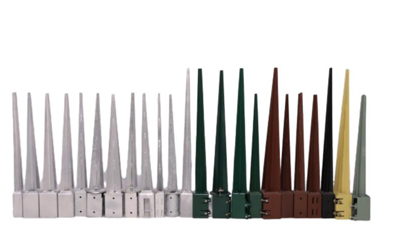
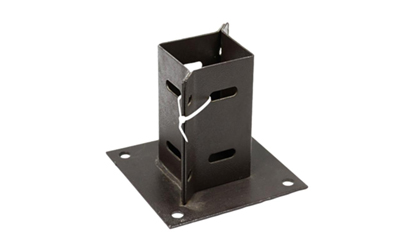
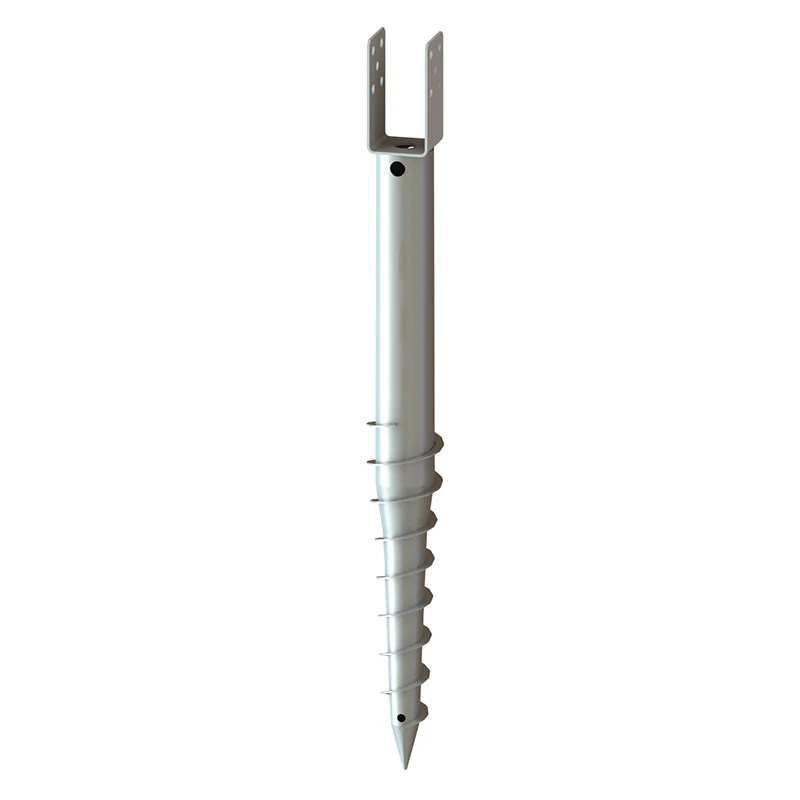
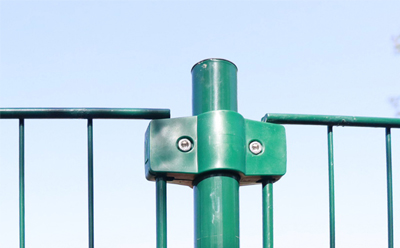
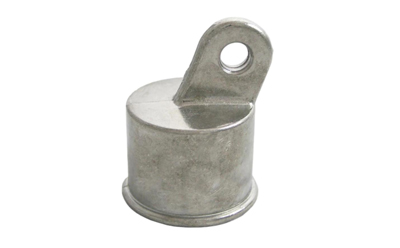
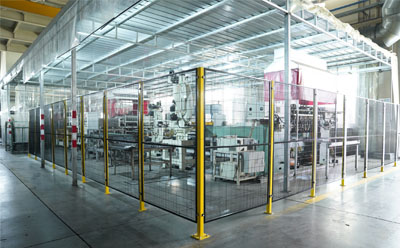
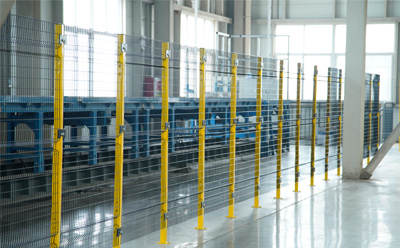






















Step in poly posts might sound niche, but their impact spans far and wide—and frankly, it’s a bit surprising how crucial they’ve become in construction, agriculture, and humanitarian work. At their core, they’re simple: durable posts designed to be driven directly into the ground, with polyethylene coatings or materials lending strength and weather resistance. Why does this matter globally? Well, resilient fencing and boundary solutions are fundamental where infrastructure is scarce or rapidly deployed setups are needed, such as in remote areas or disaster zones. Understanding these posts means unlocking benefits like cost-effectiveness, ease of installation, and sustainability — all critical in today’s push for smarter, greener solutions.
From Asian farmland to African wildlife reserves, step in poly posts solve a surprisingly broad set of problems. According to the FAO, fencing protects over 500 million hectares of agricultural land worldwide — and poorly built fences cost farmers and herders billions annually through livestock losses or crop damage1. Moreover, the need for rapid, low-cost boundary solutions increases alongside global migration and climate-driven crises; NGOs and governments require fencing that’s quick to set up, durable in harsh conditions, and affordable on a wide scale. Step in poly posts fill that niche, carrying significance beyond simple stakes in the ground.
Simply put, step in poly posts are fence posts made predominantly or partially from polyethylene (a kind of plastic) and meant to be “stepped” or pushed into the soil without pre-drilling. They combine the ease of installation found in timber stakes with plastic's resistance to rot, insects, and weather deterioration. This connection to modern industry is interesting — it shows how polymer tech, once mainly cosmetic or packaging, now supports vital outdoor infrastructure. For humanitarian aid, this means faster staging of secure living zones or agricultural plots.
Unlike wooden posts that tend to decay or metal that rusts, polyethylene-coated or solid poly posts resist moisture and UV damage. This means they last longer, often 10+ years, even under strong sun or heavy rains. I suppose this is why many ranchers on the Australian outback swear by them.
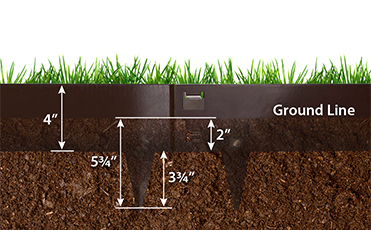
These posts are designed to be pushed directly into soil via foot or light tools—no need for complicated equipment—great for large-scale fencing or rapid deployment in emergencies. Oddly enough, even less experienced workers can set them up quickly, reducing labor costs significantly.
While material costs might be a tad higher than untreated timber, longevity and lower maintenance reduce total ownership costs. Plus, if you factor in the reduced installation time, these posts deliver excellent value.
Many manufacturers now use recycled polyethylene or recyclable materials in their posts, aligning with circular economy goals. Some companies also offer posts certified for low carbon footprints, which is increasingly important under ISO environmental guidelines2.
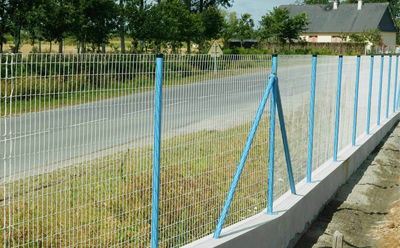
From setting up small farm plots to protecting wildlife corridors stretching kilometers, step in poly posts scale well. They can accommodate wire, mesh, or even electric fencing systems — making them incredibly adaptable.
| Specification | Details |
|---|---|
| Material | High-density polyethylene (HDPE), sometimes with galvanized steel core |
| Length Options | 0.9 m to 1.8 m (typically) |
| Cross-Section | Square or round profiles, 25-40 mm width/diameter |
| Color Options | Typically black or green (UV stabilized), customizable |
| Installation | Step-in with foot pressure or light hammering, no digging |
It’s almost like these poly posts have quietly become unsung heroes in diverse sectors:
In fact, I’ve spoken with engineers who appreciate how these posts speed up fencing projects by at least 30%, and NGOs often rely on them during emergency response deployments.
| Brand | Material Quality | Length Options | Price Range (per post) | Recyclability |
|---|---|---|---|---|
| Hebe Metals | HDPE with galvanized core | 1.2 m, 1.5 m, 1.8 m | $3.50 - $5.00 | Fully recyclable |
| GreenFence Co. | Solid recycled HDPE | 0.9 m, 1.2 m | $2.80 - $4.50 | Mostly recyclable |
| EcoPost Systems | Composite polyethylene and wood fiber blend | 1.0 m, 1.5 m | $4.00 - $6.20 | Partially recyclable |
You know, it’s easy to underline the hard benefits like cost savings or longevity with these posts, but there’s also a social dimension worth noting. For farmers or displaced communities, reliable fencing means safety from predators or theft — dignity, really. From an innovation angle, the combination of polymers with traditional fencing techniques shows how older practices evolve in tandem with materials science. And with ongoing concerns about climate impact, the fact that many posts can be recycled or made from recycled plastics promises a lighter environmental footprint.
The industry is moving — slowly but surely — toward integrating sensor technology into fencing posts. Imagine step in poly posts equipped with IoT sensors to detect tampering or breaches — quite futuristic, but pilots are underway in some wildlife reserves. Also, green energy is factoring in: some upcoming posts include solar strips or embedments to power perimeter lighting. Material-wise, advances in biodegradable polymers could lead to posts that fully decompose after useful life, helping reduce microplastic concerns.
Despite their many benefits, step in poly posts can face limitations. For example, extremely rocky or compact soils might resist simple step-in installation, requiring additional tools. Some users also report UV degradation over very long periods if posts lack proper stabilizers. Specialists suggest thorough site evaluation before purchase, and combining poly posts with hybrid materials can improve strength. Manufacturers are responding rapidly, improving formulations and offering tailored solutions for different geographies.
To sum up, step in poly posts offer a reliable, cost-effective means to secure perimeters, protect livelihoods, and improve sustainability in industries ranging from agriculture to humanitarian relief. Their ease of use, durability, and environmental benefits make them particularly suited to today’s shifting global needs. Whether you’re working in remote zones or building out large-scale infrastructure, these posts deliver value that’s hard to beat.
For those ready to explore high-quality solutions, I invite you to step in poly posts by Hebei Metals — a proven vendor balancing innovation and reliability.
It feels like step in poly posts are just getting started; as material sciences evolve, their role can only grow.



Copyright © 2026 Hebei Minmetals Co., Ltd. All Rights Reserved. Sitemap | Privacy Policy | Menu